
Film
Belle Époque
A Spanish comedy-romance set in 1931, where a deserter shelters on a rural farm and finds himself enchanted by the owner's four daughters. It's a sunlit, playful film about choice and desire—lightweight in build but surprisingly tender underneath. Perfect for anyone who loves charm and romantic indecision executed with genuine warmth.
If you liked this
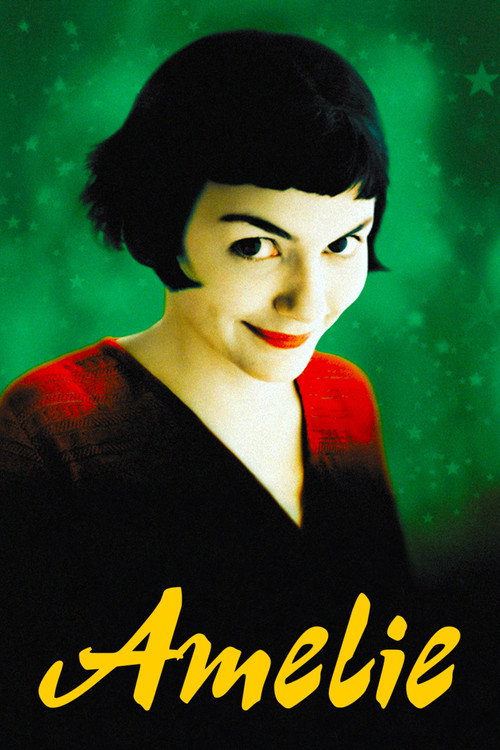
Amélie2001
A similarly whimsical meditation on love and connection, shot through with visual joy and offbeat humour. Both films find magic in small human moments and small-town settings, delivered with the same kind of sunny mischief.
But Amélie's quirk can feel cloying if you're not in the mood for it. Some find its twee worldview exhausting rather than charming.
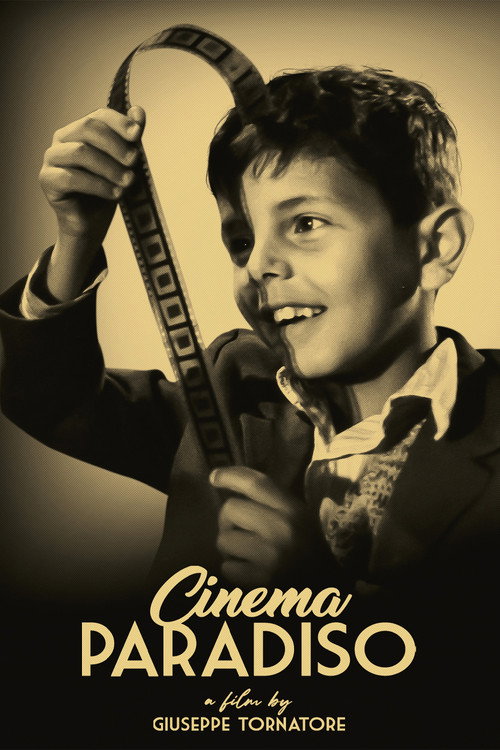
Cinema Paradiso1988
Another celebration of longing and romance, set in a small Italian town with a similar nostalgic glow. It shares Belle Époque's ability to be both light and genuinely moving, with tremendous warmth toward its characters.
But It's sentimental in a way that can feel manipulative. The film asks you to feel a lot, and some viewers resist that kind of emotional choreography.
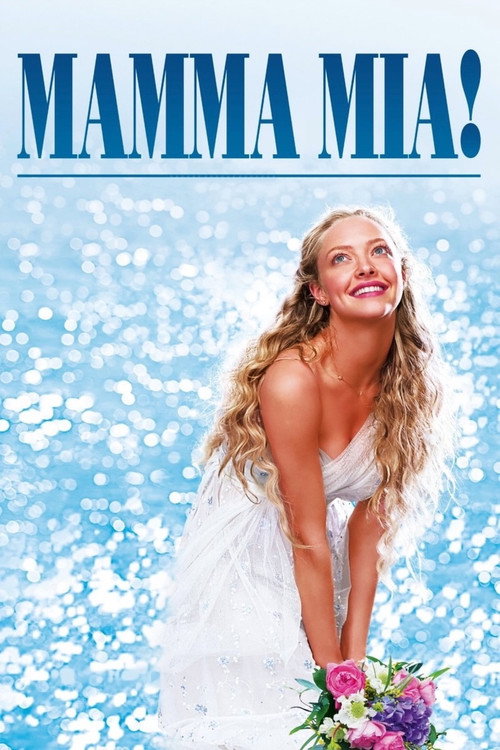
Mamma Mia!2008
Pure romantic fizz with an ensemble cast all having tremendous fun. Both films believe in the pleasure of watching attractive people in sunlit spaces fall in and out of romantic entanglement, with zero cynicism.
But If you can't stand musicals or bright primary colours, this will feel aggressively cheerful. The plot barely exists; you're here for mood.
Not sure tonight? Get a pick in a minute, starting from Belle Époque
The wildcard
Something you would not have found on your own.
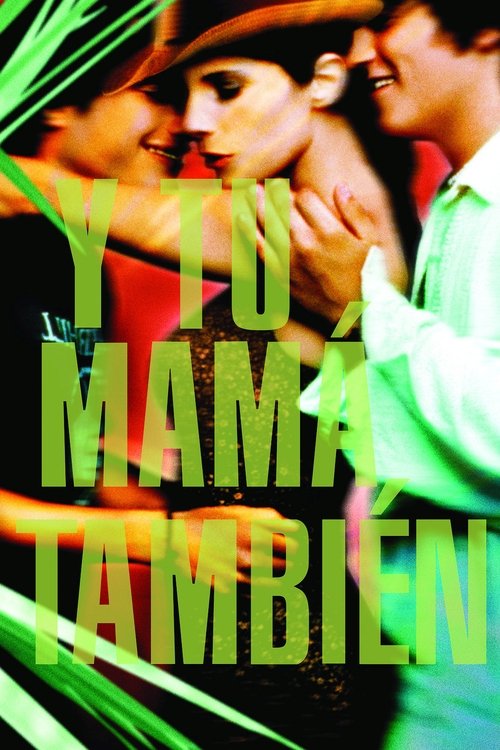
Y Tu Mamá También2001
Both are Spanish-language films about young men navigating competing desires, but where Belle Époque stays in the sunlight of comedy, this one walks into genuine consequences. Same question—different temperature.
A road movie about desire and friendship that begins as light sex comedy but quietly becomes something more serious. Like Belle Époque, it's genuinely interested in how attraction and choice actually work—but it goes dark and honest in ways the Spanish film doesn't.
But It's sexually explicit and politically pointed in a way Belle Époque carefully avoids. You're not in a playpen anymore; the sexual content is frank and the politics are urgent.
More like this (8)
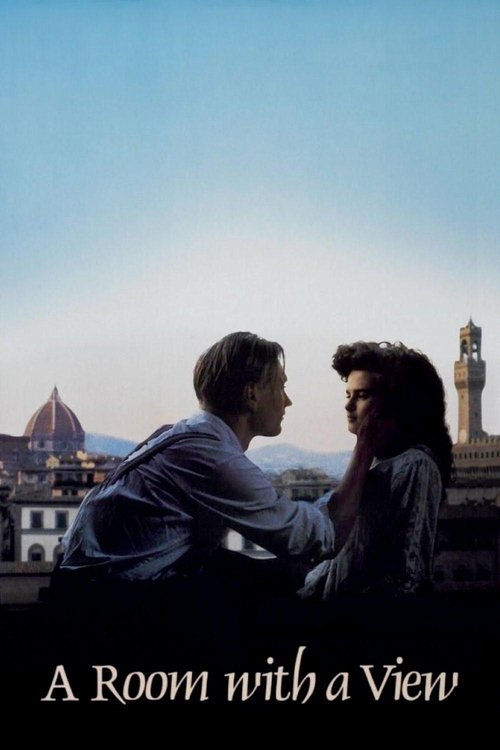
A Room with a View1986
A period romance about a young woman torn between two suitors, executed with Merchant-Ivory elegance and genuine emotional depth. The tension between passion and propriety mirrors Fernando's pleasant dilemma beautifully.
But It moves slowly and deliberately. The pacing is contemplative; if you need plot momentum, you'll find it frustrating.
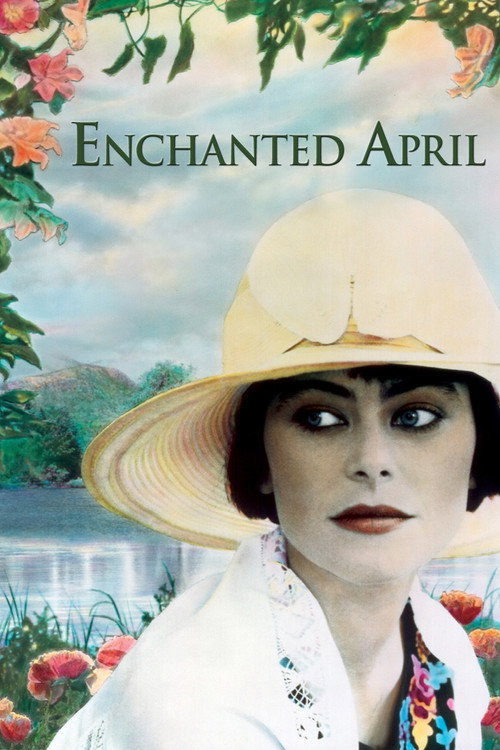
Enchanted April1991
A gem about transformation and desire, set in Italy with an ensemble of women discovering themselves. It shares Belle Époque's lightness of touch and its belief that romance and self-discovery can be joyful rather than tortured.
But It's decidedly feminine in register—if period dramas about female desire don't appeal, this won't convert you.
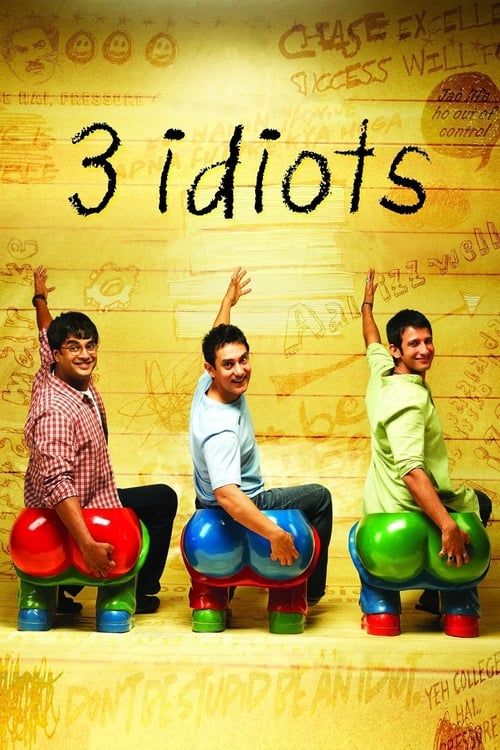
3 Idiots2009
A long, digressive romantic comedy about a man choosing between women, delivered with infectious energy and genuine affection for its characters. Structurally similar and equally convinced that romance should be fun.
But It's nearly three and a half hours long and Bollywood in tone. Its maximalism is the opposite of Belle Époque's restraint.
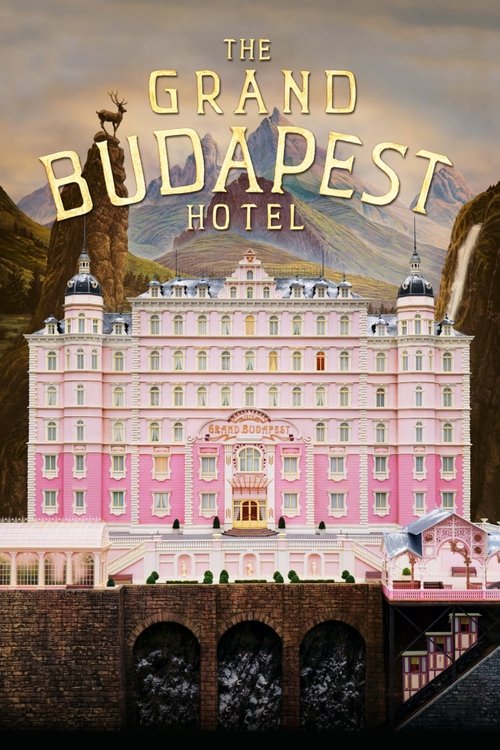
The Grand Budapest Hotel2014
Wes Anderson's fairy-tale romance with a similar architectural approach to charm—everything framed carefully, colours singing. Both films present romance as something stylised and deliberately pretty rather than gritty.
But Anderson's artifice divides people sharply. If you find his style precious or exhausting, this intensifies rather than softens it.
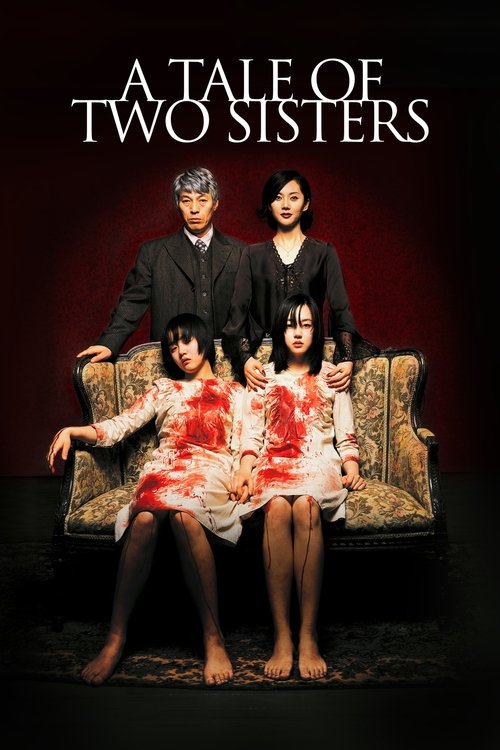
A Tale of Two Sisters2003
A French period romance about a young woman and multiple suitors, with genuine sensuality beneath the surface charm. It has Belle Époque's lightness but slightly more psychological depth—there's an undertone of uncertainty.
But It's considerably more French and more measured. If you want the exuberance to drive the film, this might feel slow and oblique.
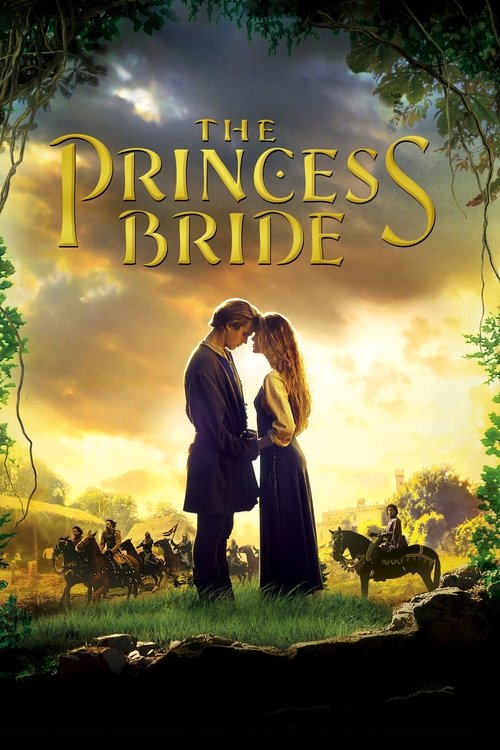
The Princess Bride1987
A romantic adventure that never forgets playfulness is essential to romance. It shares Belle Époque's conviction that love stories should be fun and that charm is earned, not assumed.
But It's heavily plotted and deliberately fantastical. If you want realism or restraint, its adventure-serial approach will feel arch and overstuffed.
Stalker1979
Both centre on a man watching others desire and deciding what he wants. Belle Époque asks it playfully; Stalker asks it as ontology—what does choice even mean?
A Soviet science-fiction film about a guide leading visitors through a mysterious zone to a room that grants desires. It's structurally identical to Belle Époque—a man in a liminal space with others who want different things—but it's slow, metaphysical, and entirely serious.
But It's 163 minutes, moves at glacial pace, and requires active philosophical engagement. There is no romance, no humour, no sunshine. It demands a very different kind of attention.

The Leopard1963
Both use ensemble romance and visual grandeur to examine a historical moment. Belle Époque celebrates choice and youth; this mourns inevitability and the past. Same form, opposite meaning.
Luchino Visconti's sweeping meditation on class and change in 1860s Sicily, filmed in jewelled colours. It has Belle Époque's visual pleasure and period setting, but the romance is melancholic—about decline rather than possibility.
But It's 205 minutes of 1960s European cinema—operatic, painterly, and slow. The film is more interested in history than character, and its sadness is pervasive. Modern viewers often find it glacially paced.

People
Cast
 Jorge SanzFernando
 Miriam Díaz-ArocaClara
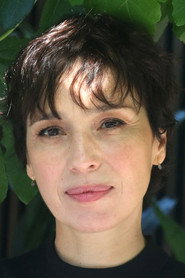 Ariadna GilVioleta
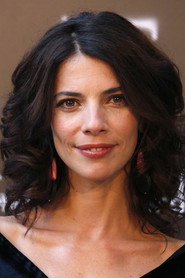 Maribel VerdúRocío
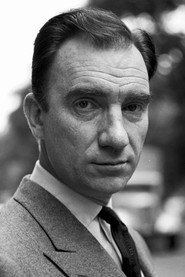 Fernando Fernán GómezManolo
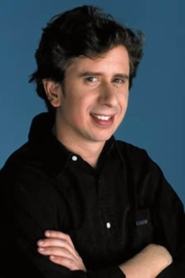 Gabino DiegoJuanito
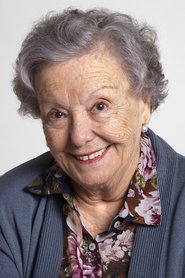 María GalianaLa Polonia
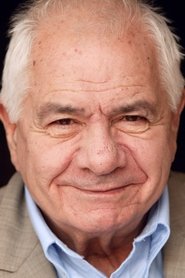 Michel GalabruDanglard
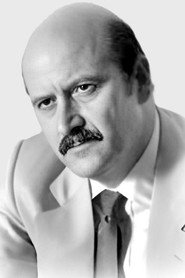 Agustín GonzálezDon Luis
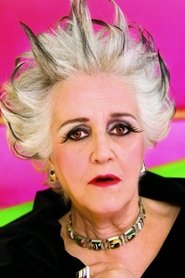 Chus LampreaveDoña Asun
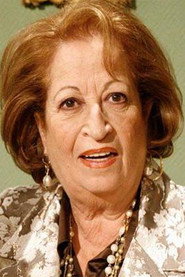 Mary Carmen RamírezAmalia
Directing
- Jaime BotellaAssistant Director
- Fernando TruebaDirector
- Fernando CenteioSecond Assistant Director
Writing
- Rafael AzconaScreenplay
- Fernando TruebaStory
- José Luis García SánchezStory
- Rafael AzconaStory
Production
- Manuel LombarderoAssociate Producer
- António da Cunha TellesCo-Producer
- Andrés Vicente GómezExecutive Producer
- Cristina HueteProduction Director
- Angélica HueteProduction Manager
- Fernando VendrellProduction Manager
- Fernando VendrellUnit Production Manager