
Film
Neruda
Pablo Larraín's biographical chase film treats Neruda as a duel between poet and policeman rather than a traditional biopic. Shot in expressionistic black-and-white, it's playful and formally adventurous—part political thriller, part intellectual game. For anyone drawn to cinema that performs ideas rather than simply stating them, or lovers of Neruda curious to see him as a man rather than a monument.
Should you watch it?
Watch it if you enjoy a chase story that turns the pursuer into the more interesting figure, and you like films that treat history as a mischievous game rather than a lesson.
Skip it if you want a straightforward biopic of the poet, since this is more interested in mood, sly detours and a hunter's restless loneliness than in his work or life.
What it asks of you: Roughly a hundred and eight minutes, unhurried at first, with long wandering stretches and a dry, slightly absurd humor that needs your patience to land.
Not sure? Find tonight's pick in a minute.
If you liked this
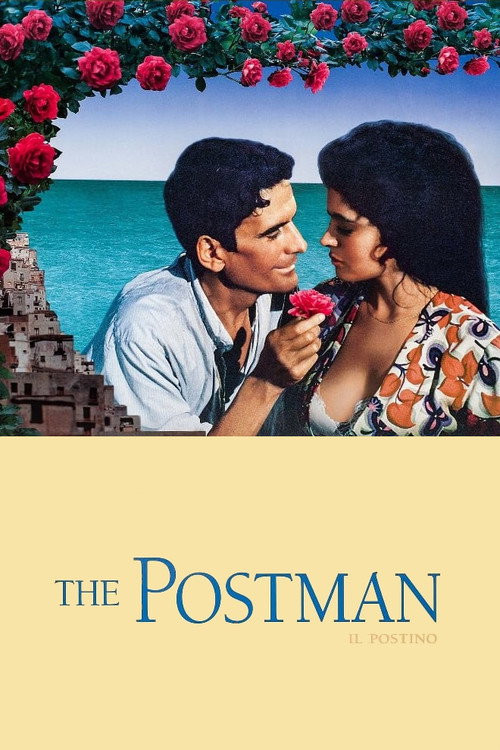
The Postman1994
A gentler, more romantic meditation on Neruda's life and work, built around a fictional friendship with a humble postman. It lets you experience the warmth and generosity people felt in his presence, and his poetry as a living force rather than historical artifact.
But Sentimental and slow-paced by modern standards. If you want political urgency and formal innovation, this film chooses lyrical beauty instead.
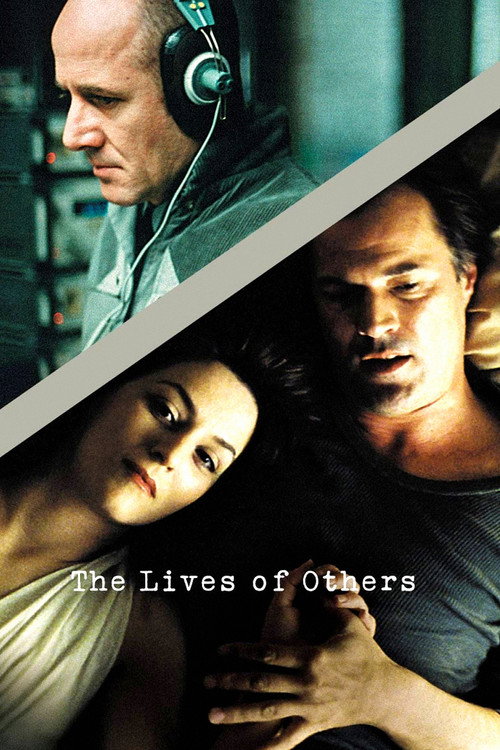
The Lives of Others2006
Another film built on the cat-and-mouse relationship between a state security officer and his target, but with devastating emotional stakes. It understands how surveillance erodes both pursuer and pursued, and how ideology can crack under the weight of a single human connection.
But German cinema of crushing moral seriousness. There's no levity here, and the pacing demands patience. Some find it bleak rather than cathartic.
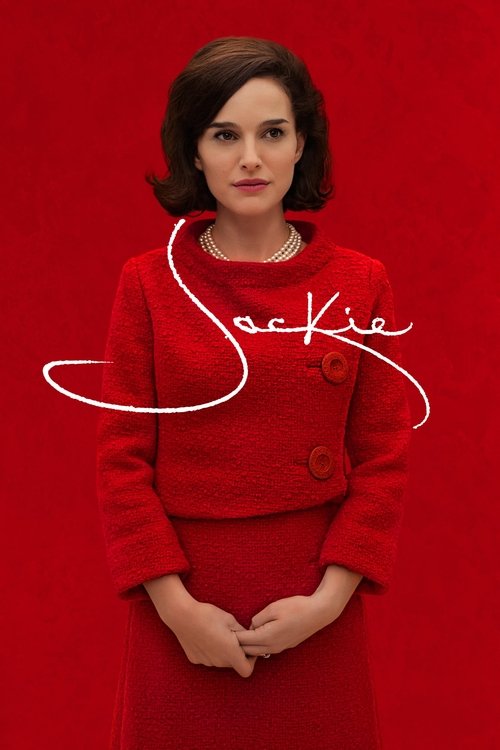
Jackie2016
Larraín's other 2016 film, also a formally inventive biography that refuses straightforward reverence. Jackie Kennedy becomes a woman in performance and private collapse. If you responded to Neruda's playfulness, this shows Larraín's range and his obsession with how public figures construct themselves.
But Emotionally heavy and fragmented in structure. Natalie Portman's whispered delivery, while brilliant, takes energy to follow. Not a comfortable film.
Not sure tonight? Get a pick in a minute, starting from Neruda
The wildcard
Something you would not have found on your own.
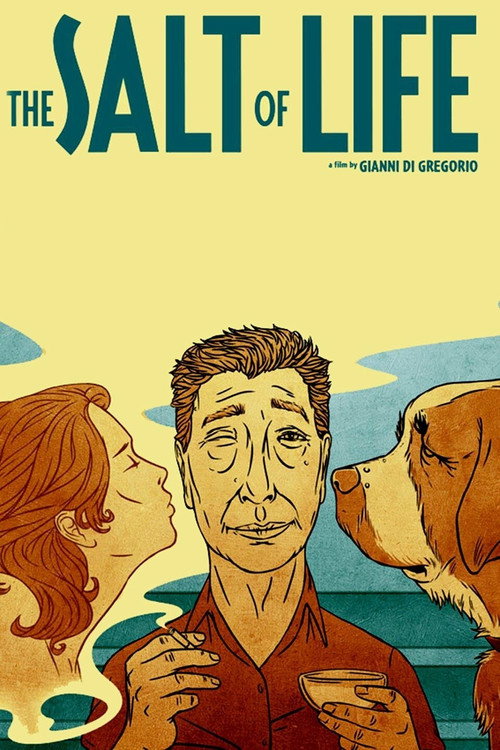
The Salt of Life2011
Both use aging male faces and formal beauty to explore how history and desire make someone unmoored from themselves. The hunter becomes as lost as the hunted.
Federico Fellini's last film, a dreamlike meditation on aging, desire, and the gap between self-image and reality. Shot in gorgeous color, it follows an older man trying to recapture romance while the city transforms around him. Both films use their lead actor as a mirror for historical displacement—Bernal's Peluchoneau haunted by Neruda the way Toni Servillo's character is haunted by his own past.
But Slowness bordering on stasis. Fellini is interested in surfaces and psychology, not plot. Requires patience and a taste for ambiguity about whether anything 'happens' at all.
More like this (8)
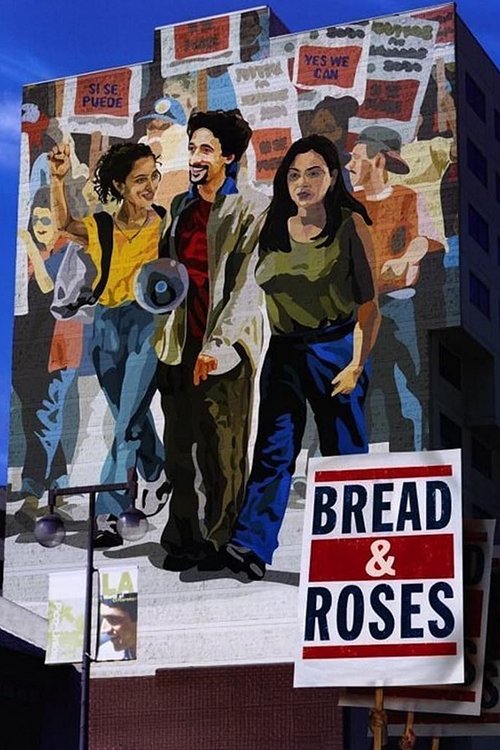
Bread and Roses2000
Ken Loach's film about immigrant workers organizing for dignity in Los Angeles. It shares Neruda's commitment to political poetry—to showing that ordinary people's struggles have epic dimensions. Angry but not shrill; human-scaled but consequential.
But Deliberately unglamorous filmmaking in service of an explicitly leftist argument. If you find didactic cinema annoying, this will feel preachy rather than moving.
A Prophet2009
Audiard's prison thriller about a young man learning power through observation and adaptation. Like Neruda, it's about survival through wit and understanding your enemy better than he understands himself. Tense, intelligent, riveting.
But Brutal prison violence and a bleak worldview. The moral landscape has no high ground—everyone compromises. Unrelenting intensity throughout.

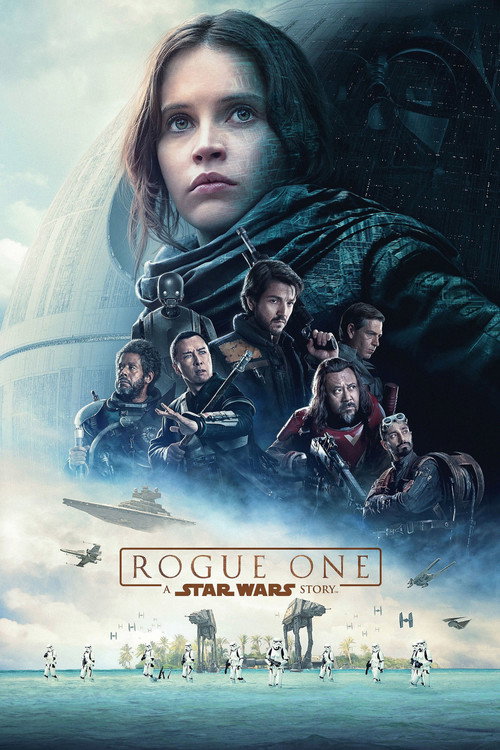
Rogue One: A Star Wars Story2016
Another 2016 film about hiding, fugitives, and the cost of resistance. Yes, really—it shares Neruda's interest in ordinary people outrunning a vast, paranoid state apparatus. The aesthetic is completely different, but the grammar of pursuit and hidden solidarity is the same.
But If you're exhausted by Star Wars or resistant to blockbusters, this won't convert you. The blockbuster scale might actually diminish interest in the political subtext.
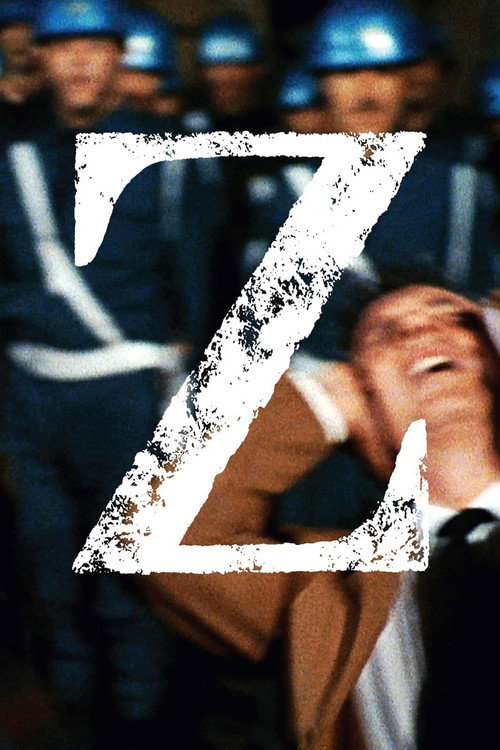
Z1969
Costa-Gavras' genre-defying political thriller about the assassination of a progressive politician and the state cover-up that follows. Shot as a propulsive mystery, it makes political corruption visceral. Both Neruda and Z use thriller mechanics to animate political argument.
But Made in 1969 and it shows—the editing and pacing belong to that era. The political specificity to Greece in that moment might feel distant. Aged rather than classic to some eyes.
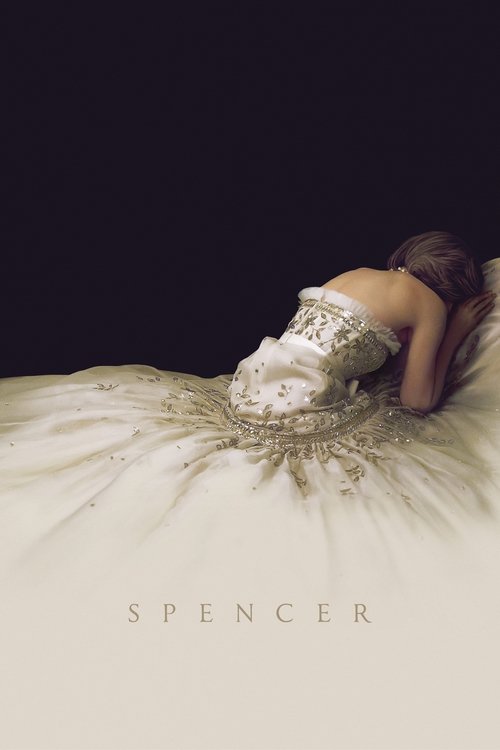
Spencer2021
Larraín's third formalist biography, about Princess Diana over a single Christmas weekend. He's clearly interested in how pressure and performance create fracture in the self. A companion piece to Neruda for understanding his directorial obsessions.
But Deliberately opaque and elliptical. Kristen Stewart gives a subtle performance some find luminous and others find blank. Not for people who want clear emotional beats.
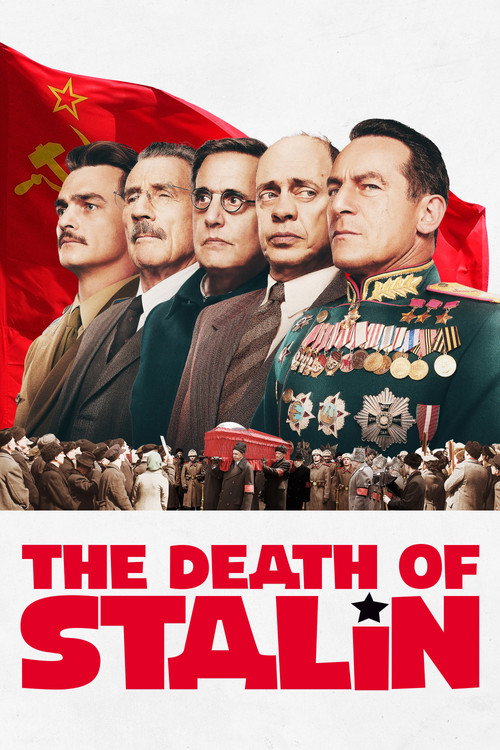
The Death of Stalin2017
Armando Iannucci's satirical take on the power struggle after Stalin's death. Black-and-white, darkly comic, about the machinery of state paranoia and how it consumes itself. Shares Neruda's formal playfulness in treating serious historical events.
But The satire is broad and sometimes crude. Some feel the comedy undercuts the gravity of real suffering. Fast British dialogue will test subtitle readers.
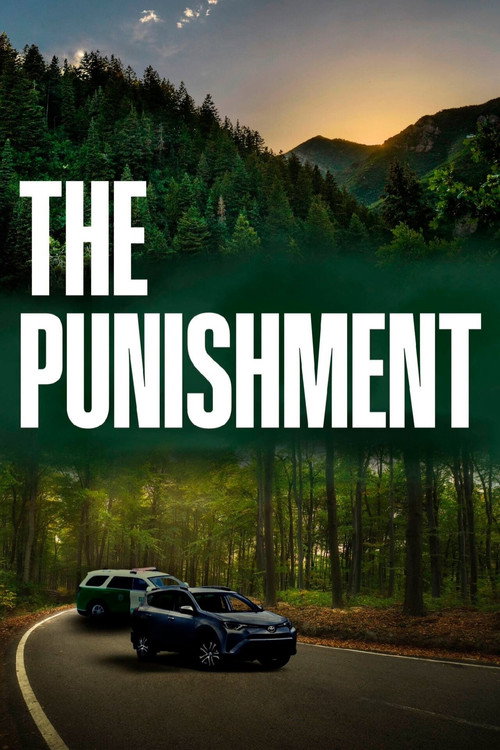
The Punishment2022
Latin American cinema examining the personal cost of political persecution. Both refuse to make the fugitive romantic—they show exhaustion, fear, and the erosion of identity.
An Argentinian film about a man navigating corruption and state violence under fascism, told through intimate family scenes rather than grand political gestures. Spanish-language cinema's particular strength is showing how totalitarianism operates through whispers and silences. Devastating without melodrama.
But Deliberately paced and internally focused. Things accumulate slowly. Bleak ending with no catharsis or clear resolution.
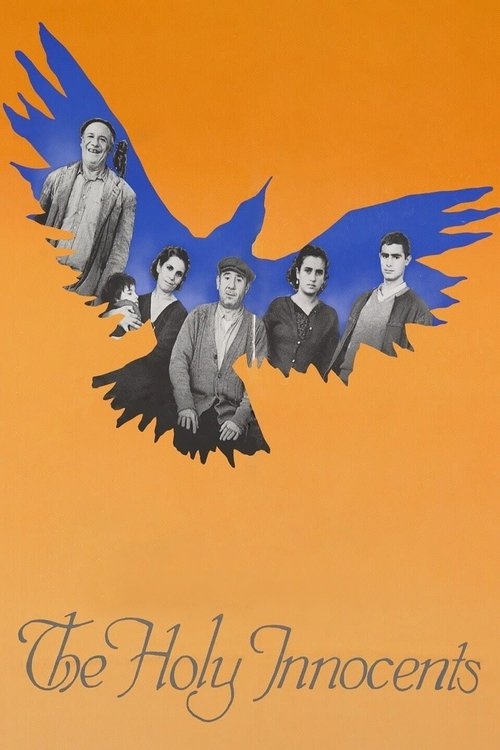
The Holy Innocents1984
Both are formally inventive films about state power and class in fascist/proto-fascist moments. Both use silence and visual composition rather than exposition. Both are about the annihilation of self that persecution requires.
A Spanish film in which a landowner and his servant navigate the power dynamics between them in the post-civil war silence. Black-and-white, formally meticulous, about how fascism operates through class and custom rather than spectacle. It's what Neruda becomes if you remove the intellectual heroism and show only damage.
But Wordless long passages. Spanish cinema of the transition period can feel hermetic. The cruelty is quiet, which some find more disturbing and others find slow.
People
Cast
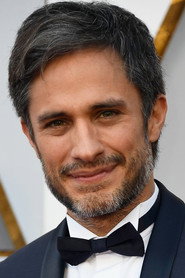 Gael García BernalOscar Peluchoneau
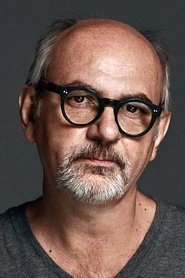 Luis GneccoPablo Neruda
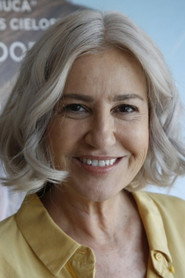 Mercedes MoránDelia del Carril
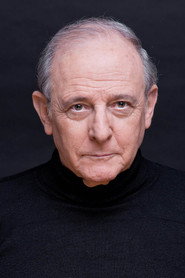 Emilio Gutiérrez CabaPicasso
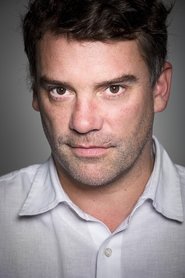 Diego MuñozMartínez
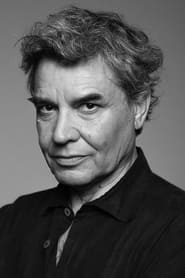 Alejandro GoicJorge Bellet
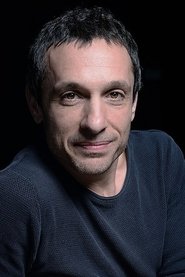 Pablo DerquiVictor Pey
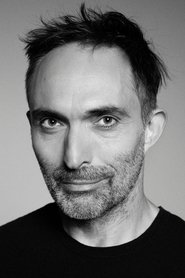 Marcelo AlonsoPepe Rodríguez
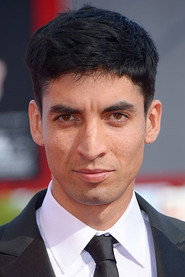 Michael SilvaÁlvaro Jara
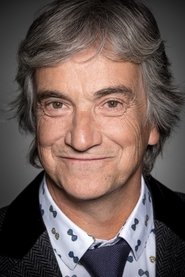 Francisco ReyesBianchi
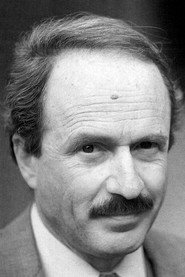 Jaime VadellJorge Alessandri
Directing
- Casandra CamposContinuity
- Pablo LarraínDirector
- Daniel Santa AnaOther
- María José DroguettSecond Assistant Director
- Waldo SalgadoSecond Second Assistant Director
- Sebastián RadicSecond Unit Director
Writing
- Guillermo CalderónScreenplay
- Eliseo AltunagaScript Consultant
Production
- Moira MillerCasting Director
- Mariane HartardExecutive Producer
- Rocío JadueExecutive Producer
- Eduardo CastroLine Producer
- Nicolás San MartínLocation Assistant
- Horacio DonosoLocation Manager
- Axel KuschevatzkyProducer
- Renan ArtukmacProducer
- Pablo PintoProduction Assistant
- Eduardo CastroProduction Director
- Alejandro WiseProduction Manager
- Lorena PenjeanResearcher
- Pierre-Axel Vuillaume-PrézeauUnit Production Manager