
Film
The Holy Innocents
- Social drama
- Slow-burning
A devastating portrait of rural Spanish servitude in the 1960s. Paco and his family labour on an estate where they're treated as less than human by their landowners. It's a film of quiet fury and crushing helplessness—no melodrama, no catharsis, just the daily weight of dignity stolen. For anyone ready to sit with real pain and witness injustice without easy answers.
Should you watch it?
Watch it if you lean toward slow, observant social dramas where injustice piles up through ordinary routines, and where a few small tendernesses matter more than any speech.
Skip it if you need momentum and plot turns, because this is bleak and patient, and its cruelty is quiet and routine, which can be hard to sit through.
What it asks of you: At just under two hours it moves at the pace of field work, with long takes and quiet days, and the weight builds gradually rather than arriving in scenes.
Not sure? Find tonight's pick in a minute.
If you liked this
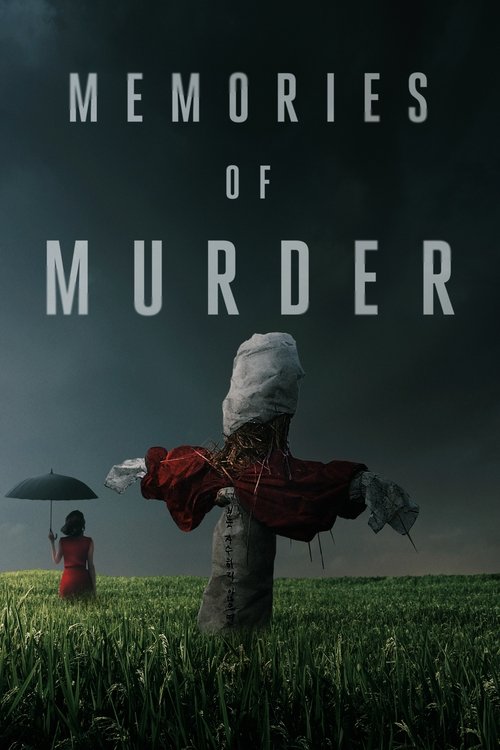
Memories of Murder2003
A Korean masterpiece about obsession and injustice that shares The Holy Innocents' moral clarity and refusal to offer comfort. Bong Joon-ho's direction is propulsive where Saura is still, but both films burn with the same quiet rage at systems that protect the powerful.
But Slower and more fragmented than a conventional thriller; the investigation meanders deliberately, and the ending will frustrate anyone expecting closure.
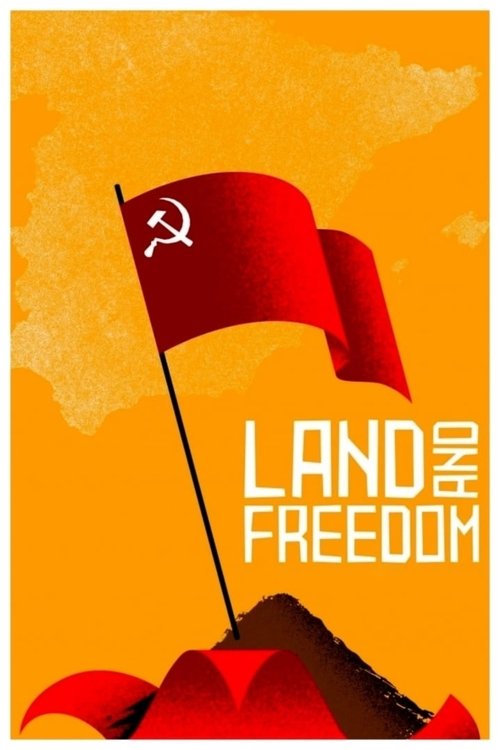
Land and Freedom1995
Ken Loach's film about Spanish idealism during the Civil War explores the same landscape and the same question: how do ordinary people survive under systems designed to crush them? It's Loach at his most human and least didactic.
But The political framework might feel heavy-handed if you're not patient with it. Some passages are slow enough to test your attention.
Bicycle Thieves1948
Vittorio De Sica's neorealist classic does what The Holy Innocents does: watches poverty and powerlessness with absolute clarity and profound tenderness. Both films trust you to feel without being told how to feel.
But Nothing happens in the way modern cinema trains you to expect. There's no plot twist, no triumph. It's just a man and his son, and the world is indifferent.

Not sure tonight? Get a pick in a minute, starting from The Holy Innocents
The wildcard
Something you would not have found on your own.
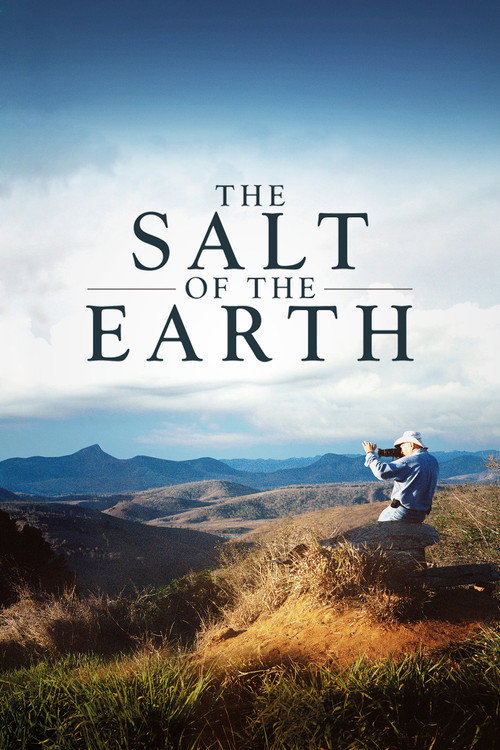
The Salt of the Earth2014
Both are obsessed with how dignity persists in systems designed to erase it. Both insist on looking directly, without sentimentality.
Wim Wenders' documentary about photographer Sebastião Salgado turns the camera away from labour and toward the photographer who witnesses it. Salgado spent decades photographing the dispossessed—migrants, miners, the rural poor. Where The Holy Innocents is fiction about voicelessness, this is witness testimony about what it costs to document it.
But It's long, meditative, and requires you to sit with photographs of real suffering. The connection between beauty and exploitation can feel uncomfortable, and Wenders doesn't resolve that tension.
More like this (8)
Stalker1979
Tarkovsky's meditative film about desire and meaning unfolds at the speed of life itself. Like Saura, he photographs submission and yearning in the smallest gestures—a glance, a breath—and makes them monumental.
But At 163 minutes, patience becomes the price of admission. The philosophical pacing will lose anyone looking for conventional drama.

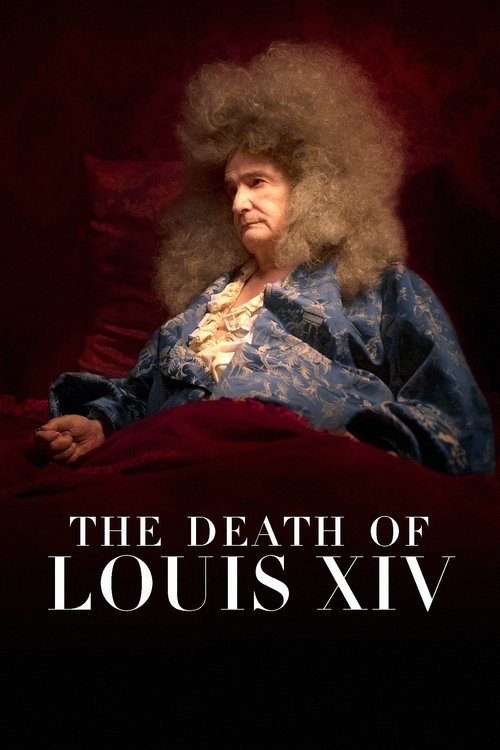
The Death of Louis XIV2016
Albert Serra's film watches a man's body and authority fail in real time, with the same unflinching gaze Saura turns on his characters. Both films are fascinated by how power operates and how it crumbles.
But It's essentially a man lying in a room dying for two hours. If you need plot momentum or emotional manipulation, this will feel like nothing is happening.
Come and See1985
Elem Klimov's Soviet war film is another descent into a system's inhumanity. Where The Holy Innocents shows slow erosion, this shows annihilation, but both unflinch from the cost of being powerless in a cruel world.
But This is visceral and traumatizing in ways The Holy Innocents isn't. The violence is explicit and the despair is suffocating.

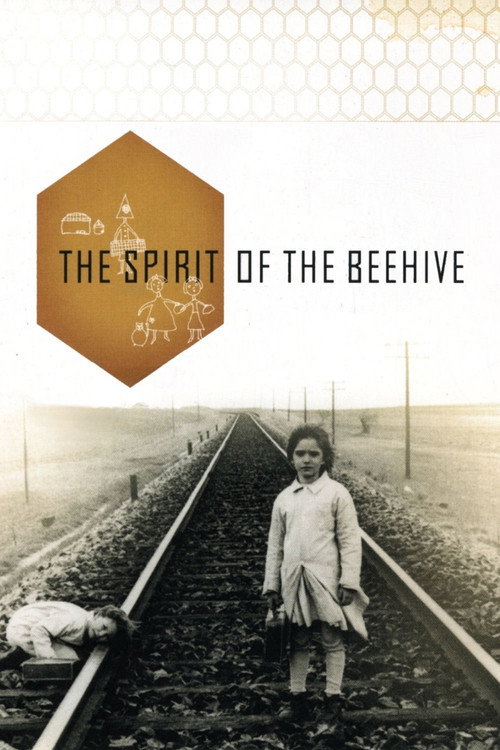
The Spirit of the Beehive1973
Another Spanish masterpiece from the Franco era. Víctor Erice's film is quieter than The Holy Innocents but equally haunting, using a child's perspective to capture how authoritarianism infiltrates everyday life.
But Plot barely exists. It's mood and imagery and silence. If you need narrative propulsion, you'll find it opaque.
Winter Light1963
Bergman's film about faith collapsing is built from close-ups and conversation, the way The Holy Innocents is built from labour and submission. Both ask what's left when hope dies.
But Relentlessly bleak, formally austere, and set almost entirely in one location. Not a film that offers pleasure, only necessity.

The Turin Horse2011
Béla Tarr's final film, in black and white, watches a man and woman live through the end of things. Like The Holy Innocents, it's about the daily indignity of survival and the slow collapse of meaning.
But It's genuinely difficult—repetitive, hypnotic, and devoid of conventional emotion. Some will find it profound; others will find it a chore.

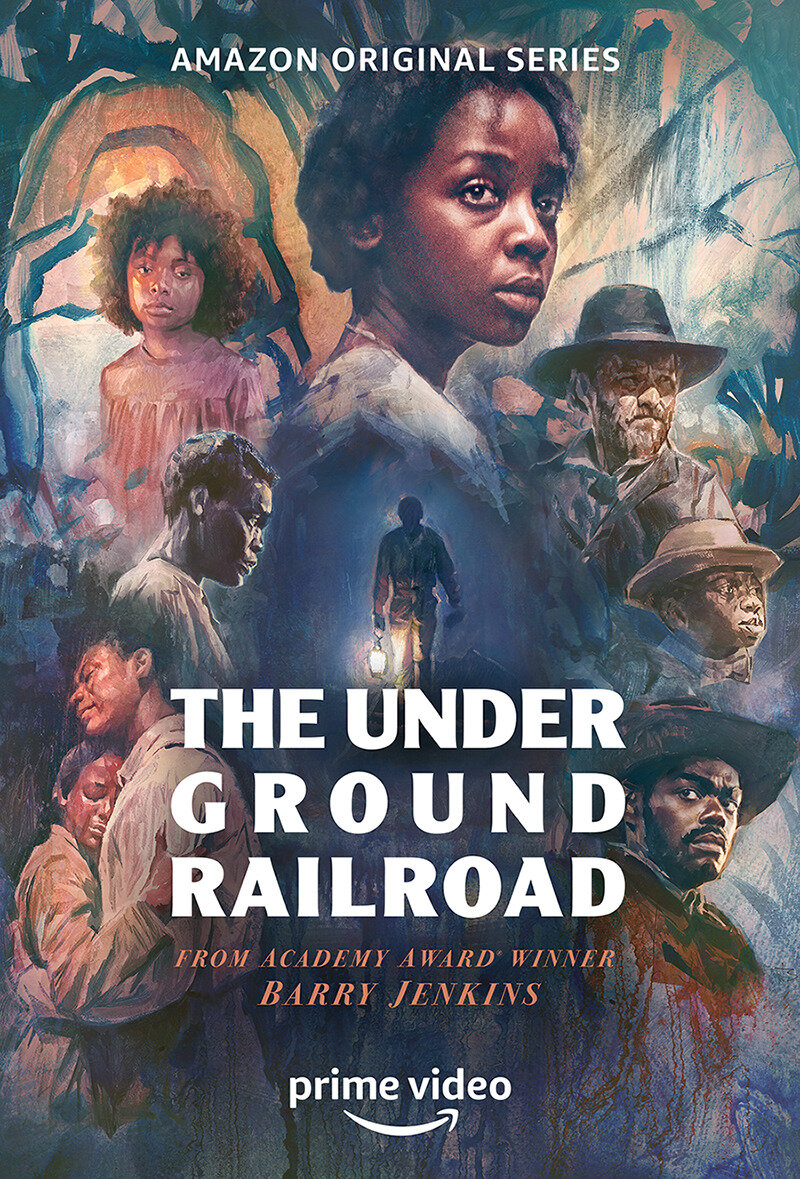
The Underground Railroad2021
Both refuse the comfort of conventional narrative to show how power works on the body and soul. Both understand that realism alone cannot capture the psychological damage of systematic oppression.
Barry Jenkins' miniseries adapts Colson Whitehead's novel into something baroque and dreamlike—a visual feast about American slavery that uses color, genre-shifting, and magical realism to tell a story about systems of captivity. It's formally radical in ways The Holy Innocents isn't, but it asks the same question: how do human beings survive dehumanization?
But The surrealism and visual experimentation will alienate viewers looking for historical realism. It's sometimes more concerned with mood than clarity, and that can feel obscure.
La Haine1995
Both are about young men with no escape route, watching the world confirm that people like them don't matter. Both use long takes and naturalistic performance to make the everyday feel unbearable.
Mathieu Kassovitz's black-and-white film about three young men in the Paris suburbs in 24 hours is angry where The Holy Innocents is quiet, but it shares the same understanding: that the system doesn't require overt brutality when indifference works just as well. It's a Molotov cocktail of a film.
But It's dated in its references and sometimes relies on type rather than character. The rage can overshadow nuance, and the ending provokes more than it consoles.

People
Cast
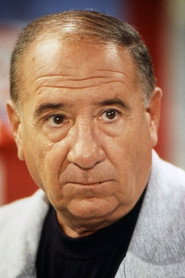 Alfredo LandaPaco, El Bajo
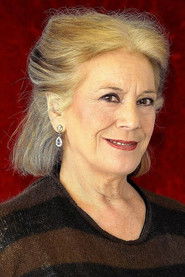 Terele PávezRégula
- Belén BallesterosNieves
- Juan SachezQuirce
- Susana SánchezLa Niña Chica
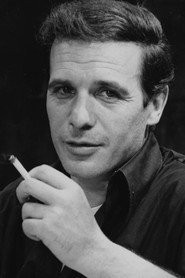 Francisco RabalAzarías
 Ágata LysDoña Pura
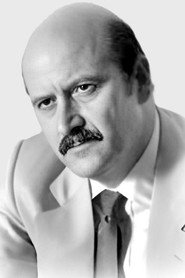 Agustín GonzálezDon Pedro
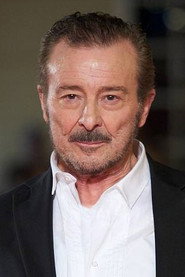 Juan DiegoSeñorito Iván
 Mary CarrilloSeñora Marquesa
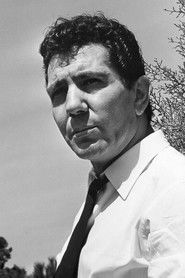 José GuardiolaSeñorito de la Jara
 Manuel ZarzoDon Manuel, el doctor
Directing
- Azucena RodríguezAssistant Director
- Benito RabalAssistant Director
- Walter PrietoAssistant Director
- Mario CamusDirector
- Marisa IbarraScript Supervisor
Writing
- Miguel DelibesNovel
- Antonio LarretaScreenplay
- Manolo MatjiScreenplay
- Mario CamusWriter
Production
- Julián MateosProducer
- Andrés SantanaProduction Manager