
Film
Red Sorghum
Zhang Yimou's debut is a ravishing, violent love story set in 1930s rural China. A widow and her lover seize a sorghum winery and build something approaching utopia—until Japanese occupation forces them into resistance. Operatic in scope, sensual and brutally frank, it's cinema as physical experience: color, music, desire, and blood. For viewers hungry for something visually alive.
Should you watch it?
Watch it if you want a vivid, earthy saga where folk ritual, sensual color and sudden violence sit side by side, and you don't mind a story that plays more like a legend than a tidy plot.
Skip it if you need a steady narrative spine, since this drifts through episodic, mythic scenes and its romance and rebellion are told in fragments rather than clear cause and effect.
What it asks of you: Settle in for a brisk ninety-one minutes, but expect the mood to swing from sweeping, sun-soaked beauty to sudden brutality, with little time spent catching your breath.
Not sure? Find tonight's pick in a minute.
If you liked this
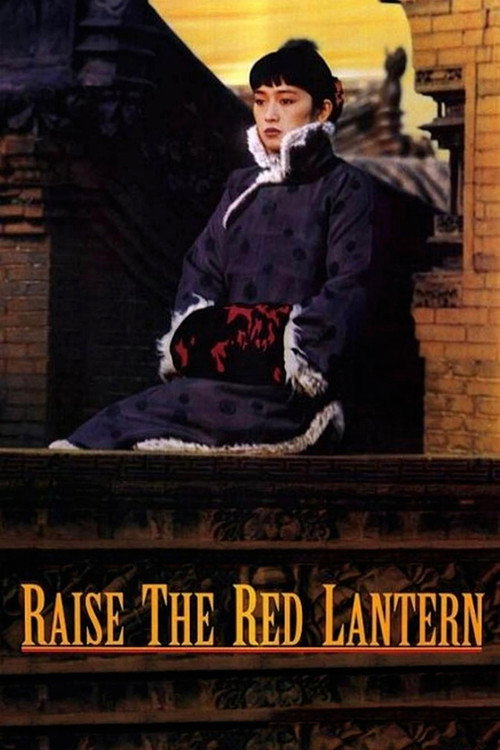
Raise the Red Lantern1991
Another Yimou-Gong Li collaboration exploring power, desire, and female agency within brutal constraint. Equally sumptuous and claustrophobic, with the same painterly control of color and space that makes Red Sorghum intoxicating.
But The pacing is glacial by design, and the enclosed world can feel suffocating rather than compelling if you're not in the mood for deliberate formal precision.
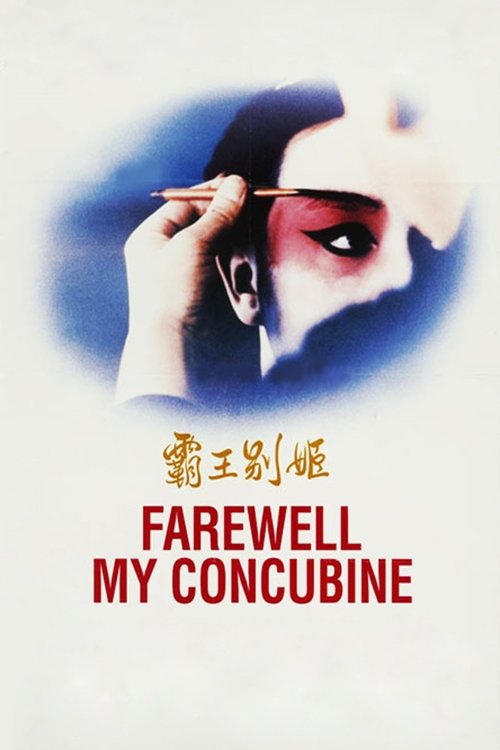
Farewell My Concubine1993
Chen Kaige's masterpiece spans decades of Chinese history through the eyes of two Peking Opera stars. It has Red Sorghum's sweep and sensuality, with similarly complex feelings about love, duty, and survival under occupation.
But At three hours and dealing with sexuality and political betrayal in ways that upset authorities, it's demanding. The emotional wounds don't close cleanly.
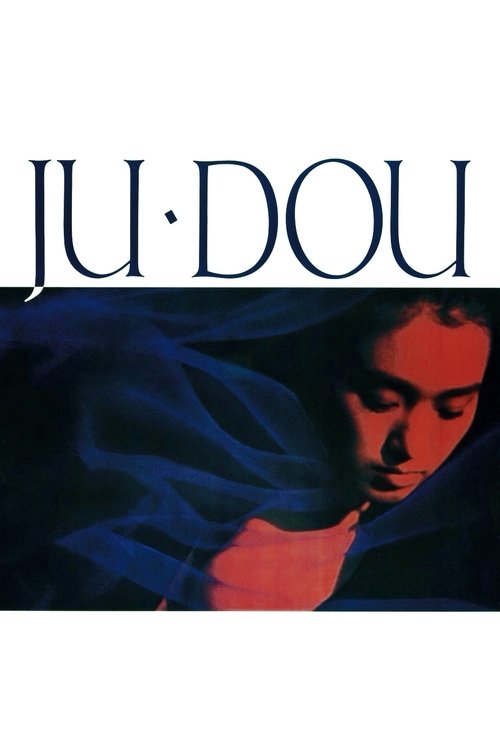
Ju Dou1990
Another Yimou work with Gong Li, exploring forbidden desire in a feudal dye factory. It shares Red Sorghum's combination of visual rapture, eroticism, and the slow-burn tragedy of people trapped by circumstance and tradition.
But The story turns toward melodrama, and some viewers find the symbolic weight heavier than the human truth underneath it.
Not sure tonight? Get a pick in a minute, starting from Red Sorghum
The wildcard
Something you would not have found on your own.
Come and See1985
Both use the natural world and sensory richness to show how war violates and transforms everything it touches, including those who survive it.
Elem Klimov's Soviet masterpiece about a boy soldier witnessing the Nazi invasion of Belarus. Like Red Sorghum, it refuses to separate beauty from violence, using landscape and color as a character. Both films treat war as a force that unmakes the human.
But This is one of cinema's most harrowing experiences—relentlessly graphic and emotionally devastating. Many viewers find it unwatchable.

More like this (8)
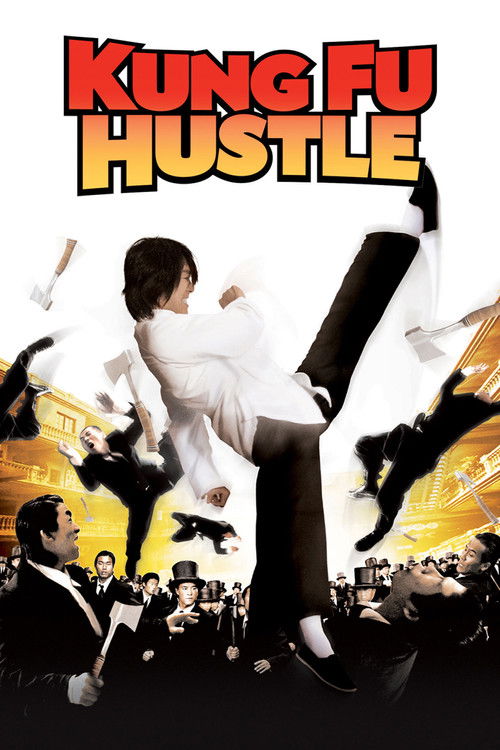
Kung Fu Hustle2004
Stephen Chow's action-comedy has Red Sorghum's anarchic energy and refusal to stay in one emotional register. It's playful where Yimou is grave, but both films are alive with movement, color, and characters who feel fully alive.
But The tonal whiplash from slapstick to ultraviolence may feel like it's undercutting the stakes rather than enriching them.
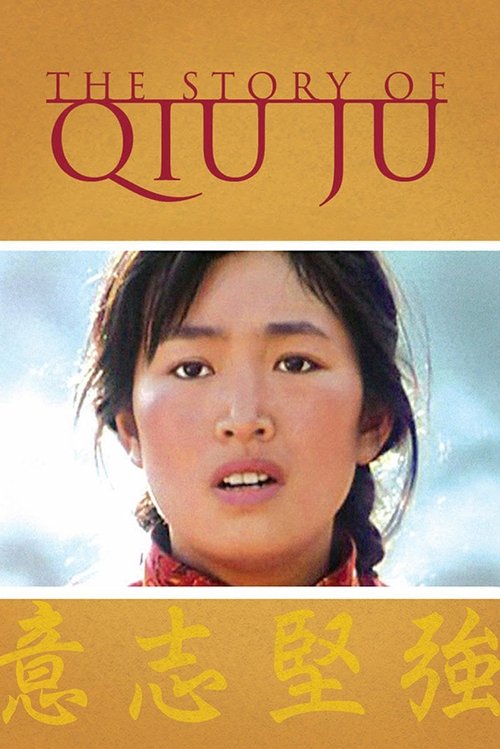
The Story of Qiu Ju1992
Zhang Yimou again, this time following a rural woman pursuing justice through labyrinthine bureaucracy. Like Red Sorghum, it finds moral complexity in everyday survival and female resilience, but with documentary realism instead of operatic beauty.
But The deliberate pace and unglamorous setting will feel like a step down if you're watching for Red Sorghum's sensual intensity.
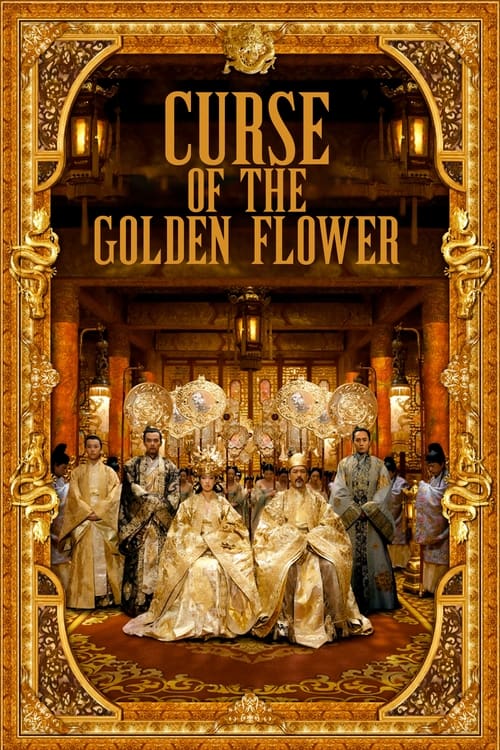
Curse of the Golden Flower2006
Yimou's most visually baroque work: a palace thriller drenched in golds and reds. If you loved Red Sorghum's use of color as emotion, this takes that impulse to its limit—gorgeous and overwhelming.
But The plot can feel secondary to the visual spectacle, and the excess may read as style overwhelming substance.
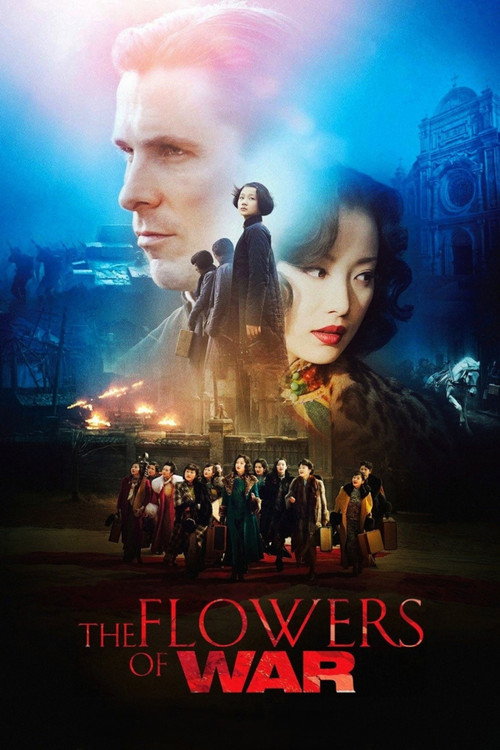
The Flowers of War2011
Christian Bale and a Chinese ensemble cast during the Nanjing massacre. Yimou's most overtly political work, it shares Red Sorghum's merging of intimate human drama with historical atrocity, asking what heroism looks like under impossible pressure.
But The tonal shifts between tragedy and melodrama jar; some scenes feel manipulative rather than earned.
A Prophet2009
Jacques Audiard's prison film has Red Sorghum's intensity and refusal to sentimentalize. Two men build something like love in a dehumanizing system; the film watches with unflinching precision as circumstances erode and transform it.
But It's French, subtitled, confined to a prison, and offers no catharsis. The bleakness will exhaust some viewers.

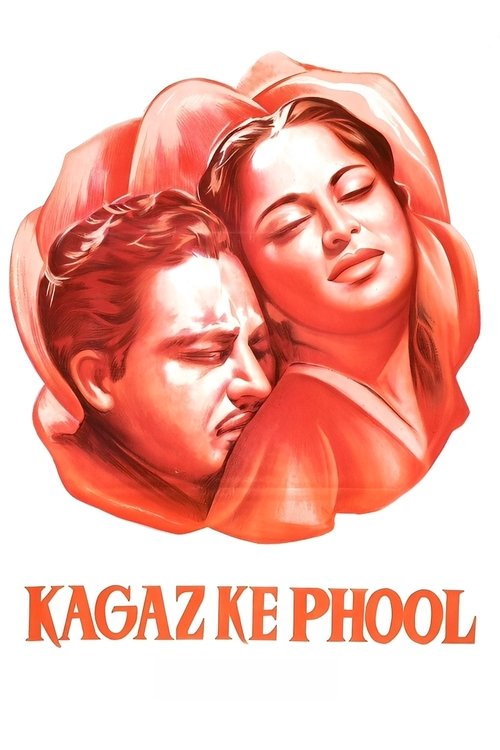
Kaagaz Ke Phool1959
Guru Dutt's Bollywood melodrama about a director and his muse—a story of desire thwarted by circumstances and ego. It has Red Sorghum's romanticism and its willingness to let passion and tragedy intertwine without resolution.
But The gender dynamics and the director's treatment of the female lead may feel dated or uncomfortable to modern viewers.
Pandora's Box1929
Both center a woman of magnetic appeal whose desire becomes inseparable from the chaos and violence around her, and both ask whether she bears responsibility for the destruction that follows.
G.W. Pabst's silent German masterpiece: a woman whose sexual power destabilizes every man who encounters her, leading inexorably toward tragedy. Decades earlier, it explores the same territory—female desire as dangerous, redemptive, doomed—with an erotic charge that feels shockingly modern.
But It's silent, it's 95 years old, and its portrait of sexuality is complicated by the era's attitudes. The pacing will test modern viewers' patience.

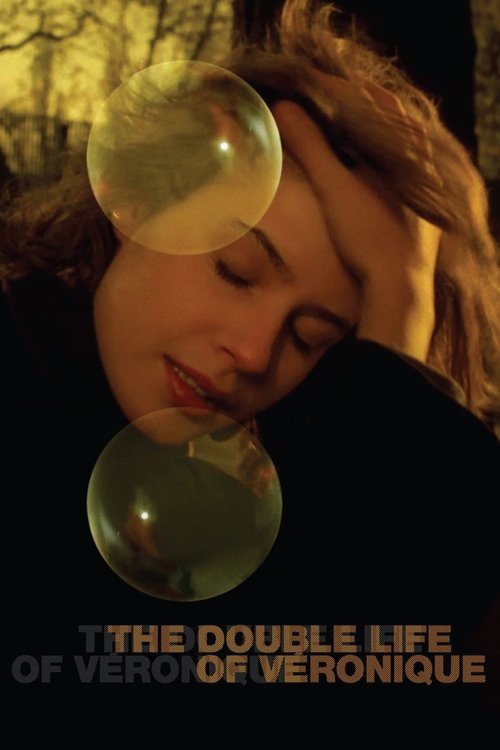
The Double Life of Véronique1991
Both films use visual poetry—color, light, repetition—to express states of feeling that dialogue cannot reach, making the camera itself an instrument of intimacy.
Krzysztof Kieślowski's rapturous puzzle about two women, one life split across borders. It has Red Sorghum's obsession with color and sensation as a language, and its belief that cinema can express desire and connection beyond words.
But The narrative is deliberately cryptic and the pacing meditative. If you need plot clarity and forward momentum, this will feel precious and obscure.
People
Cast
 Gong LiJiu'er

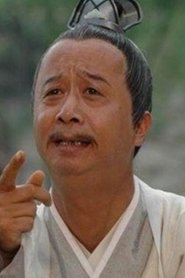
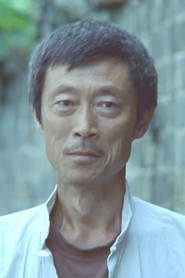 Teng RujunUncle Luohan
- Liu JiJiu'er's Son
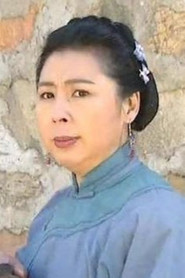
- Qian MingJiu'er's Grandmother
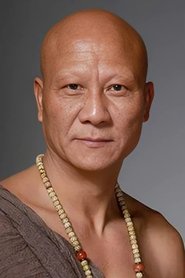 Ji ChunhuaSanpao
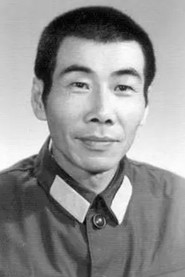 Zhai ChunhuaHu Er
Directing
- Yang FengliangAssistant Director
- Zhang YimouDirector
Writing
- Mo YanNovel
- Chen JianyuWriter
- Li KezhiWriter
- Zhu WeiWriter
Production
- Wu TianmingProducer