
Film
Curse of the Golden Flower
- Period drama
- Very dark
A Tang dynasty thriller where an emperor's iron grip on power extends into the palace itself, poisoning family bonds alongside bodies. Chow Yun-Fat and Gong Li navigate baroque court intrigue and sudden violence in Zhang Yimou's visually overwhelming melodrama—think *Macbeth* remade as a champagne-colored fever dream. For anyone who loves costume drama to be absolutely operatic.
Should you watch it?
Watch it if you love palace intrigue staged as opera, where every costume, colour and corridor carries the pressure, and you don't mind melodrama pitched at full volume.
Skip it if you want subtle, understated acting or a quiet, human-scale story, since the performances and emotions here are big, loud and often theatrical.
What it asks of you: Settle in for just under two hours of dense family rivalries and lavish, lingering set pieces, where you need to track who stands with whom at every banquet.
Not sure? Find tonight's pick in a minute.
If you liked this
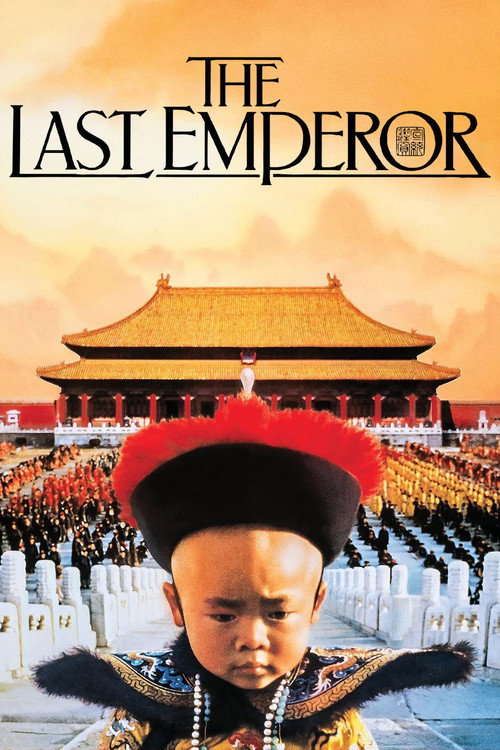
The Last Emperor1987
Bernardo Bertolucci's epic about the final Qing emperor captures the same claustrophobic palace machinery and the rot beneath silk and ceremony. Sweeping, intimate, historically grounded in ways that let you float on the visuals.
But Three and a half hours, and Bertolucci's pacing can feel glacial compared to Zhang Yimou's kinetic intensity. Not a swashbuckler.
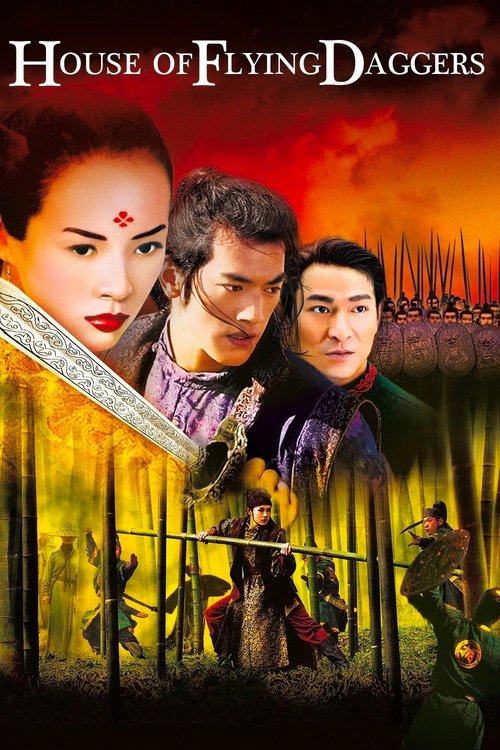
House of Flying Daggers2004
Zhang Yimou again, just two years earlier, with impossible romance tangled into political conflict. The fight choreography and colour work share DNA with *Curse*, but this one prioritizes heartbreak over family betrayal, and it moves.
But The plot turns hinge on contrivances that ask you to believe several things in quick succession. Requires suspension of disbelief that not everyone brings to the table.
In the Mood for Love2000
Wong Kar-wai's Hong Kong masterpiece is also about desire, secrecy, and the impossibility of escape within confined spaces. Less violent than *Curse*, but just as preoccupied with yearning and the weight of protocol. Visual poetry every frame.
But It's slow, very slow. Plot is minimal. If you need narrative momentum, this will feel like watching someone's daydream in real time.

Not sure tonight? Get a pick in a minute, starting from Curse of the Golden Flower
The wildcard
Something you would not have found on your own.
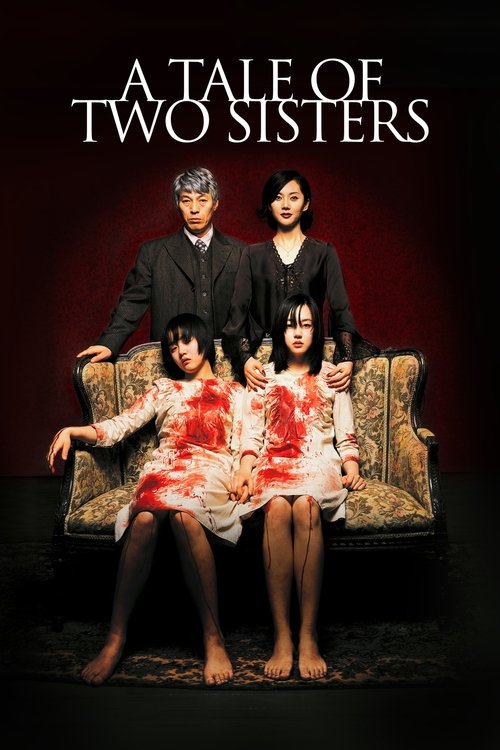
A Tale of Two Sisters2003
Both films weaponize family bonds and use palatial interiors (palace and mansion) to explore how the people closest to us can become threats. Beauty is no refuge—it's where the poison lives.
Kim Jee-woon's Korean horror about two sisters and the dark secrets of family. It shares *Curse*'s preoccupation with betrayal within the home, the poisoning of intimacy, and the collapse of trust—but through a supernatural lens that makes the psychological horror explicit. Beautiful and devastating.
But It's a horror film with a genre twist that divides viewers. The ending recontextualizes everything and some people feel the rug was pulled from under them rather than realizing they'd been standing on water all along.
More like this (7)
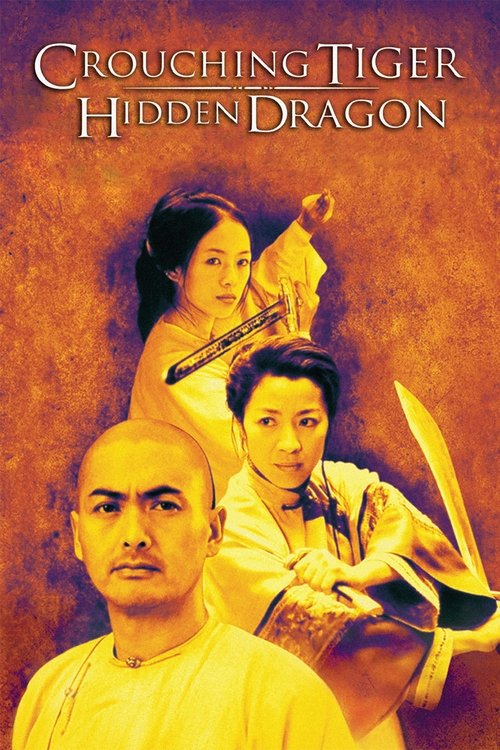
Crouching Tiger, Hidden Dragon2000
Ang Lee's wuxia operates in the same register of romance, honour, and hidden violence. The bamboo forest sequences hit some of the same emotional notes as *Curse*'s court intrigue, and it's endlessly rewatchable.
But The English dubbing is rough if you use it. Watching dubbed wuxia feels like watching someone dance to the wrong song. Subtitles are better but add cognitive load.
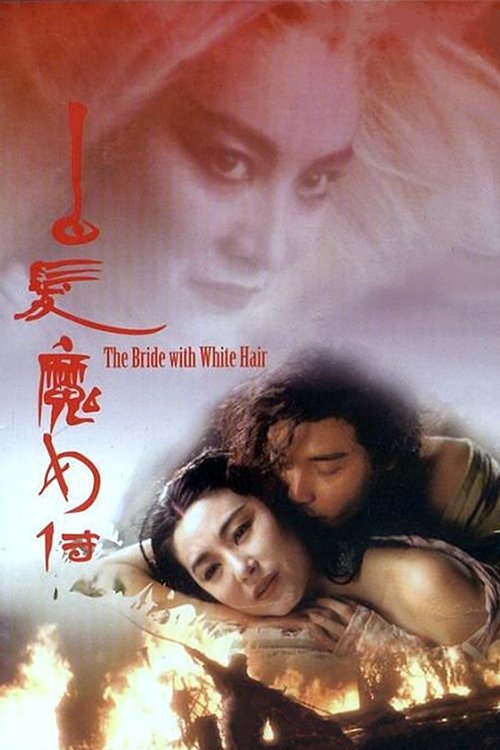
The Bride with White Hair1993
A supernatural wuxia love story where romance and violence are indistinguishable, and beauty is weaponised. Ronny Yu's operatic excess mirrors Zhang's visual maximalism, and the emotional devastation is real despite the fantasy trappings.
But The subtitles have aged badly, the plot can feel overstuffed, and it's campy in ways that undercut the tragedy. You have to meet it on its own emotional frequency.
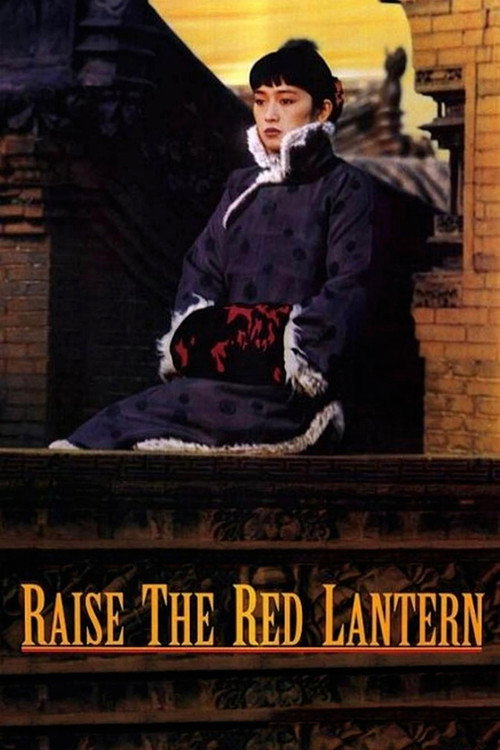
Raise the Red Lantern1991
Zhang Yimou's own masterpiece about another trapped woman in a hierarchical household. If *Curse* fires your blood, this will chill it. Same director, same obsession with colour, confinement, and the machinery of male power. Essential.
But It's bleak and methodical. There's no catharsis, only slow suffocation. Some people find that ending punishing rather than profound.
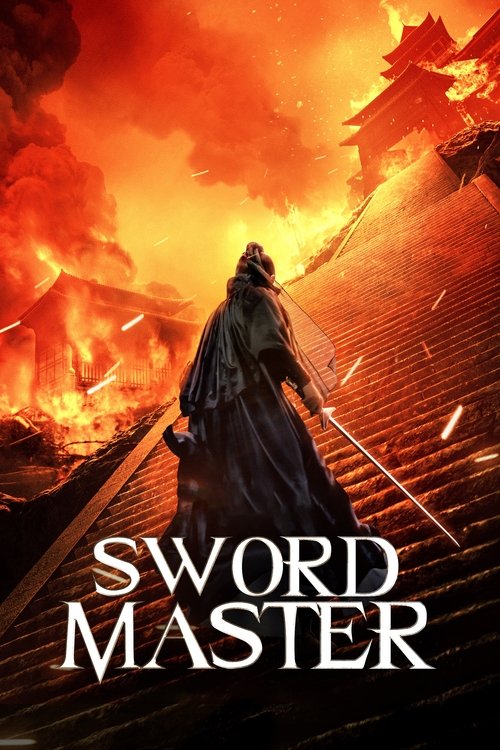
Sword Master2016
Derek Yee's wuxia has the same ornate violence and court politics as *Curse*, but stranger and more philosophical. A forgotten gem that respects the genre while asking harder questions about power and legacy.
But It's deliberately paced and won't satisfy you if you want constant action. Also genuinely difficult to find in the West, even on streaming.
Red Cliff2008
John Woo's epic about the Battle of Red Cliff has massive scale and operatic emotion. The political manoeuvring and betrayals mirror *Curse*'s palace dynamics, translated into military strategy. Spectacular in the best sense.
But Nearly five hours across two films, and the subtitles can be clumsy. American releases are cut down, which blunts the effect. Finding the full version takes effort.
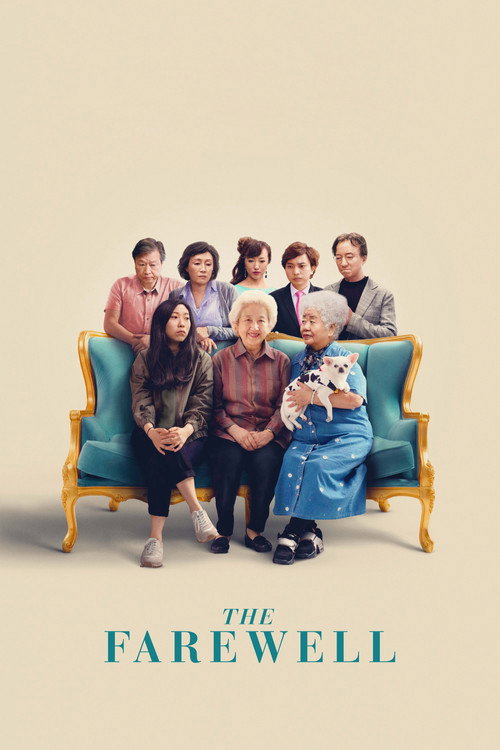
The Farewell2019
Both explore what it means to be bound by family legacy and unspoken rules. Both have a protagonist trapped by love and obligation. One solves it through violence; the other through a kind of tender surrender. Opposite poles of the same question.
Lulu Wang's film about a Chinese family gathering to hide a terminal diagnosis is intimate where *Curse* is grandiose, contemporary where it's historical—but equally concerned with how obligation, duty, and family hierarchy can trap you. It's a chamber drama about the weight of inheritance (cultural and emotional). Funny, devastating, alive.
But If you're looking for spectacle and martial arts, this will feel like an abrupt left turn into quietness. Some viewers find the humour at odds with the stakes. It requires emotional vulnerability, not adrenaline.
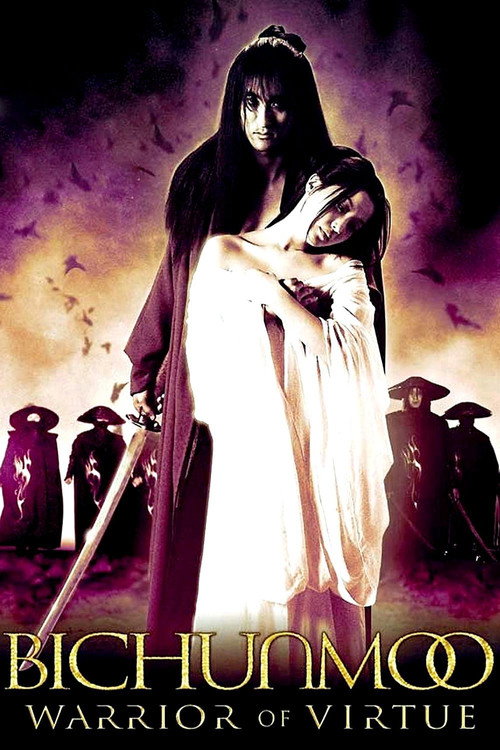
Out Live2000
Like *Curse*, it fuses wuxia action with intimate betrayal, and uses a woman at the centre of a power structure as its moral centre. But where *Curse* is about corruption from within, *Bichunmoo* is about the impossibility of love under pressure. Same DNA, different emotional register.
A Korean wuxia where impossible romance between an empress-raised woman and a warrior unfolds against court betrayal and poisoning. Lush, weird, operatic in a different key—the relationships are more tender than *Curse*'s dynastic warfare, but the visual richness and the sense of doom are kindred.
But It's frankly a bit of a cult film. Pacing is uneven, the subtitles can be unreliable, and it won't be on most streamers. Also commits fully to its melodrama in ways that can feel dated if you're not in the mood.
People
Cast
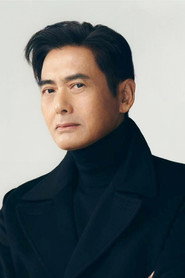 Chow Yun-FatEmperor Ping
 Gong LiEmpress Phoenix
 Jay ChouPrince Zhai
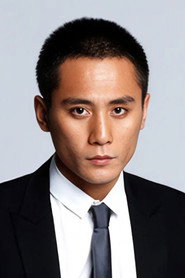 Liu YeCrown Prince Wan
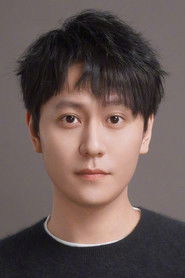 Qin JunjiePrince Yu
 Li ManJiang Chan
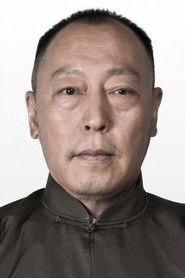 Ni DahongImperial Physician Jiang
 Chen JinImperial Physician's Wife
 Siran GeMaid
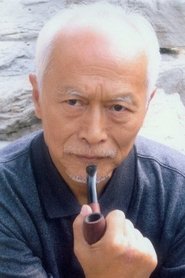 Guo JiulongHost of the Festival
 Ma TianyuMedicine Boy
 Feng BaiSoldier
Directing
- Zhang YimouDirector
Writing
- Yu CaoAuthor
- Bian ZhihongScreenplay
- Zhang YimouScreenplay
- Wu NanWriter
Production
- Bill KongProducer
- Ronald WongProducer
- Zhang WeipingProducer
Recommended by
Hero, House of Flying Daggers, Red Cliff, Painted Skin, The Great Wall, Jade Dynasty, The Warlords, Red Sorghum, Donkey Skin, Painted Skin: The Resurrection, Thunderbolt Fantasy, Bodyguards and Assassins, Revenge of the Kung Fu Master, Puli