
Film
Donkey Skin
Jacques Demy's Donkey Skin is a baroque fairy tale musical that treats dark material—incest, disguise, exile—with whimsy and visual splendour. Shot like a fever dream in jewel-box colours, it's theatrical and absurd without being silly. For anyone who loves the artifice of old cinema, this is pure enchantment.
If you liked this
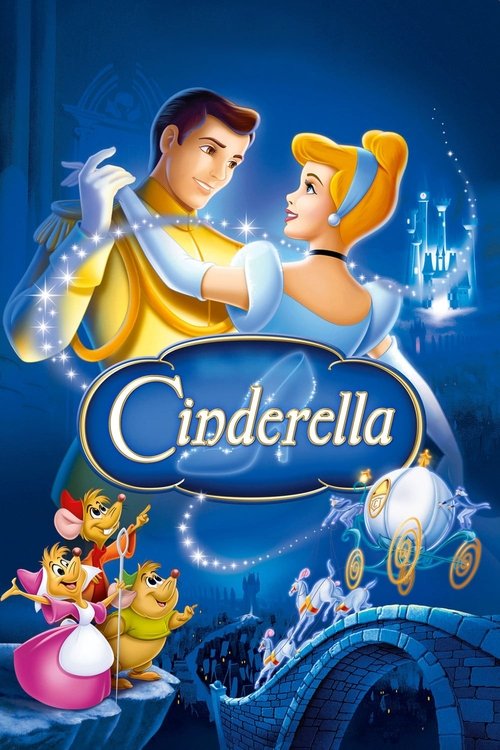
Cinderella1950
Disney's animated classic has the same dream-logic and emotional clarity Demy admired. It's a masterclass in using design and music to make impossible things feel inevitable and true.
But If you're looking for subversion or modern sensibilities, you'll find neither. This is earnest and straightforward in a way that can feel thin if you're not in the mood.
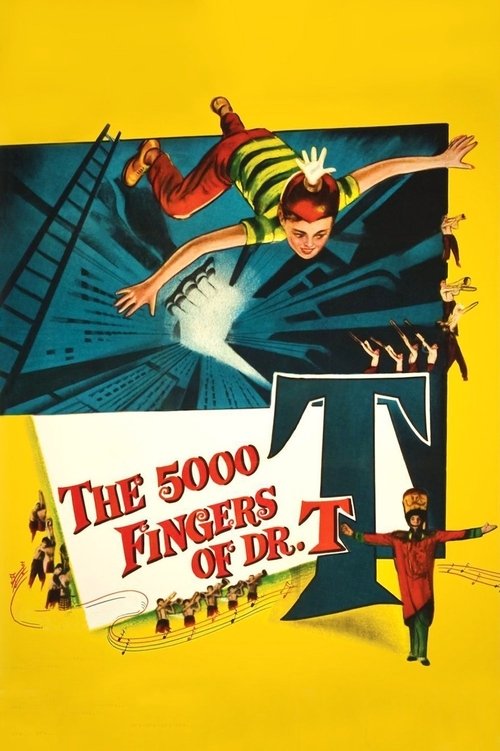
The 5,000 Fingers of Dr. T.1953
Seuss and a Hollywood studio let loose on a children's fantasy, it's a nightmarish musical playground. Surreal, unhinged, and completely sincere—the closest thing to Demy's strangeness in American cinema.
But The gender politics are queasy, and the pacing is odd. Some scenes overstay their welcome and the tonal whiplash isn't always in service of the story.
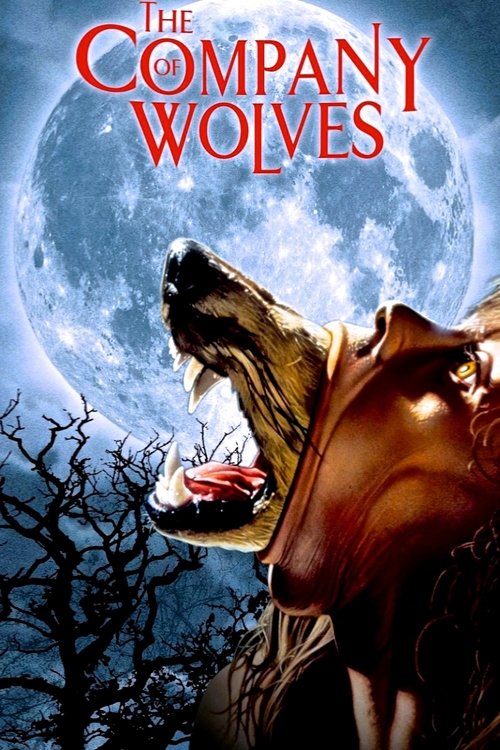
The Company of Wolves1984
Neil Jordan takes fairy tales seriously as vessels for desire and danger, layering dream-logic and sumptuous Gothic atmosphere. It has Demy's willingness to be strange and sensual without apology.
But It's erotic and violent in ways that will put off anyone looking for gentleness. The narrative is deliberately fragmented and some will find it pretentious.
Not sure tonight? Get a pick in a minute, starting from Donkey Skin
The wildcard
Something you would not have found on your own.
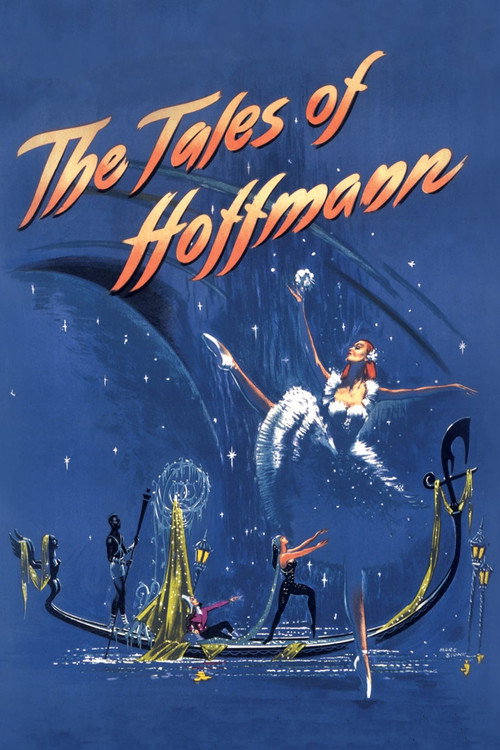
The Tales of Hoffmann1951
Both are films that refuse to compromise the visual or theatrical imagination for the sake of plot. They're operas filmed as fairy tales, where design and music are the point.
Powell and Pressburger's operatic fantasy is pure cinema as dream—no plot, just sensation and colour and music. Three impossible love stories told through dance and design. It shares Donkey Skin's commitment to artifice as truth.
But It's nearly two hours of abstraction without psychological realism. The dancing and staging can feel mannered and if you need character development, you'll find none.
More like this (8)
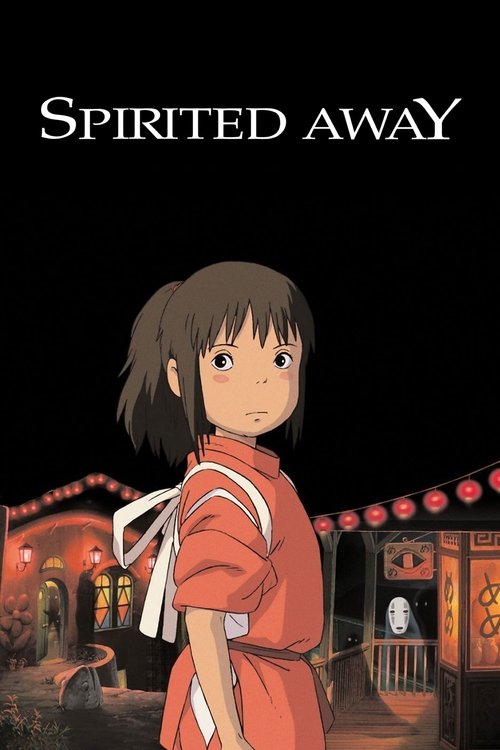
Spirited Away2001
Miyazaki's masterpiece captures that same dreamlike command of colour and transformation. A young woman navigating a magical realm of predatory logic—the fairy tale bones are identical.
But It's gorgeously complex but nearly two-and-a-half hours long. The plot can feel labyrinthine and some viewers find it overwhelming rather than enchanting.
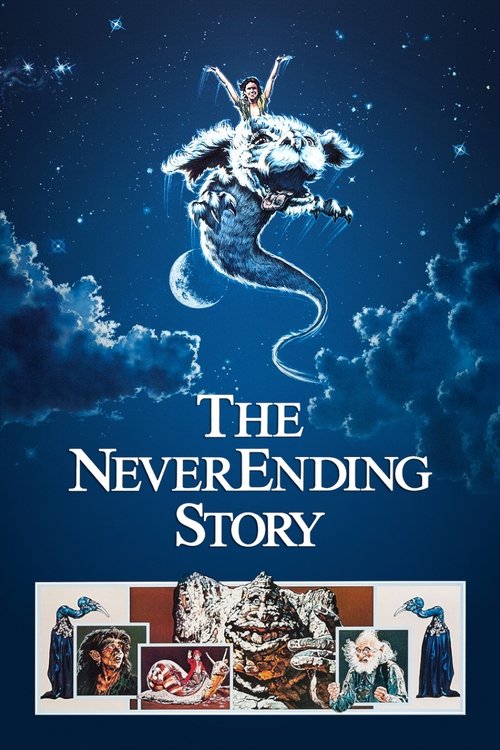
The NeverEnding Story1984
A film about stories saving the world, made with practical effects and genuine wonder. It has the baroque imagination and emotional sincerity that makes Donkey Skin work.
But The eighties design hasn't aged well for everyone. And there's a schmaltzy streak that works if you surrender to it, but feels manipulative if you don't.
The Seventh Seal1957
Bergman's medieval allegory is a distant cousin—it takes fairy-tale logic seriously and uses stark visual composition to make the symbolic feel urgent and real. Different mood, same gravity.
But It's bleak and philosophical, austere rather than lyrical. If you want magic and colour, this goes the opposite direction and rewards patience more than pleasure.

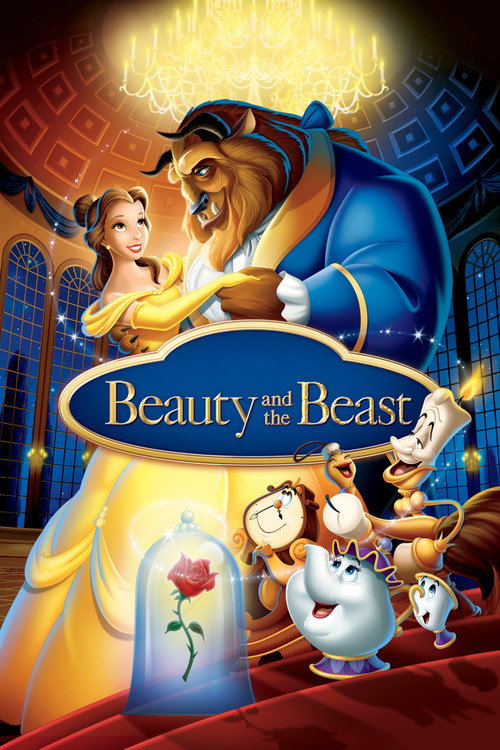
Beauty and the Beast1991
Disney's musical adaptation of another French fairy tale, it catches some of Demy's theatrical artificiality while updating the emotional stakes. The production design is genuinely sumptuous.
But It's safer and more sentimental than Donkey Skin. Some of the songs feel rote and the romance can read as Stockholm syndrome if you're in a skeptical mood.
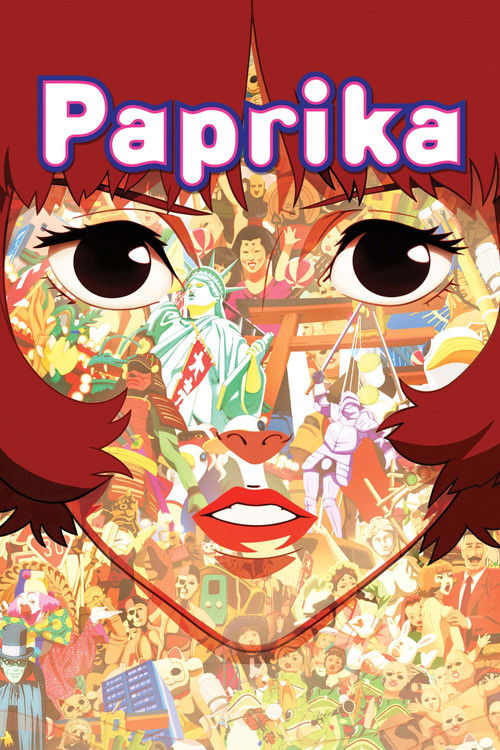
Paprika2006
Kon's anime fever dream has Demy's intoxicating visual logic—impossible transformations, dream-reality collapse, colour used as emotion. It's baroque and joyfully uncontainable.
But It's abstract and sometimes incoherent by design. The plot dissolves in the third act and if you're looking for narrative clarity, you'll find only beautiful confusion.
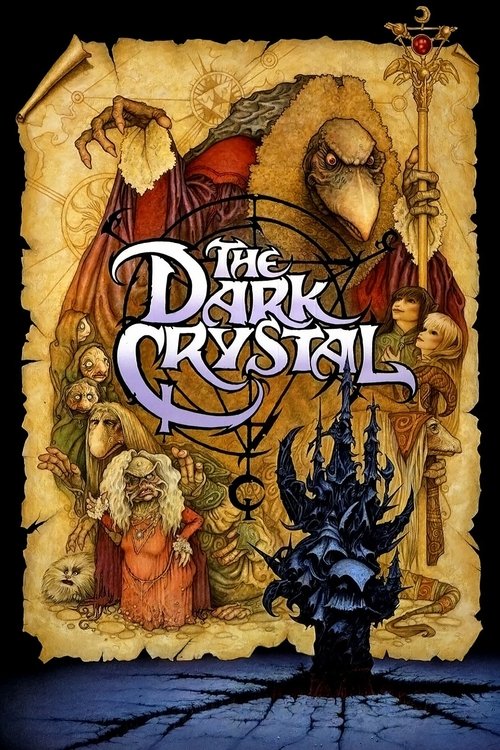
The Dark Crystal1982
A dark, operatic fantasy built from puppets and imagination. It has genuine strangeness and takes its ornate mythology seriously without winking at the audience.
But The puppetry can feel slow and the story is genuinely bleak. There's no emotional warmth, only craft and atmosphere, which some will find cold.
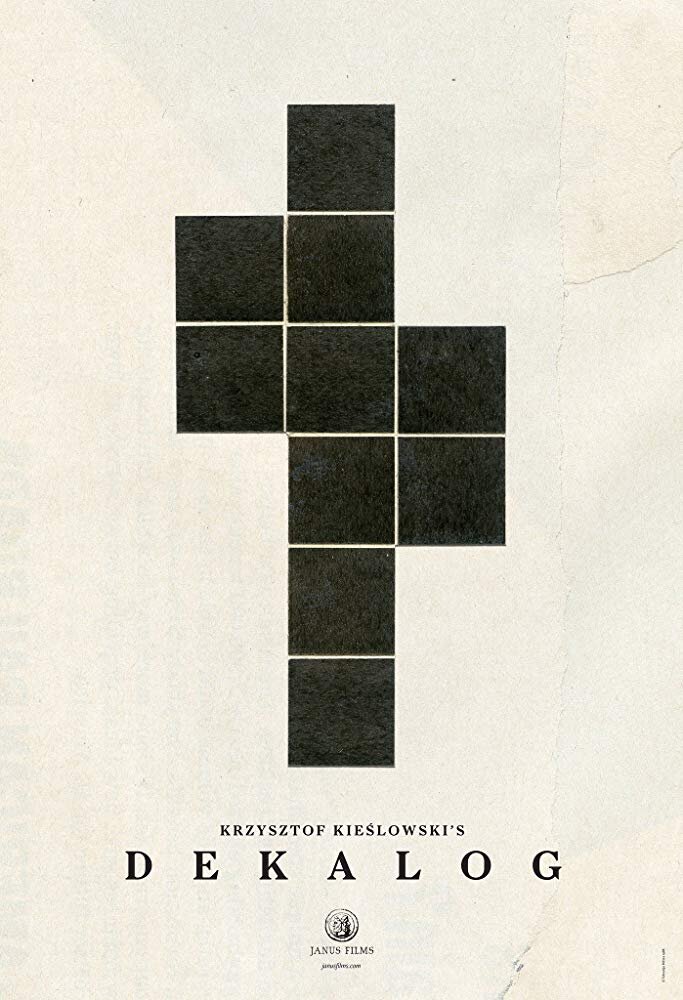
Dekalog1989
Both use heightened artifice—one gaudy, one austere—to make abstract ideas (duty, desire, consequence, identity) concrete and inescapable. Both understand that constraints breed clarity.
Ten short films by Kieślowski, each a modern meditation on the Ten Commandments. They're precise and emotionally devastating but filmed with restraint—the opposite register from Donkey Skin but operating on the same principle that fairy tales are about moral absolutes.
But They're bleak, slow-paced examinations of suffering. There's no joy or music. If you want Donkey Skin's aesthetic pleasure, this offers only intellectual and spiritual weight.
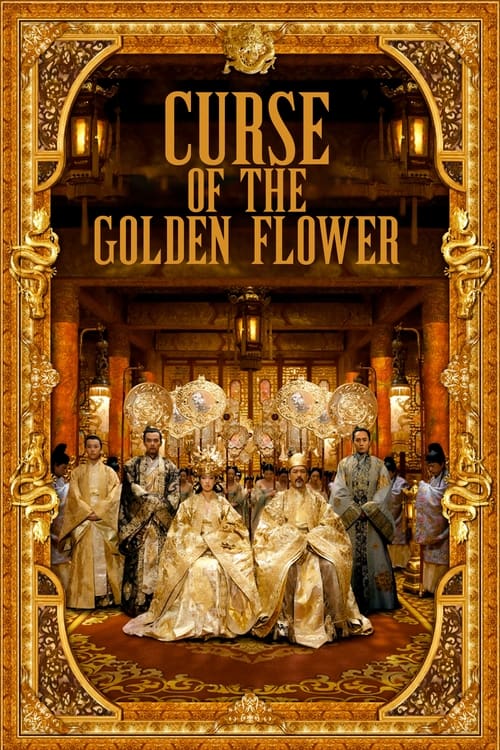
Curse of the Golden Flower2006
Both filmmakers use costume, colour, and formal mise-en-scène to make family pathology beautiful and watchable. Both prove that the grotesque and the gorgeous are neighbours, not opposites.
Zhang Yimou's Tang Dynasty tragedy in poisonous golds and crimsons. It's operatic, sensual, and visually overwhelming—more Demy than Demy. A family romance built on betrayal and incest, told through colour and choreography.
But It's a slab of gorgeous set design with a thin plot underneath. The English subtitles can feel clunky and the melodrama is so extreme it borders on unintentional comedy.
People
Cast
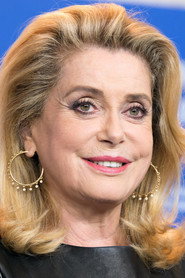 Catherine DeneuvePrincess 'Donkey Skin'/ The Queen
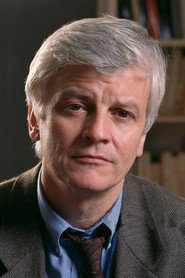 Jacques PerrinPrince Charming
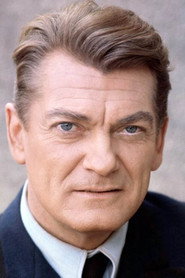 Jean MaraisThe King
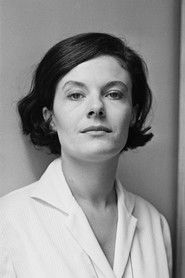 Delphine SeyrigThe Fairy
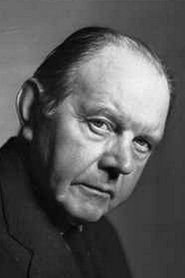 Fernand LedouxThe Red King
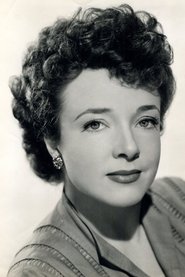 Micheline PresleThe Red Queen
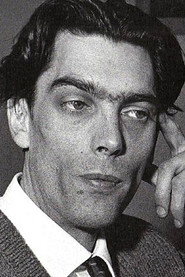 Sacha PitoëffThe Prime Minister
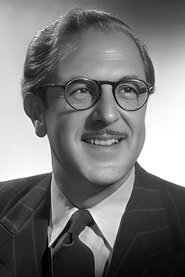 Henri CrémieuxThe Chief Doctor
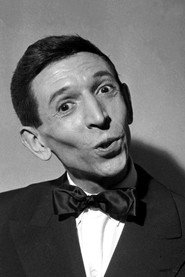 Pierre ReppThibaut
 Louise ChevalierThe Old Farmer
 Patrick PréjeanAllard
 Michel DelahayeThe Second Minister
Directing
- Jacques DemyDirector
- Annie MaurelScript Supervisor
Writing
- Jacques DemyLyricist
- Charles PerraultNovel
- Jacques DemyScreenplay
Production
- Mag BodardProducer
- Alain FranchetProduction Assistant
- Jean LefeureProduction Assistant