
Film
Francis
- Absurdist comedy
- Magical realism
- Light-hearted
A charming 1950 fantasy-comedy where a WWII officer insists his Army mule can talk—and he's right. Donald O'Connor carries the film with physical comedy and genuine warmth, playing a man caught between military protocol and an impossible friendship. It's sweet rather than hilarious, designed for family viewing, and pleasantly strange in a way only Golden Age Hollywood could manage.
Should you watch it?
Watch it if you enjoy a gentle absurdist comedy where a straight-faced soldier's refusal to back down about a talking mule gets funnier the more the brass insist he is mad.
Skip it if you find the idea of a talking animal wearing thin fast, or want a comedy with sharper edges and more modern pacing than this brisk, old-fashioned studio picture offers.
What it asks of you: It asks for ninety-one brisk minutes of mostly indoor talk, with gags arriving steadily, and a willingness to take its premise completely seriously.
Not sure? Find tonight's pick in a minute.
If you liked this
Singin' in the Rain1952
O'Connor at his physical comedy peak, in a film that matches Francis's blend of charm, spectacle, and pure joy. A musical that feels alive in every frame, impossible not to smile through.
But If you find classic Hollywood musicals slow or theatrical, the style will feel dated. The plot is gossamer-thin.

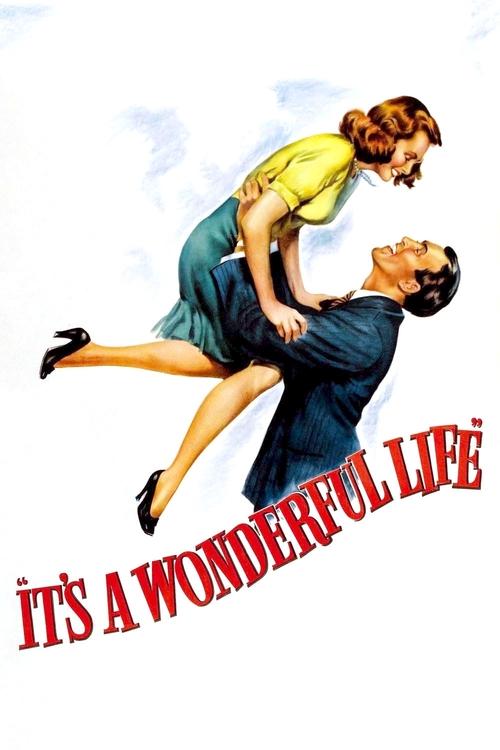
It's a Wonderful Life1946
Same warmth and earnestness as Francis, but deeper. A story about being heard and mattering, told with humor and heart. James Stewart makes the ordinary miraculous in ways that linger.
But The sentimentality can feel heavy-handed now. It's been repackaged as Christmas schmaltz so often the original impact is hard to find.
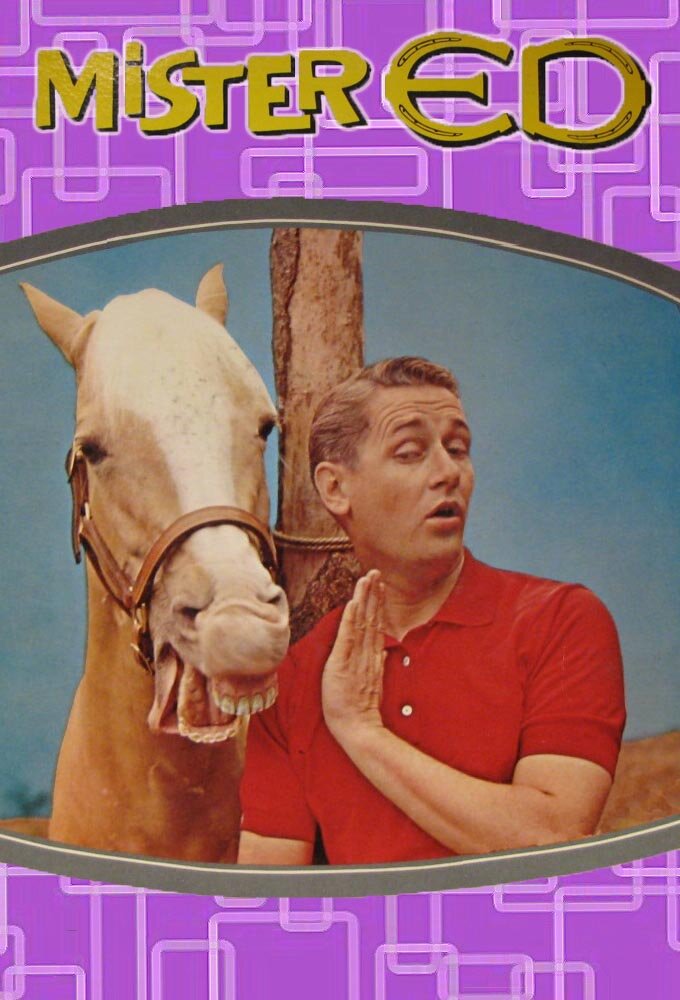
Mister Ed1961
The spiritual successor to Francis—a talking horse comedy, but adapted for television. Simpler, breezier, and the chemistry between Alan Young and the horse is genuinely funny. Pure comfort viewing.
But Extremely of its era. The humor is gentle to the point of inertness by modern standards, and plots repeat.
Not sure tonight? Get a pick in a minute, starting from Francis
The wildcard
Something you would not have found on your own.
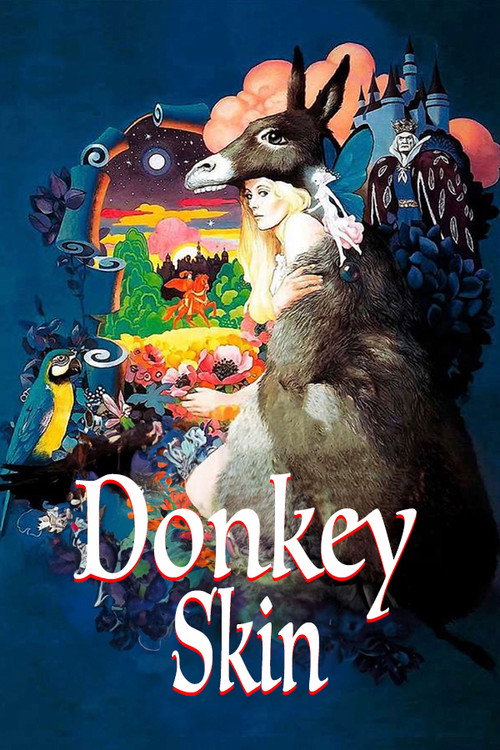
Donkey Skin1970
Both treat impossible animal-human communication as fact, not joke. Both use it to explore loneliness and being misunderstood, but where Francis opts for charm, Donkey Skin goes baroque and beautiful.
Jacques Demy's surreal fairy tale where a princess transforms into a donkey, told in vivid primary colors with a soprano singing the story. Visual poetry and genuine strangeness—Francis's DNA filtered through Cocteau and fever dream logic. Hypnotic rather than funny, but equally committed to the premise of talking animals as reality.
But In French with subtitles, deeply weird, and the logic is emotional rather than narrative. You must accept that nothing needs explaining.
More like this (8)
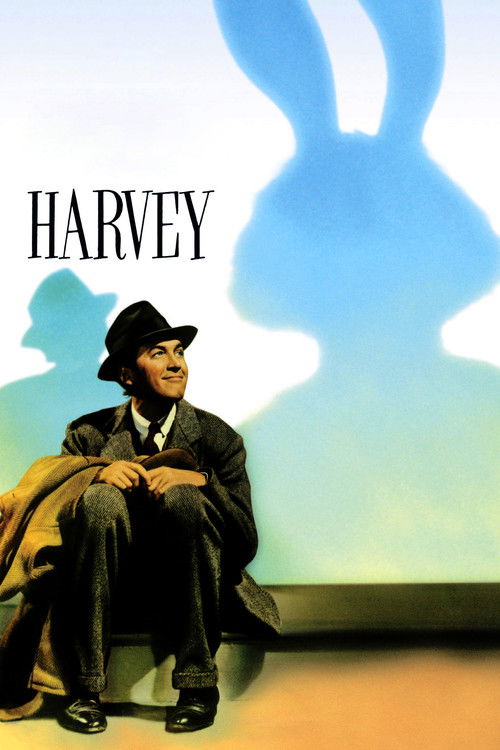
Harvey1950
Released the same year as Francis and exploring identical territory: a man insists his invisible companion is real, and the comedy comes from everyone else's skepticism. James Stewart is perfect, the script is whip-smart, and it works as both fantasy and satire.
But The pacing drags in the middle act. Some of the period humor lands softer now than it would have then.
The Philadelphia Story1940
Sophisticated screwball comedy with real feeling underneath. Cary Grant, Katherine Hepburn, and James Stewart create magic, and the script is endlessly quotable. Proof that comedy can be intelligent and warm at once.
But The tone is arch and theatrical. If you're looking for naturalism or modern dialogue, this is a period piece in every sense.

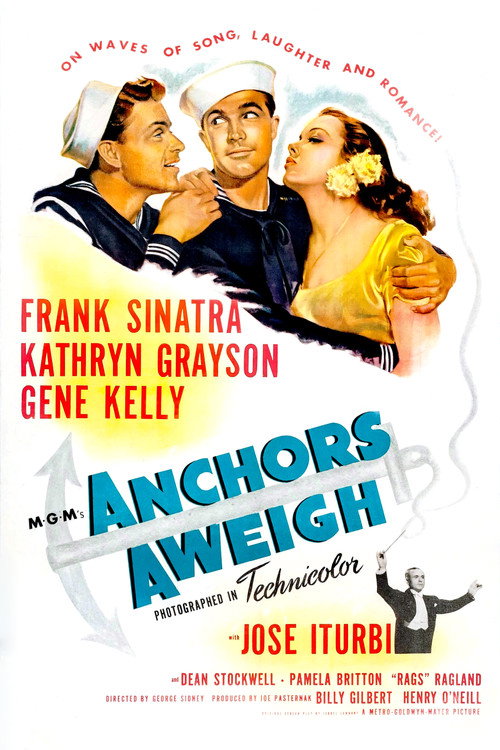
Anchors Aweigh1945
Gene Kelly and Frank Sinatra as sailors on leave, mixing elaborate dance sequences with goofy comedy. The animation sequence is dazzling, and there's real affection between the leads that carries the lighter moments.
But The romantic subplots are limp. Some sequences run far too long, and the tone lurches between musical spectacle and slapstick.
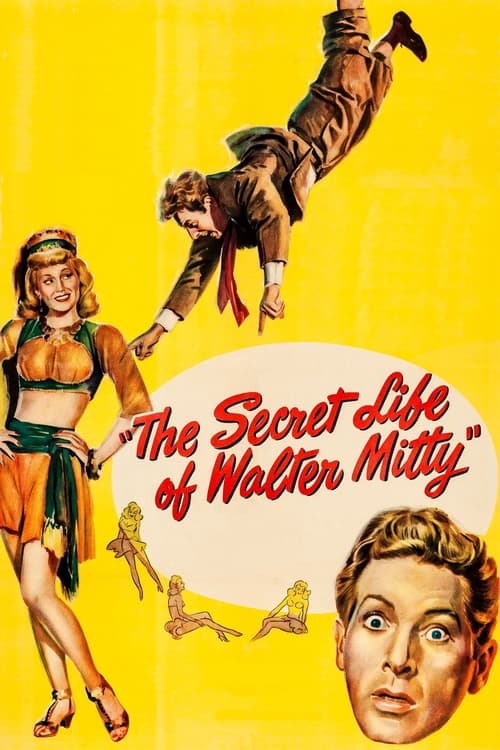
The Secret Life of Walter Mitty1947
Danny Kaye plays a daydreamer whose interior life is richer than his reality—thematically close to Francis, and Kaye's physical comedy rivals O'Connor's. Colorful, warm, and genuinely imaginative.
But The plot is thin and episodic. Kaye's energy can feel exhausting rather than charming if you're not in the mood.
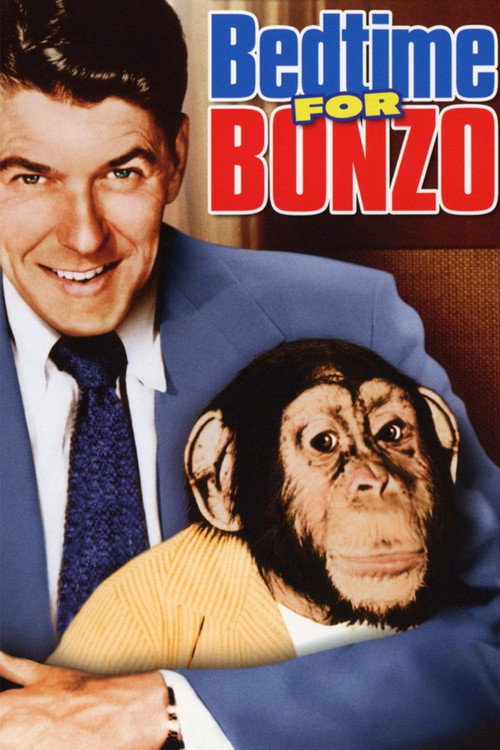
Bedtime for Bonzo1951
Another talking-animal comedy from the same era, this time starring Ronald Reagan with an actual chimpanzee. It's as silly as it sounds, and that's entirely the point. Perfectly harmless fun.
But It's genuinely slight. The novelty of watching a president in a comedy with a chimp wears thin quickly, and the script has very little beneath it.
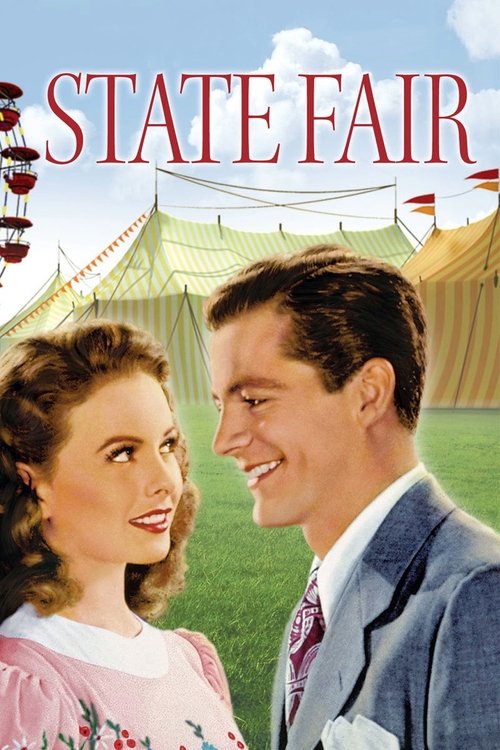
State Fair1945
Rodgers and Hammerstein musical with a loose, episodic structure and real charm. It's about small-town America, family, and finding magic in ordinary places—the same sensibility that makes Francis work.
But The musical numbers can feel static and overlong. The romance is perfunctory, and the film moves at a stately pace that tests patience.
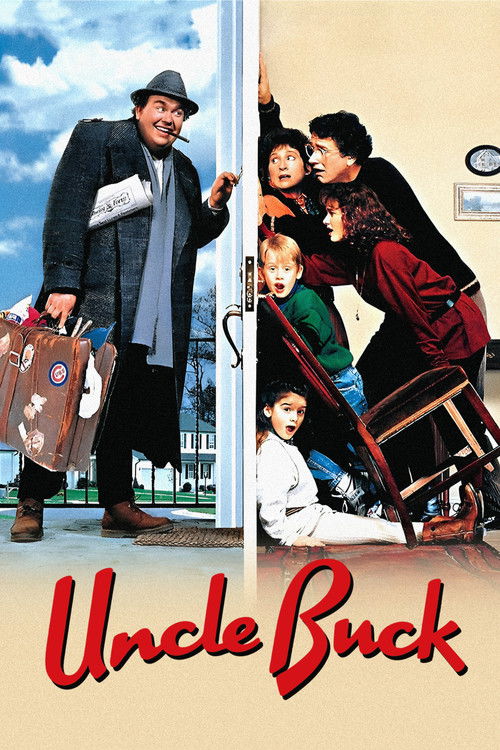
Uncle Buck1989
Both films hinge on an unlikely figure—an Army mule, an embarrassing uncle—proving they matter more than anyone expected. Both are about acceptance and loyalty in a world that demands you fit the rules.
John Candy as a screw-up uncle who disrupts a family's order and slowly wins everyone over through sheer persistence and kindness. Like Francis, it's about being underestimated and proving yourself through character rather than credentials. Genuinely touching beneath the comedy.
But Candy's character is often obnoxious. The sentimentality creeps in toward the end, and the humor can feel scattered.
Ikiru1952
Both films ask whether anyone truly listens to the person in front of them. Francis answers with fantasy and warmth; Ikiru answers with grief and grace. Different keys, same song.
Kurosawa's devastating story of a bureaucrat finding meaning in his final months. Nothing funny about it, but it shares Francis's core: one person's insistence on being truly heard, on mattering, on connection transcending rank and hierarchy. A masterpiece about the same loneliness beneath the surface.
But Profoundly sad. In Japanese with subtitles. Two and a half hours of mounting existential weight. The opposite of escapism.

People
Cast
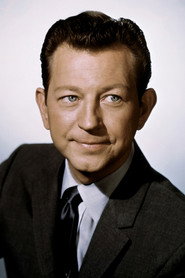 Donald O'ConnorPeter Stirling
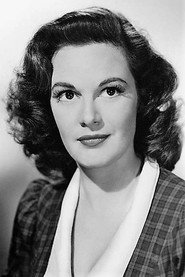 Patricia MedinaMaureen Gelder
 Zasu PittsValerie Humpert
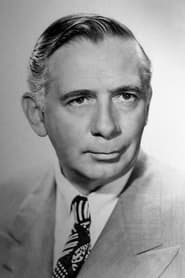 Ray CollinsColonel Hooker
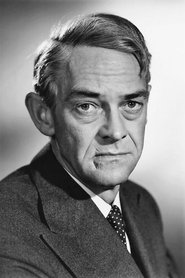 John McIntireGeneral Stevens
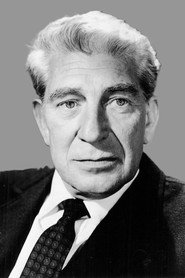 Eduard FranzColonel Plepper
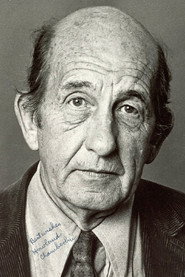 Howland ChamberlainMajor Nadel
- James ToddColonel Saunders
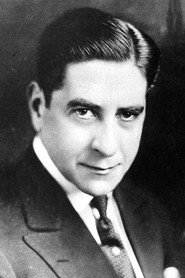 Robert WarwickColonel Carmichael
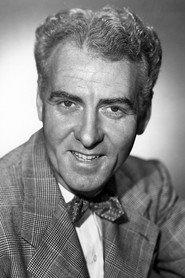 Frank FaylenSergeant Chillingbacker
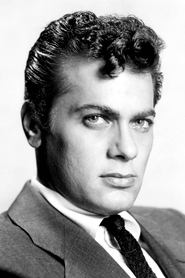 Tony CurtisCaptain Jones
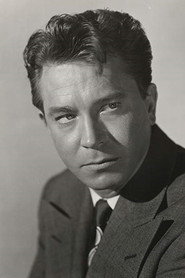 Mikel ConradMajor Garber
Directing
- Arthur LubinDirector
Writing
- Joan HathawayDialogue
- David SternNovel
- David SternScreenplay
Production
- Robert ArthurProducer