
Film
House of Flying Daggers
Zhang Yimou's wuxia epic trades sprawling battle for intimate ambush, but the color and choreography are as monumental as anything in the genre. A love triangle unfolds inside a rebellion, staged through bamboo forests, drum games, and flying daggers that never miss. It's gorgeous, mournful, and unembarrassed about melodrama — a film that wants you to feel love as a kind of violence, and vice versa.
If you liked this
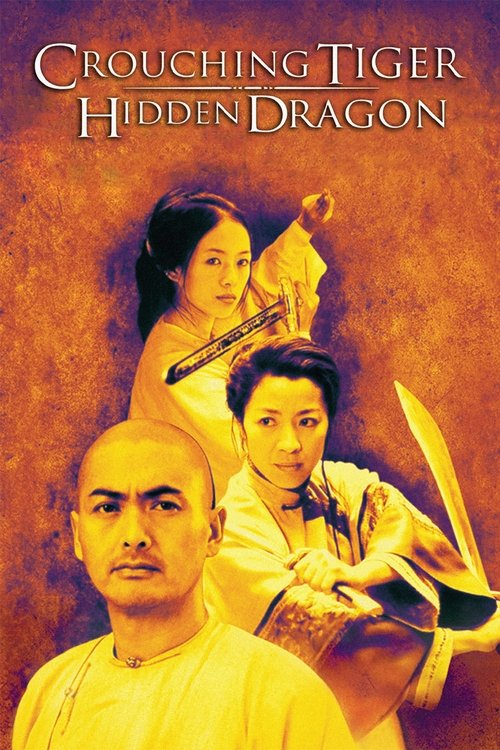
Crouching Tiger, Hidden Dragon2000
The film that brought wuxia romance to Western arthouses — the same aching balance of duty and desire, the same gravity-defying combat staged as dance.
But More restrained and philosophical than Daggers; if you wanted the color and melodrama turned up, this feels comparatively cool.
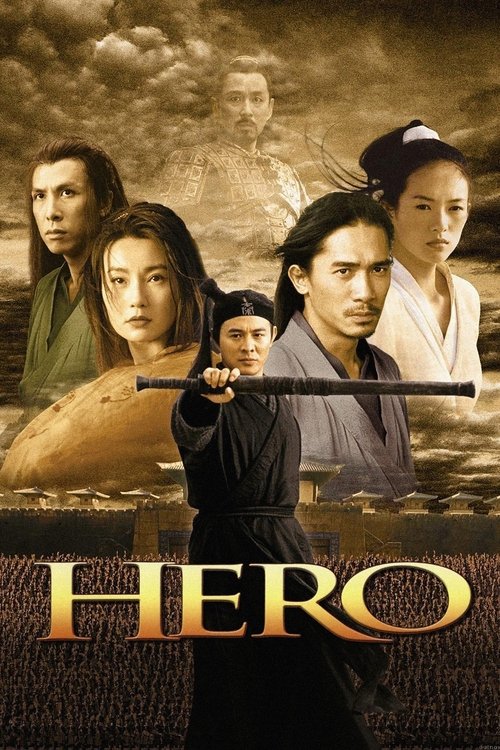
Hero2002
Zhang Yimou's other great wuxia epic, told in shifting, color-coded versions of the same story — pure visual ambition to match Daggers' artistry.
But The structure is puzzle-box and repetitive by design; the emotional payoff arrives late and the trick can wear thin.
Curse of the Golden Flower2006no page yet
Zhang Yimou reunites with dazzling costume and color, this time inside a poisonous royal family — betrayal and desire dialed up to full opera.
But Trades martial arts grace for palace intrigue and cruelty; less swordplay, more Shakespearean rot.
The wildcard
Something you would not have found on your own.
A Touch of Zen1970no page yet
King Hu invented the visual language Zhang Yimou is quoting — the bamboo forest fight, the balletic swordplay, the moral tangle of rebels versus state. Daggers is a direct descendant.
The film that essentially invented the modern wuxia aesthetic — the bamboo forest duel here predates and directly inspired the one in Daggers by three decades.
But Three hours long and slow-burning, with pacing and dubbing that show its age; patience required for the payoff.
More like this (8)
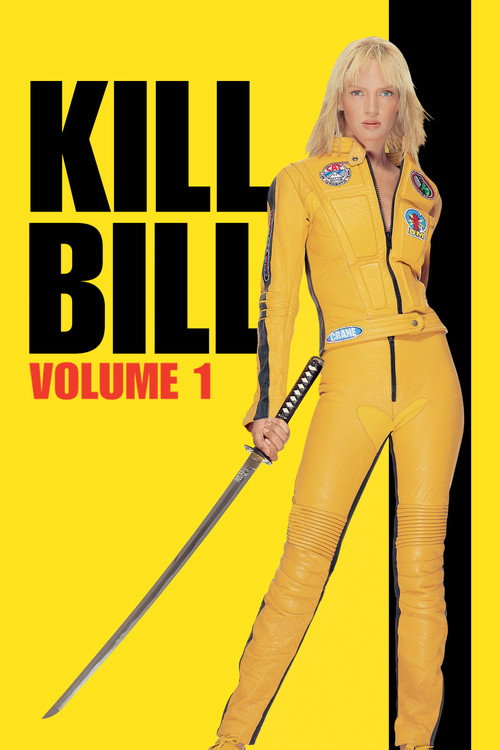
Kill Bill: Vol. 12003
Tarantino's own tribute to wuxia and samurai cinema, with the same commitment to color, choreography, and heightened emotion carried through violence.
But Far bloodier and more knowingly pulpy — homage as remix, not the earnest romanticism of Daggers.
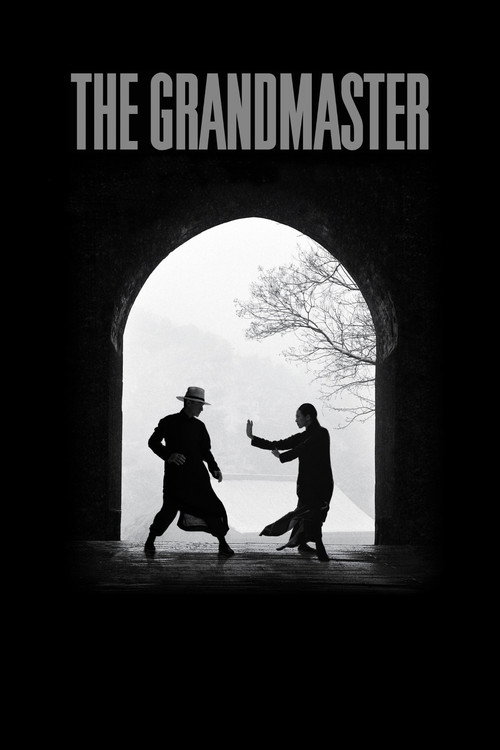
The Grandmaster2013
Zhang Ziyi again, this time in Wong Kar-wai's meditation on martial arts as memory and loss — slower, but with the same ache under the elegance.
But Wong's editing is fragmented and impressionistic; if you want clear narrative momentum, this can feel elusive.
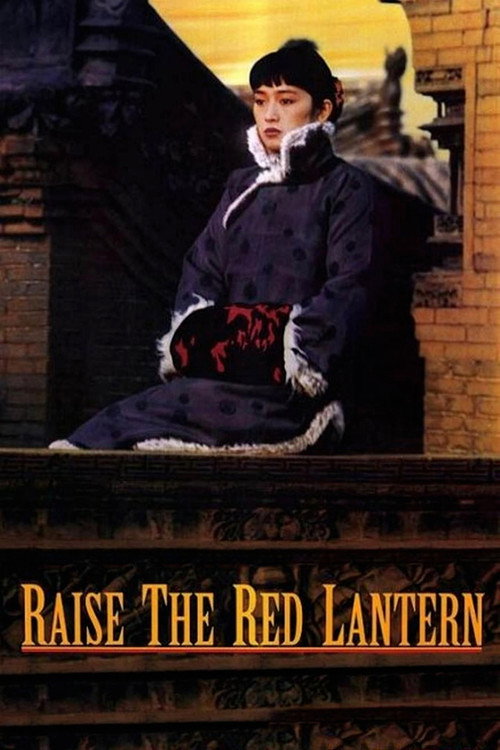
Raise the Red Lantern1991
An earlier Zhang Yimou and Gong Li collaboration, all color symbolism and suffocating tradition — the visual grammar Daggers later exploded into action.
But No swordplay at all, just quiet domestic tragedy; if it's spectacle you want, this is the opposite.
Ashes of Time1994no page yet
Wong Kar-wai's fractured, melancholic wuxia, about love's failures more than its triumphs — proof the genre can hold real sorrow.
But Deliberately oblique storytelling and voiceover-heavy structure; not for anyone wanting clean plotting or clear stakes.
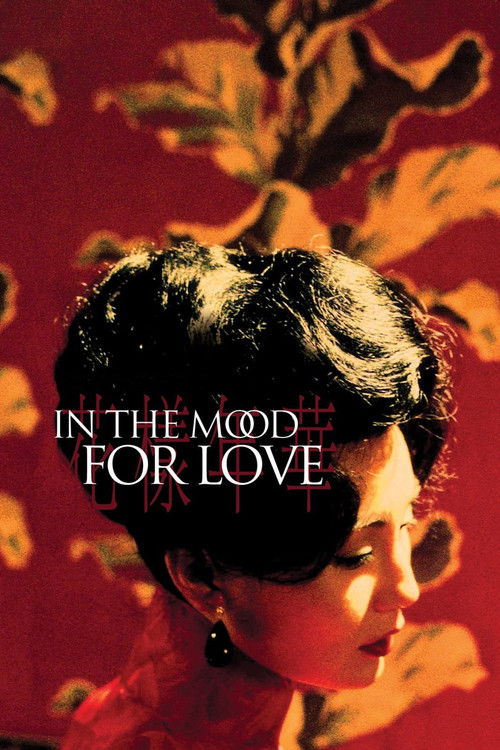
In the Mood for Love2000
No swords, but the same doomed, glancing romance and lush visual control — desire expressed almost entirely through composition and restraint.
But Nothing like an action film; if you came for the daggers and choreography, this offers none of it.
The Assassin2015no page yet
A slower, more austere wuxia — gorgeous, painterly frames, a heroine caught between duty and feeling, echoing Daggers' core tension.
But Glacially paced and elliptical to the point of frustration; plot clarity is sacrificed for mood almost entirely.
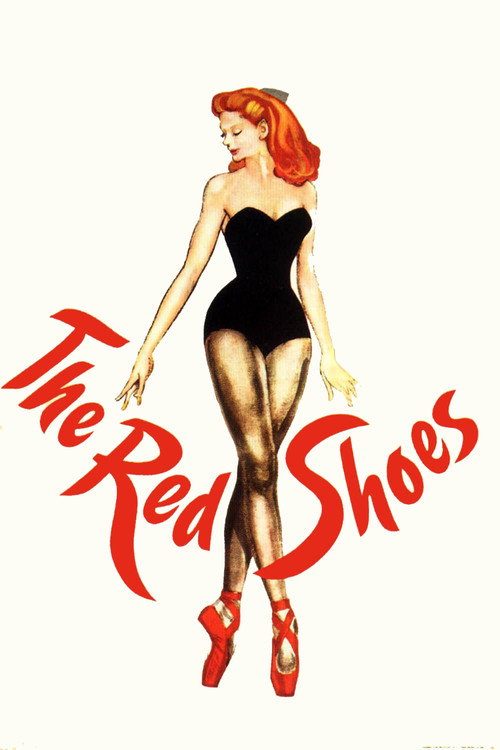
The Red Shoes1948
Swap swords for ballet slippers and you get the same engine — a woman torn between two men and two loyalties, expressed entirely through movement and suffocating, saturated color.
A British Technicolor masterpiece where love, art, and destruction collide through dance instead of combat — the same doomed romantic geometry, danced rather than fought.
But No action, no China, no genre trappings at all — this is a backstage melodrama about ballet, which may feel like a hard left turn.
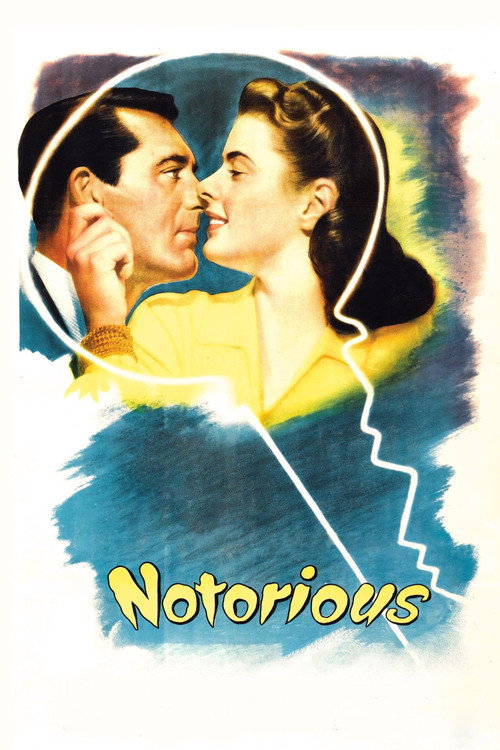
Notorious1946
Strip away the setting and it's the same structure — an operative falls for the person they're meant to be using, loyalty and love pulling in opposite directions until neither survives intact.
Hitchcock's tensest romance, where undercover work and real feeling become impossible to separate — the same slow unraveling of trust that drives Daggers' central couple.
But Black-and-white, dialogue-driven, and entirely without physical spectacle; a very different kind of tension for anyone expecting movement and color.
People
Cast
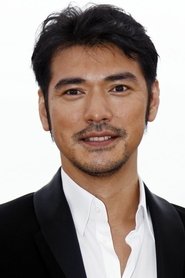
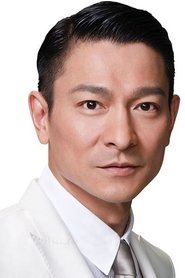 Andy LauLiu
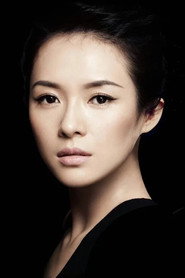 Zhang ZiyiXiao Mei
 Song DandanYee
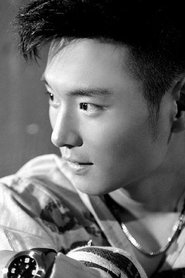 Zhao HongfeiXiao Bu Kuai
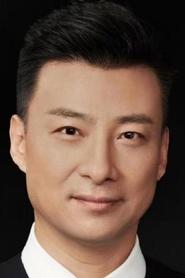 Guo JunPolice Officer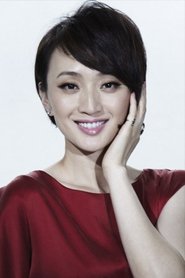
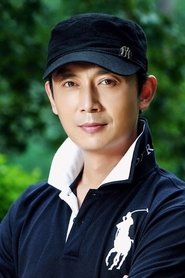
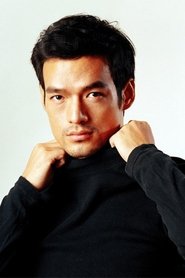
- Dong LiuShield Warrior
Directing
- Chang XiaoyangAssistant Director
- Zhang YimouDirector
Writing
- Feng LiScenario Writer
- Wang BinWriter
- Zhang YimouWriter
Production
- Zhang ZhenyanAssociate Producer
- Zhang WeipingExecutive Producer
- Bill KongProducer
- Zhang YimouProducer
- Alice YeungProduction Coordinator
- Larisa KhalyapinaUnit Manager
- Sen LuUnit Manager
- Tianhui GeUnit Manager