
Film
The Hidden Sword
A Chinese martial arts thriller about deception and desire, where a general's widow and a con artist targeting a legendary swordmaster find their schemes tangled with genuine emotion. The Hidden Sword moves with deliberate grace through betrayal and loyalty, building toward violence that feels earned rather than spectacle. It's for viewers who want action grounded in character conflict, not just choreography.
Should you watch it?
Watch it if you like wuxia that trades sword fights for scheming, with characters whose loyalties wobble under pressure and a slow, deliberate build toward the clash.
Skip it if you want nonstop action, since the swordplay arrives in measured bursts and the long stretches of plotting and sideways romance can feel like they're stalling.
What it asks of you: Expect a two-plus hour sitting, a patient unhurried rhythm, and enough attention to track who is lying to whom across rooms full of quiet tension.
Not sure? Find tonight's pick in a minute.
If you liked this
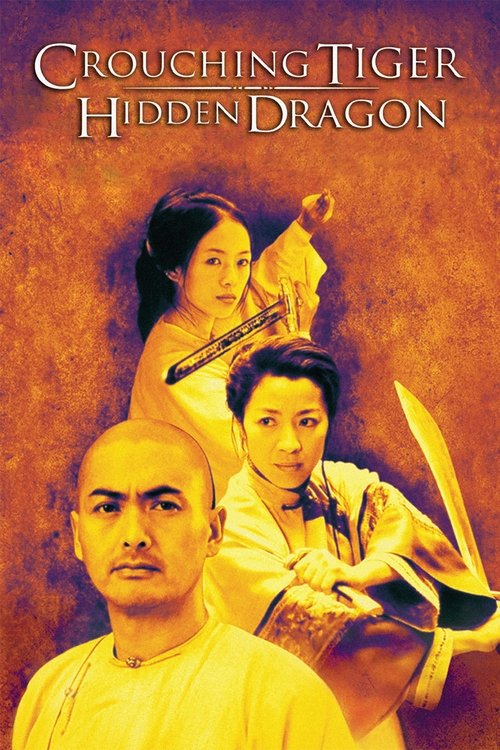
Crouching Tiger, Hidden Dragon2000
The definitive template for wuxia cinema: breathtaking martial choreography woven through a story about desire, duty, and secrets kept within families. Every frame is composed like painting.
But If you want non-stop action, the long middle section of philosophy and restraint will test your patience. The subtlety can feel slow.
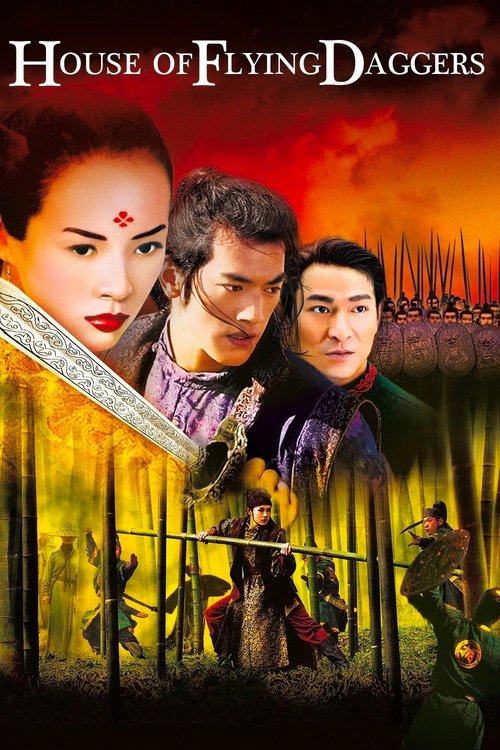
House of Flying Daggers2004
Zhang Yimou's masterpiece of deception and hidden identity, where every character is playing a role and nothing is quite what it seems. The romance blooming amid conspiracy is genuinely moving.
But The plot requires you to accept some convenient coincidences. The ending divides people sharply—some find it transcendent, others feel betrayed.
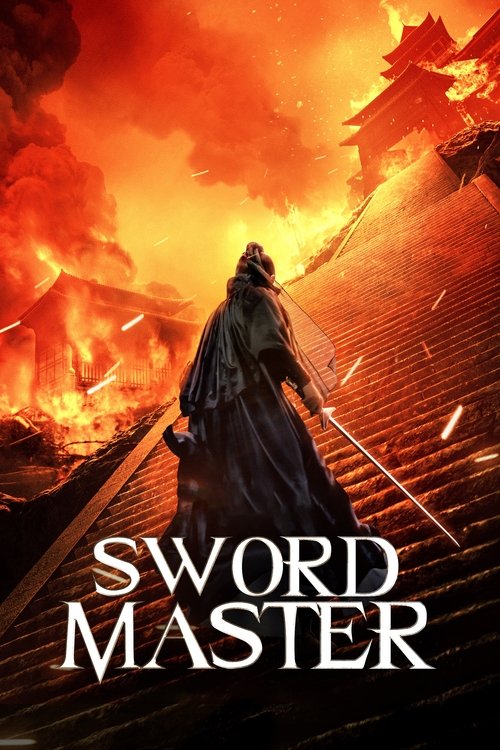
Sword Master2016
A wuxia film about a swordmaster confronting his legacy and younger rivals, packed with gorgeous sword choreography and genuine emotional stakes. Made just before Hidden Sword; you can feel the DNA.
But The story is somewhat thin, and long stretches of the film rest entirely on mood and visual beauty rather than plot momentum.
Not sure tonight? Get a pick in a minute, starting from The Hidden Sword
The wildcard
Something you would not have found on your own.
In the Mood for Love2000
Both films explore what happens when two people cannot act on what they feel. Both use visual beauty and physical space to convey internal conflict. Both understand that sometimes the most dangerous thing is not violence but proximity.
Wong Kar-wai's supreme achievement: a film about desire and restraint told almost entirely through color, costume, and the space between two people. If Hidden Sword is about secrets erupting into violence, this is about longing trapped in eternity. Completely different grammar, identical emotional architecture.
But There is almost no plot. If you need narrative momentum or dialogue-driven storytelling, this will feel like watching paint dry for two hours. The slowness is intentional and non-negotiable.

More like this (5)
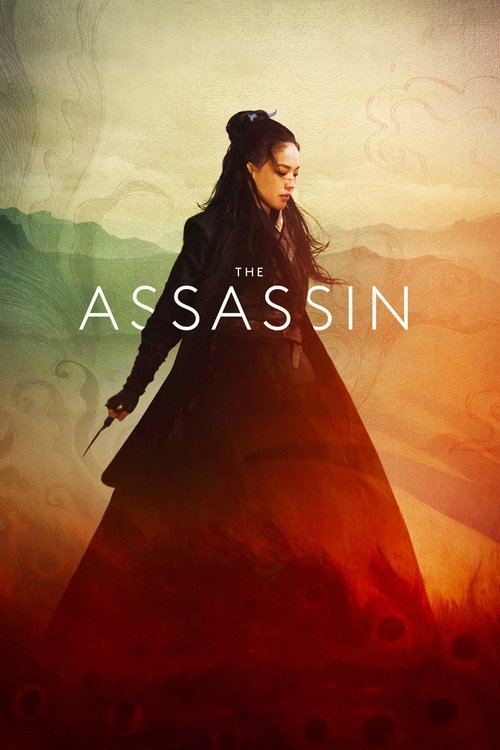
The Assassin2015
Hou Hsiao-hsien's austere masterpiece about a female assassin navigating family politics and hidden identity. Gorgeously composed and achingly human beneath the action.
But This is a film that punishes impatience. It requires absolute silence and attention; miss a moment and you lose the thread. Not casual viewing.
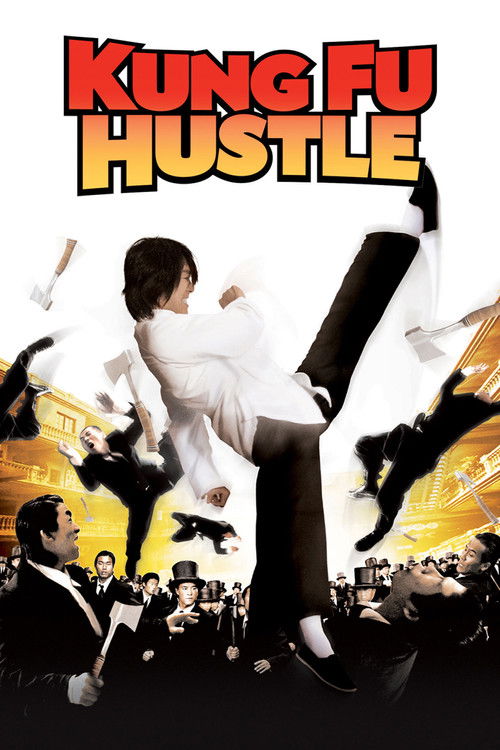
Kung Fu Hustle2004
Stephen Chow's wildly inventive martial arts comedy that loves its characters and elevates every fight scene into something visually ingenious. Pure joy filtered through wire work and wirework.
But The humor is extremely broad and specifically Hong Kong in register. Tonal whiplash from comedy to genuine emotional moments won't work for everyone.
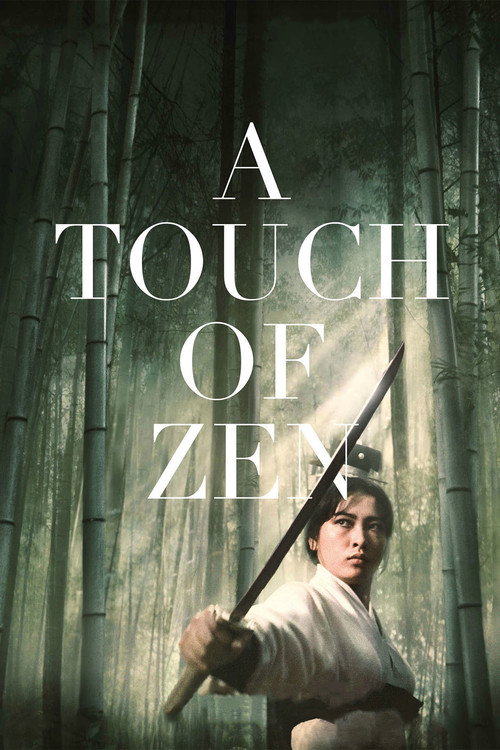
A Touch of Zen1970
King Hu's foundational wuxia film that essentially invented many of the grammar we see in modern martial arts cinema. A widow on the run, hidden identities, spectacular combat—it's all here, done first.
But Fifty-year-old pacing means long passages without dialogue or action. The print quality can be uneven. This is a museum piece that asks patience.
Red Cliff2008
John Woo's historical epic about strategy and honor, featuring stunning ensemble action sequences and genuine character arcs. A bridge between old wuxia and modern blockbuster ambition.
But The film is two hours forty minutes and somewhat overstuffed. Some sequences feel indulgent, and the romantic subplot doesn't entirely land.
Memories of Murder2003
Both films are about skilled investigators—here, detectives instead of swordsmen—chasing ghosts of deception. Both understand that truth is slippery and that the people pursuing it are themselves compromised. Both end with ambiguity that feels earned rather than evasive.
Bong Joon-ho's masterpiece about obsession, authority, and the gap between what we know and what we can prove. A serial killer thriller disguised as a character study, with the same moral ambiguity and layered deception as Hidden Sword but set in a completely different world.
But It's long, bleak, and structurally unconventional. The ending refuses conventional catharsis. If you want answers, you won't get them, and the film's deliberate opacity will infuriate you.

People
Cast
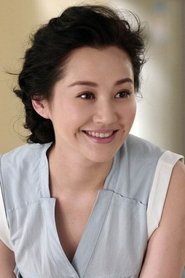 Xu Qing阚智慧
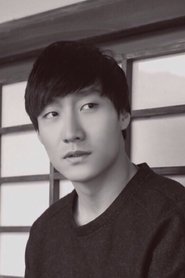 Zhang Aoyue孔鼎义
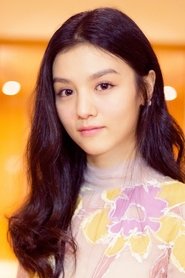
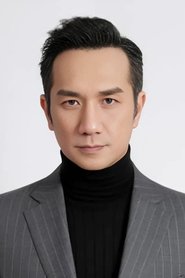 Huang Jue沈飞雪
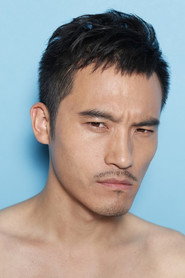 Geng Le二堡
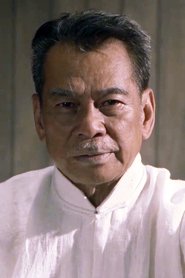
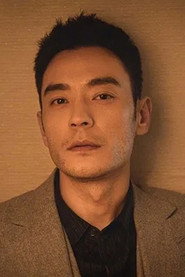
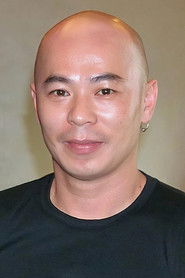
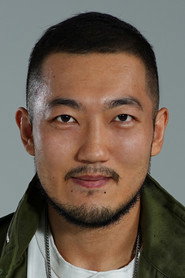
- Guo WandongStreet Performer
Directing
- Xu HaofengDirector
Writing
- Xu HaofengNovel
- Xu HaofengScreenplay
Production
- Chen DongqiuProducer
- Guan DandanProducer