
Film
The Flowers of War
- Drama
- Very dark
Zhang Yimou's Nanking war drama follows a drifter posing as a priest who shelters Chinese women in a church during the 1937 Japanese invasion. Visually sumptuous and emotionally brutal, it balances intimate character moments against historical atrocity. A film about complicity, survival, and the cost of mercy.
Should you watch it?
Watch it if you are drawn to wartime stories where a reluctant outsider's moral awakening unfolds slowly inside a confined space, with grand historical canvas and melodrama played straight.
Skip it if you want the war itself on screen, since the violence is kept at a distance and the film lingers on faith, bargaining and emotional reserve rather than battlefield momentum.
What it asks of you: Nearly two and a half hours of patient, sombre build-up, with long stretches of conversation and waiting before the tension tightens, so settle in for the full stretch.
Not sure? Find tonight's pick in a minute.
If you liked this
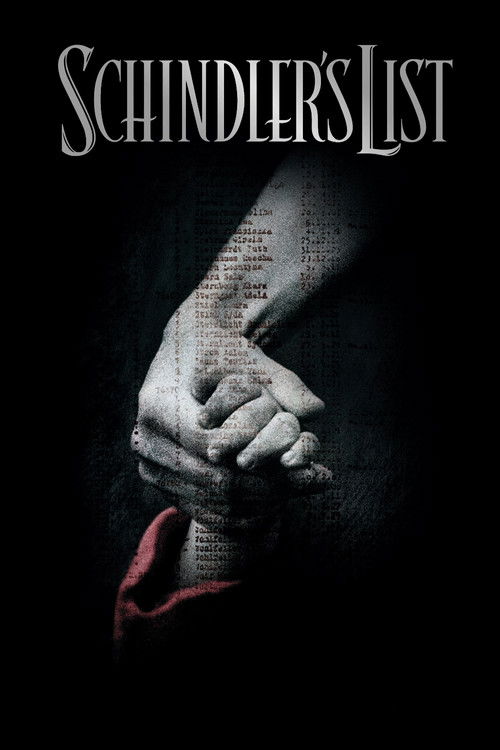
Schindler's List1993
Spielberg's unflinching account of one man's moral awakening amid genocide shares Yimou's commitment to showing both individual humanity and systemic horror without flinching or turning away.
But Nearly four hours of extraordinary intensity about the Holocaust—not entertainment, and emotionally exhausting by design.
Come and See1985
This Soviet masterpiece finds the precise register Yimou reaches: depicting war's savagery through the eyes of those trying desperately to preserve life. Structurally and tonally kin to Flowers of War.
But Deliberately gruelling and often hard to watch; the moral weight sits heavy throughout. This is not cathartic cinema.

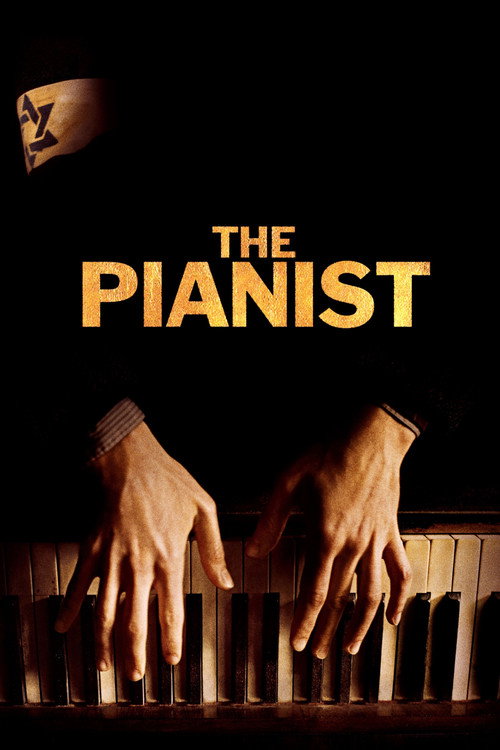
The Pianist2002
Another film about survival amid genocide, but intimate and private—a single man's quiet determination to live. Shares Flowers' interest in how decency persists in impossible circumstances.
But Long stretches are deliberately undramatic. Some find it emotionally distant rather than moving, more observational than affecting.
Not sure tonight? Get a pick in a minute, starting from The Flowers of War
The wildcard
Something you would not have found on your own.
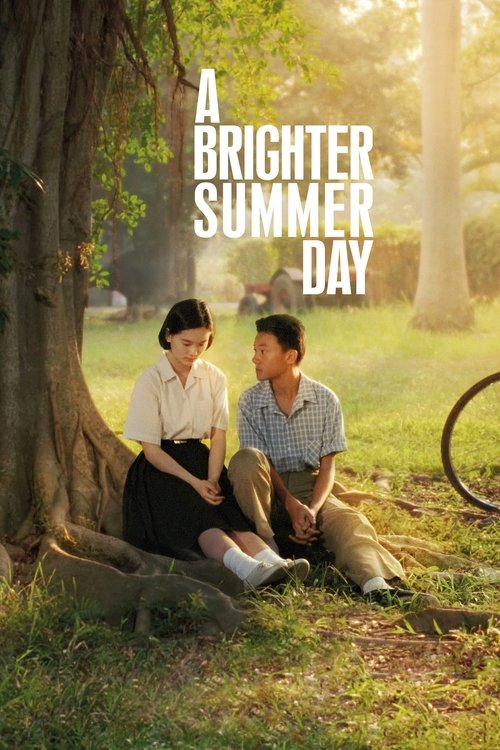
A Brighter Summer Day1991
Both are meditations on how individuals become implicated in larger systems of violence; how proximity to atrocity doesn't automatically clarify morality; how beauty and brutality coexist without reconciling.
Edward Yang's four-hour Taiwanese masterpiece about youth gangs in 1960s Taipei. No war, no obvious connection—but it shares Flowers' moral seriousness, visual sophistication, and refusal to simplify how ordinary people become instruments of violence.
But Taipei gang culture is a radically different context, and at four hours it's demanding. The connection is structural and tonal, not plot—that might feel abstract.
More like this (7)
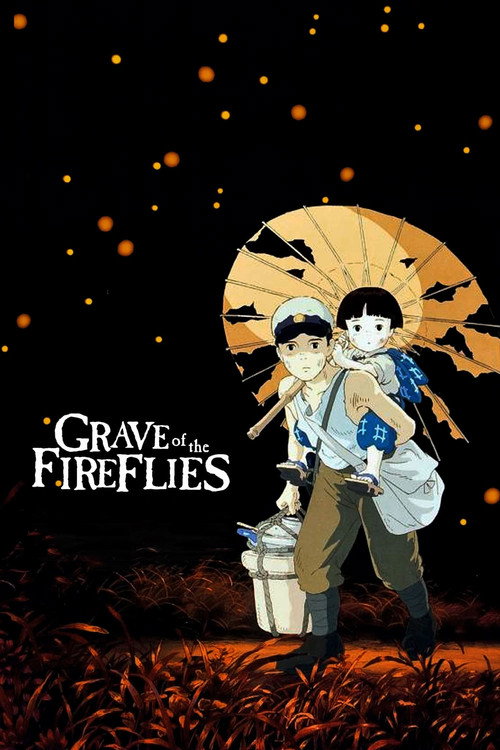
Grave of the Fireflies1988
An animated film about two children surviving Japan's firebombing in WWII. Devastatingly intimate and formally beautiful in the way Yimou loves color and composition, but animated. You'll weep.
But Animated, which might seem incongruous with the material. Also nearly impossible to watch twice; one sitting is often enough.
A Prophet2009
Set in a French prison rather than wartime, it shares Flowers' fascination with how power structures form, how the powerless navigate impossible hierarchies, and how one man's decency can ripple outward.
But The prison setting and its violence may feel tonally divorced from what drew you to Flowers, even though the emotional logic is similar.

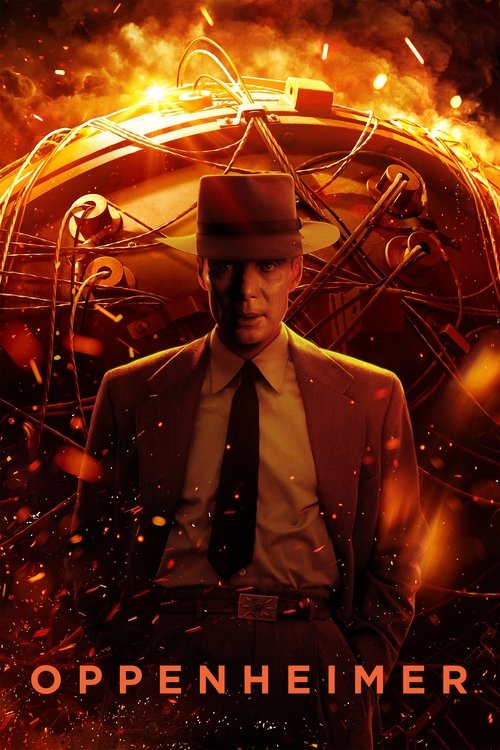
Oppenheimer2023
Another film about a man trying to maintain moral authority amid catastrophe, questioning whether survival and complicity are separable. Three hours of intelligent drama about impossible choices.
But Primarily intellectual and conversational; nothing like Flowers' visual poetry or intimate character focus. Some find it chilly.
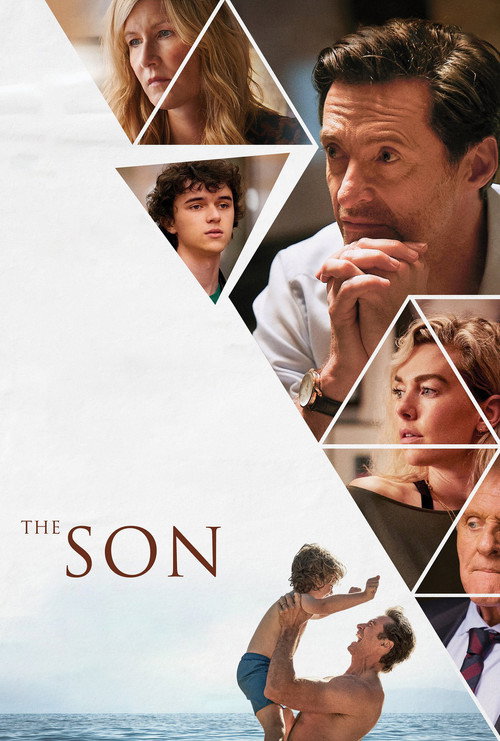
The Son2022
A spare, contemporary drama about a father trying to save his son and himself. The emotional economy is entirely different from Flowers, but the intensity and moral complexity align perfectly.
But Minimal plot, slow pacing, and a deliberately muted visual palette. Demands patience and rewards emotional investment, not everyone's cup of tea.
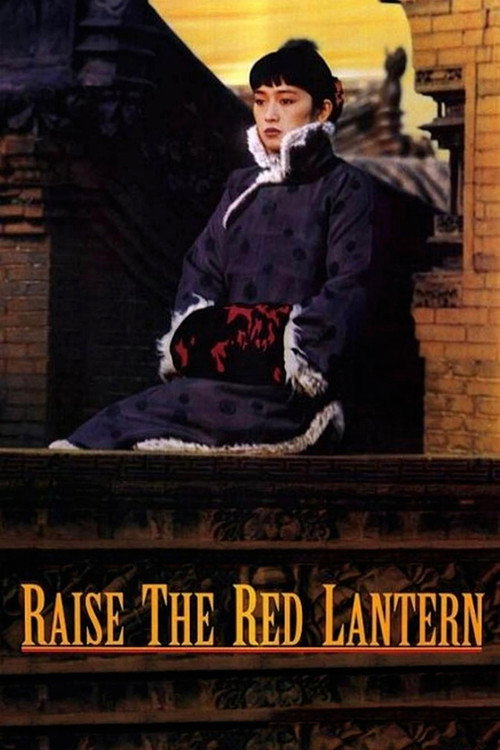
Raise the Red Lantern1991
Another Zhang Yimou masterpiece, this one set in 1920s China. If you loved Flowers' visual richness and formal control, his other work deserves discovery. Gorgeous and claustrophobic in equal measure.
But A film about concubinage in a mansion—entirely different setting and era from Flowers, though same directorial sensibility. Some find it frustratingly opaque.
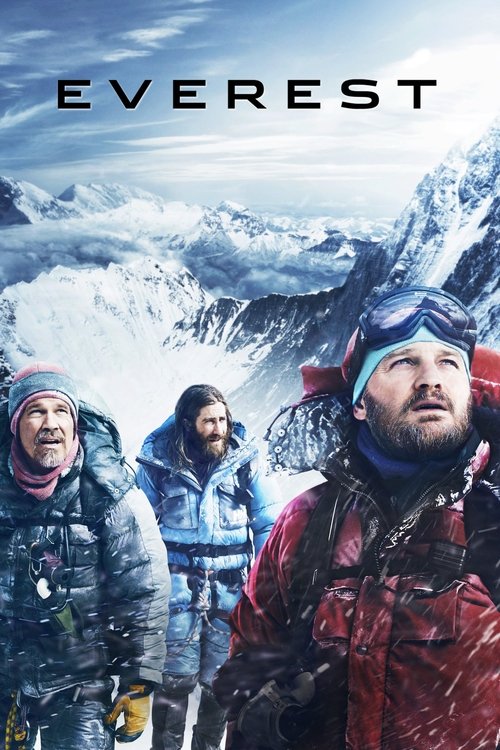
Everest2015
A different kind of survival story, but shares Flowers' interest in how ordinary people behave when death is proximate and choices collapse to immediate humanity. An ensemble facing impossible odds.
But A Western disaster film that some found slick and emotionally shallow. The high-altitude photography prioritizes spectacle over the intimate moral reckoning Flowers achieves.
The Act of Killing2012
Both interrogate how ordinary men rationalize participation in atrocity, and how performance (the priest's false collar, the killers' theatrical recreations) shapes what we're willing to acknowledge about ourselves.
A documentary where Indonesian death squad leaders recreate their own mass murders for the camera, asking them to reflect on what they've done. Unbelievably strange and genuinely profound about complicity, violence, and self-deception.
But A documentary, not drama—you're watching real men discuss real killings. The format is deliberately surreal, which some find gimmicky rather than clarifying. Morally queasy throughout.

People
Cast
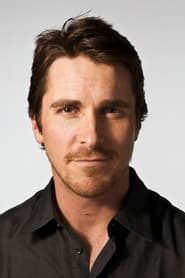 Christian BaleJohn Miller
 Ni NiYu Mo
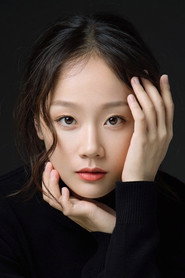 Zhang XinyiShu
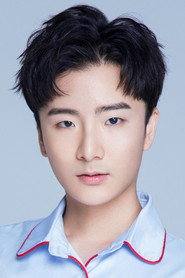 Huang TianyuanGeorge Chen

 Zhang DoudouLing
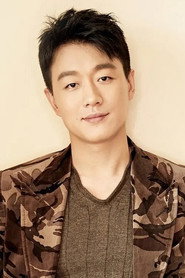 Tong DaweiMajor Li
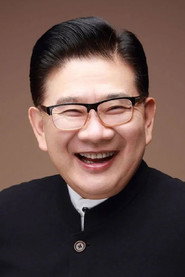 Cao KefanMr. Meng
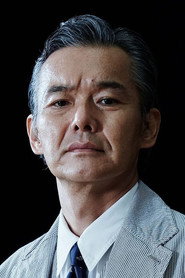 Atsuro WatabeColonel Hasegawa
 Yuan YangchunziMosquito
 Sun JiaHua
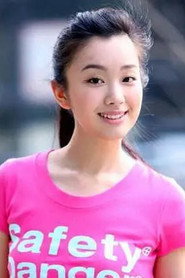 Li YueminDou
Directing
- Bruce Law Lai-YinAction Director
- Chen HanAssistant Director
- Li QingAssistant Director
- Zhang MoAssistant Director
- Zhang YimouDirector
Writing
- Yan GelingNovel
- Liu HengScreenplay
- Yan GelingScreenplay
- Zhou XiaofengScript Consultant
Production
- Eriko MiyagawaCasting
- Bill KongExecutive Producer
- Zhang WeipingProducer
- Zhu MaoProduction Manager
Recommended by
Princess Iron Fan, Red Sorghum, Beanpole, My Heart Is That Eternal Rose