
Film
Five for Hell
A 1969 Italian war film where five wisecracking American soldiers execute an audacious heist deep in Nazi territory. It's cartoonish action cinema—all acrobatic stunts, impossible escapes, and one-liners traded under gunfire. Klaus Kinski steals scenes as a menacing Nazi colonel. Fun, ridiculous, and entirely unselfconscious about its own absurdity. A film for anyone who thinks war movies don't need to be serious to be entertaining.
Should you watch it?
Watch it if you enjoy scrappy wartime heist yarns where a band of cheeky misfits' acrobatics and swagger carry the plot, and a brutal villain you'll remember.
Skip it if you want a grounded war picture, since this one swings between gritty brutality and goofy capers and can feel tonally scattered.
What it asks of you: A brisk 95 minutes, with action arriving in quick bursts and little time spent on quiet character study, so come ready to ride the swings.
Not sure? Find tonight's pick in a minute.
If you liked this
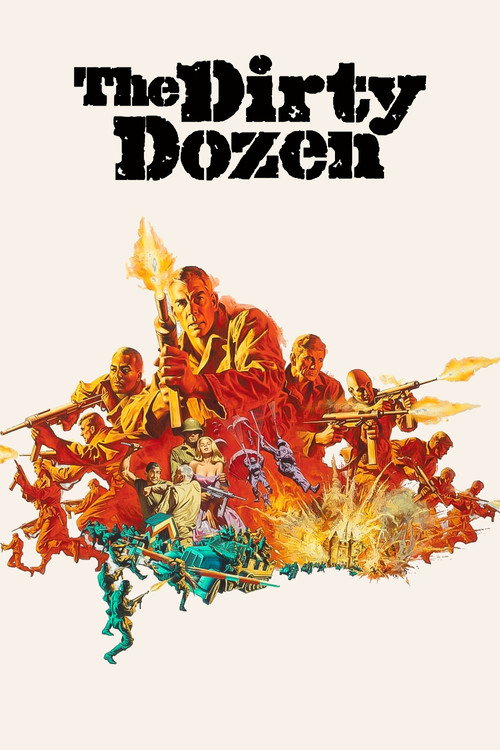
The Dirty Dozen1967
The definitive template: a misfit squad of soldiers on a suicide mission behind enemy lines. Excellent action direction, genuine tension, and real chemistry between its ensemble cast. A masterclass in heist-action storytelling.
But Nearly three and a half hours long, and it treats its material with considerably more gravity than Five for Hell does. Some combat sequences are genuinely brutal.
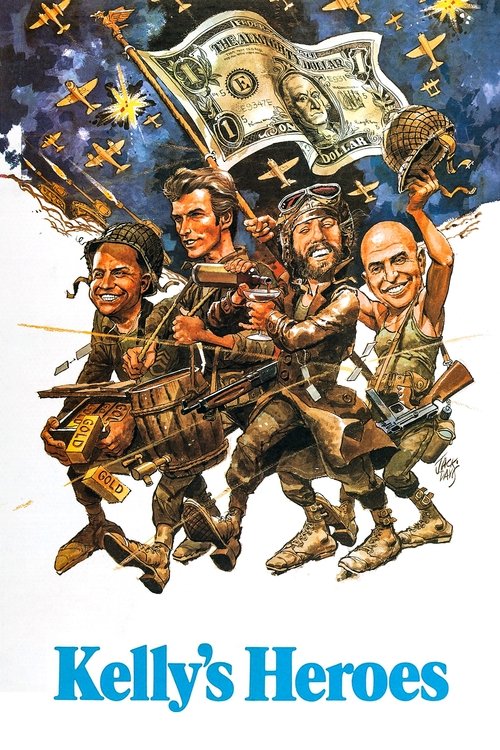
Kelly's Heroes1970
American soldiers hunt Nazi gold in occupied Yugoslavia with Clint Eastwood and Telly Savalas. Equally audacious, visually stunning, and just as uninterested in realism. Enormous tank battles and genuine laughs sit side by side.
But The tone lurches unpredictably. What's funny in one scene feels jarring in the next. The editing occasionally works against the pacing.
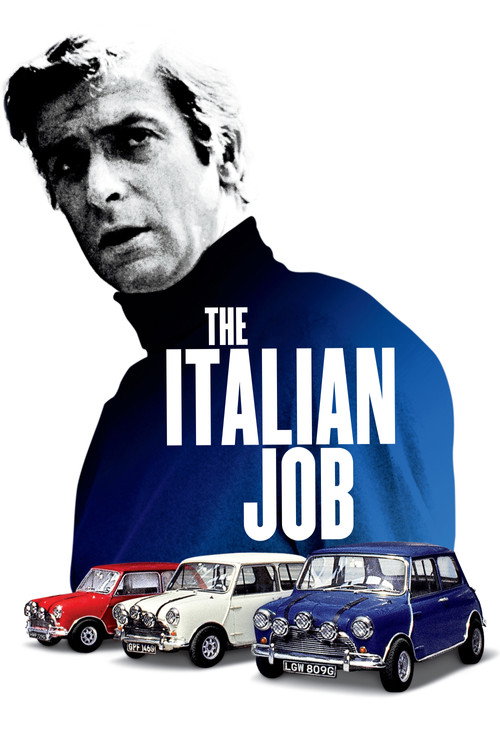
The Italian Job1969
A heist film dressed as a caper, with Michael Caine and a stellar ensemble pulling off an impossible job in Turin. Smart, funny, and endlessly rewatchable. The famous Mini Cooper chase alone justifies the runtime.
But It's a heist film, not a war film—different energy entirely. If you want combat and gunfire, this won't scratch that itch.
Not sure tonight? Get a pick in a minute, starting from Five for Hell
The wildcard
Something you would not have found on your own.
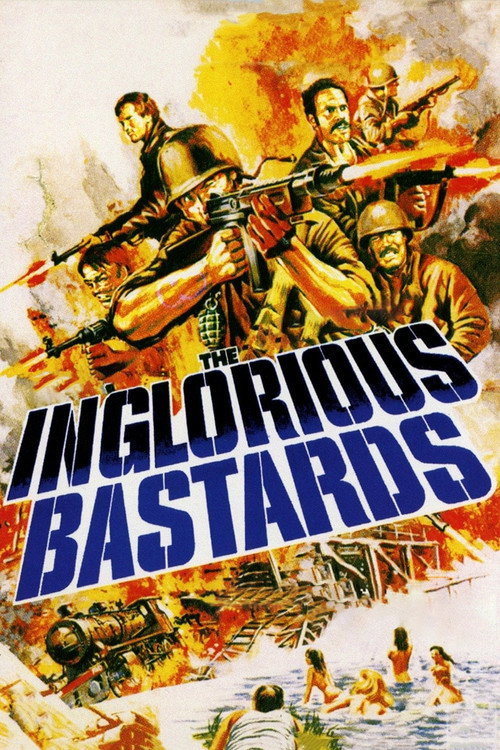
The Inglorious Bastards1978
Both are Italian-inflected action films from the same era that treat WWII as a backdrop for stunt-heavy capers. Both reject realism in favor of audacious, acrobatic action. Both feature Klaus Kinski as a Nazi threat. Both understand that sometimes war movies should be fun.
The Italian original that inspired Tarantino's film—an absolutely wild commando movie with grenades, impossible escapes, and anarchic energy. It's pure exploitation cinema: trashy, violent, and somehow deeply entertaining. Klaus Kinski appears here too, in a different context, and steals every frame.
But The film stock is grainy and colors are washed out. Dubbing is atrocious. The moral universe is nonexistent—it's amoral fun, which some will find exhausting rather than liberating.
More like this (8)
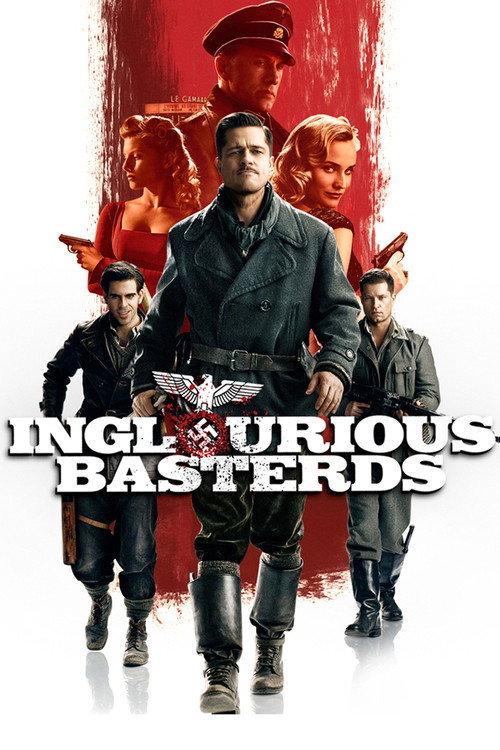
Inglourious Basterds2009
Tarantino's operatic WWII fantasy: American soldiers hunting Nazis with wit, style, and gleeful anachronism. It loves its own audacity the way Five for Hell does, but with a modern sensibility and sharper dialogue. Endlessly quotable.
But It's 153 minutes of Tarantino dialogue and long sequences with minimal action. The theatrical tone will feel alien if you prefer grounded war films.
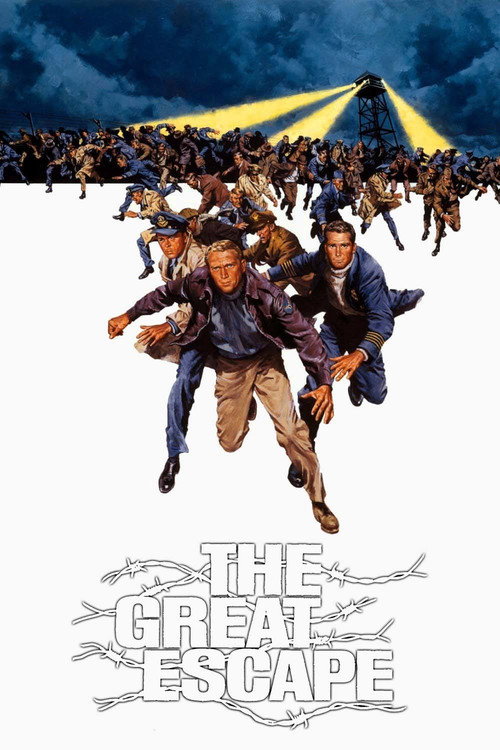
The Great Escape1963
A prisoner-of-war escape film with Steve Reeves, James Garner, and Richard Attenborough. Meticulously planned action sequences, genuine stakes, and an ensemble that actually works together. Intelligent and thrilling without ever winking at the camera.
But It's essentially a prison break film. If you're after acrobatic stunts and comedic banter, this trades those for procedural detail and emotional weight.
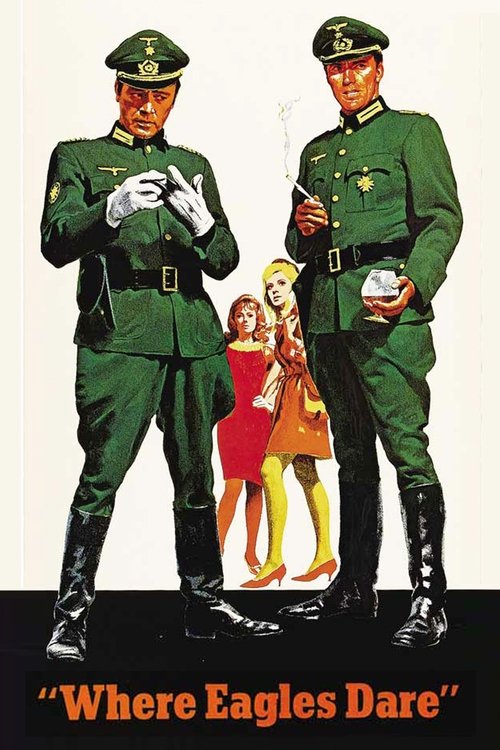
Where Eagles Dare1968
Richard Burton and Clint Eastwood raid a Nazi fortress high in the Bavarian Alps. Spectacular action set-pieces, genuine suspense, and a commando team that feels genuinely capable. The castle assault alone is worth the price of admission.
But The plot twists pile on so thick that the third act becomes almost impenetrable. Some viewers find it overcooked.
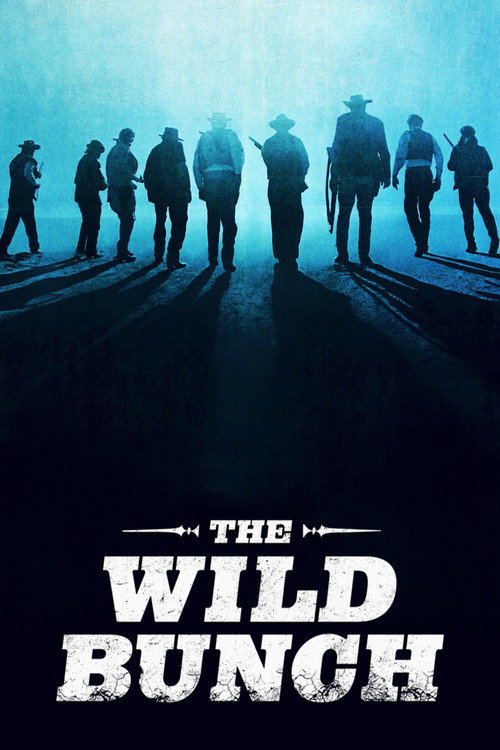
The Wild Bunch1969
Peckinpah's violent elegy for outlaws on the Mexican border. It's operatic, balletic, and endlessly inventive with action choreography. Aging men executing one last job with style and catastrophic consequences. Genuinely transformative cinema.
But It's a Western, not a war film. The violence is graphic and philosophically heavy—it's asking questions about mortality and obsolescence, not celebrating stunts.
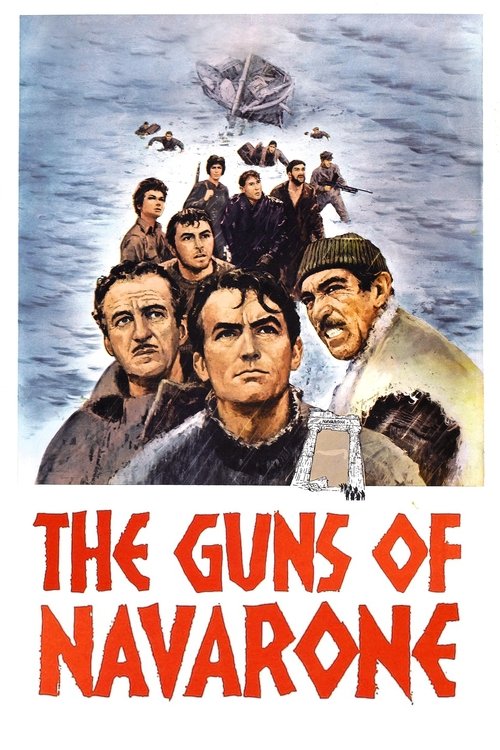
The Guns of Navarone1961
A commando team climbs an impossible mountain to destroy Nazi guns protecting an island. Tense, beautifully shot, with Gregory Peck leading an ensemble through escalating peril. The climbing sequences and sabotage are genuinely gripping.
But It's slower and more methodical than Five for Hell. Long stretches of climbing and planning before action arrives. Some find it glacial.
Seven Into Hell1968
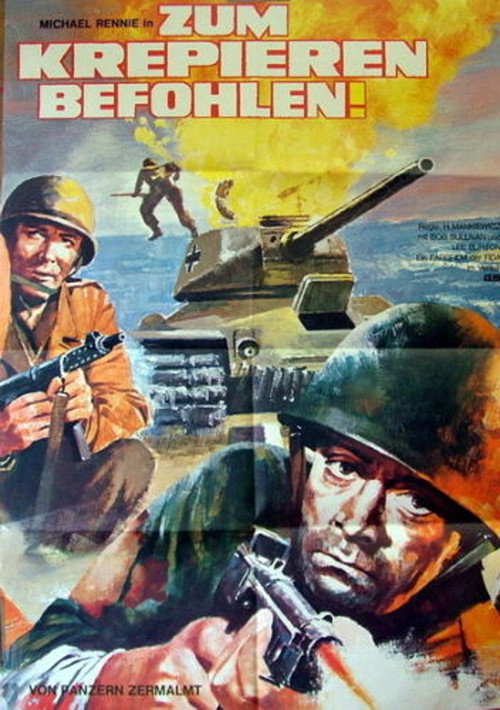
An Italian war film about soldiers on a dangerous reconnaissance mission. The kind of solid, unpretentious genre film that European studios made in bulk during this era—straightforward action and decent set-pieces without pretension.
But It's largely forgotten for good reason. The pacing is uneven and characterization minimal. Worth seeing once, but it doesn't linger.
Rififi1955
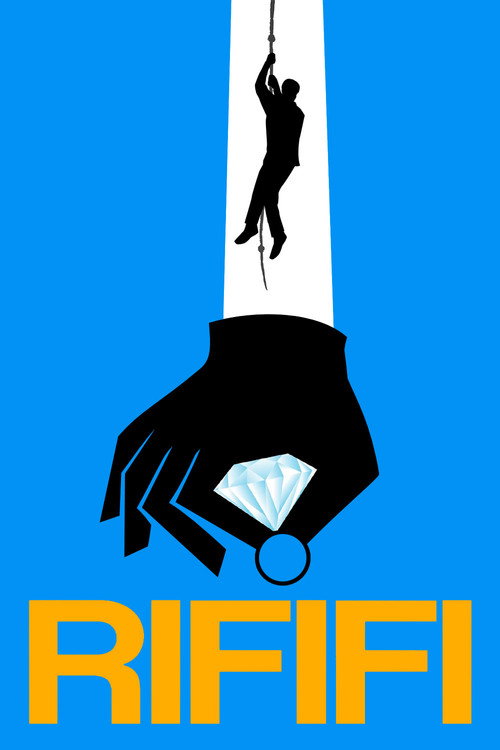
Five for Hell is essentially a heist film wearing a war-movie costume. Both center on a misfit team planning and executing an impossible job against overwhelming odds. Rififi is the godfather of that structure—the film that taught Hollywood how to make elaborate capers beautiful.
Jules Dassin's masterpiece heist film, shot in postwar Paris. A wordless half-hour robbery sequence that influenced every heist film that followed, including Five for Hell. It's the template for impossible jobs executed with planning and style. Noir perfection.
But It's a crime film, not a war film. Nearly seventy years old with no action in the modern sense. Long stretches of quiet conversation and observation before the famous sequence.
Red Sorghum1988
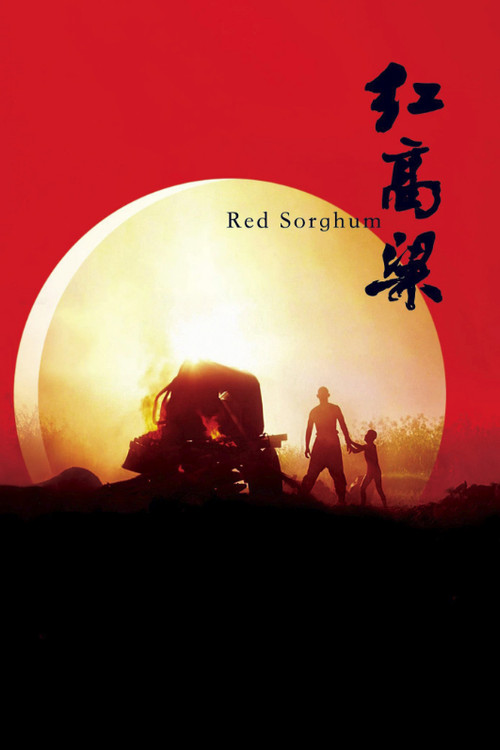
Both films feature occupying forces and resistance, but they're interested in the dignity and defiance of the fighters rather than the logistics of combat. Both refuse melancholy. Both use exaggeration—genre conventions, stylization, heightened performance—to insist that their characters matter more than historical accuracy.
Zhang Yimou's debut: a Chinese film about resistance fighters during the Japanese occupation. Visually sumptuous, built on myth and passion rather than realism. It uses color, performance, and landscape as weapons. Entirely different register from Five for Hell, but the same refusal to make war depressing.
But It's a Chinese art film subtitled in English, shot in a magical-realist register that will feel alien to viewers expecting conventional action. The narrative is fragmented and elliptical. Some sequences are abstractly poetic rather than dramatically clear.
People
Cast
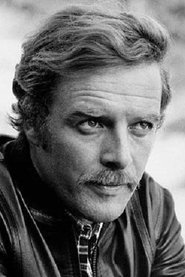 Gianni GarkoLt. Glenn Hoffmann
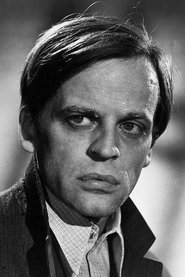 Klaus KinskiSS Col. Hans Mueller
 Aldo CantiNick Amadori
 Margaret LeeHelga Richter
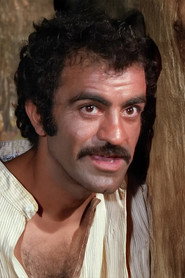 Sal BorgeseAl Siracusa
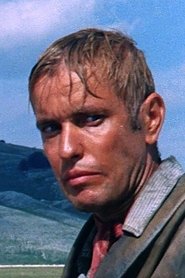 Luciano RossiJohnny 'Chicken' White
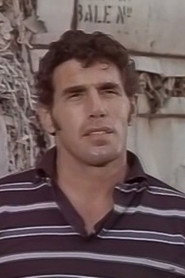 Samson BurkeSgt. Sam McCarthy
- Irio FantiniGeneral Frederich Gerbordstadt
Directing
- Gianfranco ParoliniDirector
Writing
- Sergio GarroneStory
- Gianfranco ParoliniWriter
- Renato IzzoWriter
Production
- Aldo AddobbatiProducer
- Paolo MoffaProducer