
Film
The Savage State
A Prix de Goncourt novel adapted into a searing examination of racism from both sides of decolonization. Set in a newly independent African nation, it follows a white woman and Black government official whose affair becomes a flashpoint for the prejudices of their respective communities. Brutal, unflinching, and deeply uncomfortable in the way only 1970s French cinema dared to be.
If you liked this
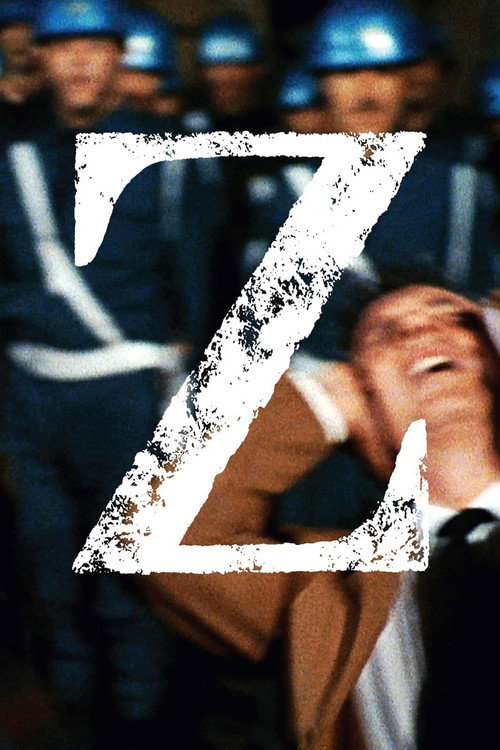
Z1969
Costa-Gavras's masterpiece about political assassination and corruption in a military state. Like The Savage State, it uses a specific tragedy to indict systemic injustice across an entire society, with the same urgent, accusatory force.
But It's didactic and the politics can feel heavy-handed if you're not already engaged with the period and place.
The Battle of Algiers1966
Pontecorvo's revolutionary film about colonial conflict told from the perspective of those resisting occupation. Both films examine the moral bankruptcy of empire, but this one goes further—it's also a technical masterclass in how to film uprising.
But The violence is documentary-stark and the pacing hypnotic rather than traditionally gripping; some will find it remote.

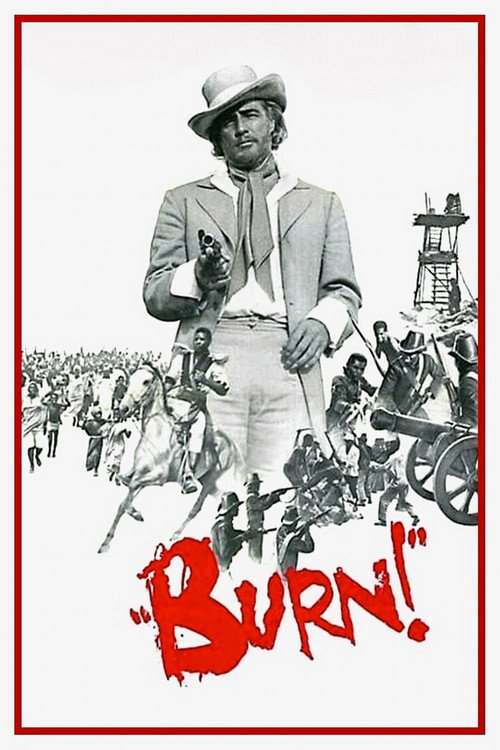
Burn!1969
Elio Petri's film about a colonial agent stoking revolution on a sugar island, starring Marlon Brando. It shares The Savage State's interest in how racism and colonialism corrupt everyone they touch, and asks who profits from chaos.
But The didacticism is even more pronounced and the pacing deliberate; it can feel like a lecture dressed as cinema.
Not sure tonight? Get a pick in a minute, starting from The Savage State
The wildcard
Something you would not have found on your own.
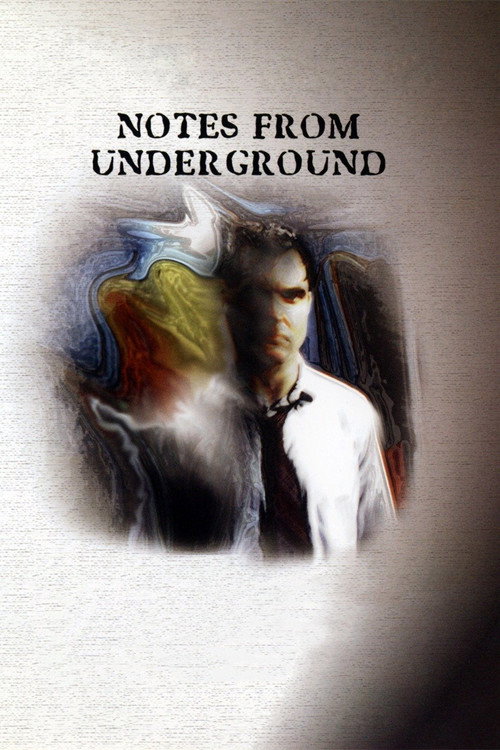
Notes from Underground1995
Both films are interested in how a person's inability to fit into their society—whether by choice or circumstance—becomes a form of self-destruction. The Savage State shows it from outside; Notes from Underground shows it from inside the damaged mind.
Gary Walkow's adaptation of Dostoevsky, with David Strathairn as an alienated man articulating his own degradation. It's a film about how ideology and social rejection can corrode a person into bitterness and self-hatred—the interior landscape of The Savage State's tragedy.
But It's intentionally ugly and static; there's no arc or redemption, just a man talking himself into smaller and smaller corners.
More like this (6)
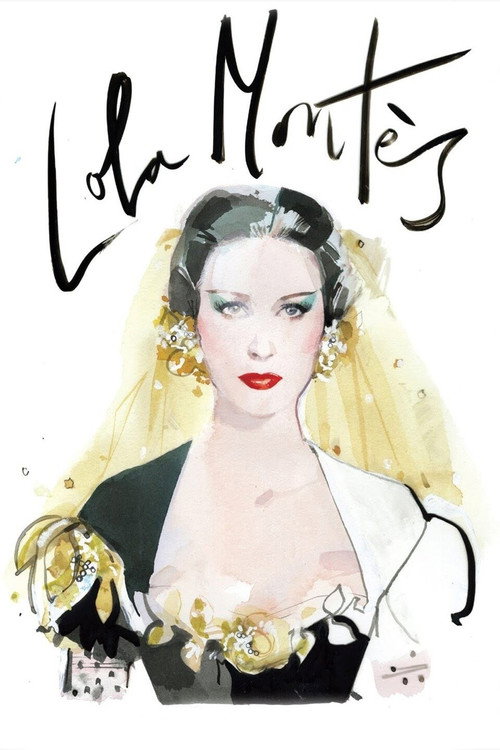
Lola Montès1955
Ophüls's ravishing film about a woman destroyed by the judgment of respectable society. Like The Savage State, it's interested in how a woman's sexuality becomes a screen for collective hypocrisy and violence.
But It's stylistically ornate and emotionally distant in ways that can feel cold rather than tragic.
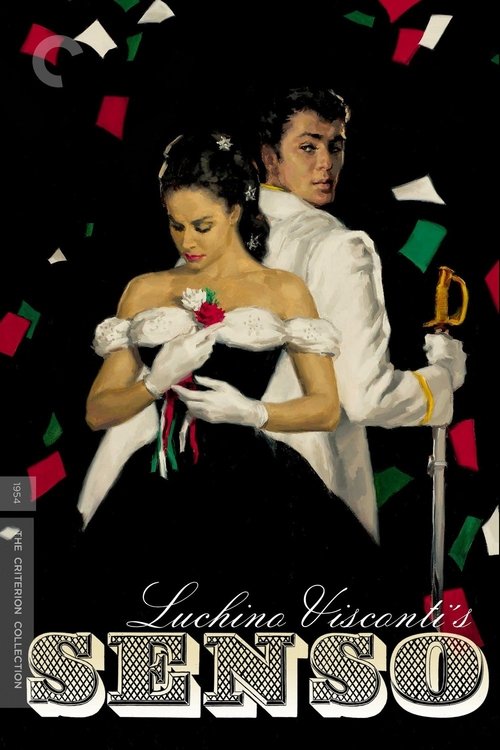
Senso1954
Visconti's Italian masterpiece about a woman from the dominant class who falls for a man from an occupied nation. The affair becomes a study in how power, class, and national identity corrupt desire.
But It's operatic and long; the emotional grandeur won't speak to everyone and the pacing is glacial by modern standards.
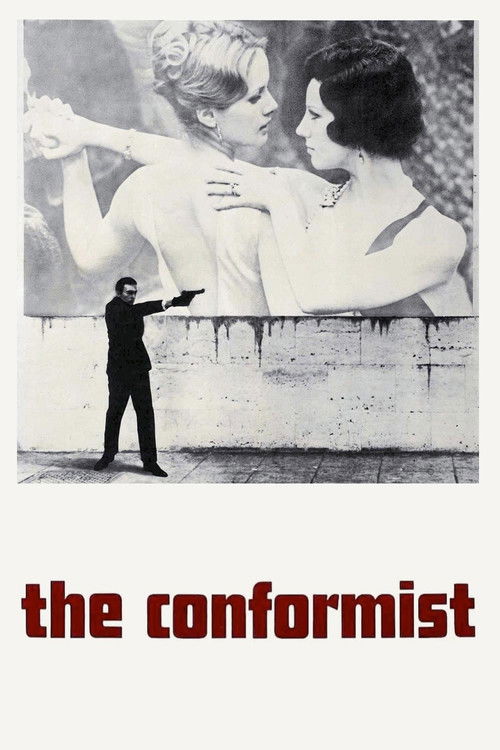
The Conformist1971
Bertolucci's hypnotic film about a man who joins the fascists to be normal. It shares The Savage State's conviction that ideology and prejudice are performative, that people are shaped by the need to belong.
But It's visually dense and narratively fragmented in ways that can feel more like a visual essay than a story.
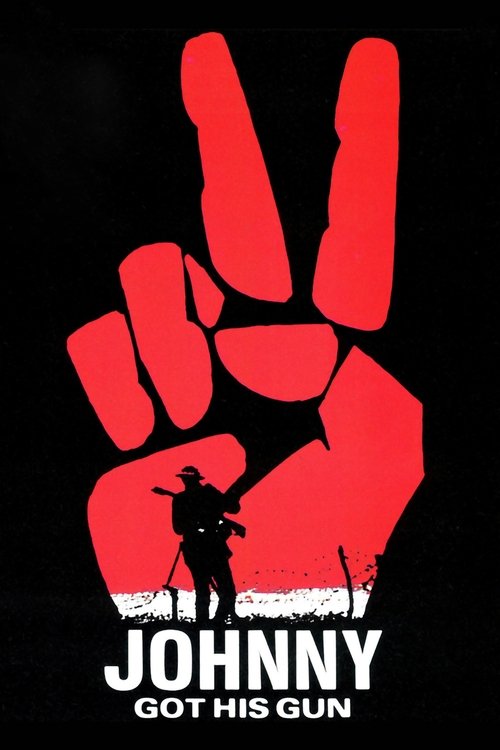
Johnny Got His Gun1971
Dalton Trumbo's harrowing anti-war film about a soldier destroyed by conflict. Both films are uninterested in ambiguity or redemption—they show what violence and ideology do to human beings without flinching.
But It's brutally depressing and the experiential horror can feel punishing rather than illuminating.
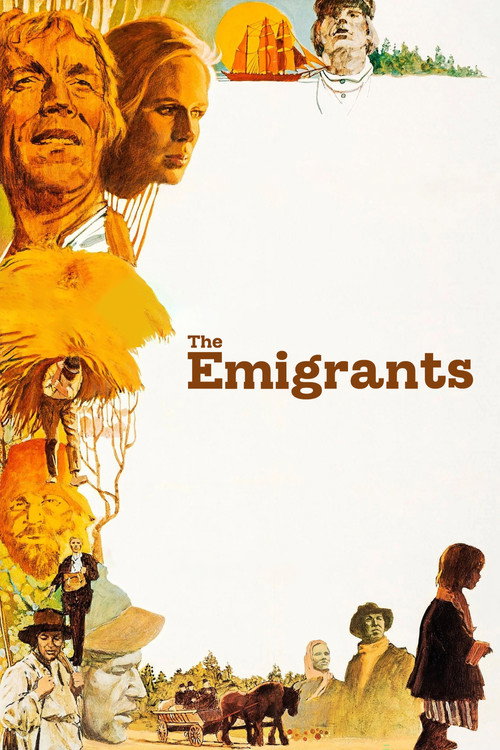
The Emigrants1971
Jan Troell's epic about Swedish families fleeing to America. Like The Savage State, it examines how people navigate radical change and how prejudice and necessity collide in moments of historical rupture.
But It's long, slow, and emotionally cumulative in a way that demands patience; the payoff is spiritual rather than dramatic.
Stalker1979
Tarkovsky's meditative science fiction about desire, belief, and the corruption of the soul. Both films are interested in how ideology and desire deform people; both are pessimistic about human nature.
But It's glacially paced, philosophical, and nearly three hours; it's asking for surrender rather than engagement.

People
Cast
 Marie-Christine BarraultLaurence Laurençon
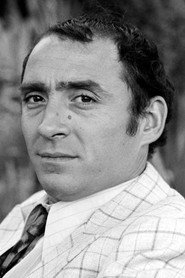 Claude BrasseurGravenoire
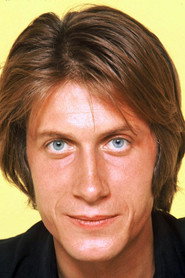 Jacques DutroncAvit
- Doura ManéPatrice Doumbe
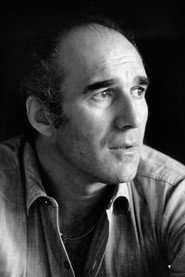 Michel PiccoliOrlaville
- BaaronModimbo
- Umban Gomez de KsetKotoko
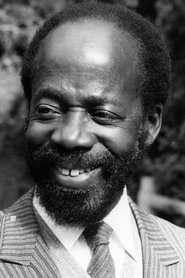 Jean-Baptiste TiéméléGohanda
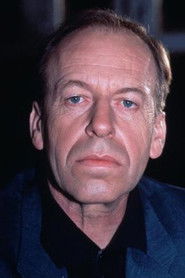 Rüdiger VoglerTristan
- Peter BachelierRenard
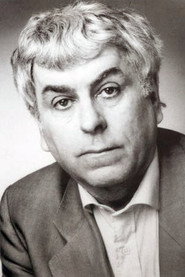 Philippe BrizardPaul
- Pierre WalkerSwiss Minister
Directing
- Francis GirodDirector
Writing
- Francis GirodWriter
- Georges ConchonWriter
Production
- Francis GirodProducer
- Michel PiccoliProducer