
Film
Notes from Underground
- Social drama
- Very dark
- Slow-burning
A 1995 film adaptation of Dostoevsky's caustic novella, transposed to contemporary America. Henry Czerny inhabits a seething, self-aware misanthrope documenting his alienation on video while his life corrodes around him. Bleak, unflinching, and deeply uncomfortable—it's a film that makes you sit with ugliness rather than resolve it, demanding you find something true in its protagonist's spite.
Should you watch it?
Watch it if you enjoy a talky, self-lacerating monologue where the narrator's cruelty is also his most honest thing, and you like a film that argues with itself as much as it tells a story.
Skip it if you want characters who move the plot forward or a warm, easy hour; this is mostly one bitter man's voice circling the same wounds, and the rhythm can feel airless.
What it asks of you: It runs about 88 minutes and asks you to sit with a single unhappy mind for long stretches, with little action and a steady, close, uncomfortable intimacy.
Not sure? Find tonight's pick in a minute.
If you liked this
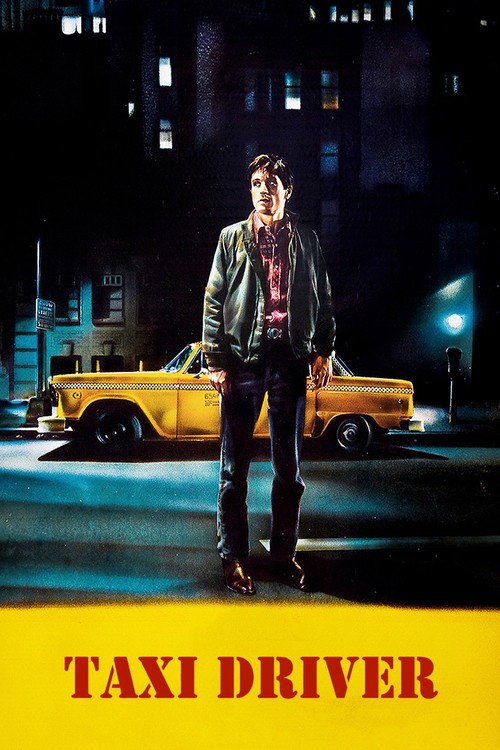
Taxi Driver1976
Travis Bickle is the spiritual ancestor of Underground Man—a isolation-corroded mind documenting urban decay and his own fracture. Scorsese's film has the same claustrophobic intensity and moral rot, with De Niro's performance giving you access to a consciousness you'd rather avoid.
But It's been canonized to death, and its slowness can feel interminable if you're not matching its wavelength. The violence, when it comes, arrives with brutal inevitability.
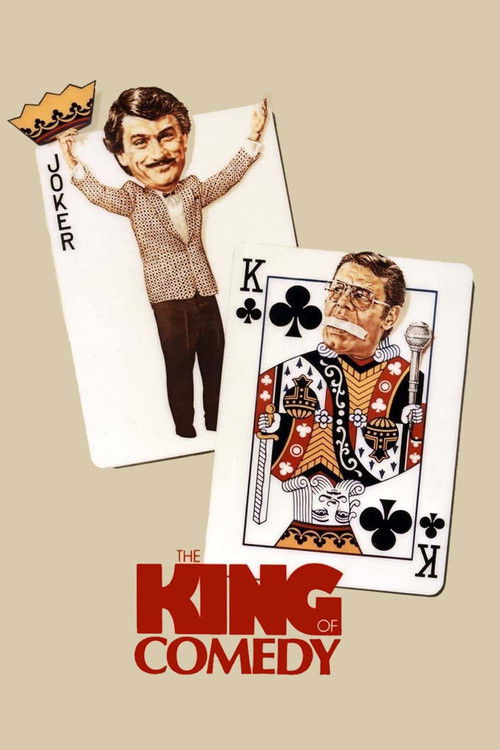
The King of Comedy1982
Another Scorsese-De Niro collaboration about a man whose fantasy life has cannibalised his reality. Like Underground Man, Rupert Pupkin is funny and repellent simultaneously, his delusion reaching outward to damage everyone near him. The cringe is excruciating and completely intentional.
But It's awkward in a way that actively works against enjoyment. Some viewers find it unwatchable precisely because it succeeds at making you uncomfortable.
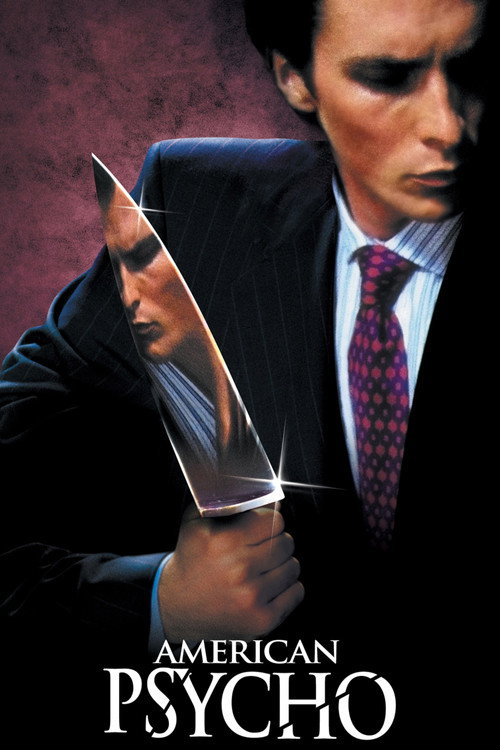
American Psycho2000
Christian Bale's Patrick Bateman is another narrator hollowed out by consumerism and self-regard, performing his own life with meticulous cruelty. Both films weaponize unreliable narration and dark comedy to examine ego's corrosive effects. The satire lands harder because you can't quite dismiss it.
But The violence is graphic and its treatment of women is deliberately repugnant. It can feel like style consuming substance, even though the style is the substance.
Not sure tonight? Get a pick in a minute, starting from Notes from Underground
The wildcard
Something you would not have found on your own.
Sans Soleil1983
Both use narcissistic self-documentation as a formal conceit and a moral trap. The camera becomes a barrier between the self and experience, not a window into it.
Chris Marker's essayistic documentary is a fevered meditation on memory, alienation, and the spaces between observation and living—Underground Man's self-consciousness as a formal technique. It shares the protagonist's conviction that recording life is itself a form of retreat from it. Hypnotic and genuinely disorienting.
But It has no conventional narrative. It's a collage of found footage, voiceover, and digression; if you need causality or closure, you won't find it.

More like this (8)
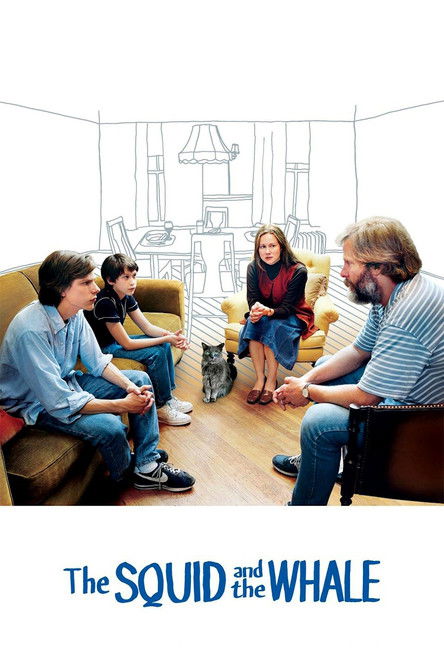
The Squid and the Whale2005
Noah Baumbach captures the same provincial bitterness and self-deluding resentment, here bleeding from a failed intellectual into his son. It's painfully funny because everyone is right about their grievances and completely wrong about everything else. The shame radiates off the screen.
But Watching people fail to grow or connect can feel punishing. If you need catharsis or moral clarity, Baumbach won't provide it.
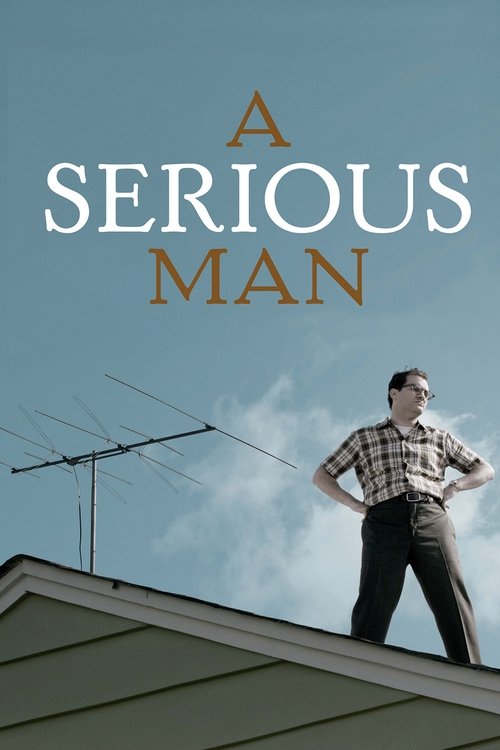
A Serious Man2009
The Coen Brothers adapt existential despair into something almost absurd—a man trying to be good while the universe actively humiliates him. It shares Underground's sense that clarity might be the cruelest thing available, and that sincerity is no protection against meaninglessness.
But It's deliberately evasive about what it means, which some find brilliant and others find infuriating. The ending offers no resolution, only a kind of shrug.
Synecdoche, New York2008
Charlie Kaufman's film is about a man building an elaborate fiction to avoid living his actual life—the same recursive trap Underground Man falls into. It's baroque and sometimes impenetrable, but it earns its ambition by refusing easy answers about art, mortality, and self-deception.
But It's dense and requires active interpretation. Some find it pretentious; others find it demands more of the viewer than it earns.

In the Mood for Love2000
Wong Kar-wai's meditation on longing and isolation, told through precise geometry and colour rather than dialogue. It's the inverse of Underground's confession—interior life expressed through restraint and visual poetry. Both films prove you can convey emotional suffocation without ever leaving a room.
But If you're expecting plot, you'll be disappointed. It's a mood and a technique; some viewers find it glacial and airless.

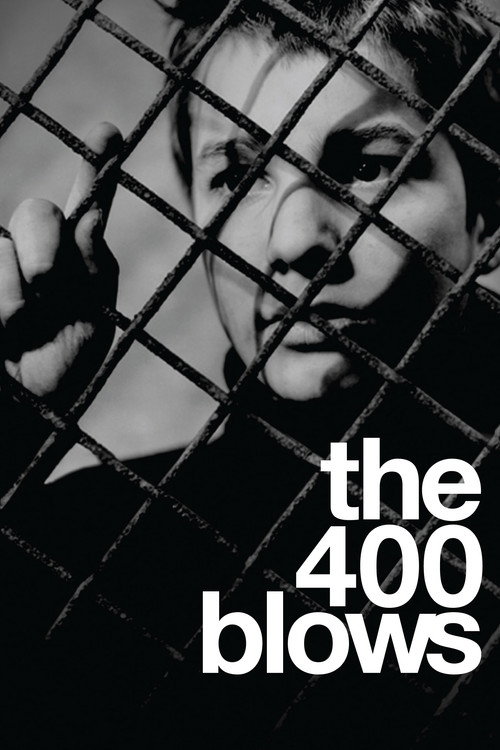
The 400 Blows1959
Truffaut's portrait of alienated youth—a boy whose isolation hardens into something unbreakable. Where Underground Man has words, Antoine has silence and gesture. Both films trust the viewer to find tragedy in the small failures of connection, the way people talk past each other.
But It's distant in a deliberate way that can feel cold. The ending won't comfort you, and neither will the journey there.
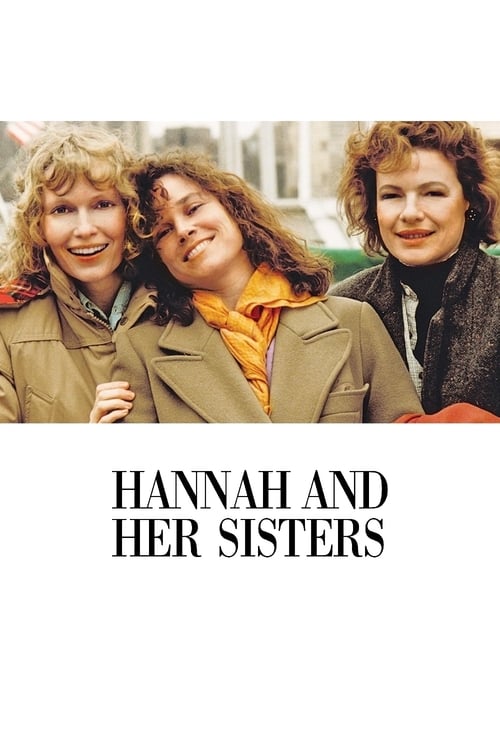
Hannah and Her Sisters1986
Woody Allen at his most acidic about urban narcissism and self-regard. Multiple perspectives on the same failures, jealousies, and self-deceptions—if Underground gave us one man's bitter monologue, this gives you the full cast of characters justifying their own spite and denial.
But Allen's neurotic voice can feel dated or indulgent. The film's treatment of its female characters feels uneven by modern standards.
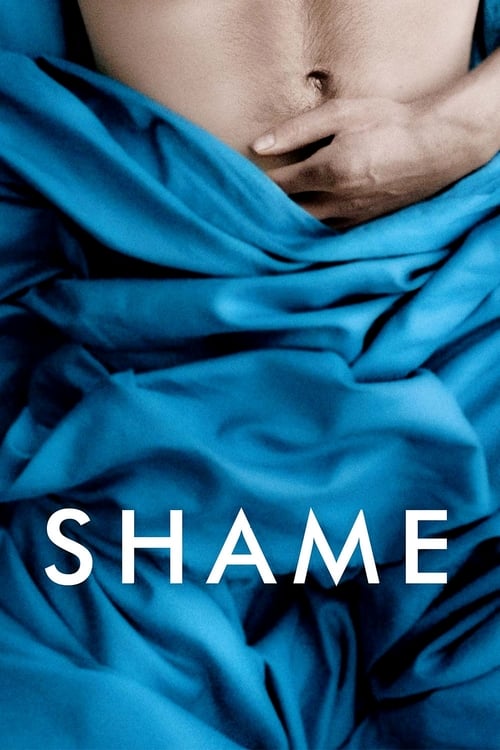
Shame2011
Both centre on shame as an engine. Where Notes uses words to dissect it, Shame uses image and performance to embody it without narration—two languages for the same interior collapse.
Steve McQueen's film tracks a Manhattan professional's compulsive sexual behaviour as an expression of the same self-hatred and loneliness that drives Underground Man. It's formal, almost silent, letting behaviour speak where Dostoevsky used confession. The precision is agonising—you feel the trap closing without dialogue to explain it.
But It's sexually explicit in ways that serve the film's argument but can be difficult to watch. The protagonist never self-reflects, which some find evasive rather than powerful.
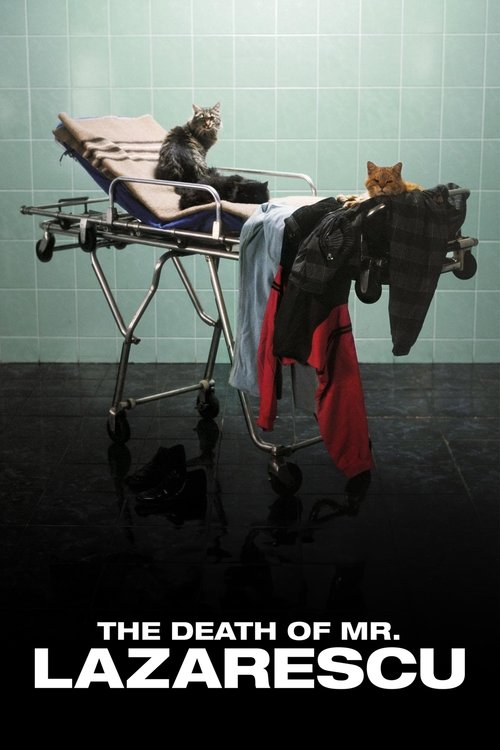
The Death of Mr. Lazarescu2005
Both films locate cruelty not in individual malice but in structures and indifference. The horror is systemic, and the protagonist is too small to resist it—or even fully understand it.
Cristi Puiu's Romanian masterpiece follows an aging, ailing man through a single night of medical bureaucracy. It shares Underground Man's fundamental conviction that systems are indifferent to individual suffering. Where Dostoevsky's character rages, Lazarescu endures in near-silence. Both examine how dignity corrodes under contempt.
But It's 156 minutes of near-real-time documentation of humiliation and bodily decay. There's no wit to defang the bleakness, only stubborn observation. It's a trial to watch.
People
Cast
 Henry CzernyThe Underground Man
 Sheryl LeeLiza
 Vic PolizosHoward the Contractor
 Jon FavreauZerkov
 Tony AbatemarcoFirst Lucky Architect
- Casey FalloAttractive Architect
- Erica FrazerMrs. Zerkov (Fantasy)
 Seth GreenNerdsy Boy
- Jack KellerMaitre'd
- Ivan H. MigelCabbie
- Frederik NilsenWaiter
Directing
- Gary WalkowDirector
Writing
- Fyodor DostoevskyNovel
- Gary WalkowWriter
Recommended by
The Man in the Gray Flannel Suit, Blank City, Crime and Punishment, Hunger, The Savage State