
Film
America America
Elia Kazan's epic follow-up to On the Waterfront, *America America* is a sprawling, intimate portrait of ambition and displacement. A young Greek-Turkish boy loses his family's savings and commits himself to reaching America, no matter the cost. It's a film about hunger—for escape, for dignity, for a second life—shot in real locations across Turkey and Greece. For anyone moved by stories of migration, or by cinema that treats ordinary people's dreams as genuinely monumental.
Should you watch it?
Watch it if you like slow-building immigrant epics driven by one restless young man's hunger and stubborn will, where the sweep of history is felt through small, sharp human choices.
Skip it if you need brisk pacing or a lighter touch, since it runs nearly three hours and lingers on hardship with little relief along the way.
What it asks of you: Settle in for close to three hours of patient, deliberately paced scenes, with long stretches of travel and waiting that build weight rather than plot.
Not sure? Find tonight's pick in a minute.
If you liked this
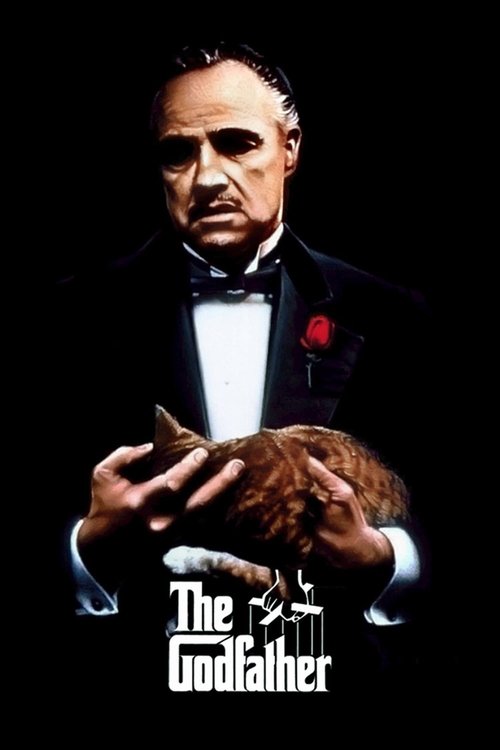
The Godfather1972
Like *America America*, it traces immigrant ambition across generations and geography, rooted in specific cultural texture. Coppola learned from Kazan's method of grounding epic stories in family loyalty and earned struggle.
But Three hours, dense with plot, and concerned with organized crime rather than pure survival. The mythology can overshadow individual moments.
Bicycle Thieves1948
De Sica's neorealist masterpiece shares Kazan's belief that small, ordinary struggles for survival contain all the drama cinema needs. A man's desperate search for his stolen bicycle becomes a meditation on dignity and fatherhood.
But The pacing is slow and deliberate. There's no rousing climax, and the ending cuts close to the bone.

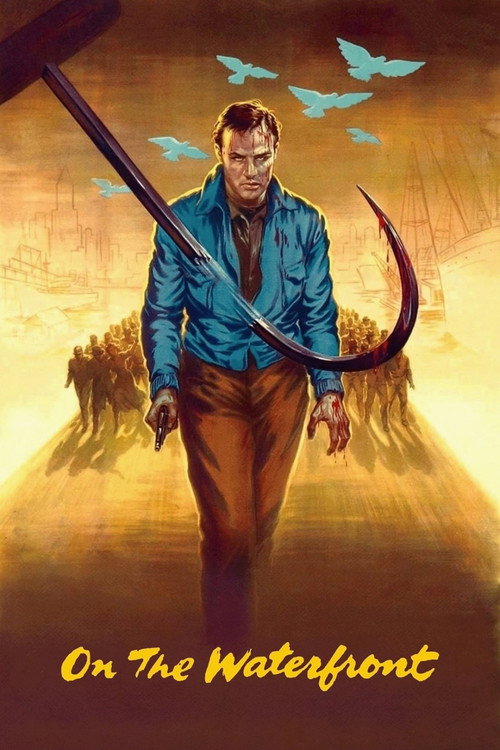
On the Waterfront1954
Kazan's previous triumph, exploring working-class courage and corruption with the same muscular authenticity and handheld immediacy. Brando's performance shows what Kazan drew from his actors.
But The messaging about informing feels dated now. It's also a very different film—smaller, urban, more politically pointed.
Not sure tonight? Get a pick in a minute, starting from America America
The wildcard
Something you would not have found on your own.
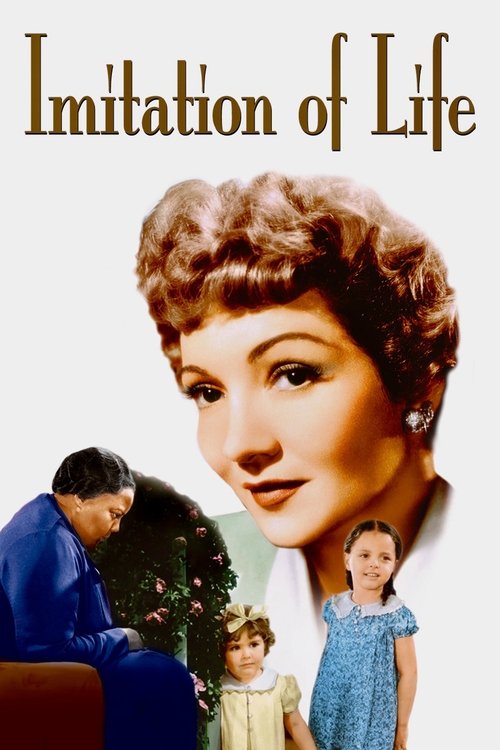
Imitation of Life1934
Both films are about immigrants or outsiders willing to betray their own origins for a chance at the American dream. Both ask whether that dream is worth its cost.
John M. Stahl's original (before Sirk's 1959 remake) is about ambition, reinvention, and what you sacrifice to claw upward in America. It's melodramatic where Kazan is neorealist, but the hunger is the same.
But It's a woman's picture about show business, and heavily dated in its attitudes. The emotional registers are closer to soap opera than to Kazan's grounded approach.
More like this (8)
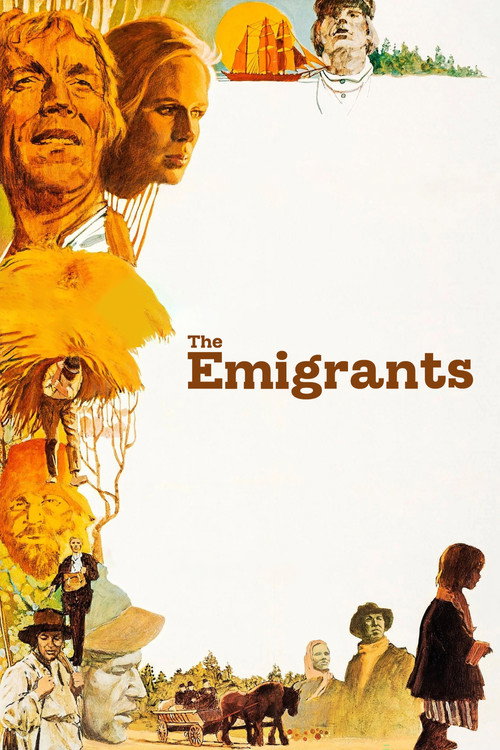
The Emigrants1971
Jan Troell's Swedish epic follows a family's journey to America in the 19th century. It has the same scale, scope, and commitment to showing the actual grinding difficulty of migration.
But It's nearly four hours, and it moves with the pace of a long journey. Some viewers find it glacially slow.
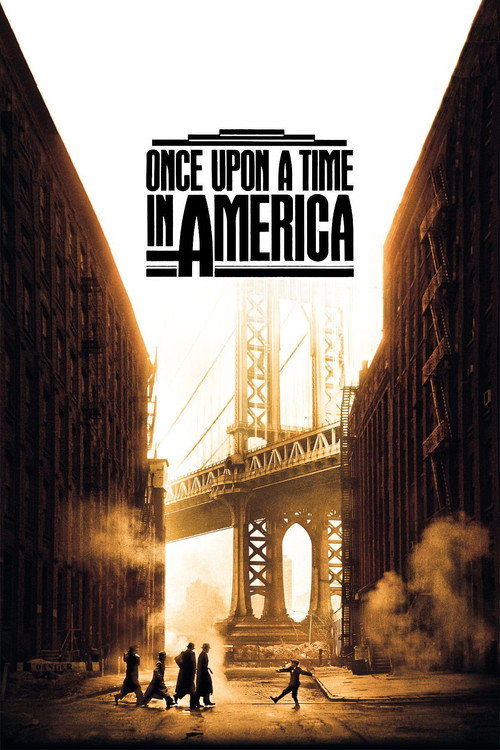
Once Upon a Time in America1984
A later Czech-American co-production about Eastern European immigrants, made with similar location shooting and attention to historical detail. Less emotionally intense than Kazan, but genuinely moving.
But It's considerably more obscure and less polished. The production values show its modest budget.
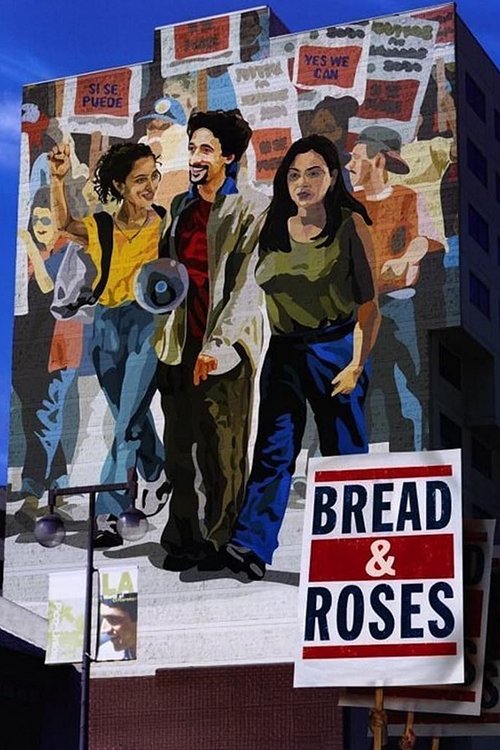
Bread and Roses2000
Ken Loach's film about undocumented Latina workers organizing in Los Angeles carries forward Kazan's interest in how ordinary people struggle for dignity and fair treatment.
But It wears its politics very openly. Some find it polemical rather than dramatically surprising.
The Last Temptation of Christ1988
Scorsese's other Scorsese-Kazan connection: a sprawling, location-shot spiritual epic about a man's inner conflict and his journey toward commitment, filmed with documentary-like intensity.
But Nearly three hours of theological disputation and bodily suffering. Actively controversial, and deliberately blasphemous.
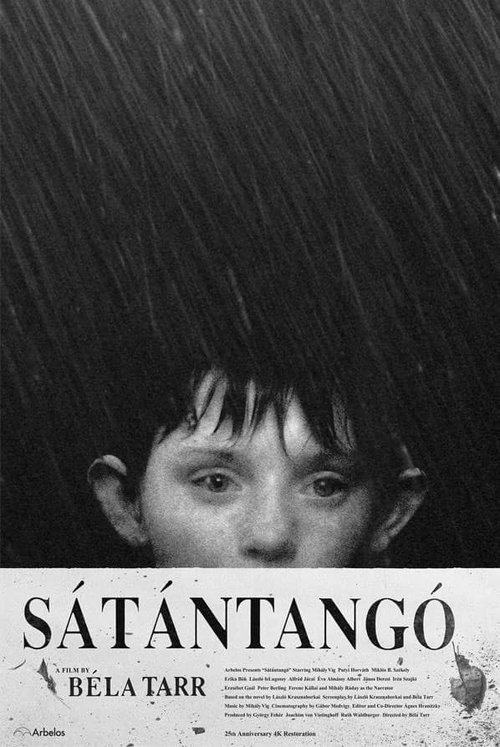
Satantango1994
Béla Tarr's Hungarian epic about a community in moral and economic collapse shares *America America*'s conviction that cinema can sit with ordinary lives and find mythic weight in them.
But Seven and a half hours, in black and white, moving at its own glacial pace. Only for viewers patient with extreme cinema.
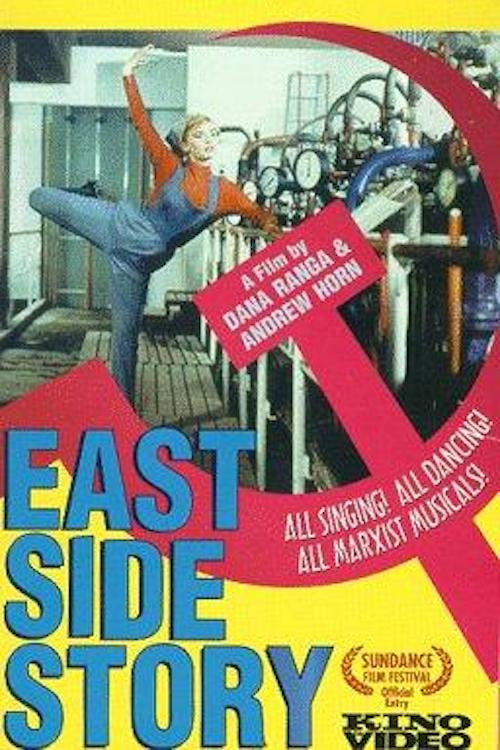
East Side Story1997
A documentary about a musical adapted from *West Side Story* performed by an East German youth brigade. An odd parallel: different cultures' attempts to tell their own immigrant and working-class stories.
But It's a documentary about a curiosity. The novelty can feel thin, and it lacks *America America*'s emotional core.
Tokyo Story1953
Both center on displacement—on people caught between where they belong and where they must go—and both find profound grace in that tension rather than resolving it.
Ozu's chamber piece about aging parents visiting their son in the city is quieter than *America America*, but it shares an aching belief in the dignity of ordinary people and the terrible migrations that separate families.
But Nothing happens. It's a film of silences, tea, and conversation. If you need plot momentum, you will not find it here.

Stalker1979
Both are films about desire as the engine of narrative. A man moves through geography toward salvation or redemption or America, and the film tracks not the arrival but the transformation that happens in the wanting.
Tarkovsky's science-fiction pilgrimage is about one man's journey toward a mysterious goal, filmed with hypnotic attention to landscape and the interior life. It's metaphysical where Kazan is material, but the structure of yearning is identical.
But Over two hours of very slow Soviet science fiction. No action, no conventional drama. Requires patient, active watching and rewards total submission to its rhythm.

People
Cast
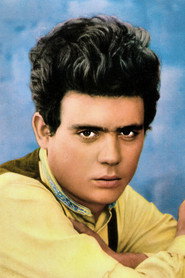 Stathis GiallelisStavros Topouzoglou
 Frank WolffVartan Damadian
- Harry DavisIsaac Topouzoglou
- Elena KaramVasso Topouzoglou
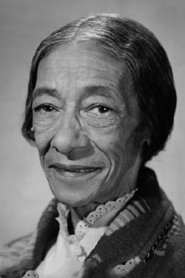 Estelle HemsleyGrandmother Topouzoglou
- Gregory RozakisHohannes Gardashian
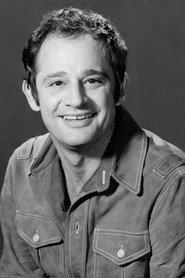 Lou AntonioOsman
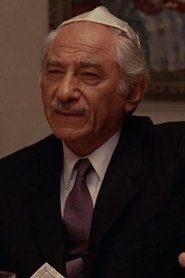 Salem LudwigOdysseus Topouzoglou
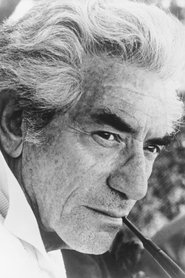 John MarleyGarabet
 Joanna FrankVartuhi
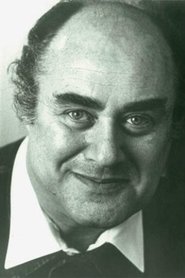 Paul MannAleko Sinnikoglou
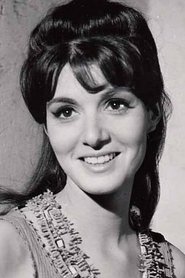 Linda MarshThomna Sinnikoglou
Directing
- Marie KenneyContinuity
- Elia KazanDirector
Writing
- Elia KazanWriter
Production
- Charles H. MaguireAssociate Producer
- Elia KazanProducer
Recommended by
The Namesake, Hester Street, Sinatra: All or Nothing at All, A Letter to Elia