
Film
A Letter to Elia
- Slow-burning
Martin Scorsese narrates a sixty-minute portrait of Elia Kazan, the director who shaped American cinema but whose legacy was complicated by his testimony during the blacklist era. Using archive footage and clips from Kazan's masterpieces, the film traces his journey from theatre to Hollywood while grappling honestly with the moral weight of his choices. It's a meditation on artistic greatness and ethical compromise.
If you liked this
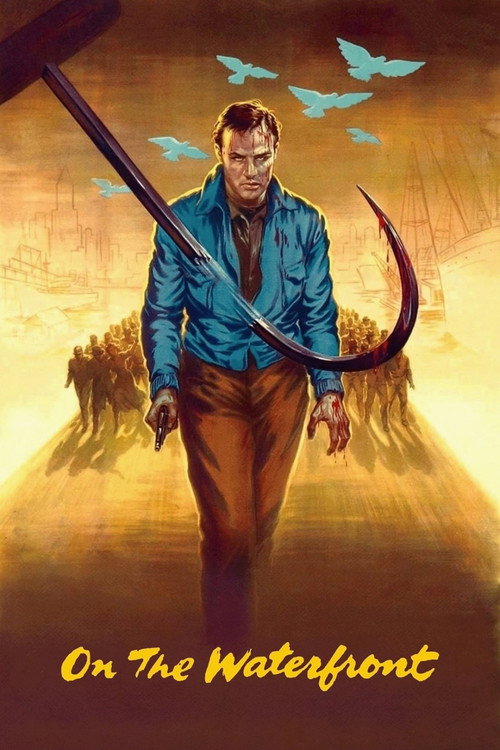
On the Waterfront1954
Kazan's masterpiece about corruption and conscience, featuring Marlon Brando's transformative performance. It's the work that shaped the American cinema Scorsese himself inherited and built upon.
But The moral ambiguity at its centre—a film about informing made by an informer—can feel uncomfortably meta, which some find distracting rather than illuminating.
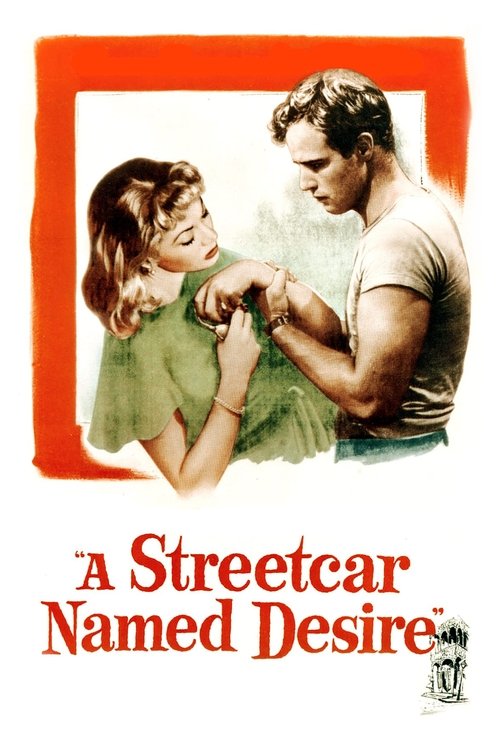
A Streetcar Named Desire1951
Tennessee Williams' searing drama about desire and brutality, with Brando and Vivien Leigh at peak intensity. Kazan's direction finds the raw humanity beneath the Southern Gothic theatricality.
But It's sexually charged and psychologically violent in ways that feel dated to some modern viewers; the pacing can feel stagey if you're not attuned to classic Hollywood rhythm.
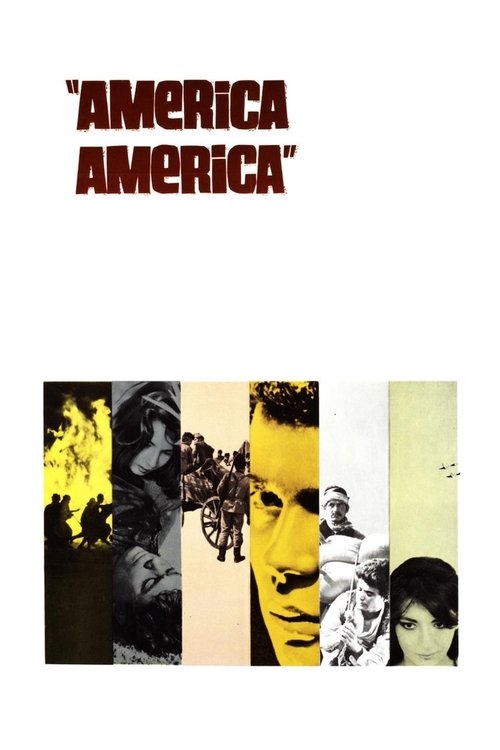
America America1963
An epic, personal odyssey about an Armenian boy's journey to America. Kazan's most autobiographical film, visually stunning and narratively ambitious in a way that prefigures later art cinema.
But At nearly three and a half hours, it's demanding and sometimes meandering; it's not as dramatically tight as his earlier work, which can test patience.
Not sure tonight? Get a pick in a minute, starting from A Letter to Elia
The wildcard
Something you would not have found on your own.
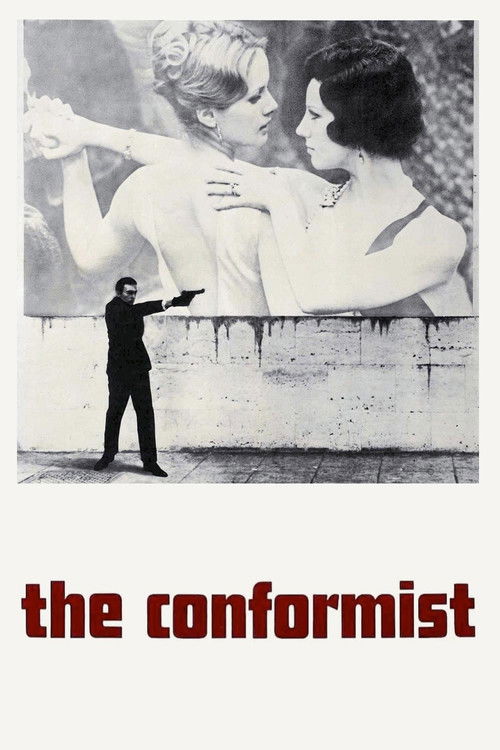
The Conformist1971
Both films grapple with how talented, sensitive people justify collaboration and betrayal. Where Kazan worked in immediate emotional realism, Bertolucci uses style itself as a critique of fascism and complicity—two approaches to the same moral reckoning.
Bernardo Bertolucci's masterpiece about an Italian fascist and the psychology of moral surrender. It asks the same questions Scorsese raises about Kazan—how do intelligent people rationalize complicity?—but through Italian neorealism and visual abstraction rather than American realism.
But It's a challenging film for general audiences: glacially paced, formally complex, and morally claustrophobic in ways that demand active engagement rather than passive watching.
More like this (8)
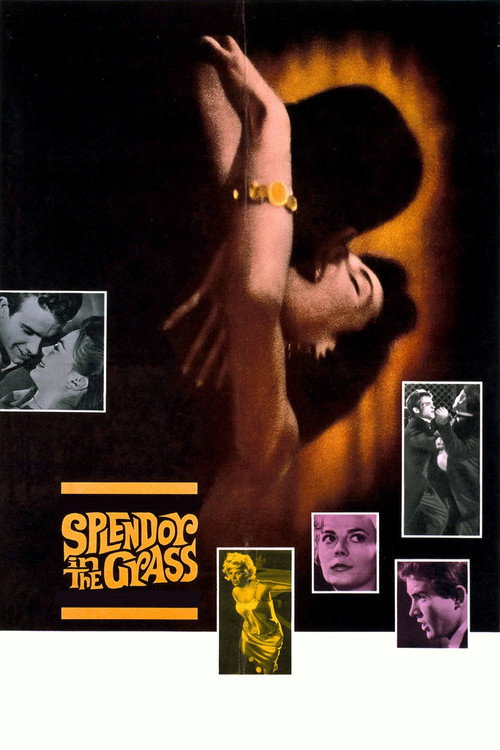
Splendor in the Grass1961
A lush, heartbreaking teen romance that captures the suffocation of repression and small-town morality. Warren Beatty and Natalie Wood are luminous, and Kazan's sympathy for his young characters is absolute.
But The Freudian psychology feels very 1961, and the sexual attitudes, even sympathetically handled, date the film noticeably.
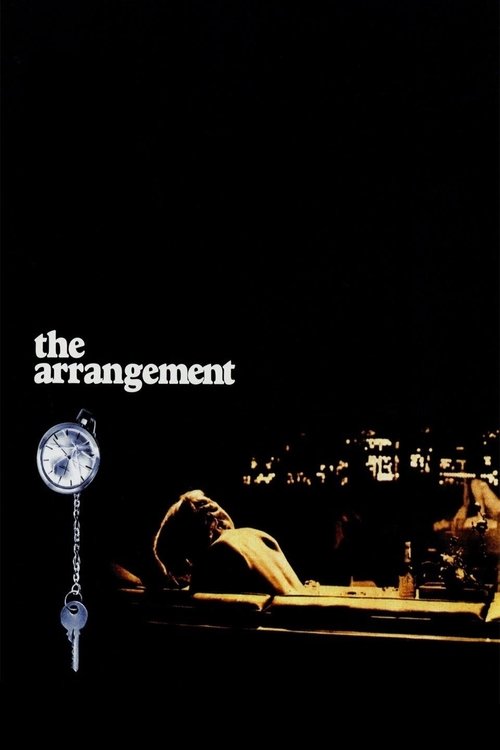
The Arrangement1969
A late-career Kazan exploring ego, infidelity, and existential crisis in Manhattan. It's strange, ambitious, and deeply personal in ways mainstream cinema rarely permits.
But It's messy and divisive; some find it pretentious or unfocused, and it lacks the dramatic clarity of his greatest work.
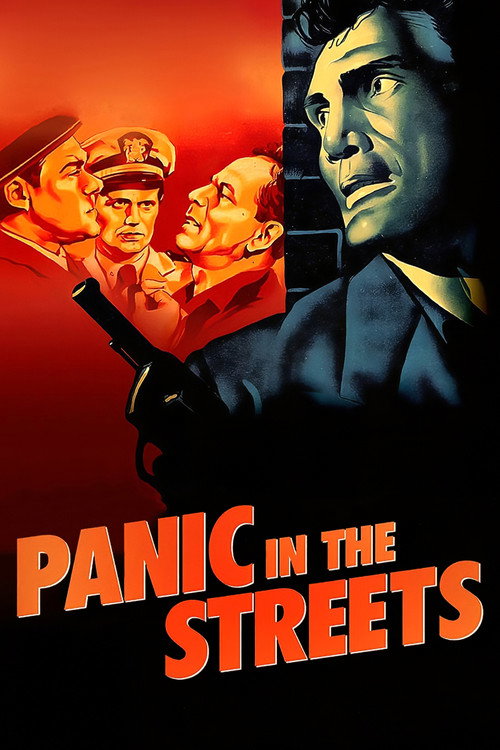
Panic in the Streets1950
A lean, atmospheric thriller about a plague outbreak in New Orleans. Early Kazan—taut, humanistic, with location shooting that influenced post-war realism across cinema.
But It's less character-driven than his later work; if you want Kazan's emotional depth, this is more procedural than profound.
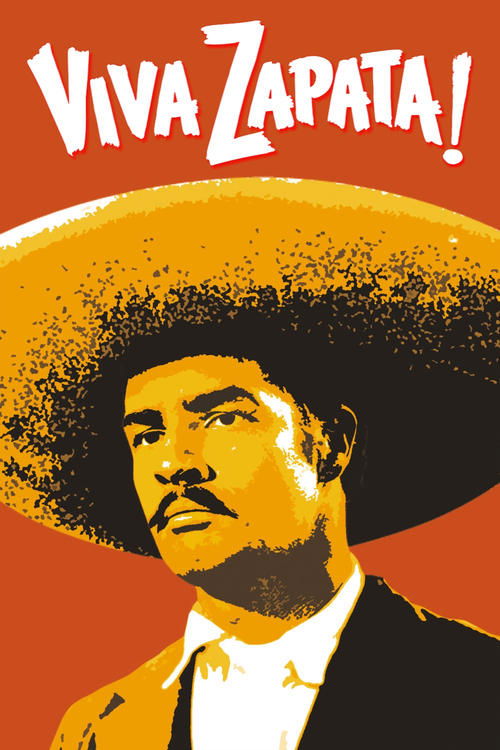
Viva Zapata!1952
A Mexican Revolution epic with Marlon Brando and Jean Peters. Kazan explores idealism, corruption, and the cost of revolution with rare nuance for a mainstream Hollywood film.
But The political allegory to McCarthyism can feel heavy-handed; some find the film's moral posturing simplistic given Kazan's own choices during that era.
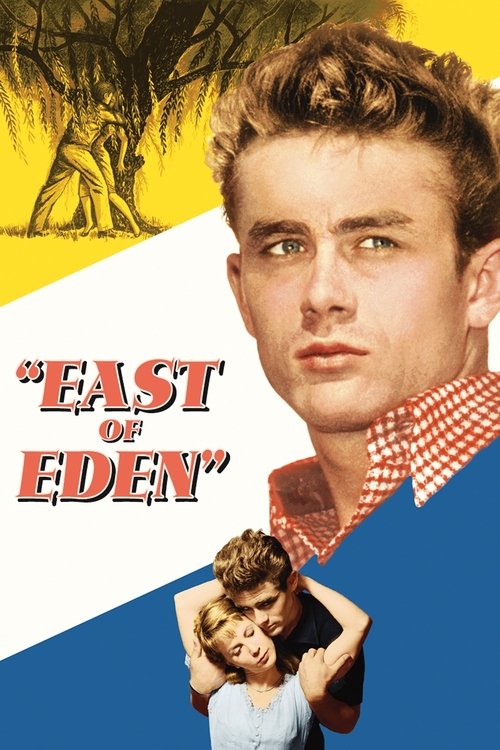
East of Eden1955
James Dean's debut, directed by Kazan into something genuinely tragic. A masterwork of generational tension and biblical allegory set in California farmland. Kinetic, deeply felt.
But Dean's method intensity, while revelatory, can overwhelm the film's gentler moments; it's visually gorgeous but sometimes oppressively so.
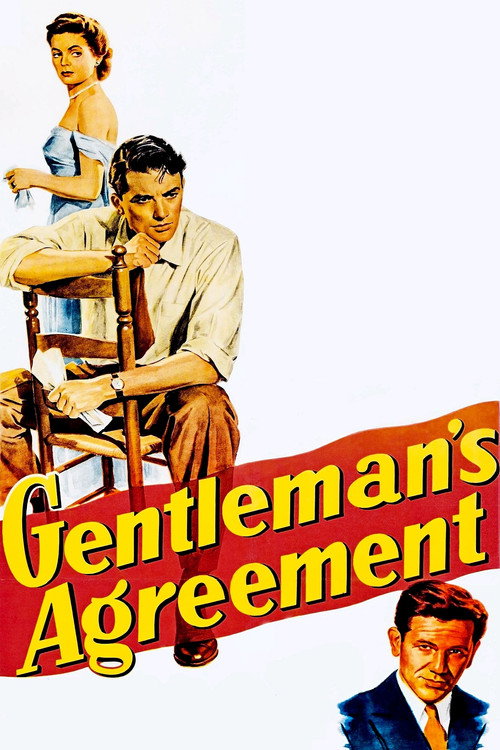
Gentleman's Agreement1947
A prestige drama about antisemitism in post-war America. It's socially engaged filmmaking, shot with Kazan's characteristic clarity and moral directness.
But Its earnestness about prejudice feels didactic now; the problem-picture approach, while well-intentioned, lacks the nuance of Kazan's greatest work.
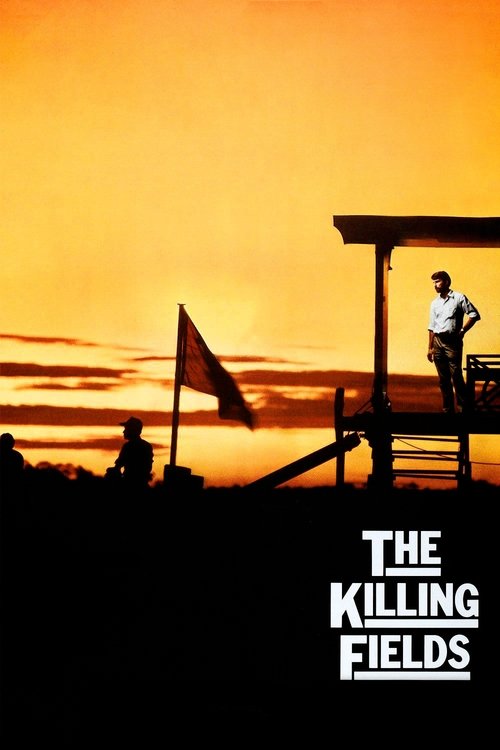
The Killing Fields1984
Both this and 'A Letter to Elia' examine how artists and witnesses navigate between personal conscience and larger historical forces. Where Kazan testified against friends, this film examines the cost of bearing witness to atrocity—different moral weights, same essential question about complicity and survival.
Roland Joffé's wrenching account of Cambodia's genocide and a journalist's escape. It's political cinema that honours both the individual and the historical, with performances of devastating authenticity.
But It's harrowing and graphic; watching it feels like a moral obligation rather than entertainment, and it leaves you shaken in ways designed cinema rarely does.
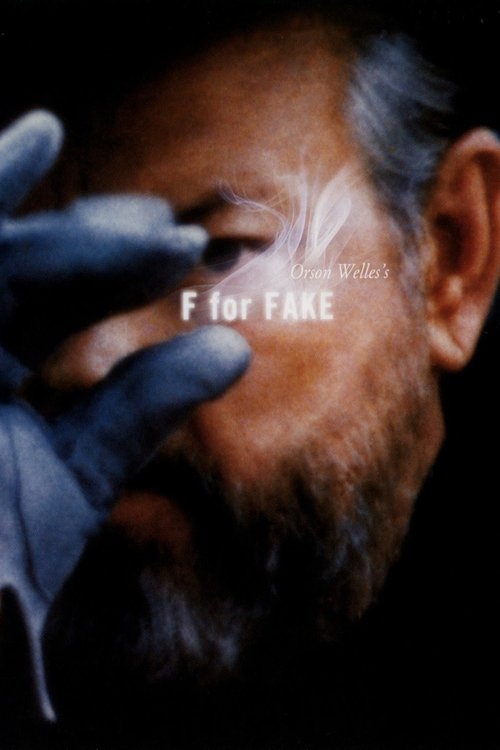
F for Fake1973
Welles, like Kazan, was a titan of cinema whose legacy was complicated by personal behaviour and political allegiances. This film explores how we judge art made by flawed people—a question 'A Letter to Elia' can't avoid but 'F for Fake' answers by dissolving the boundary between truth and representation entirely.
Orson Welles' dazzling essay-film about art, fraud, and authenticity. It's formally playful, intellectually thrilling, and it asks: what makes a work of art real? Welles' answer is stranger than you'd expect.
But It's formally fractured and conceptually demanding; some see it as Welles at his most self-indulgent rather than his most brilliant. It requires active intellectual participation.
People
Cast
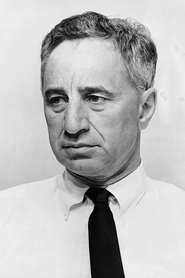 Elia KazanSelf (archive footage)
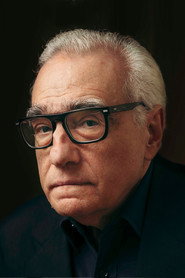 Martin ScorseseSelf - Narrator
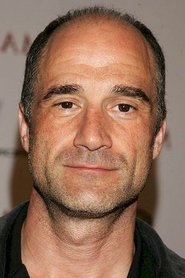 Elias KoteasElia Kazan (Voice)
Directing
- Kent JonesDirector
- Martin ScorseseDirector
Production
- Rachel ReichmanCo-Producer
- Diane KolyerConsulting Producer
- Stone DouglassExecutive Producer
- Taylor MaterneExecutive Producer
- Emma Tillinger KoskoffProducer
- Martin ScorseseProducer