
Film
East Side Story
Other titles called East Side Story: the 2006 film.
A 1997 documentary exploring Communist-era musicals from Eastern Europe and the Soviet Union—films that had to satisfy both ideology and entertainment. It's a fascinating look at how state systems shaped art, and the weird ingenuity of artists working within those constraints. For anyone curious about how politics shapes culture, or just charmed by the sheer strangeness of propaganda that's also genuinely fun to watch.
Should you watch it?
Watch it if you find propaganda more fascinating than persuasive, and enjoy watching earnest filmmakers try to squeeze tractors, factory whistles and sunny collective farms into song-and-dance numbers.
Skip it if you want a rigorous history lesson, since this is a brisk, clip-driven ride that keeps moving rather than lingering on context.
What it asks of you: Seventy-eight minutes of brisk clips, asking you to stay alert to the gap between what these films intended and what they actually show.
Not sure? Find tonight's pick in a minute.
If you liked this
Singin' in the Rain1952
The gold standard of Hollywood musicals, bursting with innovation and joy. If you're exploring how musicals work—their logic, their architecture—this is where Western cinema proved what the form could do.
But It's famously joyful in a way that can feel saccharine if you're not in the mood. Nearly seventy years old, and the pacing assumes patience.

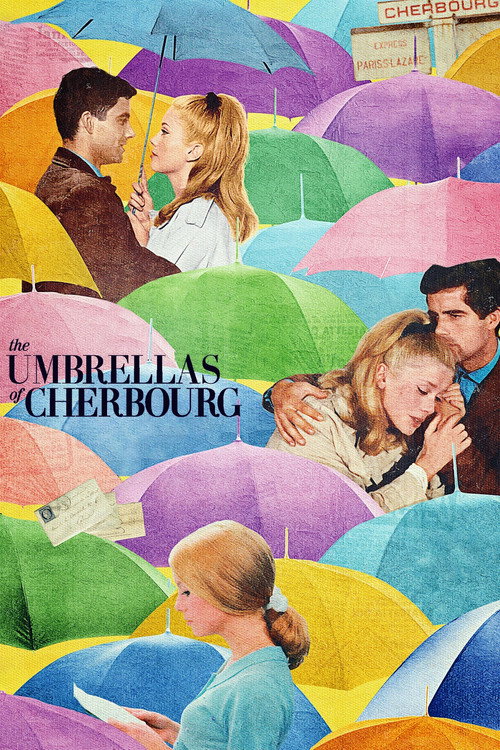
The Umbrellas of Cherbourg1964
A French musical that's pure colour and emotion, with no spoken dialogue—everything is sung or danced. It's a masterclass in how music can *replace* dialogue entirely and still tell a story clearly.
But If you find subtitles exhausting, the all-sung format adds another layer of work. The romance is delicate rather than dramatic.
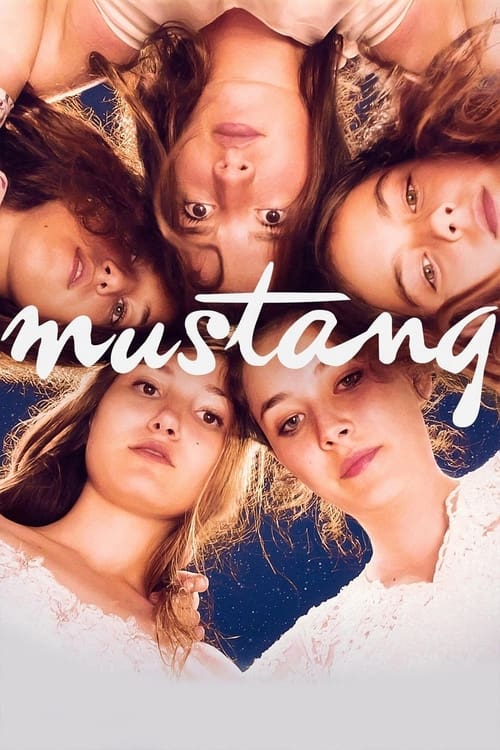
Mustang2015
A Turkish film where music, dance, and storytelling weave together under heavy state pressure. It shows how artists use the tools of musicals—rhythm, bodies, song—to resist constraint and express what can't be said directly.
But It's not buoyant. The joy is hard-won and the subject is the oppression of young women. It's beautiful but it will sit with you heavily.
Not sure tonight? Get a pick in a minute, starting from East Side Story
The wildcard
Something you would not have found on your own.
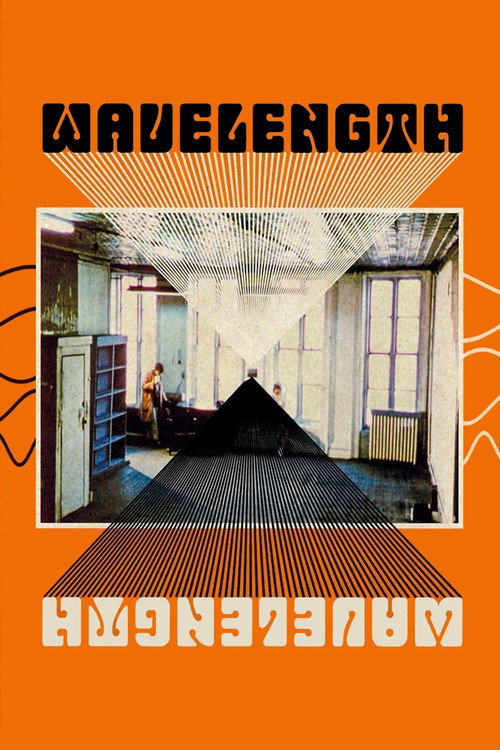
Wavelength1967
Both *East Side Story* and *Wavelength* are about how constraint—ideological, formal, or otherwise—forces artists to think laterally. Both prove that 'limitation' doesn't mean 'boring.'
An experimental film by Michael Snow that's 45 minutes of a single camera zoom into a room, with a soundtrack that evolves alongside the image. It's hypnotic and makes you hear space differently—proof that rhythm and pacing are musical even without melody.
But There is almost no narrative event. If you need plot or character, this is not a film for you—it's a meditation. It requires active, patient watching.
More like this (8)
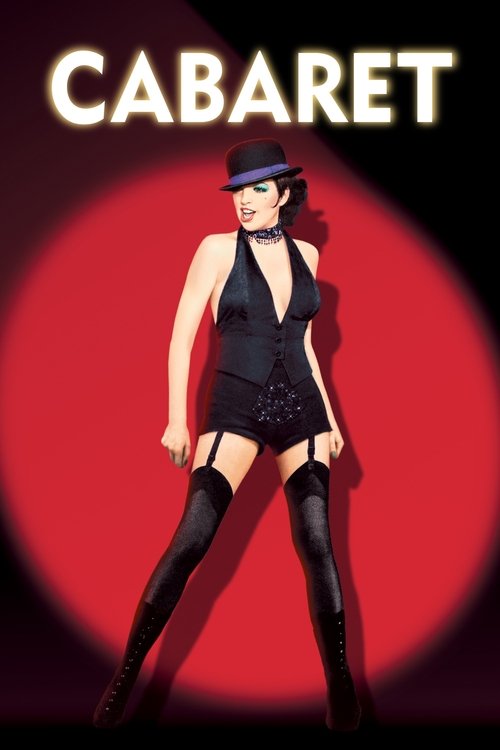
Cabaret1972
A musical set in Weimar Germany with political dread underneath the sequins and jazz. It nails the dissonance between entertainment and ideology, between spectacle and collapse.
But The satire can feel overdone now—the 'decadence versus fascism' argument has been made many times since. And it's genuinely grim underneath the glitter.
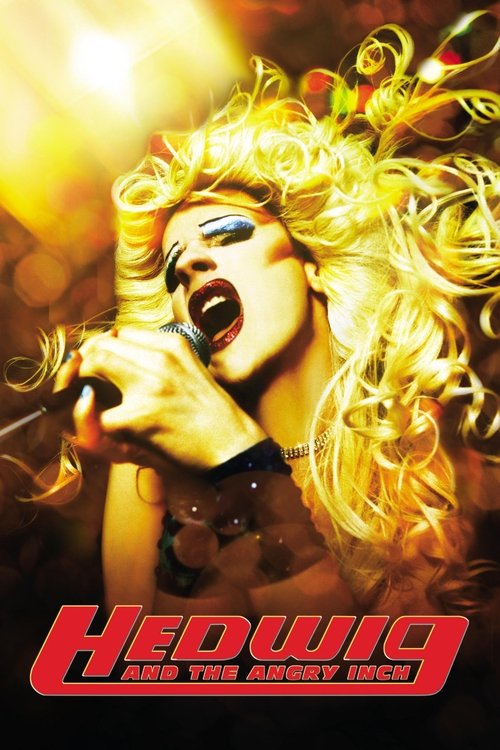
Hedwig and the Angry Inch2001
A rock musical about identity, exile, and survival that was originally a stage show. It has real edge alongside real heart, and uses music to explore displacement in ways that feel urgent and personal.
But The rock aesthetic won't suit everyone. The plot is deliberately fragmented and non-linear, which some find frustrating rather than avant-garde.
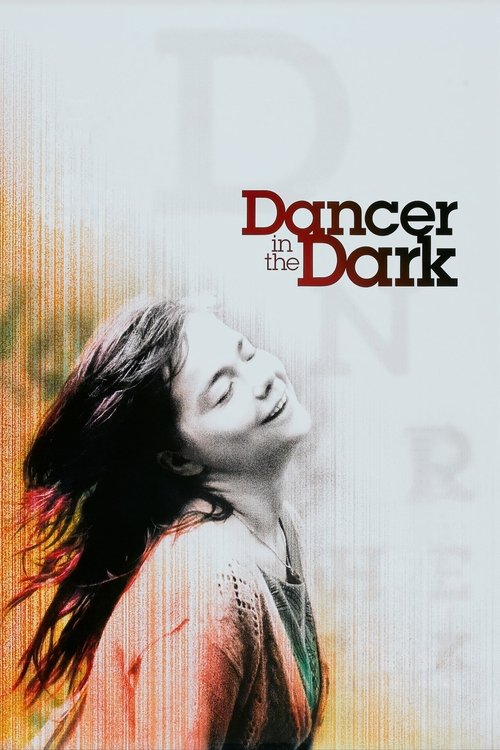
Dancer in the Dark2000
Lars von Trier's devastating film where a woman escapes into fantasy musical numbers. It's about how art and music protect us—and about the cost of that protection. Haunting and formally brilliant.
But It's genuinely one of the saddest films ever made. The ending destroys people. This is not escapism; it's using the musical form to explore despair.
The Red Shoes1948
A British film about ballet and obsession, with some of the most extraordinary dance sequences ever filmed. It shows how musicals can be about the *cost* of art, not just its joy.
But The framing around the female protagonist is dated. It's long and deliberately paced. If you want plot momentum, this isn't it.

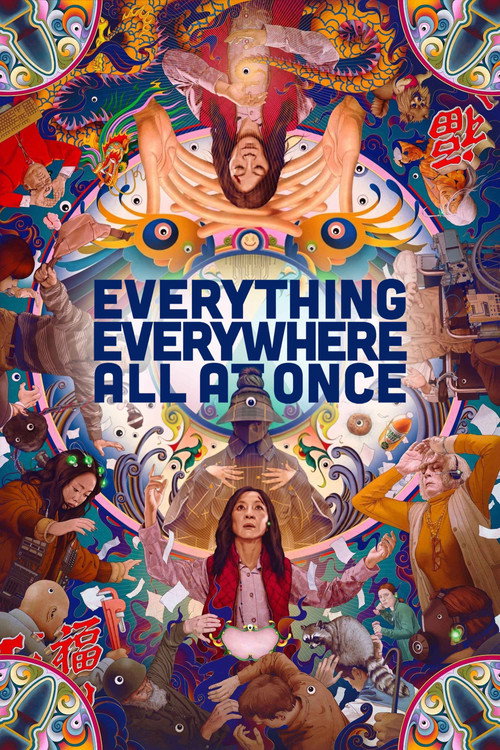
Everything Everywhere All at Once2022
A modern film that borrows musical logic—repetition, escalation, rhythm—without being a musical. It shows how those structural ideas have leaked into how contemporary cinema tells stories.
But It's chaotic by design. If you need clarity and simplicity, the constant formal experimentation will exhaust rather than excite you.
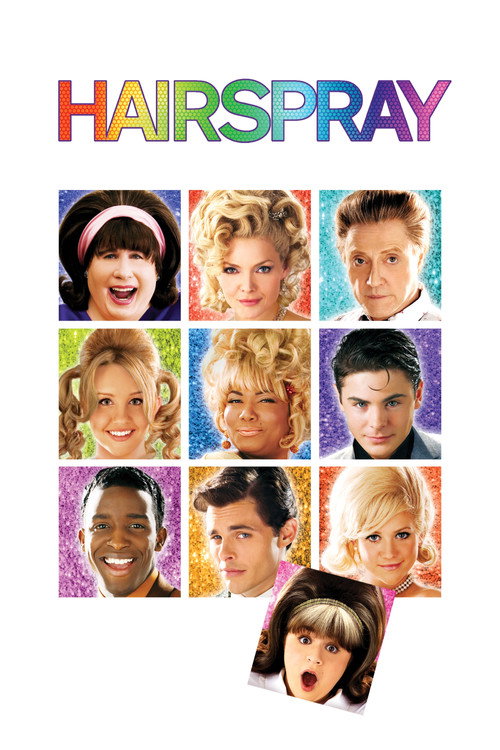
Hairspray2007
A broad, joyful film about integration and acceptance dressed up as a 1960s musical. It's proof that musicals can carry real social argument without becoming heavy.
But It's deliberately, aggressively cheerful. If you're allergic to earnestness or big ensemble numbers, this will test your patience.
The Battle of Algiers1966
Like the musicals in *East Side Story*, this film had to navigate censorship and state pressure. Unlike them, it abandoned entertainment entirely and became pure argument. Both ask: what can you actually say?
A black-and-white film about revolution, shot like a documentary, that uses rhythm and montage instead of dialogue to build its argument. It shows how cinematic *form* itself can be political—how you frame a story is ideology.
But It's formally austere and explicitly political. If you watch films to be comforted, this is the opposite. The violence is unflinching.

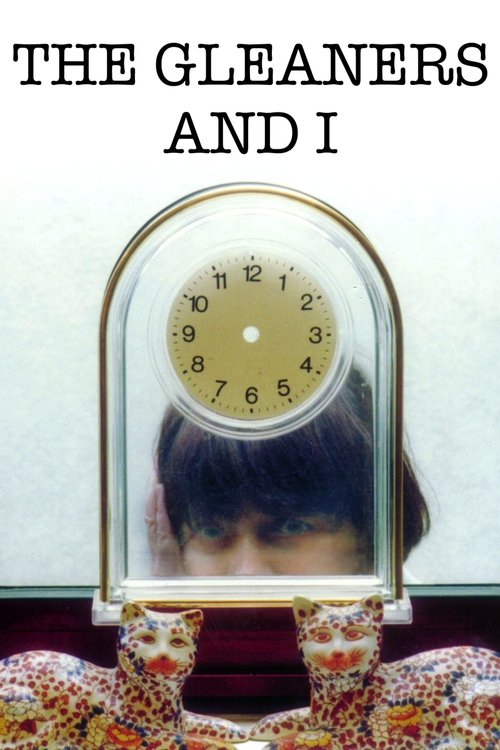
The Gleaners and I2000
*East Side Story* is also a documentary that finds unexpected charm in constraint and margin. Varda teaches us to look at what's discarded or overlooked—exactly what the Eastern European musicals were: state-mandated art that somehow transcended its propaganda origins.
Agnès Varda's documentary about people who collect leftover vegetables—gleaning. It's essayistic, digressive, warm, and finds beauty and dignity in the margins. She shows how to make nonfiction that's genuinely personal and curious rather than explaining down to you.
But It meanders. If you want a tight argument with a clear thesis, the film's gentle wandering will feel aimless. Some find it too whimsical about real poverty.
People
Directing
- Dana RangaDirector
Writing
- Andrew HornWriter
- Dana RangaWriter
Production
- Andrew HornProducer
- Dana RangaProducer