
Film
Chocolat
Other titles called Chocolat: the 2000 film.
- Drama
- Slow-burning
Chocolat is a luminous memory piece about childhood in colonial Cameroon, filmed with the stillness of a photograph. It moves between a woman's present journey and her recollection of growing up in her family's household, where the invisible emotional landscape—desire, complicity, longing—matters far more than plot. Quietly radical for 1988, it asks uncomfortable questions about race, power and intimacy without ever breaking its fever dream surface.
If you liked this
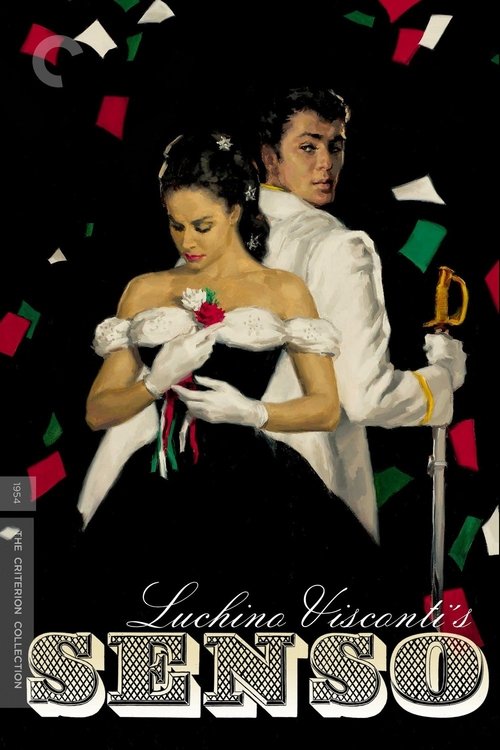
Senso1954
Visconti's Venetian melodrama offers the same colonial-era exploration of desire and moral compromise, painted in impossibly rich colour and atmosphere. A woman, power, forbidden attraction—cinema as visual intoxication.
But It's nearly two hours of sumptuous but static aristocratic anguish. If you want plot momentum, this will feel like drowning in velvet.
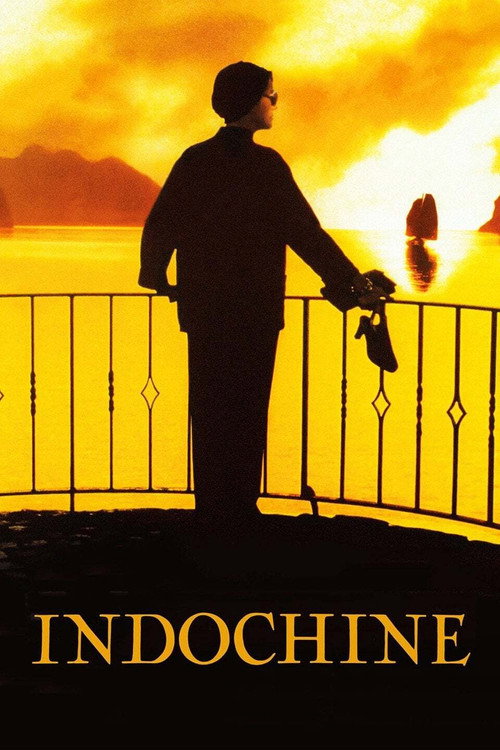
Indochine1992
Deneuve in French Indochina, wrestling with motherhood, romance and colonial contradiction across decades. Epic in scope but intimate in feeling, with the same ambivalent gaze at a world of privilege built on exploitation.
But It's a bigger, glossier film. Some find it too conventionally romantic for its subject matter, compromising its own complications.
Mulholland Drive2001
Lynch uses Hollywood as Chocolat uses Cameroon—a dreamscape where power, desire and identity dissolve into each other. Formally daring, morally unsettling, visually hypnotic. A masterpiece about surfaces hiding nothing and everything.
But Wilfully cryptic and demanding. It doesn't explain itself, and if that sounds like work rather than pleasure, skip it.

Not sure tonight? Get a pick in a minute, starting from Chocolat
The wildcard
Something you would not have found on your own.
The Servant1963
Both films make the servant relationship the entire moral and emotional architecture. Both ask: who really has power in a space built on power?
Losey's chamber piece about a master and servant whose relationship becomes a strange power inversion. Shot in suffocating close-up in a London townhouse, it's a fever dream about class, desire and the servant as mirror. Genuinely unsettling.
But Theatrical and claustrophobic. It stays in one building for two hours. The pace is deliberately stifling.

More like this (7)
The Night of the Iguana1964
Huston's sweltering tropical drama traps characters in heat and desire, where class and desire collide in a boarding house. Ava Gardner and Richard Burton prowl a claustrophobic landscape of want and compromise.
But Stagey at times; adapted from Tennessee Williams, it can feel theatrical rather than cinematic. The pacing meanders.

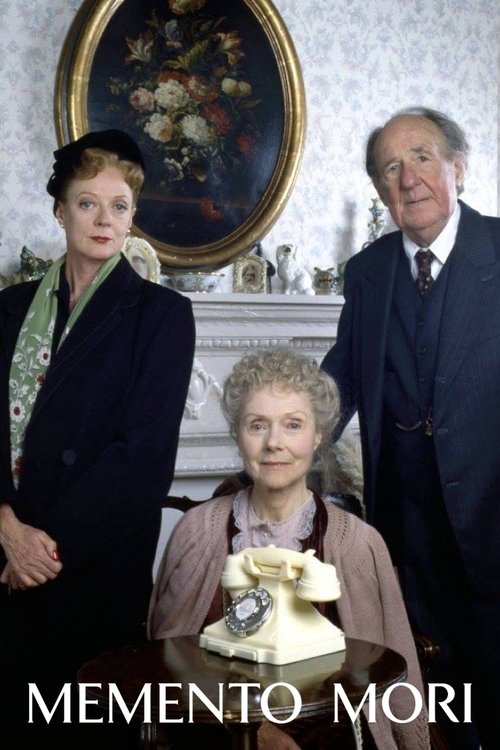
Memento Mori1992
A meditation on memory, loss and the unreliability of recollection. Like Chocolat, it treats the past as something we construct rather than recover, and it does so with strange, patient grace.
But Slow, mournful and conceptual. There's barely a plot to speak of. It's an experience, not a story.
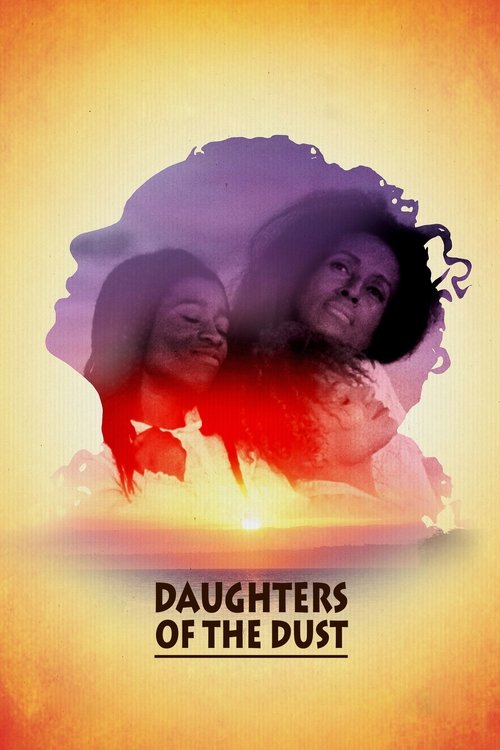
Daughters of the Dust1991
Julie Dash's film about a Gullah family on the eve of migration is visual poetry about inheritance, colonialism and identity. It moves through time like memory itself—fragmentary, associative, beautiful and estranging.
But Experimental structure and elliptical narrative. You have to surrender to its rhythm or it will lose you entirely.
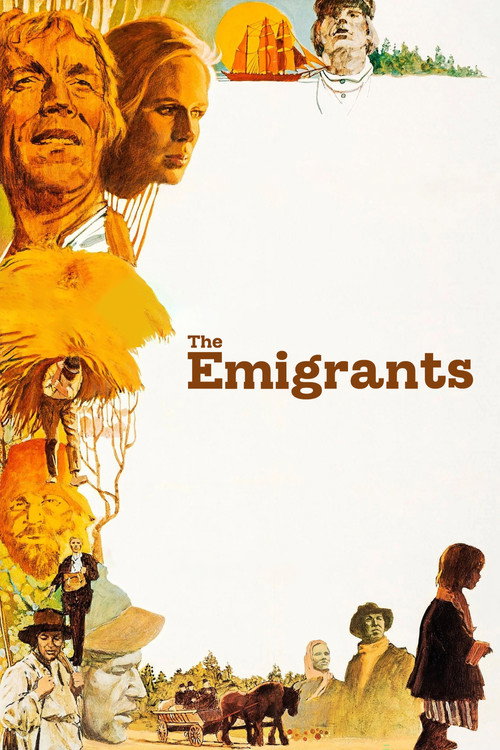
The Emigrants1971
Troell's Swedish epic about displacement and cultural rupture. Like Chocolat, it's interested in what colonialism does to the colonizer as much as the colonized—a rare, honest perspective.
But It's long, cold and relentlessly serious. There are no shortcuts to its emotional depth.
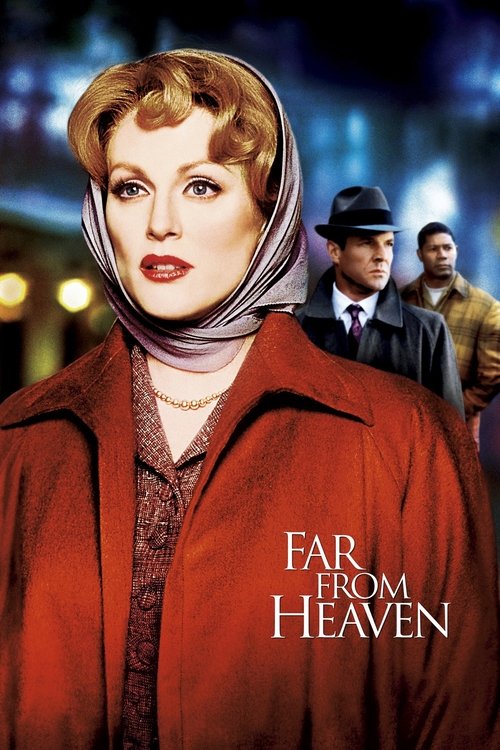
Far from Heaven2002
Todd Haynes builds a Sirkian melodrama about a 1950s Connecticut wife discovering her husband's infidelity and her own desire. It's about surfaces, complicity, and the violence hidden beneath American propriety.
But Heavily stylised. If pastiche feels like distance rather than intimacy, the film's formalism might keep you at arm's length.
A Prophet2009
Jacques Audiard's visceral prison drama about a young man rising through brutal hierarchies. It shares Chocolat's interest in power imbalances and the ways desire and ambition warp through confined spaces.
But Violent and grim. It has nothing of Chocolat's dreamlike beauty—it's raw, confrontational and punishing to watch.

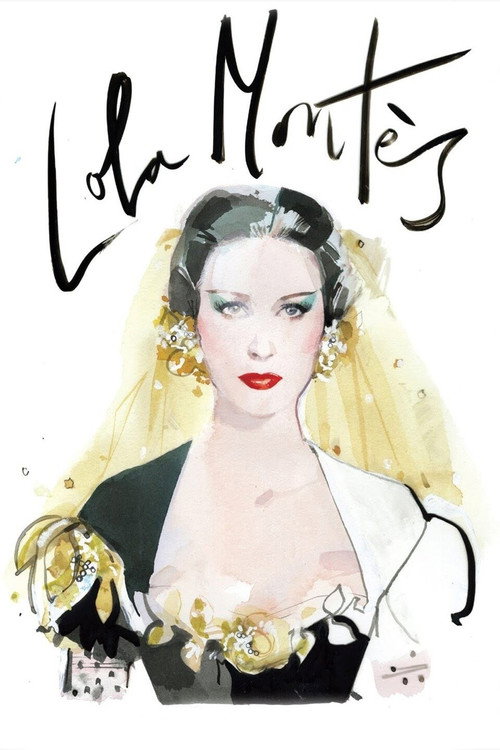
Lola Montès1955
Both use European colonial and imperial contexts to explore desire as spectacle, and both frame women as objects caught in systems larger than themselves—yet both insist on their inner lives.
Ophüls' last film is a visual and emotional feast—a circus framing device that spirals through the life of a famous woman, fragmented and refracted through performance. Dazzling Technicolor, but underneath, profound sadness about desire, exploitation and time.
But Densely stylised and sometimes disorienting. The circular structure asks patience. It's gorgeous but not warm.
People
Cast
 Isaach de BankoléProtée
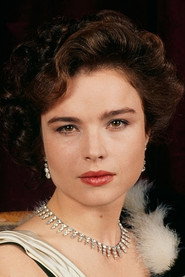 Giulia BoschiAimée Dalens
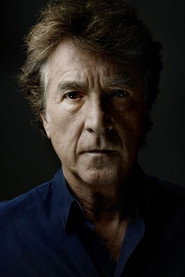 François CluzetMarc Dalens

- Laurent ArnalMachinard
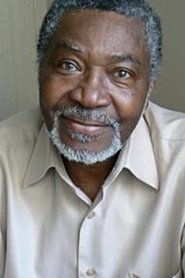 Jean BédiébéProsper
 Jean-Quentin ChâtelainCourbassol
 Emmanuelle ChauletMireille Machinard
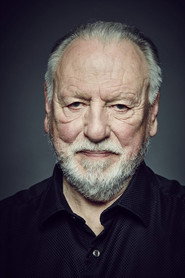 Kenneth CranhamJonathan Boothby
 Jacques DenisJoseph Delpich
- Cécile DucasseFrance Dalens (Child)
- Clementine EssonoMarie-Jeanne
Directing
- Bassek Ba KobhioAssistant Director
- Luc GoldenbergAssistant Director
- Marie-Claude BeauchaudAssistant Director
- Vincent NdoumbeAssistant Director
- Claire DenisDirector
Writing
- Claire DenisWriter
- Jean-Pol FargeauWriter
Production
- Marin KarmitzCo-Producer
- Wim WendersCo-Producer
- Alain BelmondoProducer
- Gérard CrosnierProducer
- Jean-Paul BelmondoProducer