
Film
A Nos Amours
Pialat's debut follows a restless 15-year-old girl navigating adolescent desire and family chaos in early-80s Paris. Raw and unsentimental, it captures the texture of teenage sexuality without judgment or exploitation—flesh and feeling matter equally. For viewers ready for cinema that refuses easy answers about growing up.
If you liked this
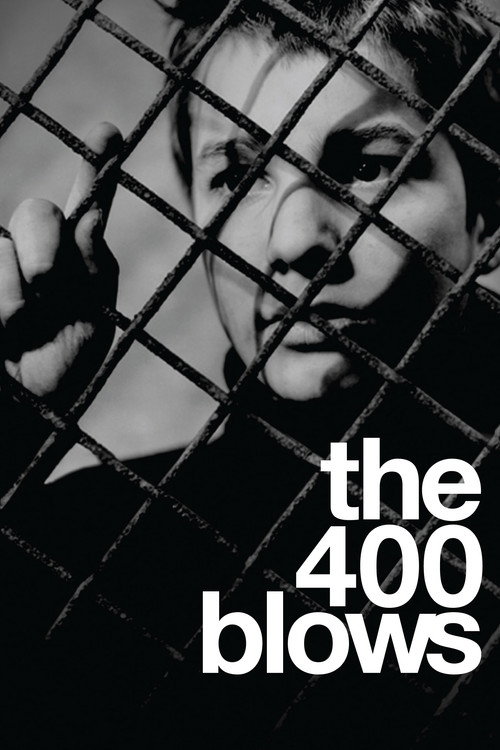
The 400 Blows1959
Truffaut's portrait of adolescent alienation in Paris shares Pialat's refusal to make childhood innocent or tragic. Both films watch kids navigate desire, authority and freedom with unflinching precision and unexpected tenderness.
But The film moves through mood and observation rather than plot; viewers expecting narrative momentum will find it slow and deliberately oblique.
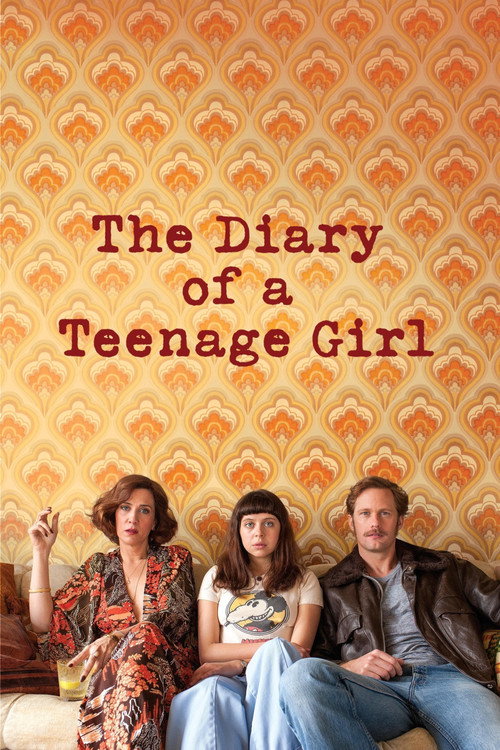
The Diary of a Teenage Girl2015
Like Pialat, director Marielle Heller honors teenage sexuality without condescension or sensationalism. Both capture the specificity of female desire and the chaos it creates in claustrophobic family spaces with dark humour intact.
But The protagonist's mother is feckless and infuriating; if you need likeable characters to invest in a story, this won't work for you.
Stroszek1977
Herzog's portrait of dislocation and failed connection across generations has the same unsettling mix of comedy and ache. Both films capture characters reaching for connection through sex, money and escape with dark, unglamorous realism.
But The tonal shifts between mundane and strange can feel jarring; Herzog doesn't smooth the edges for narrative comfort.

Not sure tonight? Get a pick in a minute, starting from A Nos Amours
The wildcard
Something you would not have found on your own.
Summer Interlude1951
Both use adolescent sexual awakening as the skeleton key to understanding adult emotional damage and paralysis.
Bergman's film is structurally and emotionally inverted from Pialat: a woman recalls a passionate summer affair that shaped her entire life. Both films root adult dysfunction in adolescent sexuality and treat that sexuality as profound rather than trivial or shameful.
But It's a 1950 Swedish film; the pacing is glacial and the aesthetic very far from Pialat's naturalism, which may feel like watching through glass.

More like this (6)
Water Lilies2007
Sciamma's film about teenage girls and desire carries forward Pialat's legacy: no voyeurism, no exploitation, just the specific gravity of adolescent longing and friendship. Both capture the texture of bodies and feeling in confined spaces.
But It's a slow film about internal states rather than external action. If you need plot momentum or clear resolution, it won't satisfy.

Spring2014
Benson and Moorhead's film shares Pialat's interest in how bodies, desire and family fracture under pressure. Both are intimate, unsentimental and willing to sit with uncomfortable mixtures of eroticism and violence.
But The film genre-shifts unexpectedly; those wanting consistency of tone or genre will find it disorienting.

Fish Tank2009
Andrea Arnold captures the same unguarded intensity of adolescent female desire and the family systems that contain or corrupt it. Both films treat sex as a form of expression and survival with rare honesty.
But The violence is casual and normalized; viewers seeking clear moral framings will find the film's acceptance of brutality deeply uncomfortable.

Mamma Roma1962
Pasolini's film about a mother and son navigating desire, shame and class shares Pialat's interest in how bodies and money entangle across family lines. Both are tender and disgusted simultaneously.
But The film can feel dated in its politics; modern viewers may find its sexual attitudes or gender dynamics alienating rather than illuminating.

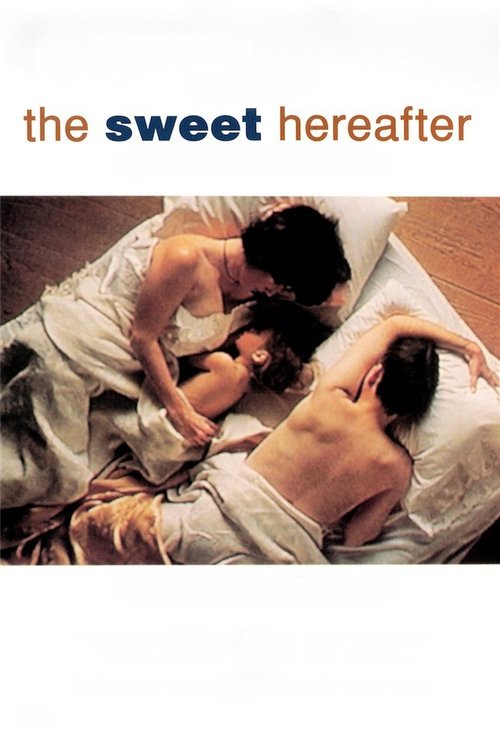
The Sweet Hereafter1997
Both see the family as a structure that contains and channels desire, guilt and rage in ways that poison everyone inside it.
Egoyan constructs an entire community's trauma around the absence of children and the rupture of family bonds. Like Pialat, it treats family dissolution and desire as inseparable; both films refuse to offer healing.
But It's a fractured narrative told in fragments; viewers who need linear storytelling and clear exposition will find it frustrating and cold.
Metallic Blues2004
Both films use a girl's body and sexuality as a landscape where historical time, family chaos and personal desire collide without resolution.
An obscure Kazakh film about a girl in transition—childhood to womanhood, Soviet to post-Soviet—that mirrors Pialat's interest in adolescence as historical rupture. Hypnotic and observational rather than plot-driven.
But It's extremely slow, shot in muted colours, with minimal dialogue and no concessions to Western narrative convention. Most viewers will find it alien.

People
Cast
 Sandrine BonnaireSuzanne
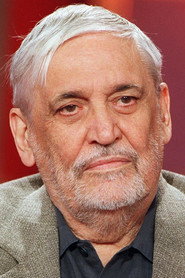 Maurice PialatLe Père
 Christophe OdentMichel
 Dominique BesnehardRobert
 Cyril CollardJean-Pierre
 Jacques FieschiLe Beau-frère
- Valérie SchlumbergerMarie-France
 Evelyne KerLa Mère
- Pierre NovionAdrien
- Tsilka TheodorouFanny
 Cyr BoitardLuc
- Anne-Marie NivelleMère Jean-Pierre
Directing
- Christian ArgentinoAssistant Director
- Cyril CollardAssistant Director
- Florence QuentinAssistant Director
- Maurice PialatDirector
- Marie-Florence RoncayoloScript Supervisor
Writing
- Arlette LangmannScreenplay
- Maurice PialatScreenplay
Production
- Emmanuel SchlumbergerAssociate Producer
- Micheline PialatLine Producer
- Daniel Toscan du PlantierProducer