
Film
O Fantasma
- Social drama
- Very dark
A spare, unflinching Portuguese film about Sérgio, a garbage collector whose nights are consumed by cruising for anonymous sex in Lisbon's dark corners. Director João Pedro Rodrigues observes his protagonist's isolation and hunger with clinical precision, building toward a climax of shattering violence. It's austere, sexually explicit, and demands something from you—but if you're drawn to cinema that looks directly at desire and desperation without flinching, it rewards that courage.
Should you watch it?
Watch it if you are drawn to quiet, unsparing character studies where a bleak city and a body's hunger do the talking, and you don't need the plot to explain itself.
Skip it if the sex scenes are explicit and the pace is so withholding that long stretches of walking and staring may test your patience more than they reward it.
What it asks of you: Expect a brief 87-minute run that moves at a deliberate, unhurried pace, staying inside one lonely man's head and his nights, with little relief.
Not sure? Find tonight's pick in a minute.
If you liked this
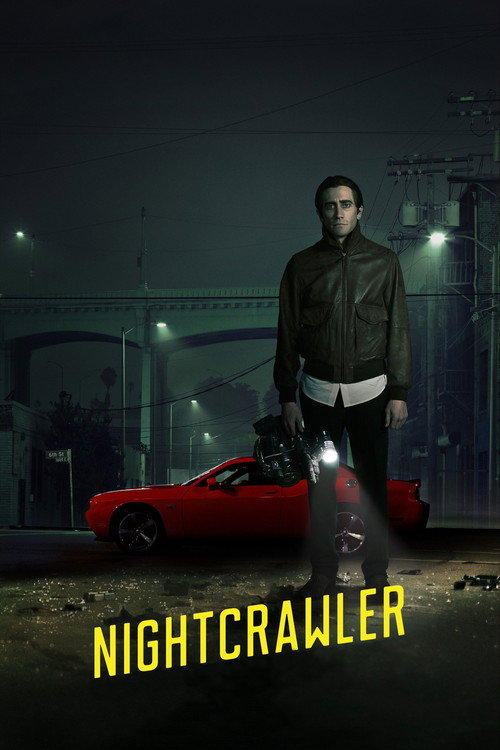
Nightcrawler2014
A portrait of a man so estranged from human connection that he mistakes documentation for intimacy. Like O Fantasma, it finds horror in the gap between what someone wants and what they're capable of becoming.
But Slow-burn dread isn't for everyone, and the protagonist's moral descent can feel punishing rather than illuminating.
Fish Tank2009
Andrea Arnold's film shares O Fantasma's commitment to depicting urban isolation and thwarted desire through a protagonist whose desperation becomes increasingly dangerous. Both refuse to look away.
But Bleak throughout, and the violence, when it arrives, is sudden and brutal rather than cathartic.

Under the Skin2014
Glazer's film uses long, unbroken takes and minimal dialogue to explore predation and otherness. Both films trust visual language over exposition and find strangeness in ordinary landscapes.
But Deliberately cryptic and hypnotic rather than narrative-driven. Some will find it pretentious; others, meditative.

Not sure tonight? Get a pick in a minute, starting from O Fantasma
The wildcard
Something you would not have found on your own.
In the Mood for Love2000
Both made the same year, both set in cities, both understand desire as the engine of the human condition—but Kar-wai suggests transcendence while Rodrigues suggests annihilation.
Wong Kar-wai's masterpiece is also from 2000 and also about desire and isolation in a city, but it transforms those themes into pure visual lyricism and melancholy. Watching it after O Fantasma creates a strange dialogue: what if Sérgio's hunger could be transfigured into beauty rather than violence?
But Ornate, deliberately slow, and interested in mood over plot. It requires you to surrender to aesthetic experience rather than narrative momentum.

More like this (8)
A Prophet2009
Tracks a quiet man's transformation within a claustrophobic space, showing how isolation and proximity to violence reshape identity. Both films understand how circumstances can hollows someone out.
But Prison drama can feel familiar. This one earns its terrain, but it requires patience with incrementalism.

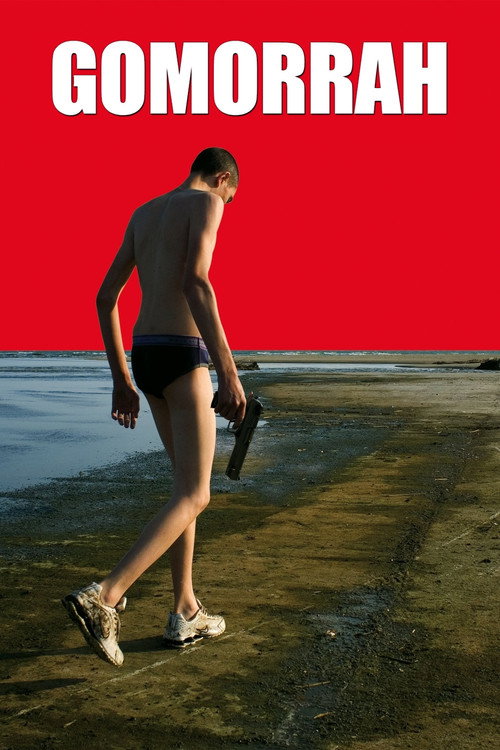
Gomorrah2008
Matteo Garrone observes multiple lives on the margins of Neapolitan society with the same clinical eye. Both films refuse to sentimentalise poverty or alienation.
But Fragmented narrative across multiple characters means you're never invited to identify with a single viewpoint. Some find that distancing rather than illuminating.
Spring, Summer, Fall, Winter... and Spring2003
Another meditation on isolation and desire, this time in a Buddhist temple. Kim Ki-duk's film shares O Fantasma's visual poetry and its belief that violence can erupt from spiritual emptiness.
But Relies on metaphor and symbolism that can read as oblique or precious if you're not in the mood for it.

Rust and Bone2012
Audiard's film tracks two damaged people circling each other; it shares O Fantasma's unflinching depiction of desire as something that can coexist with cruelty.
But The tonal shifts between tenderness and brutality don't always land smoothly. Some sequences feel manipulative.

The Wrestler2008
Aronofsky's film about a man whose body is his only currency shares with O Fantasma a portrait of someone unable to separate physical intimacy from self-destruction.
But Can feel repetitive in its portrait of decline, and the sentimentality in the final act might undercut the earlier brutality for you.

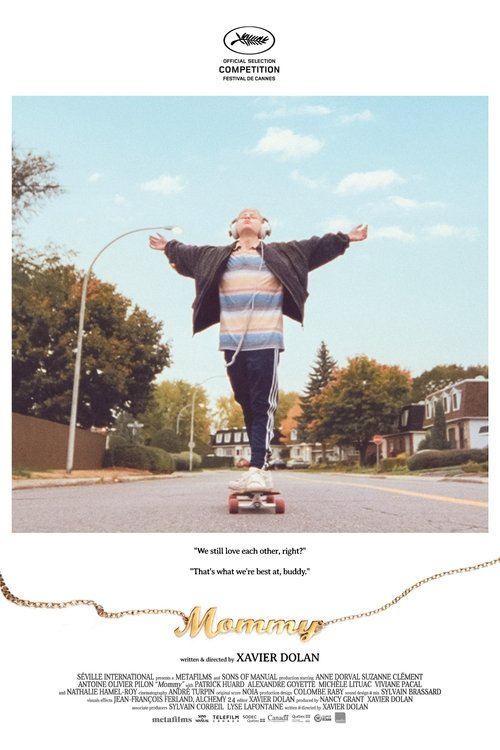
Mommy2014
Dolan's maximalist approach is the opposite of Rodrigues's minimalism, but both films excavate the violence that lives within domestic and sexual loneliness.
But Aggressively stylised and emotionally loud. If you're watching O Fantasma for restraint, this will feel like a betrayal.
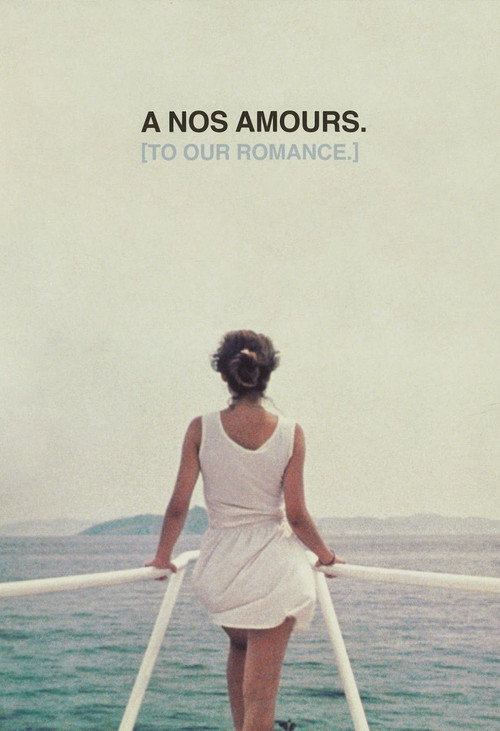
A Nos Amours1983
Both films predate the internet and document how isolation and desire express themselves without digital mediation. Both treat sexual hunger as a form of emotional intelligence rather than pathology.
Pialat's film about a teenage girl's sexual restlessness is raw and unsentimental in ways that predate O Fantasma by nearly two decades. It shows that Rodrigues's unflinching approach to sexuality and alienation was already possible in cinema—he just took it further.
But French New Wave austerity, a young lead who can be difficult to watch, and a refusal to condemn or explain her behaviour. Feels deliberately anti-cathartic.
Uncle Boonmee Who Can Recall His Past Lives2010
Both use cinema's ability to hold time still as their central aesthetic strategy. Both trust the image over narrative. Both suggest that what we want most cannot be articulated—but Boonmee finds peace in that limitation while O Fantasma finds only rage.
Apichatpong Weerasethakul's film is about a man at the end of life receiving visits from his dead relatives. It's the inverse of O Fantasma—where Rodrigues shows descent into animality, Weerasethakul suggests transcendence and acceptance. Both films use repetition and long takes to hypnotic effect, but they arrive at opposite spiritual destinations.
But Nothing happens. Dialogue is minimal and often untranslated. The pacing is funereal. If you want O Fantasma's intensity without wanting contemplation, this will feel glacial.

People
Cast
 Ricardo MenesesSérgio
- Beatriz TorcatoFátima
- André BarbosaJoão
- Eurico VieiraVirgilio
- Joaquim OliveiraMário
- Florindo LourençoMatos
- Rodrigo GarínYoung man in bathroom
- Jorge AlmeidaPolice 1
- Maria Paola PorruJoão's mother
- Luis ZorroYoung man in Sérgio's room
- SalomãoMan with doberman
 João Rui Guerra da MataPolice 2
Directing
- João Pedro RodriguesDirector
Writing
- Alexandre MeloWriter
- João Pedro RodriguesWriter
- José NevesWriter
- Paulo RebeloWriter
Production
- Amândio CoroadoProducer