
Film
The Illustrated Man
A wandering man covered in prophetic tattoos encounters a stranger on the road, and each illustration on his skin opens a portal to a different bizarre future. Rod Steiger anchors this ambitious 1969 adaptation of Ray Bradbury's story collection—a film caught between pulp sci-fi thrills and genuine metaphysical dread, uneven but genuinely strange.
If you liked this
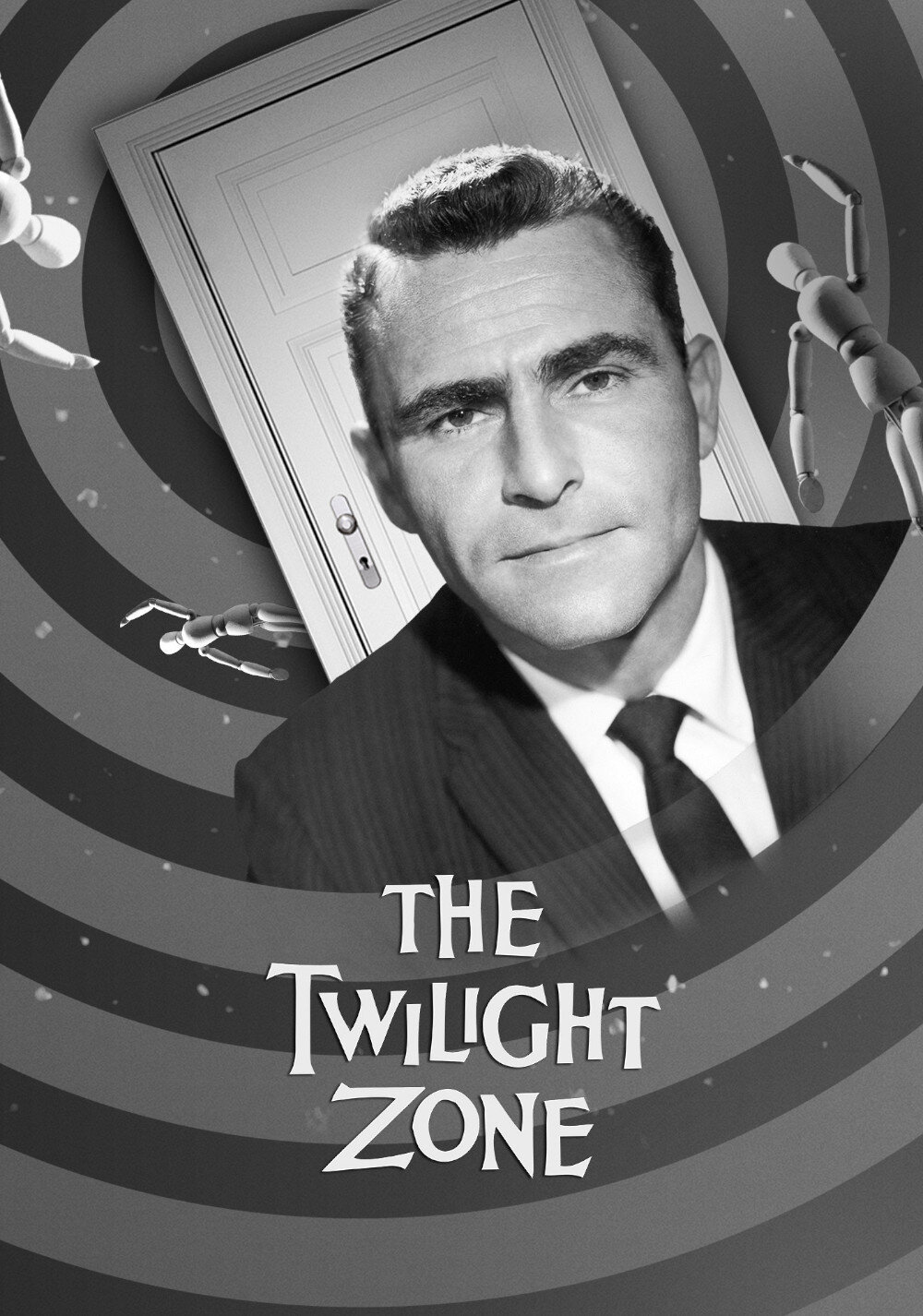
The Twilight Zone1959
Bradbury wrote for the show; it has the same DNA of everyday life cracking to reveal the uncanny. Lean, perfectly formed episodes that nail the premise The Illustrated Man reaches for.
But The box-set commitment is real, and not every episode lands. Some feel dated in ways that undermine the concept.
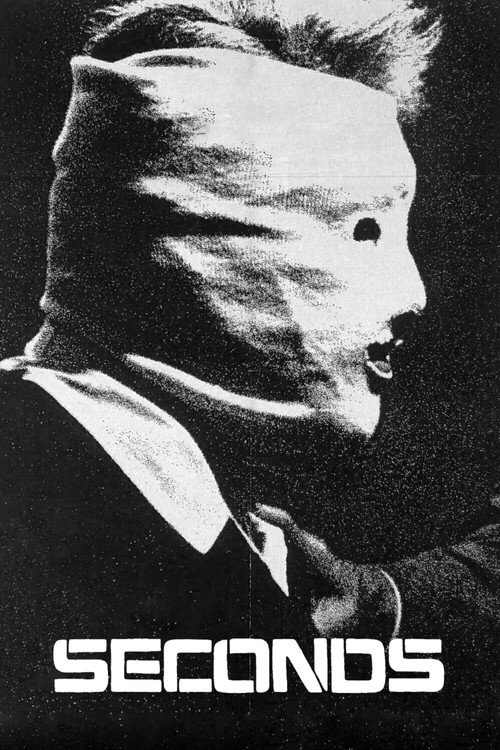
Seconds1966
Rock Hudson as a man given a second life explores identity and regret through the same body-horror lens. Visually inventive sci-fi horror that's genuinely unsettling without relying on monsters.
But It's bleak and deliberately ugly to watch. The premise spirals toward nihilism, not comfort.
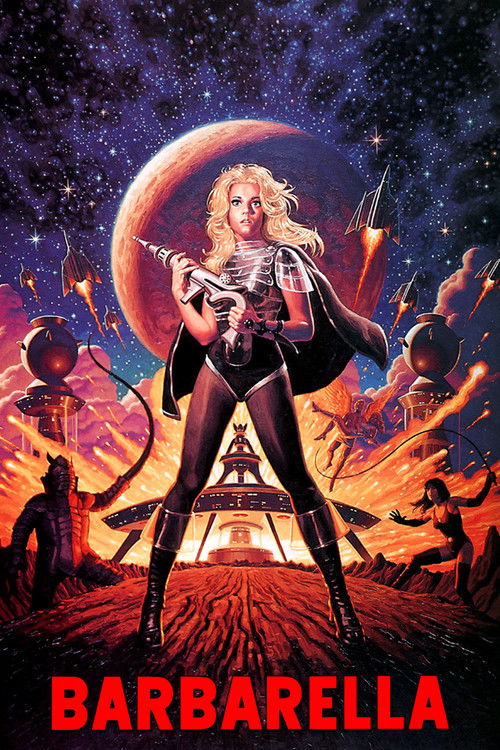
Barbarella1968
Jane Fonda in a campy space odyssey that revels in the exact era of sci-fi production design. Pure fun—the opposite register, but the same glorious 1960s pulp DNA.
But It's intentionally silly. If you want serious sci-fi, the campiness will feel like mockery rather than charm.
Not sure tonight? Get a pick in a minute, starting from The Illustrated Man
The wildcard
Something you would not have found on your own.
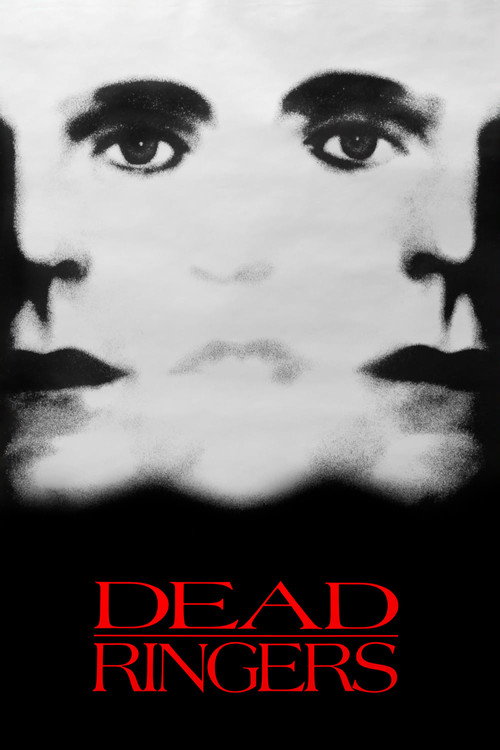
Dead Ringers1988
Both explore the body as a text to be read—one prophetic, one psychotic. Both ask: what does it mean when your physical self betrays or reveals something you cannot control?
Cronenberg's chamber piece about twin gynecologists whose shared identity fractures into obsession and horror. Explores bodily intrusion and violation through psychological collapse rather than invasion—the dark inverse of The Illustrated Man's search for connection through the marked body.
But It's deeply uncomfortable, anatomically explicit, and deliberately unpleasant. Body horror as psychological penetration rather than spectacle.
More like this (8)
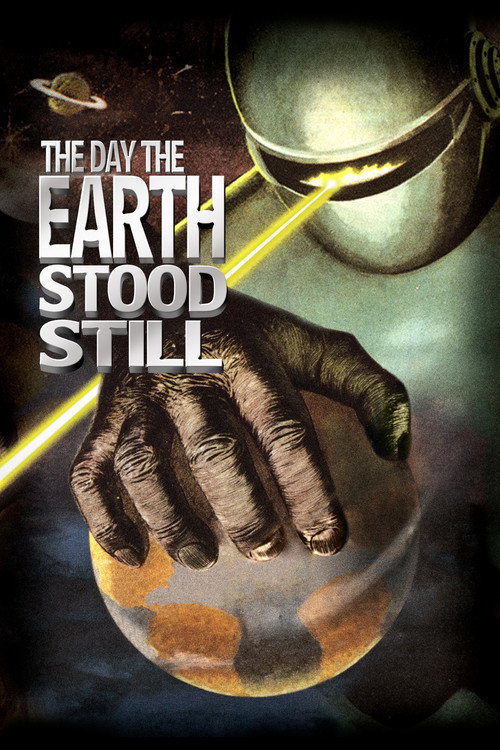
The Day the Earth Stood Still1951
A stranger arrives with an unknowable agenda and disrupts ordinary life. Thoughtful, restrained sci-fi that uses the fantastic to ask real questions about human nature.
But It's slow and talky by modern standards. The film trusts you to sit with dread rather than jump-scaring you.
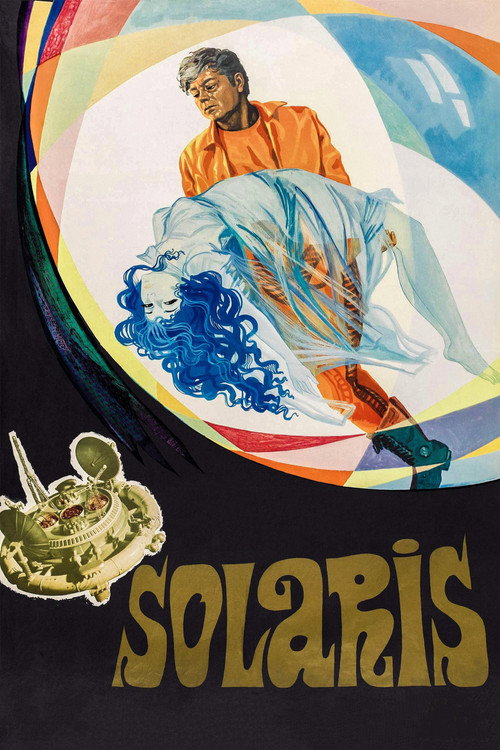
Solaris1972
Tarkovsky's adaptation of Stanisław Lem explores memory, identity, and haunting through sci-fi. Meditative and profound, visual storytelling that rewards patience.
But It's three hours long and almost entirely interior. If you need plot momentum, this will feel glacial.
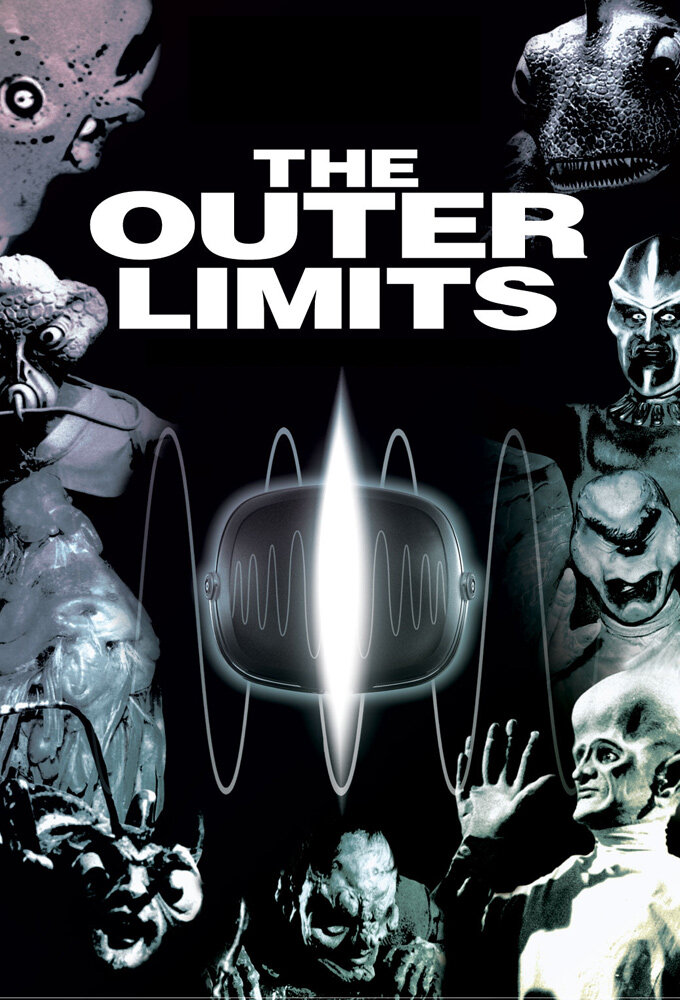
The Outer Limits1963
Anthology sci-fi horror with genuinely unsettling premises and practical effects that still disturb. Each episode is a complete idea, executed with real craft.
But Production values are limited by the era. Some concepts work better than others; you'll want to skip around.
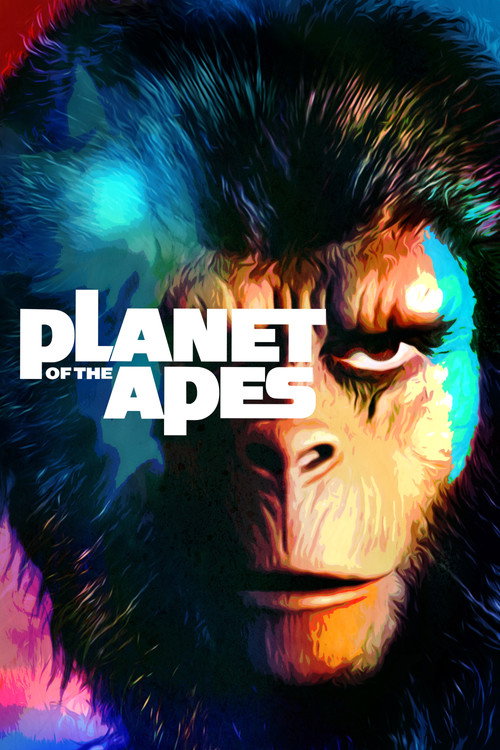
Planet of the Apes1968
Charlton Heston in a high-concept sci-fi thriller that uses its premise to explore prejudice and power. Visually striking, with a twist that still stings.
But The dialogue is a bit overwrought, and the sequels that followed diluted the original's impact.
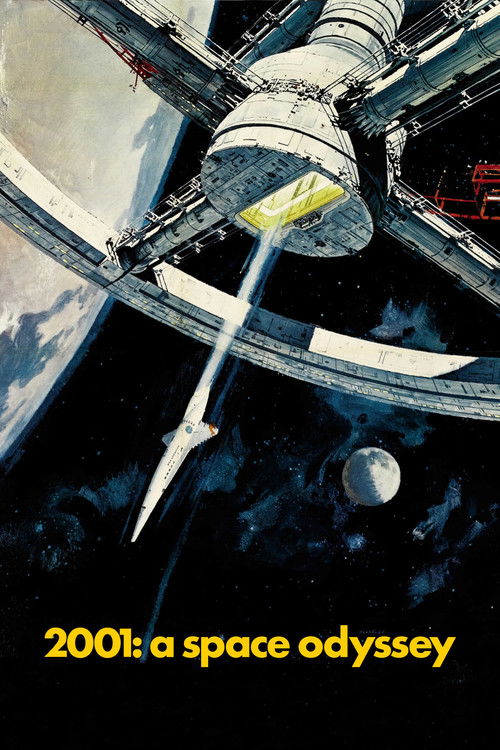
2001: A Space Odyssey1968
Kubrick's masterpiece of sci-fi ambition—utterly unlike anything else. If you want to understand what serious sci-fi cinema can be, here it is.
But It's nearly three and a half hours of deliberate pacing and minimal plot. Patience is non-negotiable.
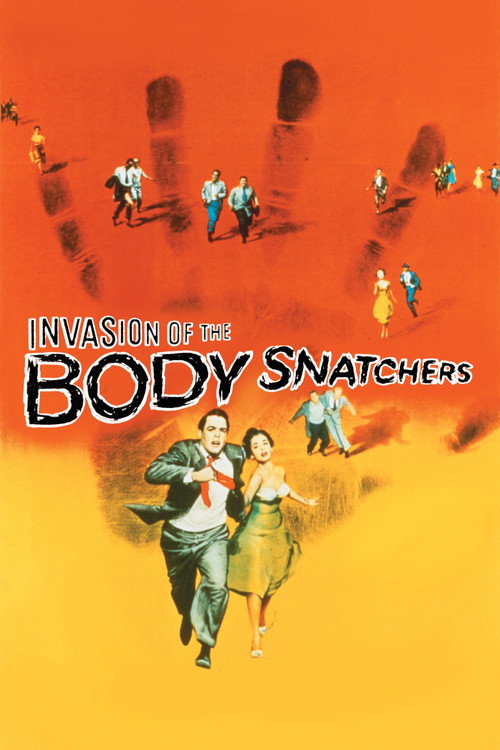
Invasion of the Body Snatchers1956
A paranoia-fueled classic about identity replacement that's taut, clever, and genuinely scary. The concept is simple; the execution is perfect.
But It's in black-and-white and moves at 1950s speed. The tight pacing demands attention.
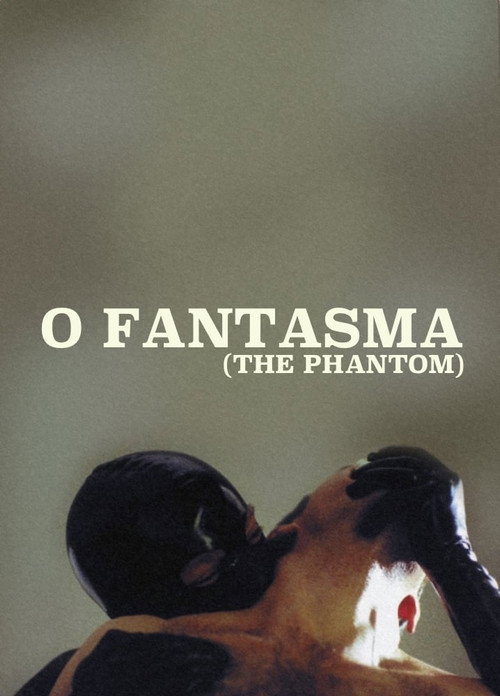
O Fantasma2000
Both are episodic voyages into the interior of a solitary figure. Both trust visual language over exposition. Both are more interested in atmosphere and metaphor than narrative resolution.
A Portuguese independent film about a garbage collector's nocturnal obsessions, shot in near-silence with luminous 16mm cinematography. Hypnotic, erotic, and profoundly strange—it moves by mood and image rather than plot, exactly like The Illustrated Man's tattoo-vignette structure.
But There's almost no dialogue. It requires patience and comfort with ambiguity. Some will find it boring; others will find it revelatory.
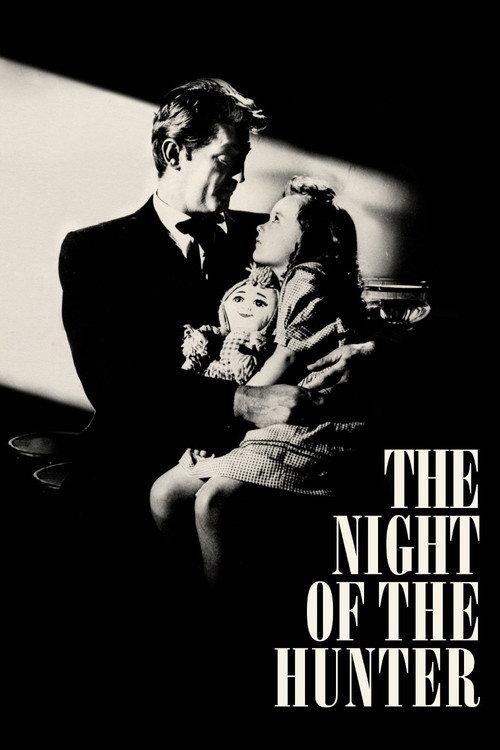
The Night of the Hunter1955
Both use the marked body as the central symbol. Both treat tattooed flesh as a prophecy—of doom in The Night of the Hunter, of futures in The Illustrated Man. Both films are visual first, narrative second.
Charles Laughton's only directorial effort: a fever-dream of Southern Gothic noir with Robert Mitchum as a predatory preacher marked by tattooed knuckles. Visually baroque and deeply unhinged—it uses the body as a text of character and danger in ways that prefigure The Illustrated Man's premise.
But It's black-and-white, deliberately theatrical, and morally ambiguous about its violence. The style overwhelms plot; some find it mannered rather than moving.
People
Cast
 Rod SteigerCarl
 Claire BloomFelicia
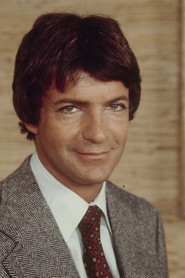 Robert DrivasWillie
 Don DubbinsPickard
 Jason EversSimmons
- Tim WeldonJohn
Directing
- Jack SmightDirector
- Dorothy AldrinScript Supervisor
Writing
- Howard B. KreitsekScreenplay
- Ray BradburyShort Story
Production
- Howard B. KreitsekProducer
- Ted MannProducer
- Terence NelsonProduction Manager