
Film
Summer Interlude
- Drama
- Romantic drama
- Slow-burning
Ingmar Bergman's debut masterpiece about a ballet dancer haunted by a tragic love affair. Memory and present intertwine as Marie revisits the seaside where she lost everything decades before. It's intimate, achingly beautiful, and moves with the grace of its protagonist—a film that trusts silence and performance to convey what words cannot.
Should you watch it?
Watch it if you like Bergman's early, unhurried attention to a face and a memory, where the past arrives as a mood rather than a plot and a summer afternoon feels thick with regret.
Skip it if you want brisk storytelling, since much of this is memory drifting in and out of the present, and its romance is more wistful than swept away by passion.
What it asks of you: Unhurried and in no rush to explain itself, it moves between two time periods, so keep hold of the thread and let the quiet scenes do their slow work.
Not sure? Find tonight's pick in a minute.
If you liked this
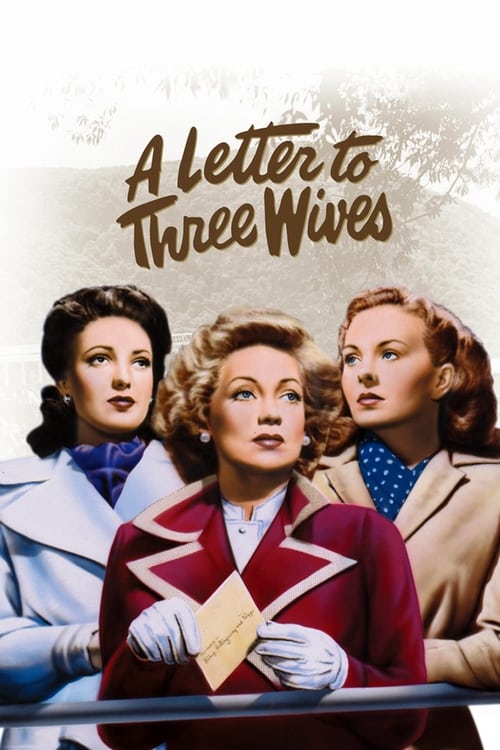
A Letter to Three Wives1949
A story where the past ruptures the present in ways characters can't control. Like Summer Interlude, it explores how memory of love—and loss—defines the woman we become. Elegant, witty, and devastating.
But The narrative structure is baroque by modern standards, jumping between perspectives and timelines in ways that demand active attention.
Ophelia2019
A gorgeous visual poem about a woman defined by her proximity to a man's story, reclaiming her own narrative. It shares Summer Interlude's interest in beauty as both balm and prison, and how women survive what they're forced to endure.
But Very slow, very painterly. If you want plot momentum rather than mood and image, this will feel like drowning in gorgeous honey.

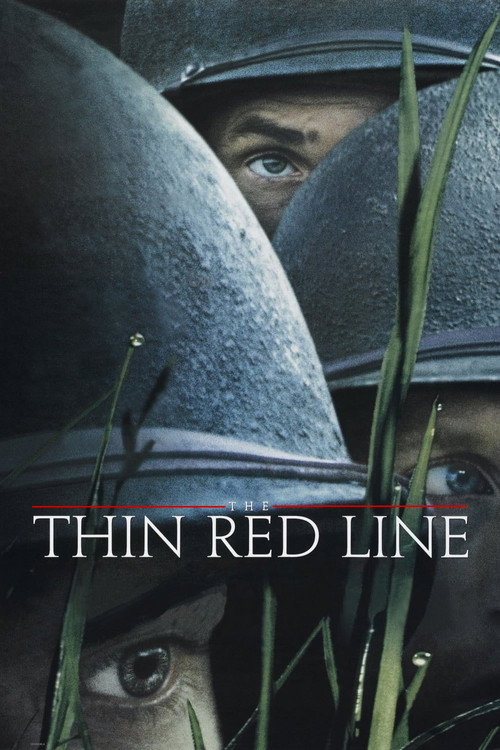
The Thin Red Line1998
Terrence Malick's meditation on beauty, innocence, and the violence of existence. Like Bergman, he uses landscape and the human body to suggest what logic cannot explain. Hypnotic and spiritually restless.
But Barely a narrative; it's 170 minutes of voiceover philosophy over images. People either surrender to it or find it self-indulgent.
Not sure tonight? Get a pick in a minute, starting from Summer Interlude
The wildcard
Something you would not have found on your own.
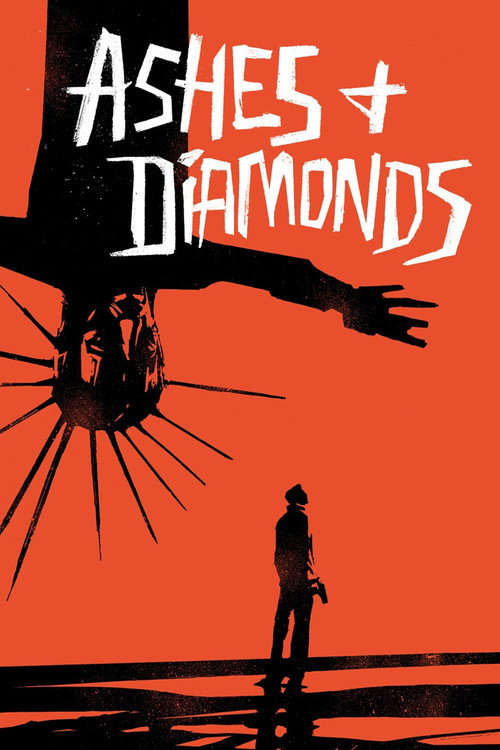
Ashes and Diamonds1958
Both films use youth and beauty as a kind of innocence that history—personal or political—will destroy. Both are elegies for something already lost.
Andrzej Wajda's Polish masterpiece about a young man on the eve of a new regime, torn between past loyalties and possible futures. Like Summer Interlude, it's about youth meeting the weight of history and choice—but where Bergman is intimate, Wajda is apocalyptic.
But Shot in austere black-and-white in postwar Poland. It's a film about political rupture and alienation, not romantic reverie. The mood is funeral.
More like this (7)
The Night Circus
A film about a woman dancer caught between worlds, unable to fully inhabit either. It mirrors Marie's paralysis—the way beauty can trap you, and choosing love means accepting the cost.
But Visually baroque to the point of distraction. Some find the design overwrought; others find the emotional core slight.
Brief Encounter1945
A masterwork about stolen moments and the weight of what cannot be spoken. Both films understand that the deepest loves are sometimes the ones we're forced to abandon, and that memory becomes its own kind of haunting.
But Postwar British restraint may feel like emotional repression if you prefer characters who say what they feel directly.

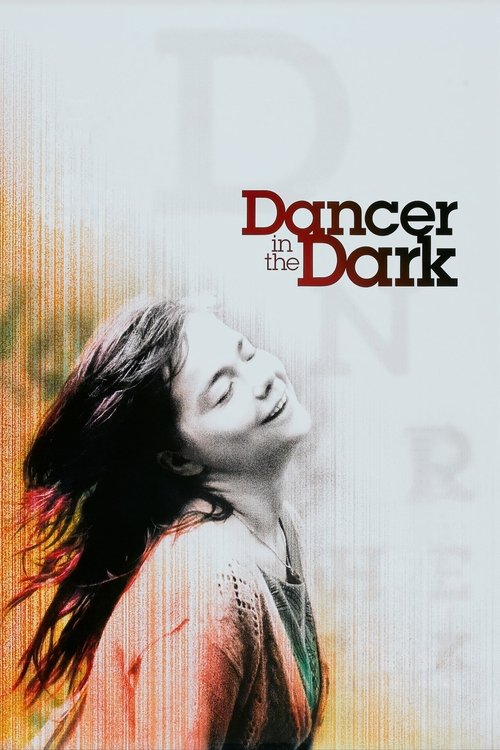
Dancer in the Dark2000
A dancer whose internal world—expressed through song and movement—is far richer than the brutal life surrounding her. Deeply painful, but it shares Bergman's faith that performance can be a form of survival and truth.
But Devastatingly bleak. This isn't catharsis; it's tragedy without redemption. Björk's accent and emotional rawness will either wreck you or frustrate you.
The Seventh Seal1957
Bergman's follow-up reaches even further into questions of meaning, death, and what we owe each other. If Summer Interlude moved you, this is the natural next step into his larger preoccupations.
But More abstract and existential than Summer Interlude. The chess game with Death is famous, but the film spends long passages in philosophical debate rather than narrative momentum.

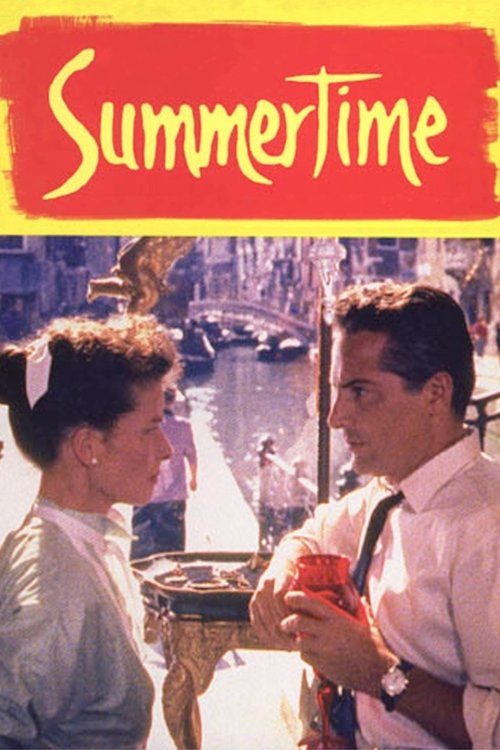
Summertime1955
An older American woman in Venice allows herself a brief summer romance. It's Bergman's peer in exploring how beauty and geography can unlock parts of ourselves we thought were sealed away.
But Katharine Hepburn's performance is brilliant but mannered; the film moves at the pace of someone wandering rather than striving, which some find glacial.
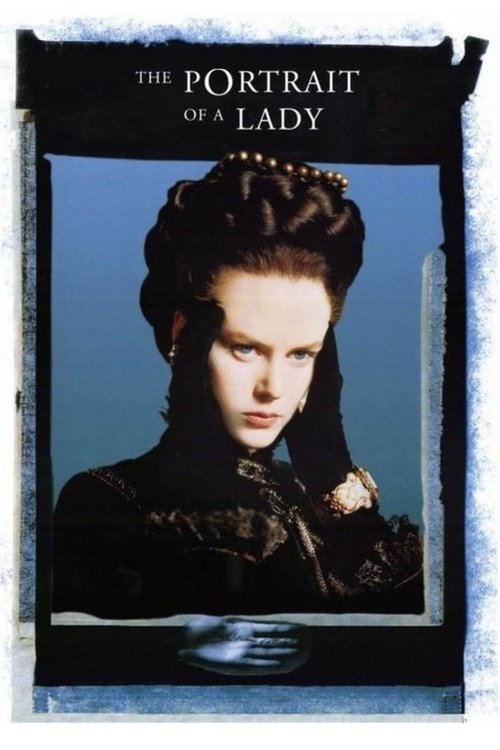
The Portrait of a Lady1996
Isabel Archer must choose between freedom and love, and the film suggests there may be no choice at all—only different kinds of entrapment. A meditation on how we construct ourselves through romance and refusal.
But Based on dense Henry James. If you haven't read the novel, you may find the psychological subtleties opaque rather than moving.
Umberto D.1952
Both believe that memory and attachment are what make us human, and both suggest that the world cares nothing for either. Summer Interlude mourns a lost love; this mourns a lost place in the world.
Vittorio de Sica's heartbreaking story of an elderly pensioner and his dog trying to survive Rome's indifference. It's neorealist in method but shares Summer Interlude's focus on interior life and what remains when everything else is stripped away.
But Slow, unglamorous, and utterly without comfort. The protagonist is old, defeated, and the film offers no uplift. It's bleak in a way that resists sentiment.

People
Cast
 Maj-Britt NilssonMarie
 Birger MalmstenHenrik
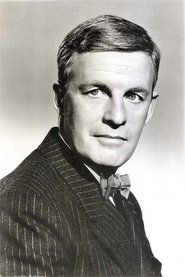 Alf KjellinDavid Nyström

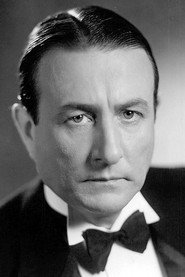 Georg FunkquistUncle Erland
 Stig OlinBallet instructor
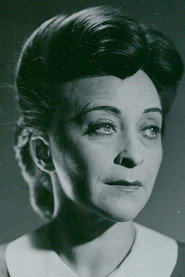 Mimi PollakMrs Calwagen
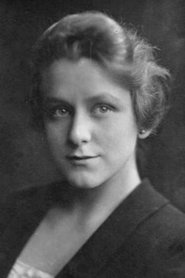 Renée BjörlingAunt Elisabeth
 Gunnar OlssonPriest
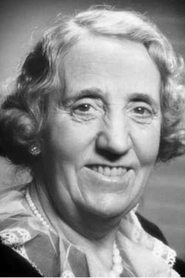 Julia CæsarMaja
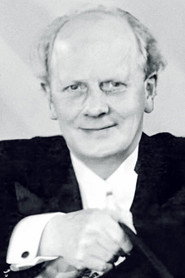 John BotvidKarl
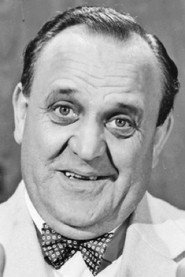 Douglas HågeNisse
Directing
- Ingmar BergmanDirector
- Ingegerd EricssonScript Supervisor
- Sol-Britt NorlanderScript Supervisor
Writing
- Herbert GreveniusWriter
- Ingmar BergmanWriter
Production
- Allan EkelundProducer
- Gösta StrömUnit Manager
Recommended by
A Doll's House, The Best of Everything, A Summer at Grandpa's, La Bohème, Bagdad Cafe, A Matter of Dignity, A Nos Amours, The World of Henry Orient, The Story of Sin