
Film
The Best of Everything
A 1959 ensemble drama about young women navigating careers, romance, and ambition on Madison Avenue. Sharp, cynical about desire and success, with a stellar female cast and vivid period detail. For anyone who loves seeing smart women want things—money, love, power—and making messy, credible choices about it.
Should you watch it?
Watch it if you like melodramas of office life where ambition and romance collide, with glossy 1950s styling and sharp observations about women trying to get ahead in a man's world.
Skip it if you find 1950s studio melodrama stilted or overwrought, since its emotions run big and its pacing takes its time across a two-hour runtime.
What it asks of you: It settles in for over two hours, moving through several women's storylines at a leisurely clip, and it wants you to stay with its soapy turns rather than skim past them.
Not sure? Find tonight's pick in a minute.
If you liked this
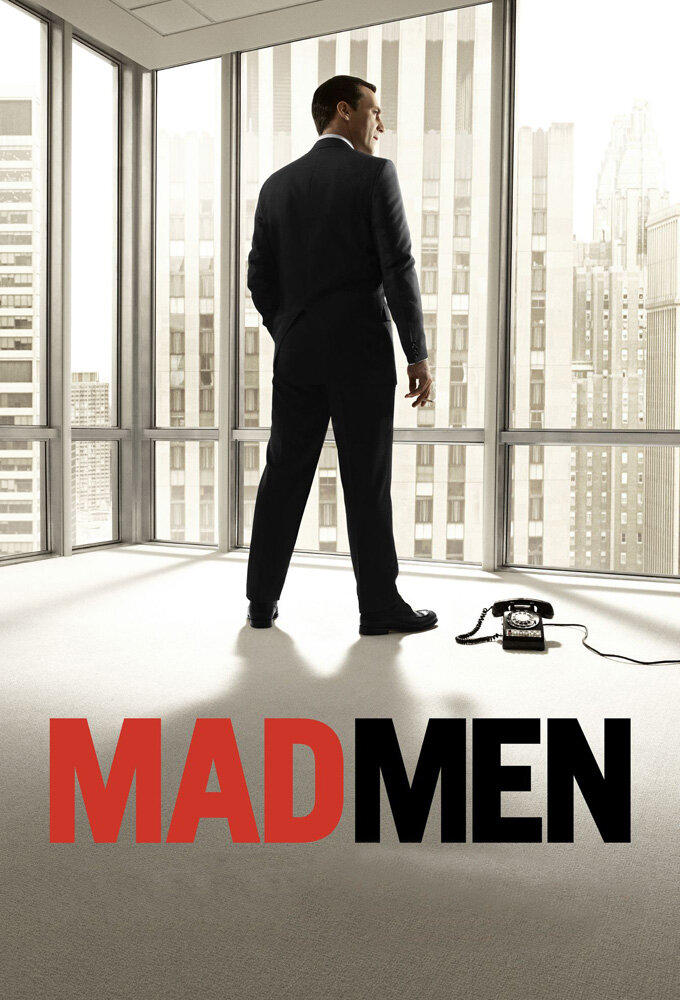
Mad Men2007
Explores the same Madison Avenue mythology from a later angle, with deeper psychology and longer narrative arcs. That same mix of glamour, anxiety, and the cost of ambition, but angrier and more honest.
But Much longer commitment—seven seasons. The tone is bleaker and the pacing deliberately slow, which some find glacial.
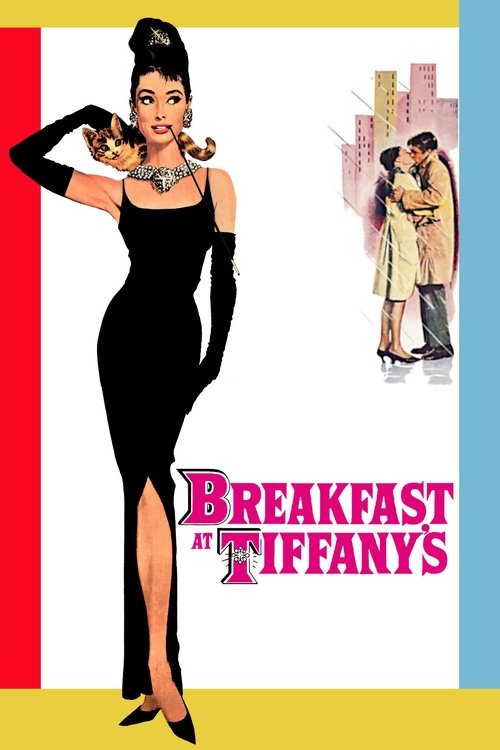
Breakfast at Tiffany's1961
Audrey Hepburn as a woman defining herself through reinvention and romance in the same era. Similar themes of independence, class anxiety, and the performance of femininity, but lighter and more tender.
But The racial caricature is jarring and painful. Holly Golightly is also much more of a cipher than the women in The Best of Everything.
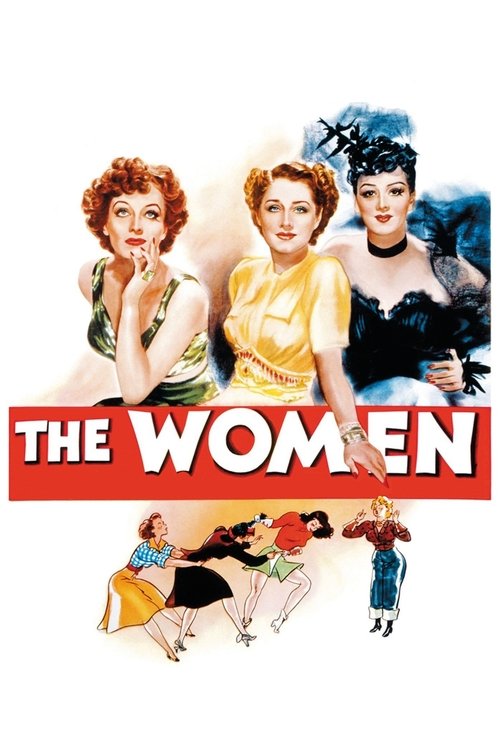
The Women1939
An all-female ensemble navigating marriage, betrayal, and identity. Sharper wit, faster pace, but the same exploration of how women compete and define themselves through men and status.
But Older and more theatrical in style. The cynicism about women's motives can feel suffocating rather than liberating.
Not sure tonight? Get a pick in a minute, starting from The Best of Everything
The wildcard
Something you would not have found on your own.
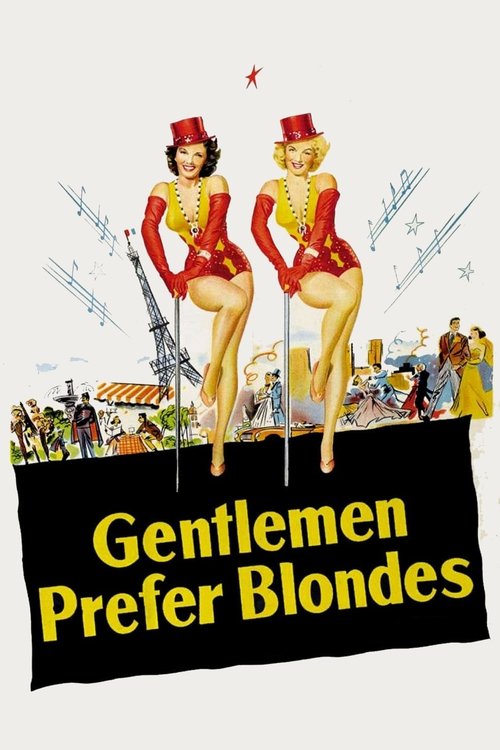
Gentlemen Prefer Blondes1953
Both treat female sexual and economic desire as something to be openly discussed rather than hidden. Both give women agency rather than victimhood.
Marilyn Monroe and Jane Russell as women openly transactional about men and money. Shares the same unsentimental view of female desire, but frames it as comedy and performance rather than drama. A very different register, but the same unflinching refusal to make women apologize for wanting.
But Frothy and musical. If you want the psychological realism of The Best of Everything, this replaces it with artifice—which is rather the point, but not everyone wants that.
More like this (8)
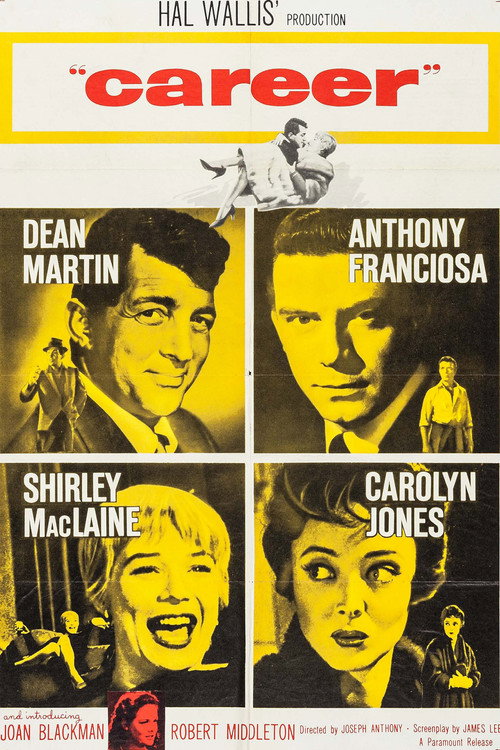
Career1959
Released the same year, about a young man's ambition on Broadway. Gives you the masculine equivalent—the hunger, the compromises, the moral cost of wanting to win.
But Less interesting overall and less well-cast. Useful companion piece rather than a superior film.
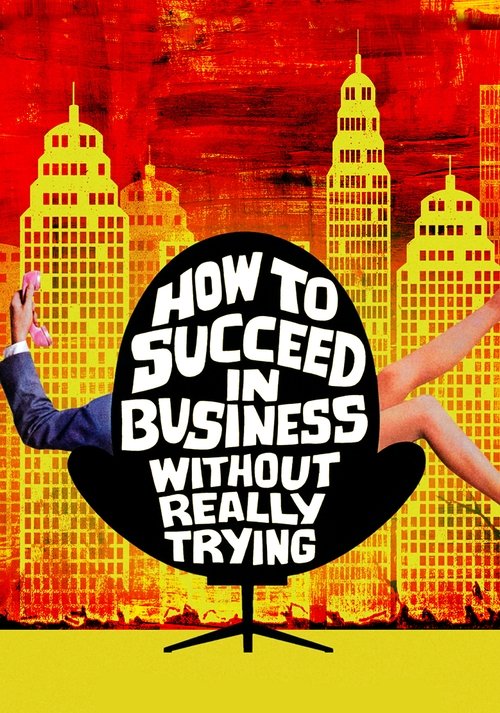
How to Succeed in Business Without Really Trying1967
A musical about climbing the corporate ladder, with the same satirical edge about what ambition costs. Energetic, funny, and genuinely clever about the phoniness of professional life.
But Being a musical, it's fundamentally lighter in tone. The satire is broader and less psychologically grounded.
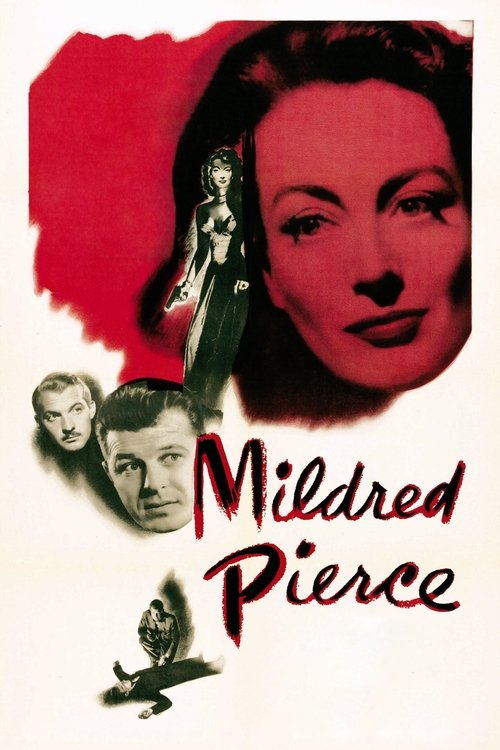
Mildred Pierce1945
Joan Crawford as a woman remaking herself through work and sacrifice. Similar DNA—female ambition, moral ambiguity, the gap between what women want and what they're allowed to have.
But Much darker and more tragic. Less romance, more noir. A heavier watch.
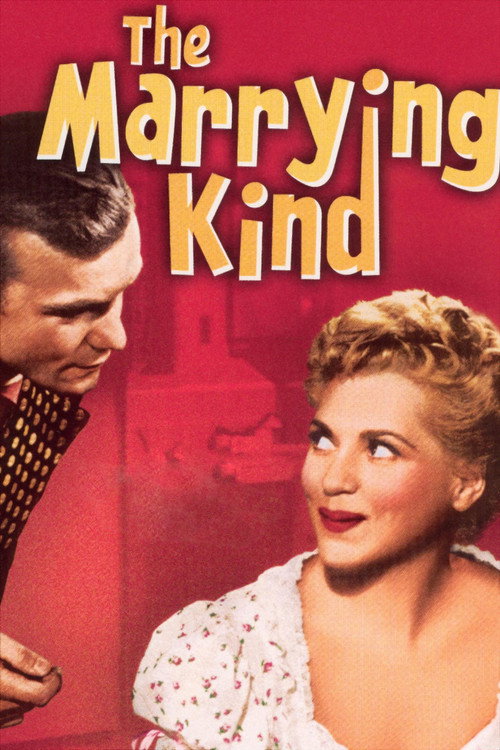
The Marrying Kind1952
Aldo Ray and Ruth Roman as a couple whose marriage unravels through flashback. Tart, unsentimental about love, with a similar refusal to make women's feelings simple.
But Smaller scale and less visually striking. The tone is flatter and the emotional beats less distinct.
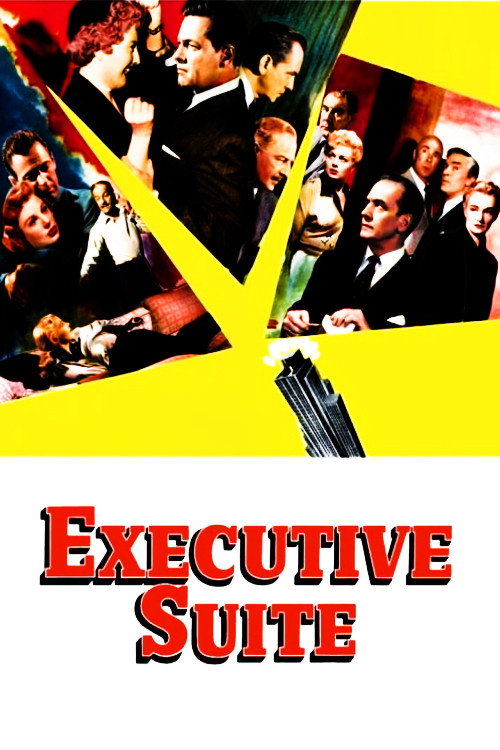
Executive Suite1954
Ensemble drama about corporate power, ambition, and morality among men and women at the top. Similar structure, similar cynicism about what success means.
But Slower and more talk-heavy. The women are fewer and less developed as characters. More interested in systems than in desire.
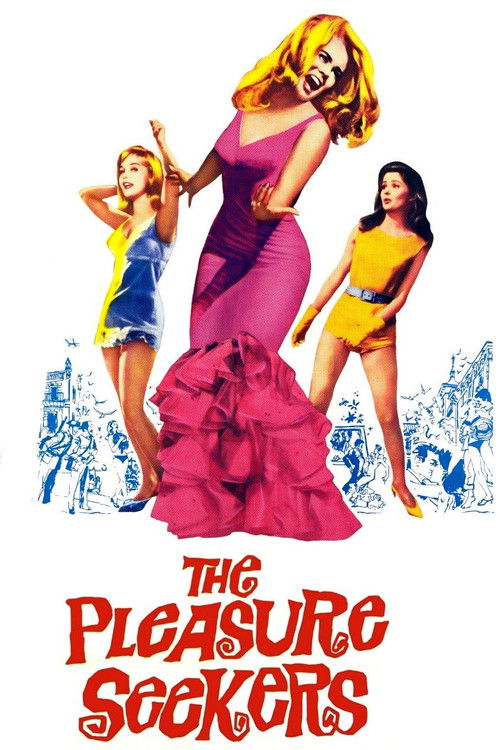
The Pleasure Seekers1964
Reworking of The Best of Everything with Ann-Margret and Carol Lynley. More colorful and softer in tone, but hits some of the same notes about young women abroad, romance, and independence.
But The remake is lighter and less psychologically acute. Feels like a downgrade of its source material.
Summer Interlude1951
Both examine how women compartmentalize love and ambition, and what they lose in the bargain. Both suggest that success and romance may not be compatible.
Bergman as a dancer haunted by a brief summer love. Swedish, intimate, and formally daring. Explores desire, choice, and the cost of ambition through a completely different lens—introspective and almost dreamlike where The Best of Everything is sharp and social.
But Black and white, subtitled, and psychologically very interior. No glamour or ensemble energy. A meditative film, not a social one.

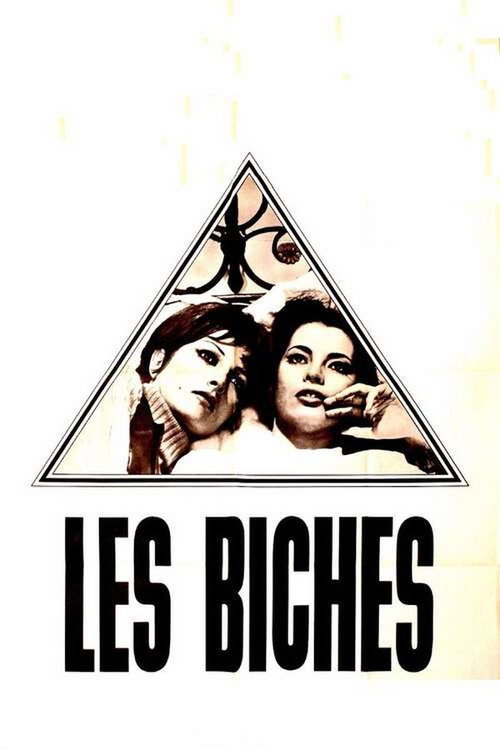
Les Biches1968
Both watch women with genuine interest and without sentimentality. Both understand that competition between women is often about more than men.
Chabrol's study of two women in a complex, ambiguous relationship. French New Wave style—observant, cool, focused on psychological texture. Captures the anxiety and competitiveness between women without ever being obvious about it.
But Obscure, unsettling, and oblique about desire. Very slow. The ending is troubling in ways that may feel gratuitous. Not a comfortable watch.
People
Cast
 Hope LangeCaroline Bender
 Stephen BoydMike Rice
 Suzy ParkerGregg Adams
 Martha HyerBarbara Lamont
 Diane BakerApril Morrison
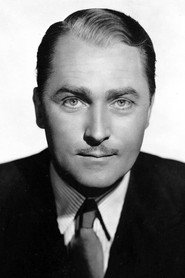 Brian AherneFred Shalimar
 Robert EvansDexter Key
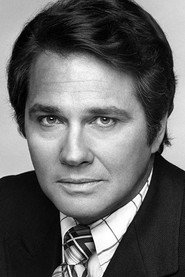 Brett HalseyEddie Harris
 Donald HarronSidney Carter
- Sue CarsonMary Agnes
- Linda HutchingsJane
- Lionel KanePaul Landers
Directing
- Jean NegulescoDirector
Writing
- Rona JaffeNovel
- Edith R. SommerScreenplay
- Mann RubinScreenplay
Production
- Jerry WaldProducer
Recommended by
Mahogany, Valley of the Dolls, A Letter to Three Wives, I Passed for White, Doctors' Wives, Strangers When We Meet, The V.I.P.s, Marjorie Morningstar, I Can Get It for You Wholesale, Yesterday, Today and Tomorrow, The Chapman Report