
Film
Marjorie Morningstar
A 1958 drama about a young Jewish woman from Manhattan who falls for a charming, rootless theater director at summer camp—a man her family considers beneath her. It's a romance that works as social observation: a film about ambition, family pressure, and whether love survives the collision between who you are and who you want to become. Beautifully shot and genuinely felt.
If you liked this
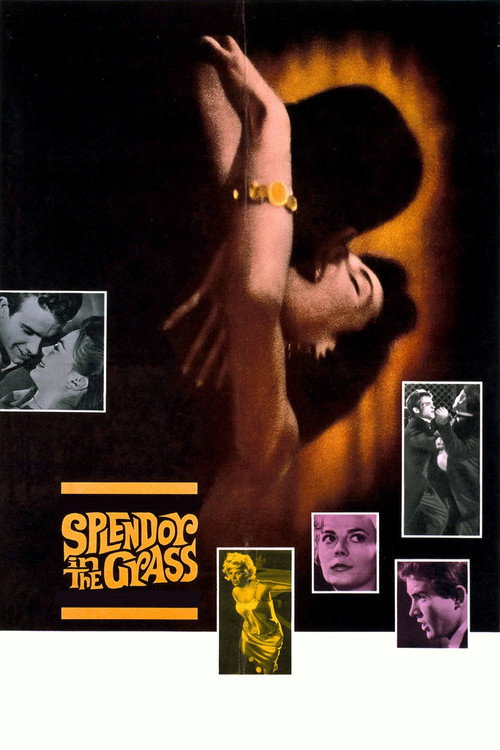
Splendor in the Grass1961
Elia Kazan's devastating portrait of teenage passion crushed by class anxiety and parental control. Like Marjorie Morningstar, it finds real tragedy in the gap between desire and respectability, and it's visually stunning.
But The ending is bleak and punishing in a way that can feel didactic. Some will find it grimly fatalistic rather than moving.
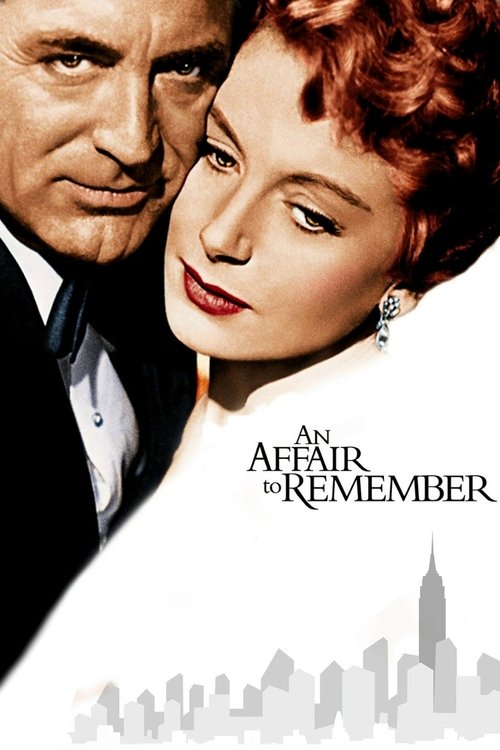
An Affair to Remember1957
Another romance about sophisticated adults navigating class, ambition, and the question of whether love is enough. It has the same glossy 1950s romanticism and the same willingness to let real complications matter.
But It's softer than Marjorie Morningstar—more of a swoon. If you want sharper social critique, this prioritizes the love story.
A Summer Place1959
A melodrama about young love and family disapproval set against a New England summer. It captures the same languid, class-conscious atmosphere and the same tension between youthful desire and parental wisdom.
But The script can feel overwrought, and the sexual politics are squarely of the 1950s—some moments will make you wince.

Not sure tonight? Get a pick in a minute, starting from Marjorie Morningstar
The wildcard
Something you would not have found on your own.
A Serious Man2009
Both films are rooted in the Jewish American experience and the specific anxiety of the ambitious child trying to honor their origins while breaking free from them.
The Coen Brothers' semi-autobiographical film about a Midwestern Jewish family in the 1960s, wrestling with faith, respectability, and whether the American promise actually works for them. It has Marjorie Morningstar's DNA—the tension between assimilation and identity, between what your parents built and what you want to build—but it's modern, funny, and formally inventive.
But It's darkly comic and philosophically ambiguous. If you want clarity or uplift, this will frustrate you. The ending refuses to resolve.

More like this (7)
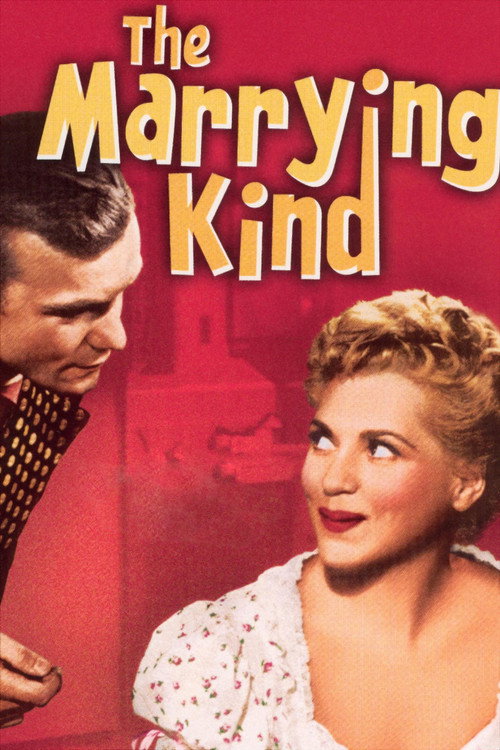
The Marrying Kind1952
A George Cukor gem about the gap between romantic expectation and married reality. It's lighter than Marjorie Morningstar but asks the same question: what happens when real life catches up with your dreams?
But It's a comedy, so if you're after something with Marjorie's dramatic weight, this might feel slight.
Breakfast at Tiffany's1961
Audrey Hepburn as a woman reinventing herself, caught between sophistication and authenticity. Like Marjorie, it's about a young woman trying on an identity that doesn't quite fit, with real affection for her struggle.
But The supporting racial stereotypes are ugly and dated. They don't destroy the film, but they're hard to ignore.

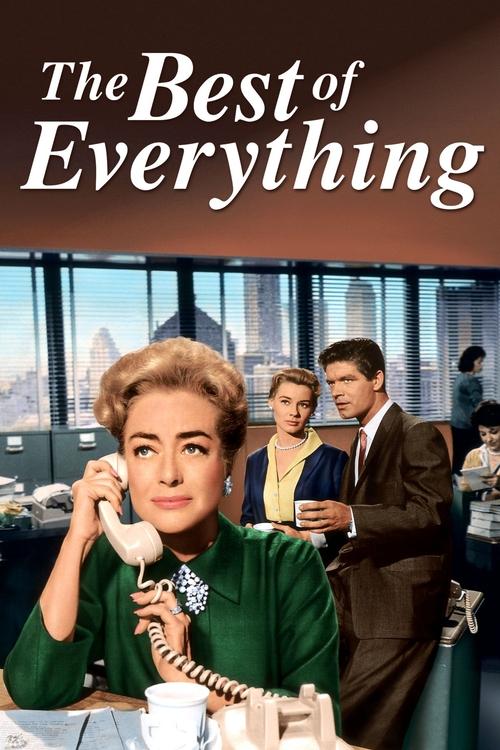
The Best of Everything1959
A sweeping ensemble drama about young women navigating career, love, and family in 1950s New York. It shares Marjorie's fascination with ambition and the pressure to choose between self and marriage.
But The film is episodic and sometimes melodramatic. It tries to cover too much ground, and the tone can veer wildly.
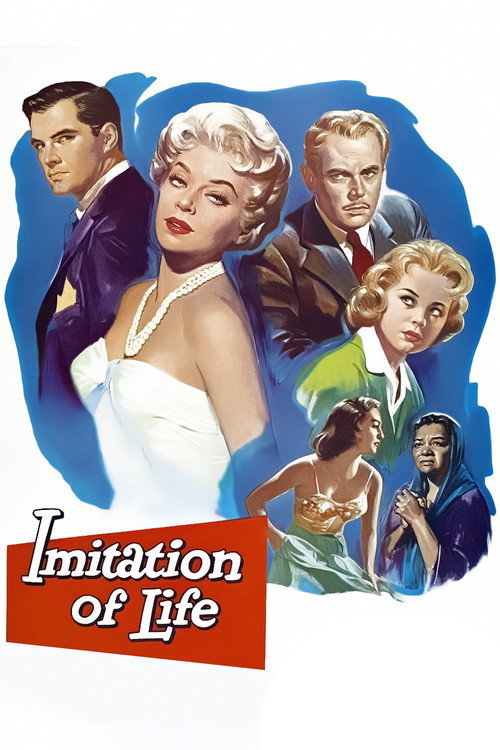
Imitation of Life1959
Douglas Sirk's masterpiece about the lies we tell ourselves and others. Like Marjorie Morningstar, it takes the 1950s surface seriously while exposing the pain underneath, and it's visually ravishing.
But Its central tragedy is devastating—it's not a feel-good film. The melodrama is intentional, but some viewers find it overwrought.
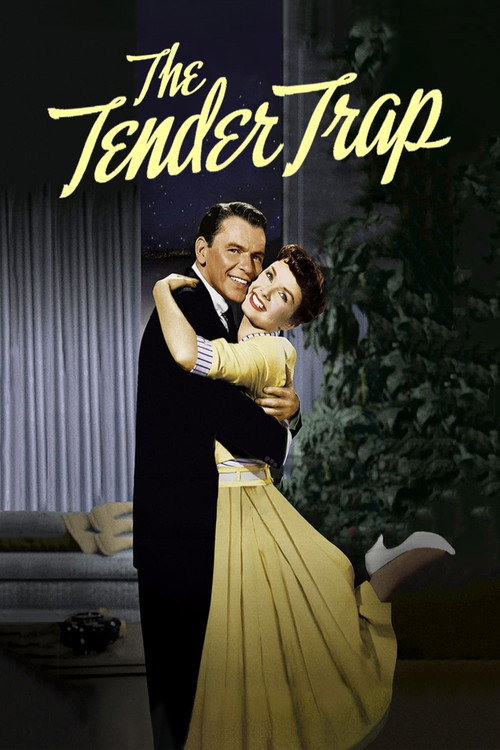
The Tender Trap1955
Frank Sinatra as a sophisticated bachelor, a lighter take on the Noel Airman archetype. It's funny and romantic, with real warmth for its characters' entanglement in love and independence.
But It's a comedy, so the stakes never feel as high as in Marjorie Morningstar. Some romantic comedies of this era feel dated.
Torch Song1953
Joan Crawford as a theatrical diva; it explores performance, identity, and the collision between ambition and love with real intensity and emotional honesty.
But Crawford's performance is so committed it borders on camp. If you're not in the mood for that kind of intensity, it can feel overwrought.

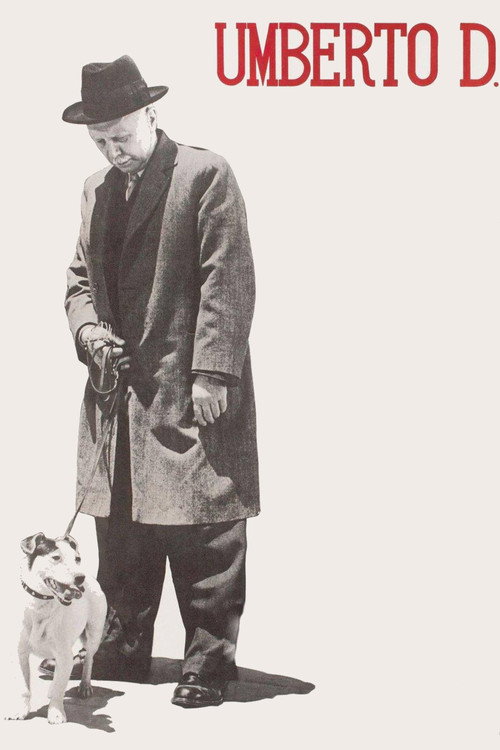
Umberto D.1952
Both films trust their audience to sit with sadness. Both believe that the most important dramas are about ordinary people discovering that their desires matter less than their circumstances allow.
Vittorio De Sica's neorealist masterpiece about an elderly man and his dog trying to survive Rome. It sounds completely different from Marjorie Morningstar, but it shares something essential: a clear-eyed, heartbreaking view of how class and circumstance constrain love and dignity, and a refusal to sentimentalize.
But It's Italian neorealism—slow, quiet, and achingly sad. There's no romance, no star power, no easy comfort. It requires patience and emotional openness.
People
Cast
 Gene KellyNoel Airman
 Natalie WoodMarjorie Morgenstern
 Claire TrevorRose Morgenstern
 Everett SloaneArnold Morgenstern
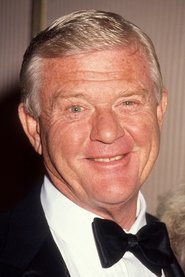 Martin MilnerWally Wronkin
 Carolyn JonesMarsha Zelenko
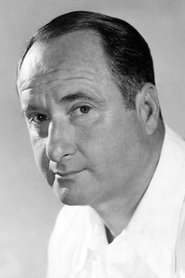 George TobiasMaxwell Greech
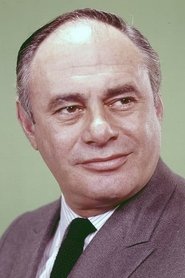 Martin BalsamDr. David Harris
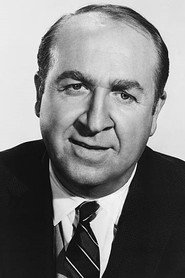 Jesse WhiteLou Michaelson
 Edd ByrnesSandy Lamm
 Paul PicerniPhilip Berman
 Alan ReedPuddles Podell
Directing
- Don AlvaradoAssistant Director
- Irving RapperDirector
Writing
- Herman WoukNovel
- Everett FreemanScreenplay
Production
- Henry RackinCasting
- Milton SperlingProducer