
Film
The Tender Trap
- Romantic comedy
- Light-hearted
A lightweight 1955 romantic comedy where Frank Sinatra plays a Manhattan theatre agent juggling multiple women until Debbie Reynolds' ingénue threatens his bachelor status. It's effervescent and occasionally clever, designed to showcase Sinatra's charm and the chemistry between leads. Perfect for fans of mid-century Hollywood romance who want something that entertains without demanding anything.
Should you watch it?
Watch it if you enjoy brisk, wisecracking 1950s romantic comedies where the banter does the heavy lifting and Sinatra's easy charm carries a story about a man who likes his freedom a little too much.
Skip it if you want modern pacing or a sharp edge; this is breezy, talky and sentimental, with its jokes and sleek mid-century Manhattan styling far more than any real emotional risk.
What it asks of you: Under two hours, it moves at a conversational clip with plenty of song and wordplay, so it asks you to keep up with dialogue rather than to sit with heavy feeling.
Not sure? Find tonight's pick in a minute.
If you liked this
Breakfast at Tiffany's1961
Audrey Hepburn's Manhattan elegance and romantic entanglement with a man who thinks he understands her. The same era's sensibility about love, independence, and the city—but sharper and more genuinely romantic than it first appears.
But It romanticizes a woman's self-destructiveness more than modern taste accepts. The supporting racial caricature is deeply uncomfortable, though mercifully brief.

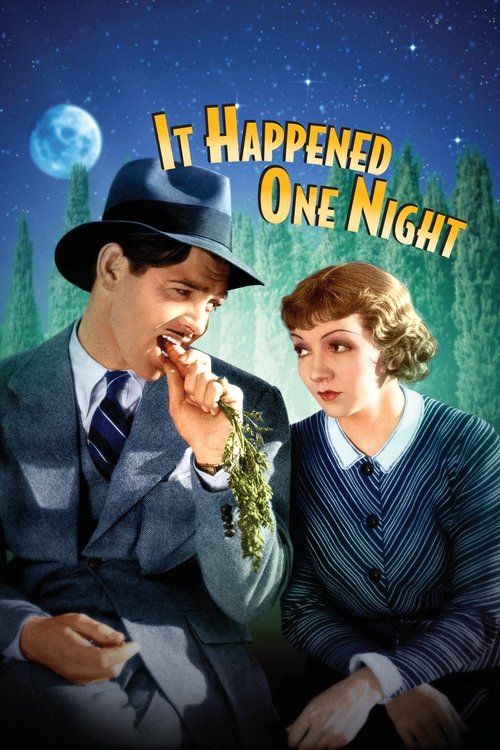
It Happened One Night1934
Screwball romance between equals who spar and seduce. The chemistry feels genuine because the characters challenge each other rather than performing attraction—a lesson Sinatra films often miss.
But The pacing is deliberate by modern standards. If you need constant plot momentum, this will feel like people talking on a bus.
Singin' in the Rain1952
Pure joy. Gene Kelly, Donald O'Connor, and Debbie Reynolds in a Hollywood romance that sings and dances with real wit and energy. The musical numbers are extraordinary and the story doesn't feel tacked on.
But If musicals aren't your language, the film stops for lengthy production numbers. Some find the tone too relentlessly cheerful for sustained viewing.

Not sure tonight? Get a pick in a minute, starting from The Tender Trap
The wildcard
Something you would not have found on your own.
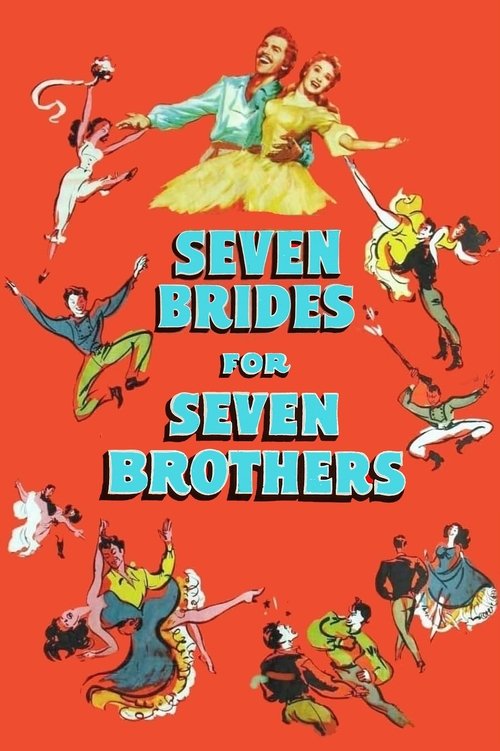
Seven Brides for Seven Brothers1954
Both are 1950s MGM musicals about men trying to hold onto bachelor freedom before romance catches them. Both use Debbie Reynolds and both trust ensemble energy alongside the leads.
A musical western where the romance is secondary to the ensemble joy of the film itself. The dancing is extraordinary—real athleticism and invention. It captures the same metropolitan-meets-country energy Tender Trap only hints at.
But The central plot involves kidnapping women. The film plays it as comedy and adventure, but the premise is genuinely uncomfortable. Some find the tone too folksy and broad.
More like this (8)
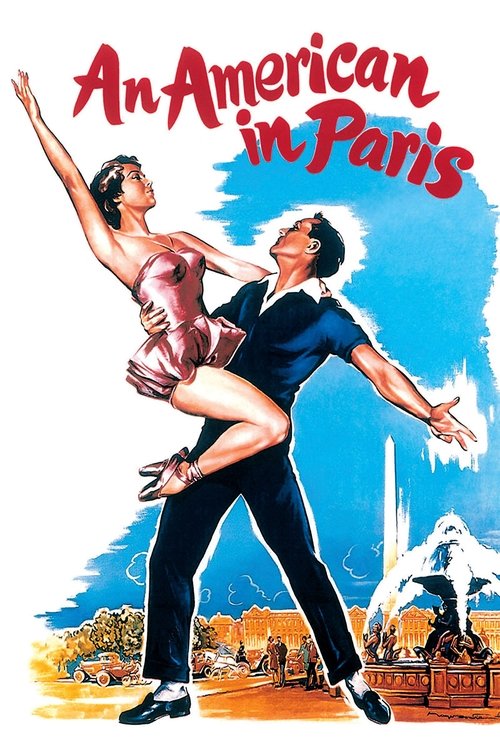
An American in Paris1951
Gene Kelly in Paris, caught between two women and the life he's building. Urbane, beautifully shot, with a great supporting cast. The romance unfolds as naturally as Manhattan does in The Tender Trap.
But The final 17-minute ballet sequence divides viewers sharply. Some find it visionary; others find it self-indulgent filler.
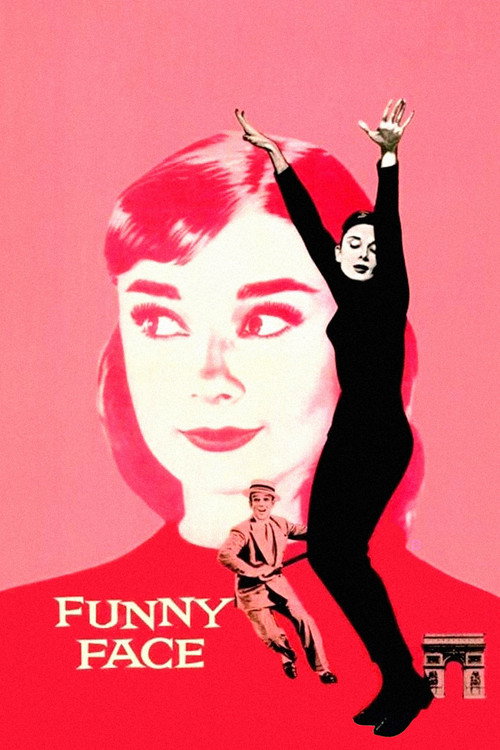
Funny Face1957
Audrey Hepburn and Fred Astaire in Paris, older leads with authentic chemistry and better material. A musical romantic comedy that actually trusts its audience to enjoy the romance without irony.
But Astaire is considerably older than Hepburn, and the dynamic hinges on him teaching her to be beautiful. That age/power gap may grate on you now.
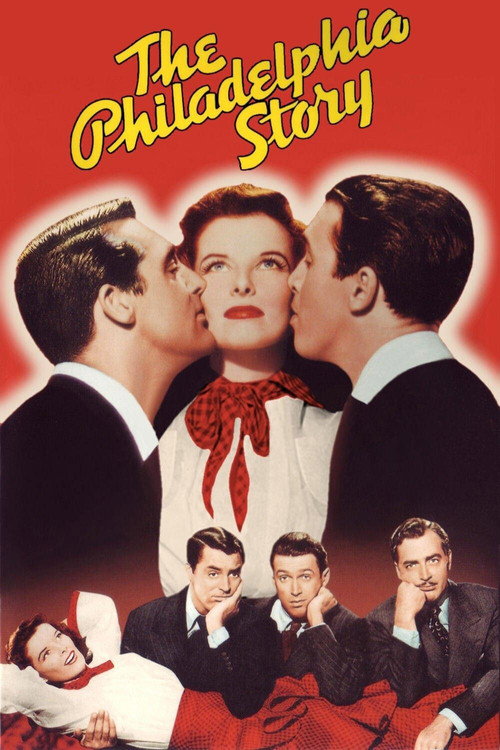
The Philadelphia Story1940
Cary Grant, James Stewart, and Katherine Hepburn in a romance that's actually about three people and the kind of love worth choosing. Witty, sexy, and surprisingly intelligent about relationships and marriage.
But It's long, and it takes time to get going. The screenplay assumes you're paying close attention to rapid dialogue and class dynamics.
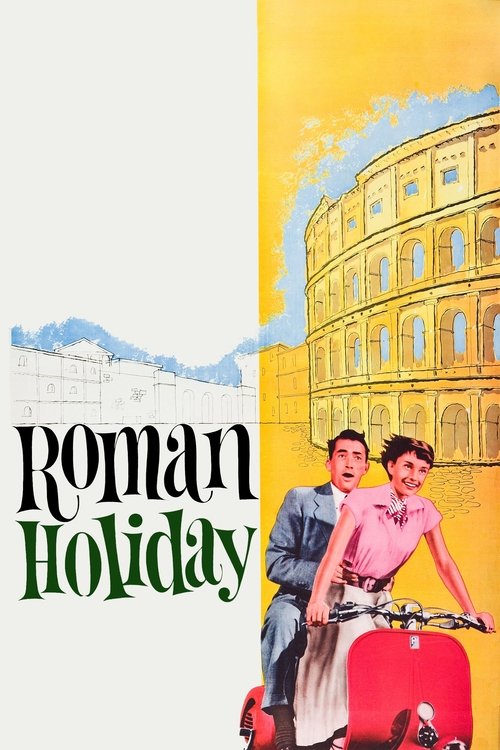
Roman Holiday1953
Audrey Hepburn's breakthrough: a princess and an American reporter in Rome. Sweet, romantic, and genuinely charming—a simpler film than Philadelphia Story but executed with real grace.
But The ending is bittersweet in a way that bothers some viewers. If you want your romantic films to end in marriage, this will disappoint you.
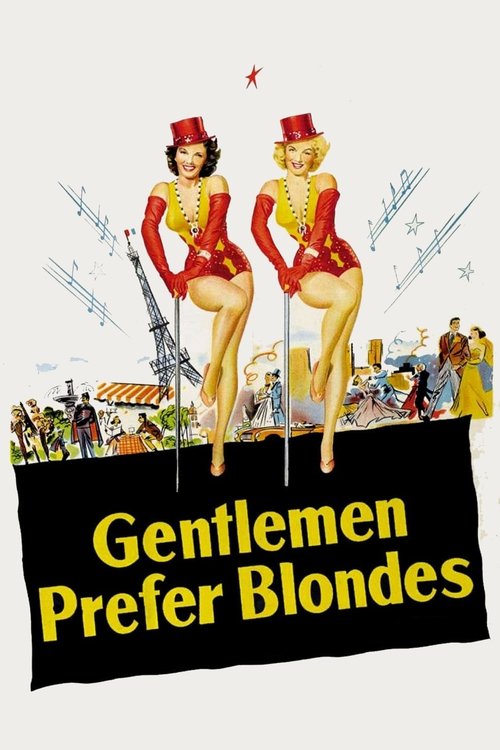
Gentlemen Prefer Blondes1953
Marilyn Monroe and Jane Russell singing, dancing, and outwitting men in a film that's actually feminist under the glitter. The title is ironic. Monroe is funnier and sharper than her image suggests.
But It's a musical comedy that makes no pretense at realism. If you want stakes that feel earned rather than performed, this is pure surface.
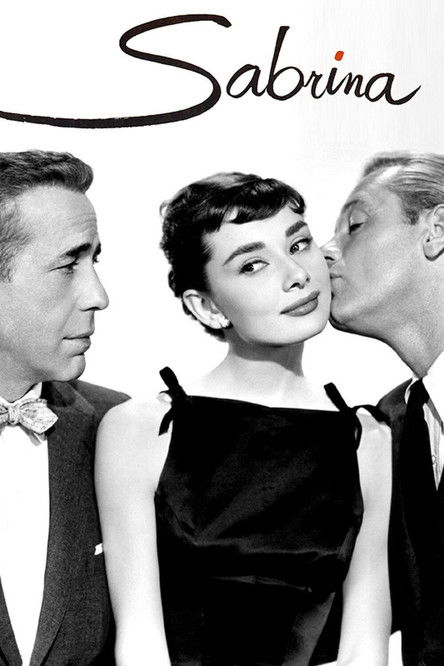
Sabrina1954
Audrey Hepburn caught between two brothers (Humphrey Bogart and William Holden). A romantic comedy with real style and a protagonist who has agency—she's not a prize, she's making choices.
But The love triangle resolves somewhat arbitrarily. Also, William Holden and Humphrey Bogart's actual age gap with Hepburn shows in every frame.
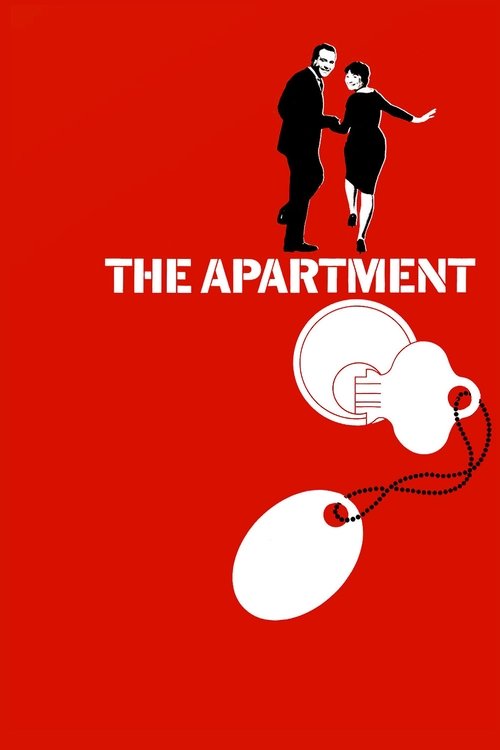
The Apartment1960
Both center a man working in the entertainment/business world of Manhattan using his apartment and charm as currency. Both question whether that life—and those women—actually satisfy him.
Jack Lemmon and Shirley MacLaine in a romantic comedy that's actually about loneliness, ambition, and compromise in Manhattan. Funny in a way that cuts—the jokes hurt because the stakes are real.
But It takes a dark turn. A film about infidelity and corporate corruption isn't what the ads promise. Some find the tonal shifts jarring rather than deepening.
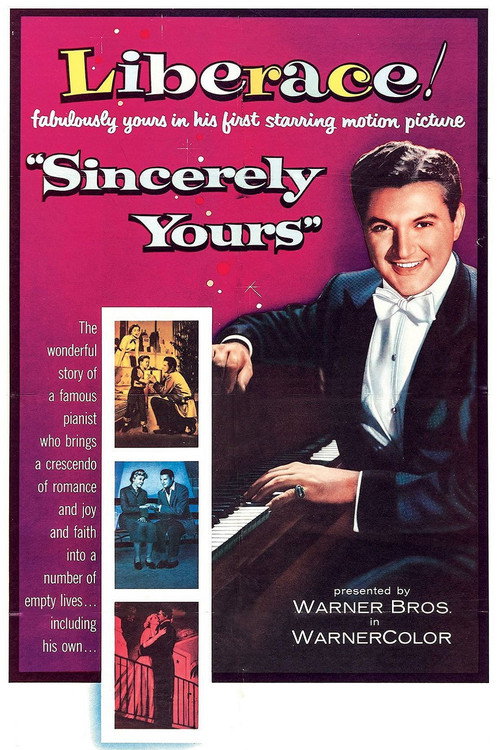
Sincerely Yours1955
Released the same year, both are MGM pictures about successful performers in love, but Liberace's film is utterly sincere about emotional transformation while Tender Trap is all surface charm. Watching them back-to-back shows you what the era could express in two completely opposite registers.
Liberace plays a concert pianist who becomes deaf but finds love and purpose through the letters of people he's helped. It's completely sincere, completely earnest, and it's a remarkable counter-vision to Sinatra's charming shallowness.
But Liberace's unapologetic sentimentality is not fashionable. The film indulges melodrama that cynical viewers find cloying. It's also poorly structured and doesn't quite cohere.
People
Cast
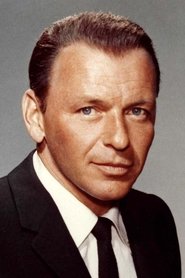 Frank SinatraCharlie Y. Reader
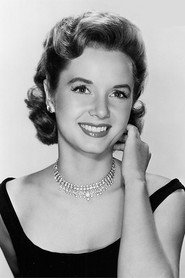 Debbie ReynoldsJulie Gillis
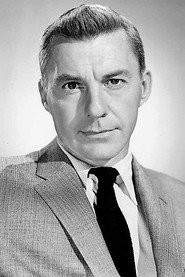 David WayneJoe McCall
 Celeste HolmSylvia Crewes
 Jarma LewisJessica
 Lola AlbrightPoppy
 Carolyn JonesHelen
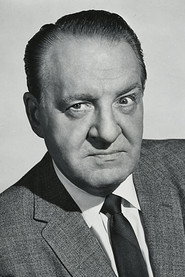 Howard St. JohnMr. Sayers
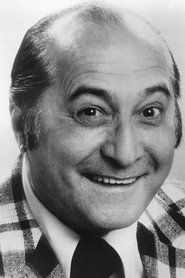 Joey FayeSol Z. Steiner
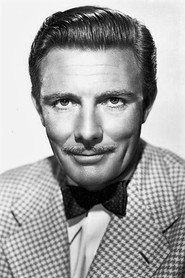 Tom HelmoreMr. Loughran
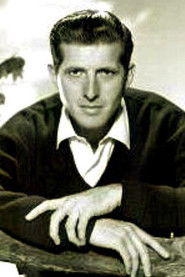 Willard SageDirector
- Marc WilderBallet Actor
Directing
- Charles WaltersDirector
Writing
- Julius J. EpsteinScreenplay
- Max ShulmanTheatre Play
- Robert Paul SmithTheatre Play
Production
- Lawrence WeingartenProducer