
Film
Crash Dive
A 1943 wartime drama that splits itself between submarine warfare in the Atlantic and a blossoming romance. It's earnest and energetic, built on the tension between duty and desire—classic studio filmmaking in Technicolor, where the stakes feel genuine even as the love story carries its share of melodrama. For anyone drawn to mid-century adventure or the particular texture of Hollywood's wartime output.
If you liked this
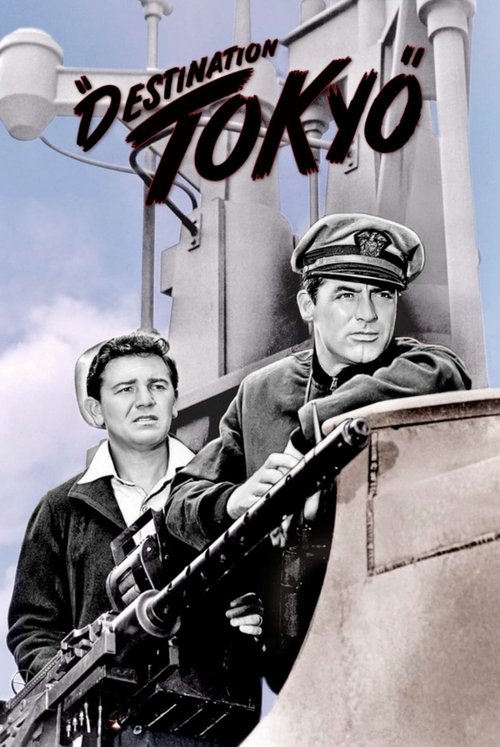
Destination Tokyo1943
Another wartime submarine thriller made the same year, with Cary Grant commanding a US sub on a dangerous Pacific mission. It has the same propulsive tension and technical detail, plus the camaraderie that makes submarine crews so watchable.
But The pacing is deliberate—long stretches of quiet procedure between action. If you want constant movement, this will feel like watching paint dry.
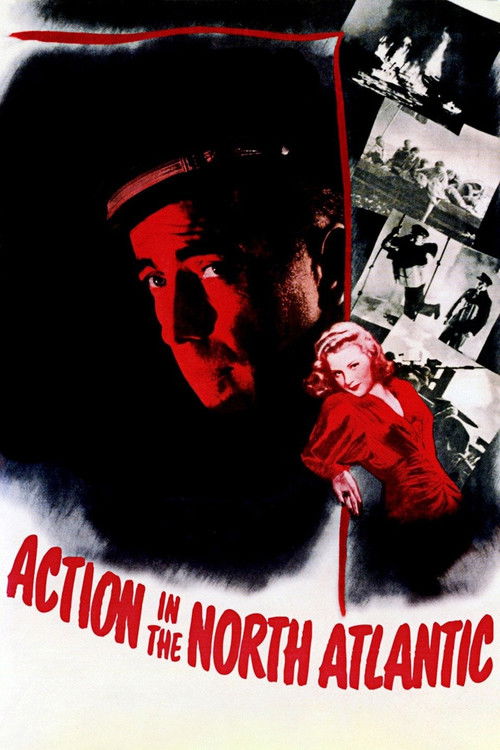
Action in the North Atlantic1943
Humphrey Bogart and Raymond Massey on a merchant marine convoy under German U-boat attack. It has the same wartime urgency and ensemble cast dynamics, with real stakes and authentic maritime detail that grounds the drama.
But Released the same year, so it shares the dated feel of rushed wartime production. The romance subplot exists mainly to give the lead a reason to survive.
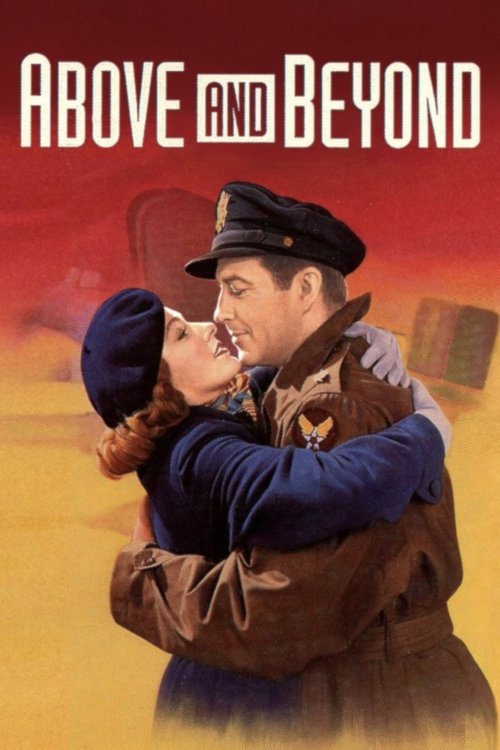
Above and Beyond1953
Robert Taylor as an Air Force pilot training for the atomic bombing of Hiroshima. Like Crash Dive, it braids military procedure with domestic tension—duty pulling the hero away from the woman who loves him, over and over.
But It's heavy with Cold War ideology and treats its subject matter with a solemnity that can feel dated. The romance feels obligatory at times.
Not sure tonight? Get a pick in a minute, starting from Crash Dive
The wildcard
Something you would not have found on your own.
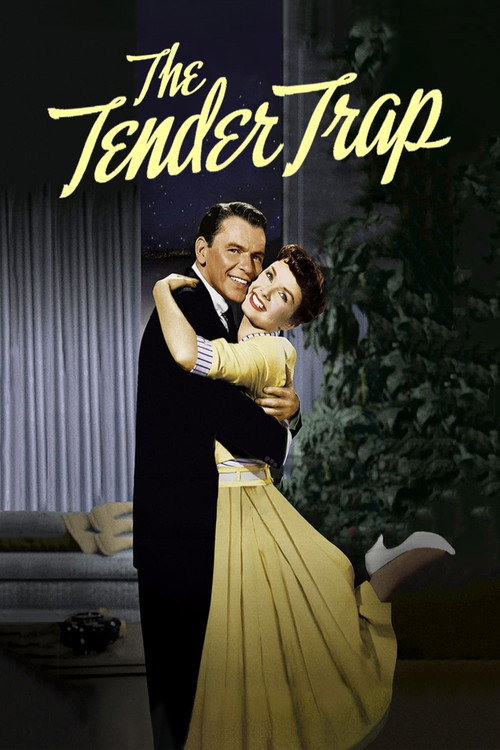
The Tender Trap1955
Both are mid-century romances about servicemen caught between love and obligation, told in the same candy-colored studio style. Crash Dive is wartime urgency; this is postwar ease—two sides of the same Hollywood coin.
Frank Sinatra as a bachelor naval officer juggling multiple romantic interests in New York. It's a Technicolor romance from the same studio system that made Crash Dive, with the same glossy appeal and the same tension between love and duty—but inverted, making romance the thing that threatens to derail a military life.
But It's frothy and lightweight compared to wartime drama. If you're watching for stakes and tension, the stakes here are whether Sinatra will propose, which lands differently in 1955 than it did in 1943.
More like this (8)
In Which We Serve1942
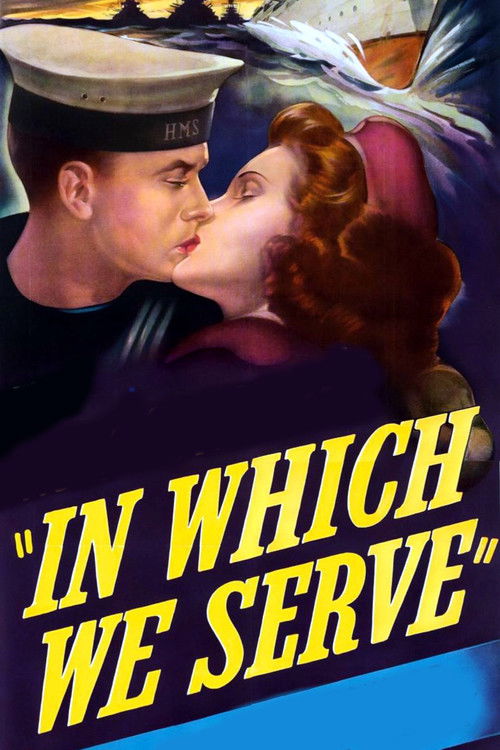
Noel Coward's masterpiece about a British naval destroyer and its crew, made just before Crash Dive. It invented the template for this entire genre—personal lives framed by wartime service, told with genuine affection for the ordinary men involved.
But It's British formality all the way; the emotional temperature is controlled and upper-class in ways that can feel cold to modern viewers. Very little melodrama.
Lifeboat1944
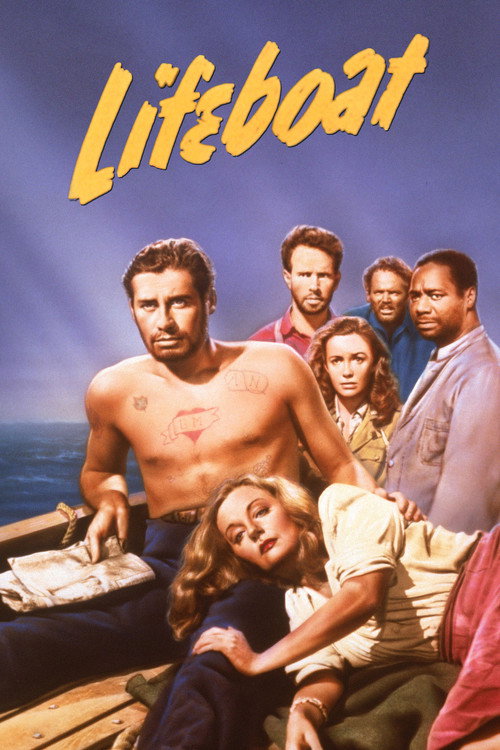
Hitchcock's confined-space thriller about passengers adrift after a German U-boat sinks their ship. Like Crash Dive, it uses submarine warfare as the engine, but trades romance for moral ambiguity and paranoia.
But It's claustrophobic and argues in real time about collaboration and fear. Faster-paced than Crash Dive but less romantic, which is the whole point.
Run Silent, Run Deep1958
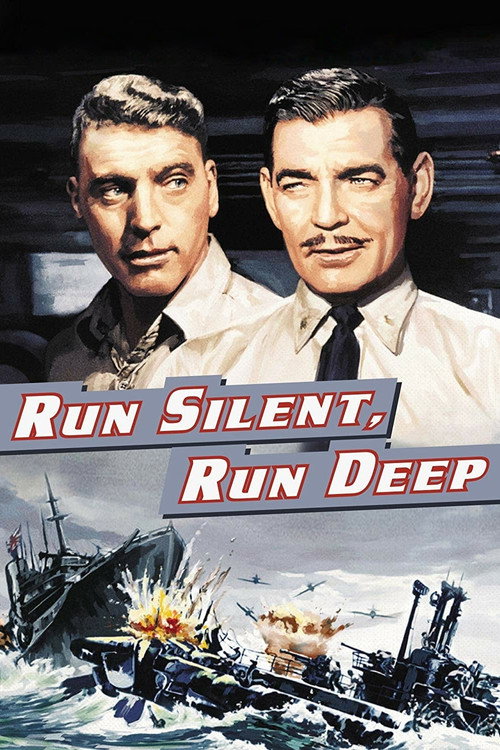
Clark Gable and Burt Lancaster in a tense submarine patrol, built entirely on the dynamics between the captain and first officer. It shares Crash Dive's interest in the men who crew these boats and the bonds they form under pressure.
But Released fifteen years later, it's grittier and less romantic—the focus is entirely on professional rivalry and warfare. No female leads or love stories to balance the military detail.
The Enemy Below1957
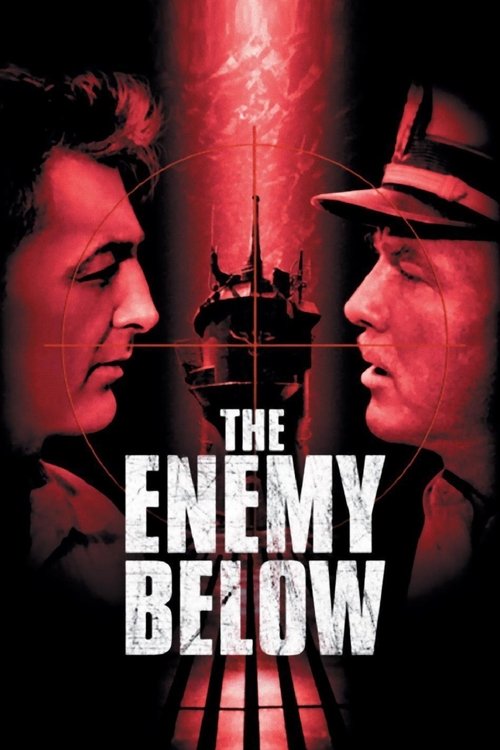
Robert Mitchum commanding a US destroyer hunting a German U-boat. Both captains are intelligent, honorable, and locked in a deadly chess game. It has the cat-and-mouse tension and respect between opponents that gives the violence weight.
But Almost entirely male-centered and procedurally dense. If you're watching for romance, you'll be disappointed—this is about tactics and pride.
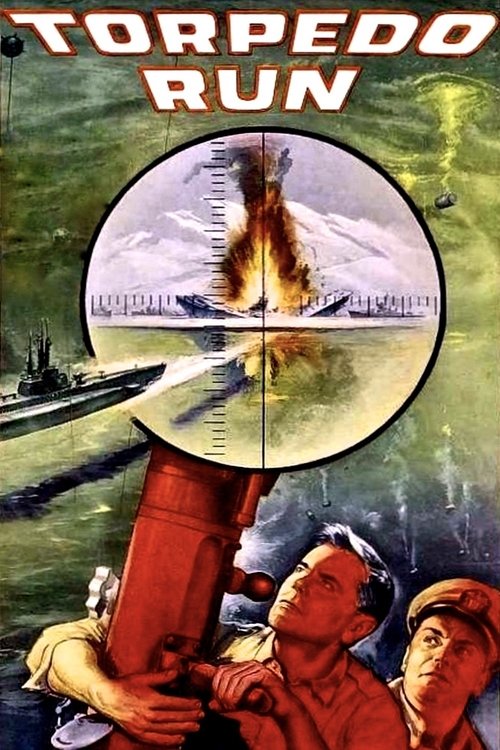
Torpedo Run1958
Glenn Ford in a submarine thriller set in the Pacific. The crew dynamics and moral weight of command decisions echo Crash Dive's interest in what these missions cost the men who undertake them.
But It's more mechanical than emotional. The human drama gets swallowed by the action sequences, and there's very little romance to lighten the load.
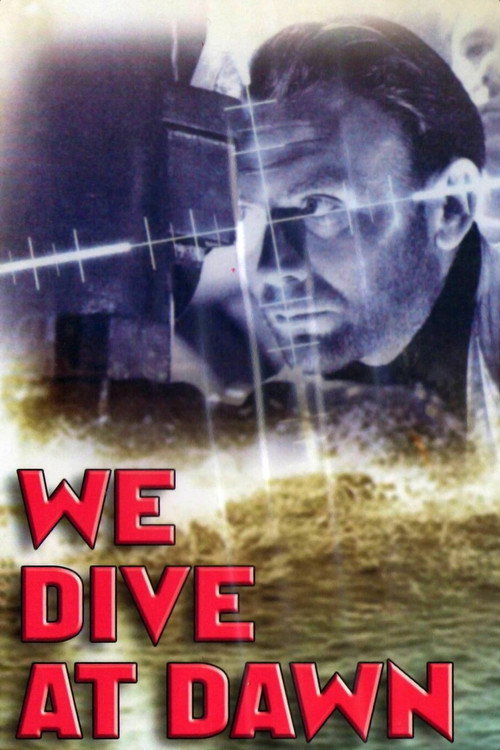
We Dive at Dawn1943
A British submarine crew on a dangerous mission to destroy a German warship. Made in the same year and with the same blend of duty, humor among the crew, and the stakes of wartime service, though with a different national perspective.
But British restraint and a thinner romantic subplot. If you're craving Technicolor spectacle and American melodrama, this will feel spare and workmanlike by comparison.
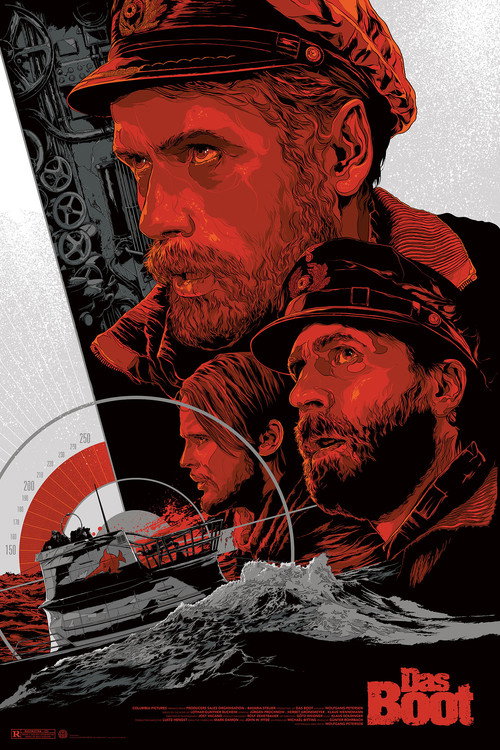
Das Boot1981
Same vessel type, same Atlantic theater, same obsession with how small groups of men function under impossible pressure. But Crash Dive is wartime propaganda made during the war; Das Boot is a memorial made thirty-eight years later. Watching both back-to-back shows you what distance and honesty do to the same basic story.
A masterpiece submarine film from the German perspective, following a U-boat crew on patrol. It has everything Crash Dive reaches for—claustrophobia, camaraderie, the weight of command, men under pressure—but with the technical realism and emotional depth that only comes from distance and retrospection.
But It's German, subtitled, and nearly three hours long. The romanticism is stripped away entirely; there's no female lead, no love story, just the grinding reality of what these boats were actually like. Bleak in ways that matter.
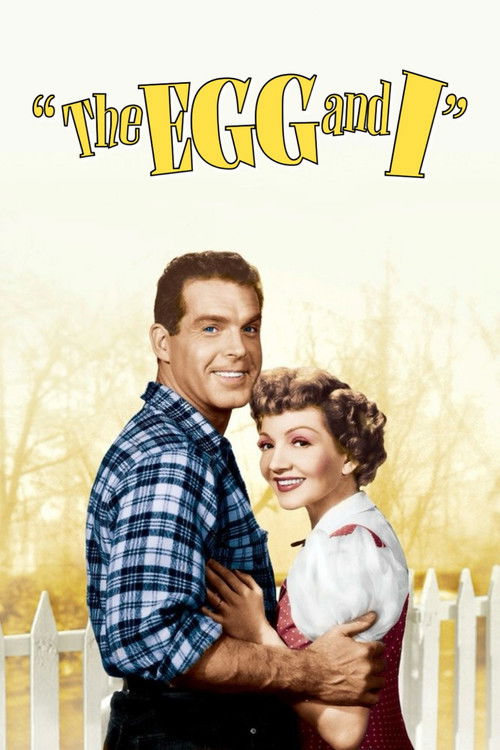
The Egg and I1947
Both are about women loving servicemen and the life disruption that choice entails. Crash Dive treats it as tragedy and romance; this treats it as charming inconvenience. Together they show the gap between how Hollywood imagined military wives should feel and what the actual experience might have been.
Claudette Colbert and Fred MacMurray in a post-war comedy about a new bride adjusting to life with her military husband in remote Washington. It's Anne Baxter's world from Crash Dive—women waiting, adjusting, trying to make a life around men in service—but played for laughs instead of longing.
But It's a romantic comedy that assumes you're on the side of domestic adjustment. If you want drama, stakes, or any acknowledgment that this arrangement might be unequal, you won't find it.
People
Cast
 Tyrone PowerLt. Ward Stewart
 Anne BaxterJean Hewlett
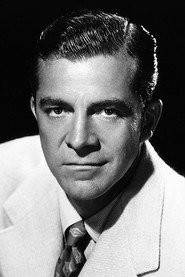 Dana AndrewsLt. Cdr. Dewey Connors
 James GleasonChief Mike 'Mac' McDonnell
 May WhittyGrandmother
 Harry MorganBrownie
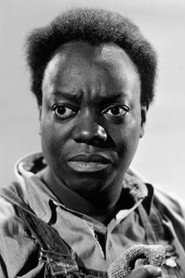 Ben CarterOliver Cromwell Jones
 Stanley AndrewsShipwrecked Captain (uncredited)
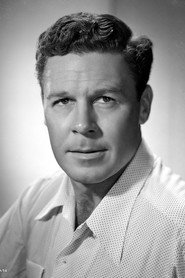 John ArcherCurly Bowman (uncredited)
 Gene RizziSeaman Rizzi (uncredited)
- Frederic BrunnQ Boat Lieutenant (uncredited)
 Frank ConroyCapt. Bryson
Directing
- Archie MayoDirector
Writing
- Jo SwerlingScreenplay
- W.R. BurnettStory
Production
- Darryl F. ZanuckExecutive Producer
- Milton SperlingProducer