
Film
I Passed for White
A 1960 drama about a Black woman passing as white in her new marriage, concealing her family and identity from her husband. It's a tense examination of racial deception, assimilation, and the psychological cost of living a double life. For anyone drawn to intimate stories about how race shapes identity and what we're willing to sacrifice for acceptance.
If you liked this
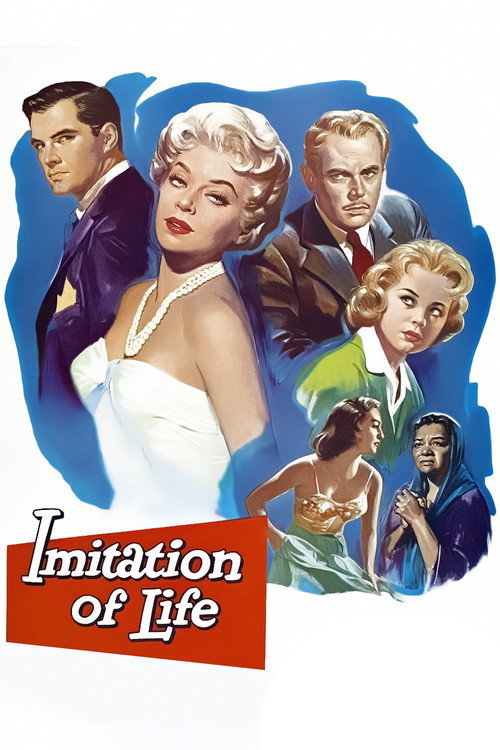
Imitation of Life1959
The definitive film about passing and its emotional devastation. Douglas Sirk's melodrama unfolds the tragedy of a Black woman and her daughter navigating a world that demands they erase themselves. Heartbreaking and visually stunning.
But The emotional intensity borders on unbearable at times. If you prefer subtlety over big, wrenching feelings, the film's operatic register might overwhelm.
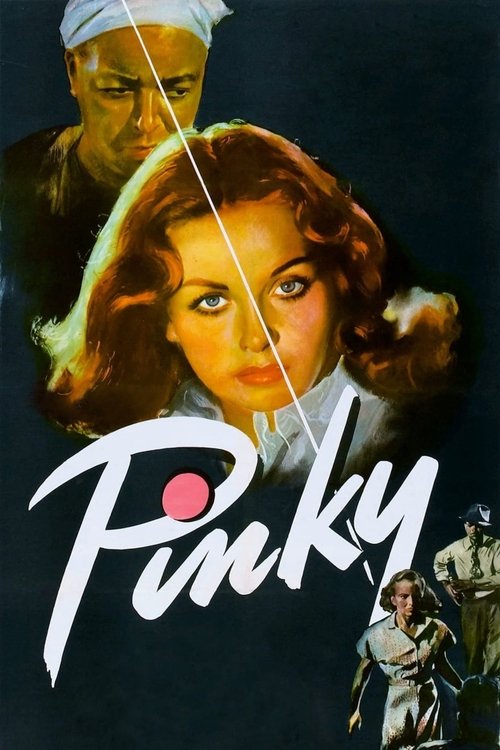
Pinky1949
Elia Kazan's direct exploration of a light-skinned Black nurse who passes for white in the South, then must choose between two worlds. Serious, unflinching, and beautifully acted by Jeanne Crain and Ethel Waters.
But It's a product of its time in some ways—the white perspective isn't always interrogated as sharply as it might be today. Some scenes feel dated in their framing.
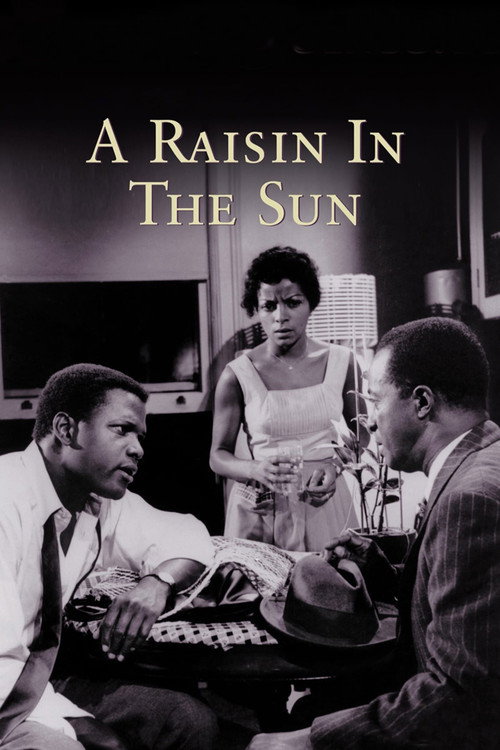
A Raisin in the Sun1961
Lorraine Hansberry's masterpiece about a Black family in Chicago dreaming of escape and dignity. It's about aspiration, family bonds, and refusing to diminish yourself for the world's comfort. Raw and deeply human.
But The focus is community and kinship rather than individual passing. If you're specifically hunting for identity-deception narratives, this approaches the question differently.
Not sure tonight? Get a pick in a minute, starting from I Passed for White
The wildcard
Something you would not have found on your own.
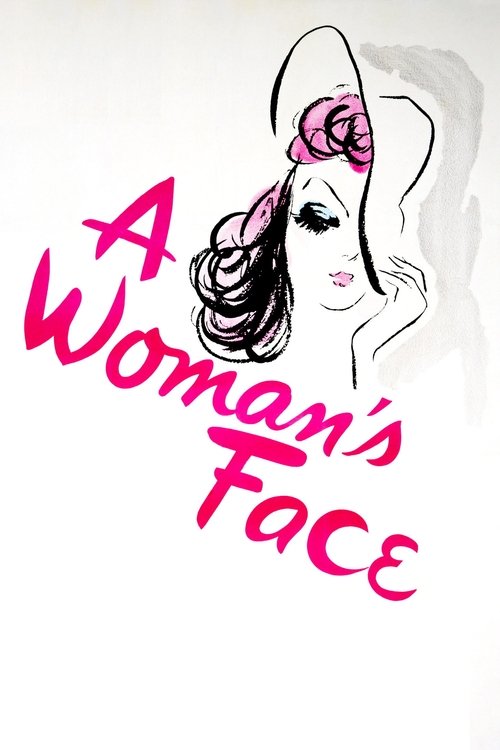
A Woman's Face1941
Both films examine the interior cost of passing—the anxiety, the performance, the fear of discovery—by literalizing the idea that you cannot simply put on a new identity without damage.
Joan Crawford plays a woman with a scarred face who surgically transforms her appearance and begins a new life with a new identity. Like *I Passed for White*, it's about the psychological toll of living as someone you're not—but here the transformation is physical and the stakes are crime and revenge instead of race.
But It's a film noir thriller from the 1940s, so it prioritizes suspense and plot twist over social realism. The comparison requires you to abstract the core idea beneath very different genres.
More like this (7)
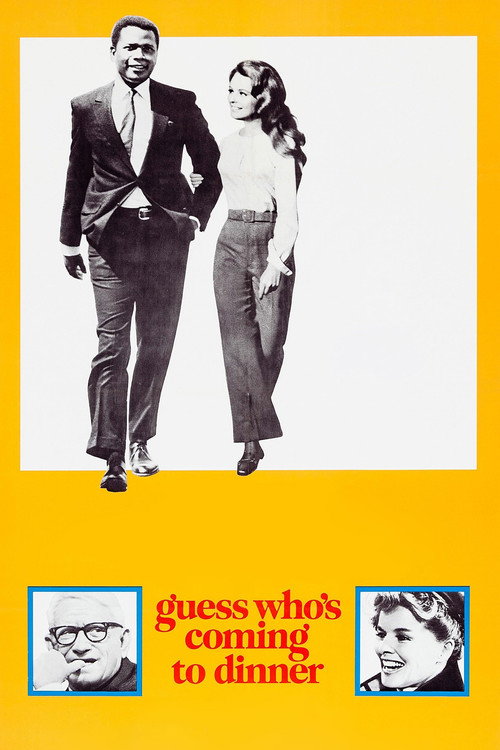
Guess Who's Coming to Dinner1967
Sidney Poitier and Katharine Hepburn in a film about race, marriage, and what families will accept. It's less about concealment than confrontation, but shares the tension of love colliding with social identity.
But It softens its own edges considerably—this is a film about liberal white guilt as much as Black experience. If you want sharper critique, you'll feel it pulling punches.
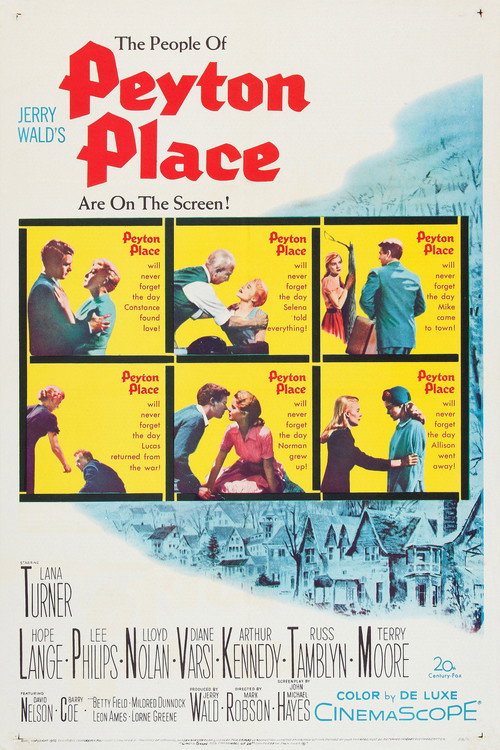
Peyton Place1957
A soapy drama that, like *I Passed for White*, uses small-town secrets and hidden identities as its engine. Lana Turner in a film about what people conceal and why those concealments explode.
But The racial dimension isn't central here—it's more about class and sexual transgression. The connection is structural, not thematic.
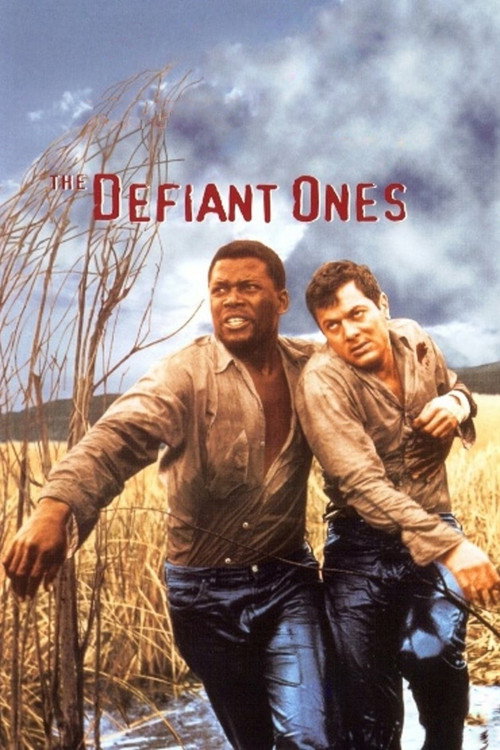
The Defiant Ones1958
A prison-break film pairing Sidney Poitier and Tony Curtis. Race is inescapable; so is the awkward intimacy of two men chained together. Both must confront what the other's presence means.
But It's a thriller first, a race drama second. If you want sustained interrogation of identity rather than action and escape, it won't satisfy that itch.
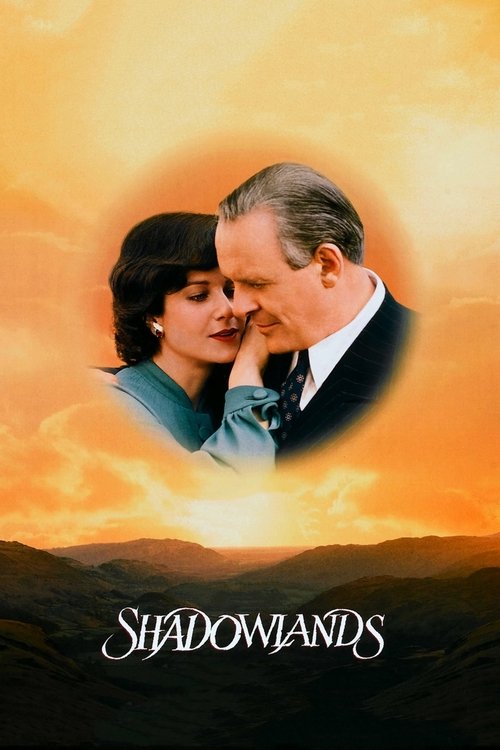
Shadowlands1993
Anthony Hopkins and Debra Winger in a film about a man learning what it costs to hide from love. Not about race, but about the architecture of self-deception and what we lose when we build walls.
But It's a period piece about a literary figure, which distances it from the social urgency of *I Passed for White*. The stakes feel personal rather than political.
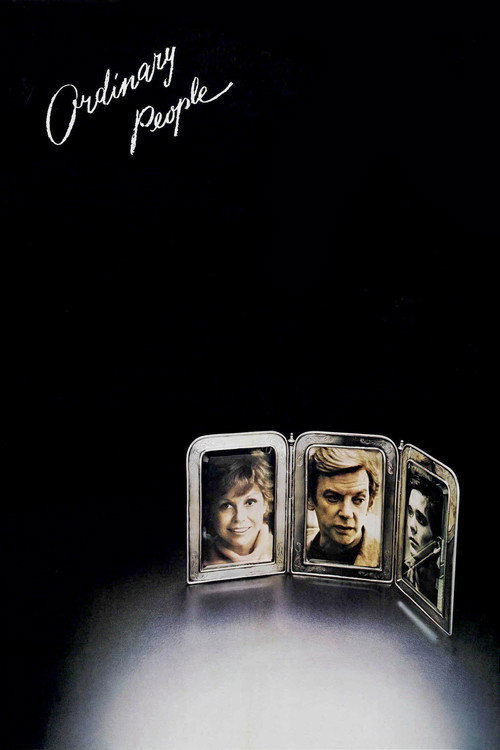
Ordinary People1980
Robert Redford's film about a family fractured by secrets. It understands that what we don't say to those closest to us can destroy everything. Quietly devastating.
But The family is white and affluent—the concealment here is emotional rather than tied to systemic identity. It's a different register entirely.
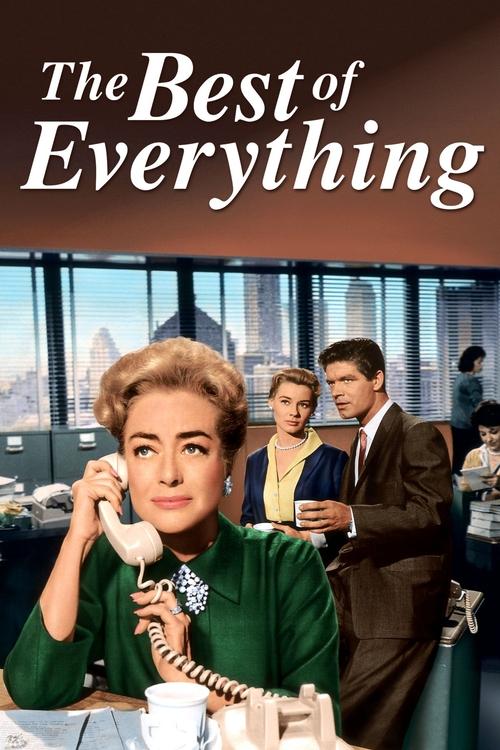
The Best of Everything1959
A melodrama about young women in New York navigating ambition, romance, and reinvention. It shares *I Passed for White*'s interest in what women will hide about themselves to survive and succeed.
But It's lighter, campier, more interested in fashion and flirtation. The stakes are romantic rather than existential.
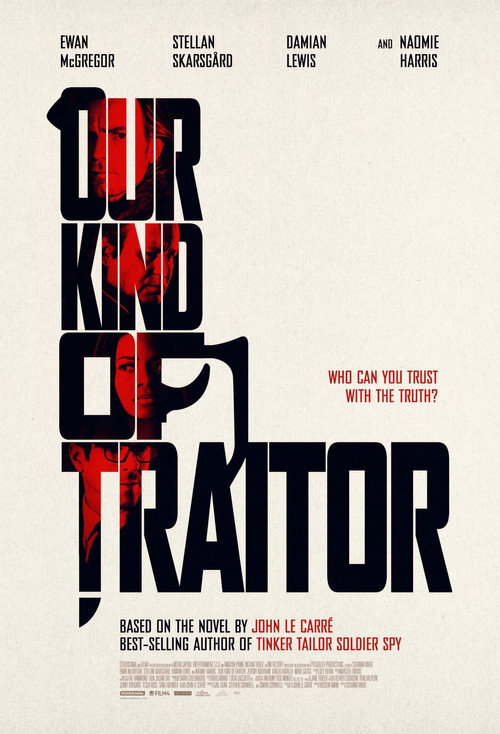
Our Kind of Traitor2016
Both explore marriage and partnership under the strain of hidden identity, but from opposite angles—*I Passed for White* concerns what one person withholds; *Our Kind of Traitor* concerns mutual unknowing in a world where everyone has secrets.
Based on John le Carré, this spy thriller follows an ordinary man drawn into deception where nothing about identity is stable—his own or anyone else's. It's about the vertigo of not knowing who to trust or who anyone really is, and how that uncertainty corrodes everything.
But It's a modern espionage film, so the focus is on geopolitics and plot mechanics rather than the personal anguish *I Passed for White* lingers on. The emotional register is colder.
People
Cast
 Sonya WildeBernice Lee
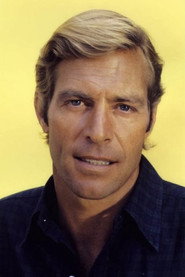 James FranciscusRick Leyton
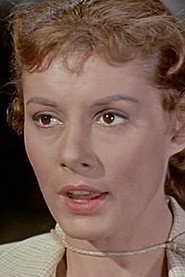 Patricia MichonSally Roberts
- Elizabeth CouncilAnn Leyton
- Griffin CraftsMr. Leyton
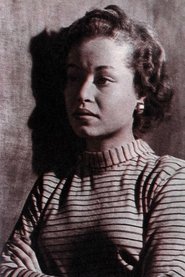 Isabel CooleyBertha
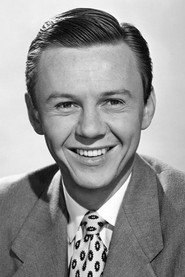 Jimmy LydonJay Morgan
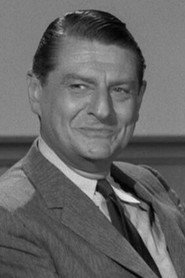 Thomas Browne HenryDr. Merritt
- Max MellingerMr. Gordon
- Phyllis ColeNurse
- Calvin JacksonEddie - in Dance Studio
- Lon BallantyneChuck
Directing
- Fred M. WilcoxDirector
Writing
- Mary Hastings BradleyNovel
- Reba LeeNovel
- Fred M. WilcoxScreenplay