
Film
Pinky
A 1949 drama about a light-skinned Black woman navigating identity, family, and love after passing for white in the North. Earnest and direct about race at a moment when most Hollywood films weren't, it's both a product of its era and genuinely bracing. Essential viewing for anyone interested in how cinema has grappled with race and passing.
Should you watch it?
Watch it if you are drawn to socially pointed studio-era melodrama where the moral argument lives in close, uncomfortable conversations between characters rather than in speeches.
Skip it if you want a brisk, modern pace or a story that treats race with lightness; this 1949 film is talky, sentimental in places, and its handling of its subject shows its age.
What it asks of you: Around a hundred minutes of patient dialogue scenes in a Southern setting, with little action, so you need to settle in and listen rather than skim.
Not sure? Find tonight's pick in a minute.
If you liked this
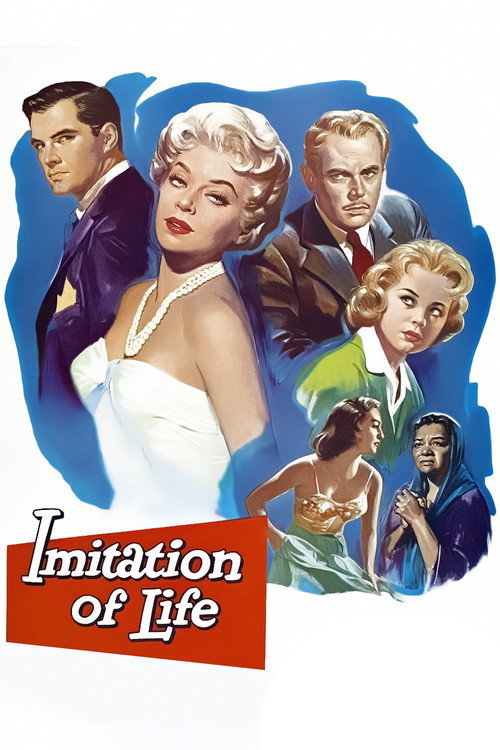
Imitation of Life1959
Douglas Sirk's melodrama about a light-skinned Black woman choosing to pass, wrestling with the same questions of identity and belonging. It's more visually sumptuous and emotionally baroque than Pinky, but shares its core moral urgency.
But The heightened soap-opera tone and colour cinematography can feel overwrought to modern viewers; it's very much a 1950s Hollywood production, complete with its aesthetic limitations.
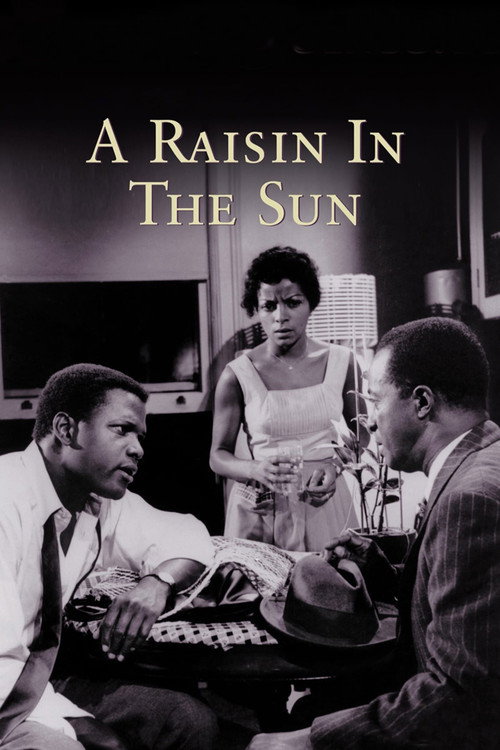
A Raisin in the Sun1961
Sidney Lumet's adaptation of Lorraine Hansberry's play about a Black family in Chicago dreaming of escaping poverty and discrimination. Like Pinky, it's deeply engaged with family, aspiration, and what identity costs. Richer and more layered.
But The theatrical staging can feel static to viewers used to more cinematic storytelling; the pacing is deliberate, and it doesn't offer easy answers or catharsis.
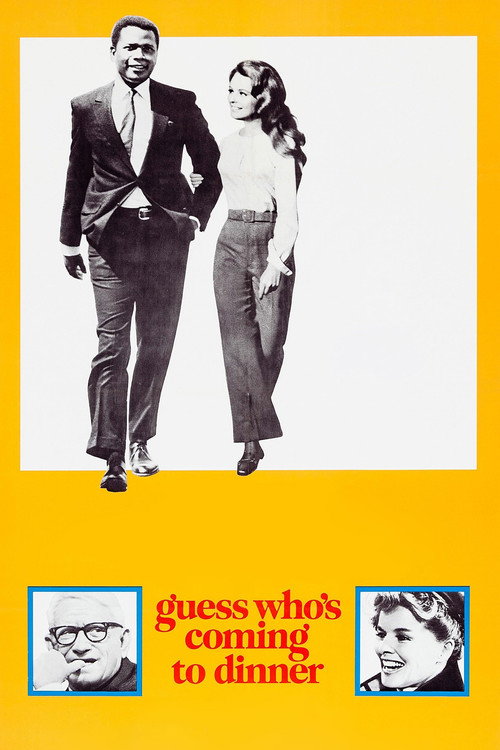
Guess Who's Coming to Dinner1967
Traces similar terrain—interracial love and the social forces arrayed against it—but with the moral clarity of a different era. Sidney Poitier and Spencer Tracy bring immense dignity to a direct conversation about prejudice and change.
But It's now felt as dated in its earnestness as Pinky was then; the problem-solving optimism can read as naïve to contemporary audiences wrestling with more intractable inequalities.
Not sure tonight? Get a pick in a minute, starting from Pinky
The wildcard
Something you would not have found on your own.
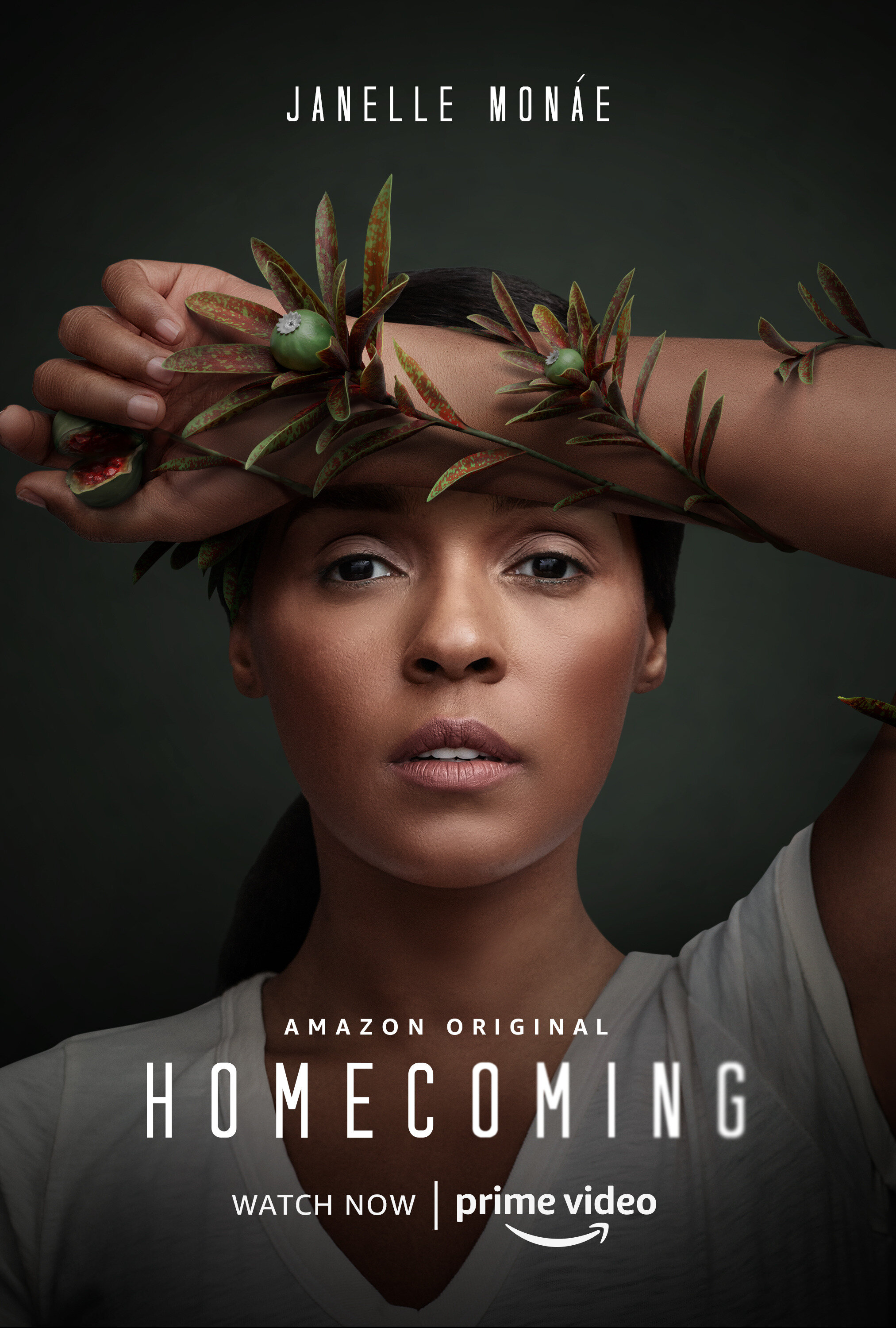
Homecoming2018
Both are about the unbridgeable psychological chasm between two worlds, and the crushing isolation of being unable to tell people you love the truth about who you are.
A science fiction series about soldiers returning from deployment abroad, grappling with psychological trauma and the gap between their experiences and what civilians understand. It reframes Pinky's central tension—the impossible distance between who you were and who you've become—through a completely different lens.
But It's a cancelled miniseries from the mid-2000s that's hard to find; it's also very dark and anti-cathartic, with none of Pinky's hope or warmth.
More like this (7)
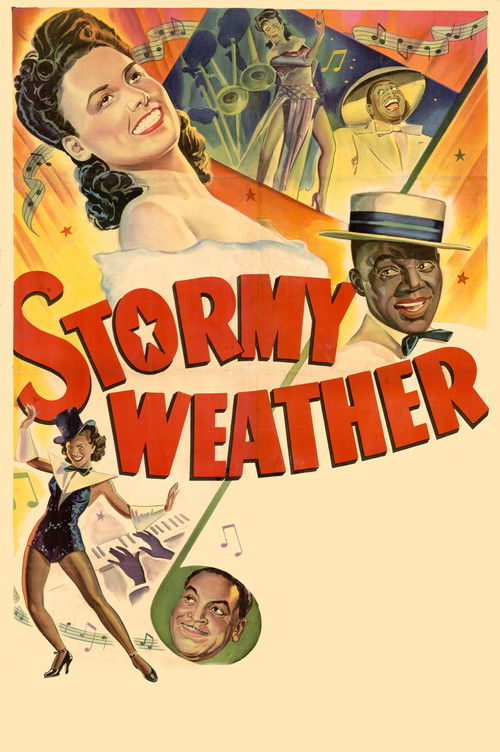
Stormy Weather1943
A musical showcase for Ethel Waters, who plays Pinky's grandmother. It's a glittering, joyful celebration of Black performance and artistry during the same period Pinky was wrestling with race on screen.
But The plot is thin and exists mainly to string together musical numbers; if you're not interested in classic jazz and dance performance, there's not much narrative to hold you.
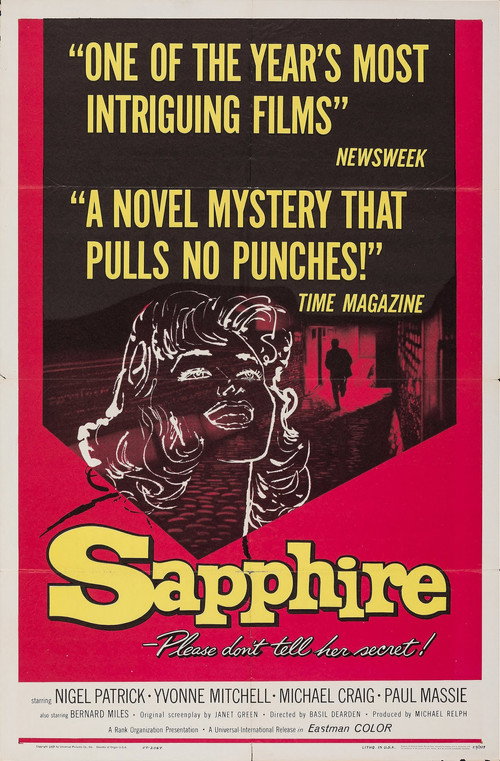
Sapphire1959
A British crime thriller centred on race and passing; a detective investigates a murder with racial implications, interrogating assumptions and prejudice along the way. Sharp and tense in ways Pinky isn't.
But It's a genre exercise first and foremost, so the social commentary, while pointed, is subordinate to the mechanics of the mystery.
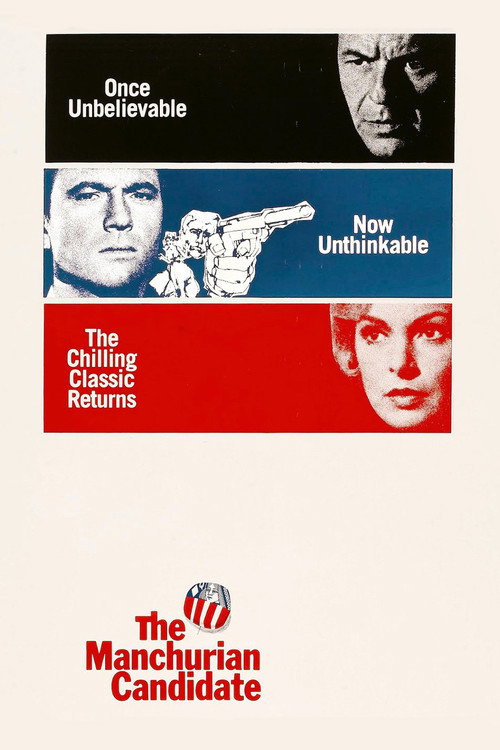
The Manchurian Candidate1962
Not about race directly, but about conformity, identity, and what it means to hide your true self in Cold War America. John Frankenheimer's paranoid masterpiece operates in similar moral territory as Pinky.
But It's a dense political thriller with a baroque plot; if you're looking for something as direct and emotional as Pinky, this is too clever and cold.
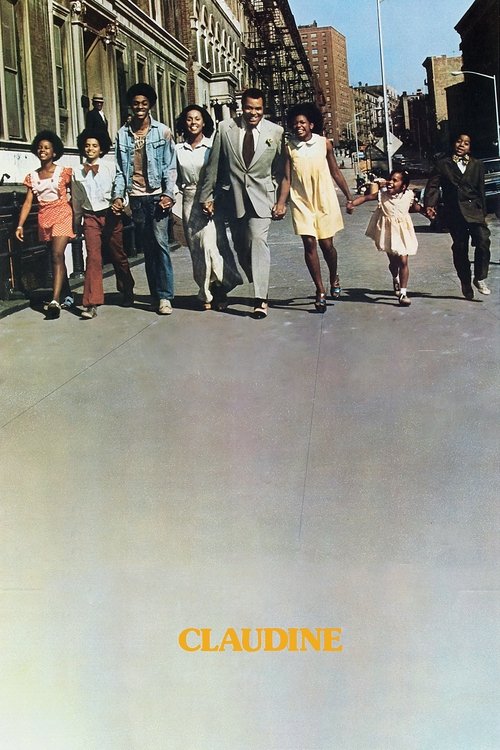
Claudine1974
A Diahann Carroll vehicle about a proud Black woman navigating motherhood, love, and dignity in Harlem. It's joyful and frank about race in ways that feel like a spiritual descendant of Pinky.
But The romantic plot can feel secondary to the character study; some viewers will find the tone uneven, mixing comedy with serious social observation.
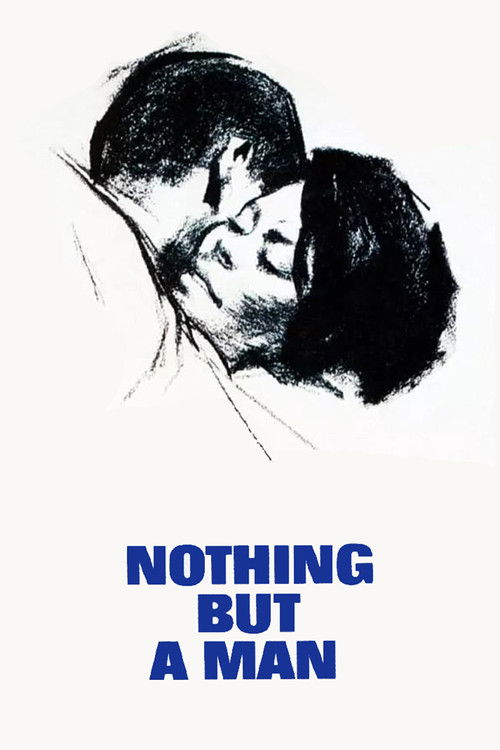
Nothing But a Man1964
A quietly devastating portrait of a Black man and woman trying to build a life together against systemic racism. It's direct, unsentimental, and deeply human in ways that echo Pinky's earnestness.
But It's very slow and sparse; there's no plot to speak of, just the accumulation of small humiliations and the weight of trying to maintain dignity.
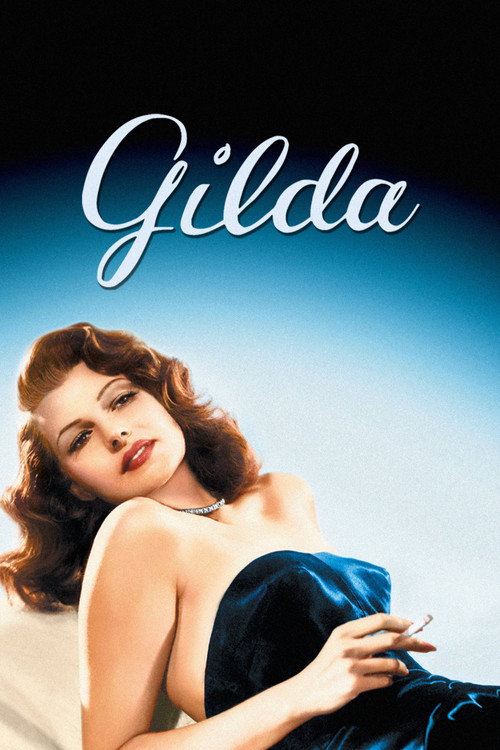
Gilda1946
Both centre on women with devastating knowledge about themselves that they must hide, and both explore the erotic and social cost of that concealment.
Rita Hayworth in a glamorous, sexy film noir about performance, secrecy, and desire. It's about a woman whose public persona is a weapon and a mask—not about race, but about the exhaustion of pretending to be something you're not for men's approval.
But It's pure 1940s entertainment, stylish but emotionally shallow; if you want substance, not just surface, this isn't it.
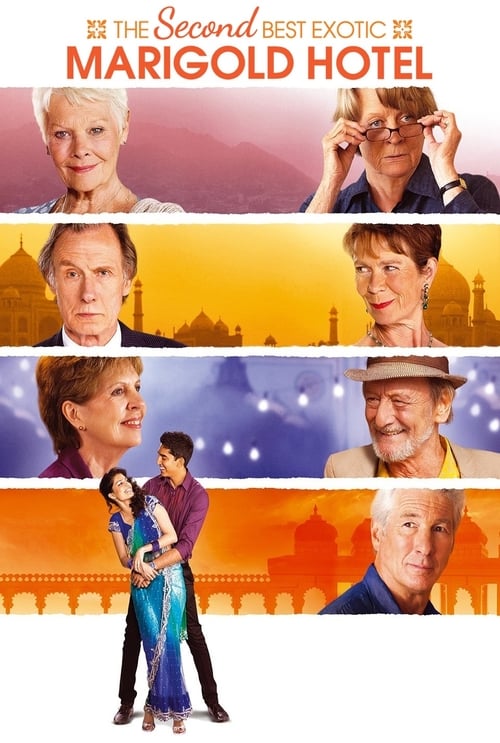
The Second Best Exotic Marigold Hotel2015
Both are about the personal courage required to change who you're allowed to be; Pinky does it through confrontation, this film does it through escape and reinvention, but the emotional stakes are kin.
A comedy-drama about British retirees in India learning to reinvent themselves late in life. It sounds light, but it's genuinely about the courage required to step outside the roles society has assigned you and become someone new.
But It's an ensemble film that can feel scattered; the tone is whimsical when some viewers will want more weight, and it prioritizes warmth over insight.
People
Cast
 Jeanne CrainPatricia "Pinky" Johnson
 Ethel BarrymoreMiss Em
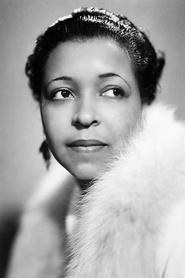 Ethel WatersDicey Johnson
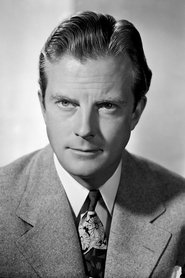 William LundiganDr. Thomas Adams
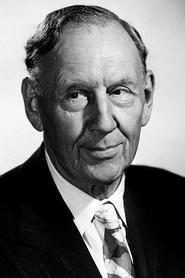 Basil RuysdaelJudge Walker
 Kenny WashingtonDr. Canady
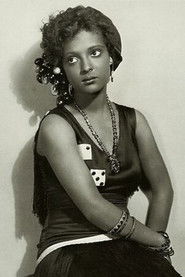 Nina Mae McKinneyRozelia
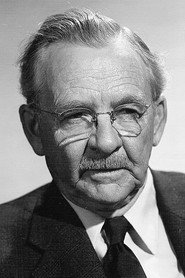 Griff BarnettDr. Joe McGill
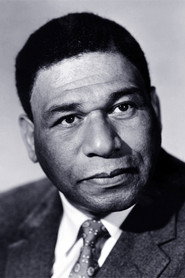 Frederick O'NealJake Walters
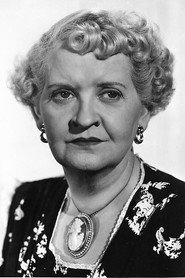 Evelyn VardenMelba Wooley
 Raymond GreenleafJudge Shoreham
 Fred AldrichTownsman (uncredited)
Directing
- Elia KazanDirector
Writing
- Cid Ricketts SumnerNovel
- Dudley NicholsScreenplay
- Philip DunneScreenplay
Production
- Darryl F. ZanuckProducer
Recommended by
Guess Who's Coming to Dinner, A Raisin in the Sun, Imitation of Life, I Passed for White, Lost Boundaries