
Film
Lost Boundaries
A 1949 drama about a light-skinned Black family living undetected in a white New England town. When their identity is revealed, the community fractures. It's a measured, unflinching look at passing, prejudice, and the costs of assimilation—made while these fights were actively happening, which gives it an urgent, documentary-like weight.
If you liked this
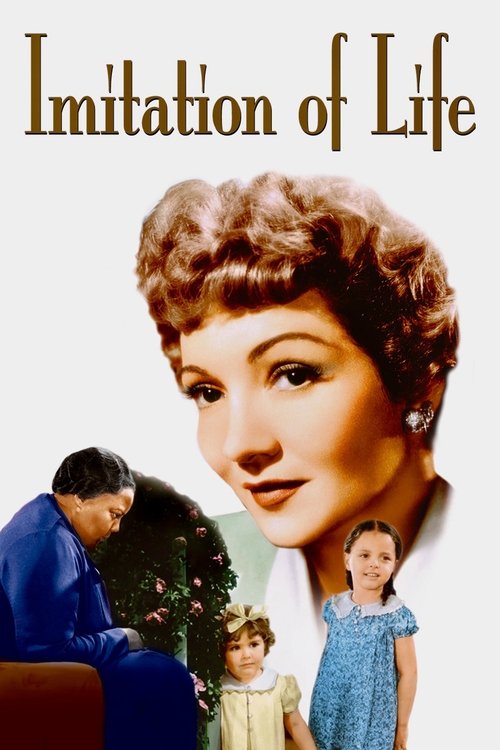
Imitation of Life1934
Douglas Sirk's 1959 remake is famous, but John Stahl's 1934 original is the one that asks the hardest questions about passing, identity, and the mother-daughter bond. Gorgeous melodrama with real moral teeth.
But It's from 1934, so the racial politics, while advanced for their time, land differently now. The pacing is slow by modern standards.
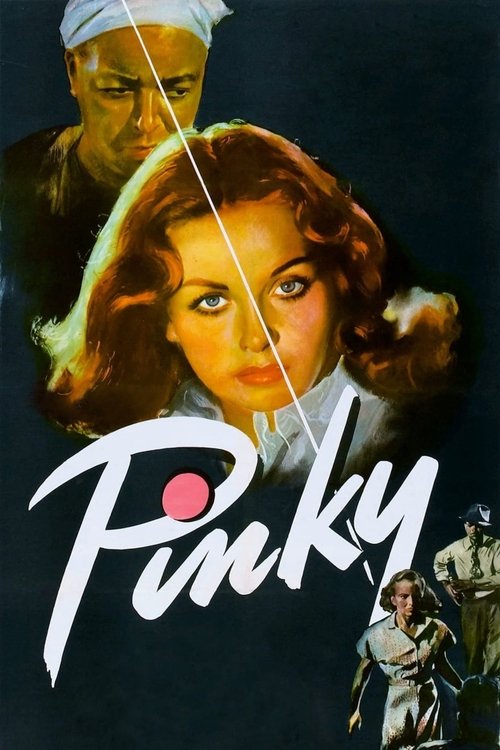
Pinky1949
Released the same year as Lost Boundaries, Elia Kazan's film follows a light-skinned Black woman passing as white in the South. Similar theme, different story, and Kazan brings his usual social-realist intensity to the material.
But Some of the supporting characters slip into caricature. The ending feels compromised, as if the studio demanded softening.
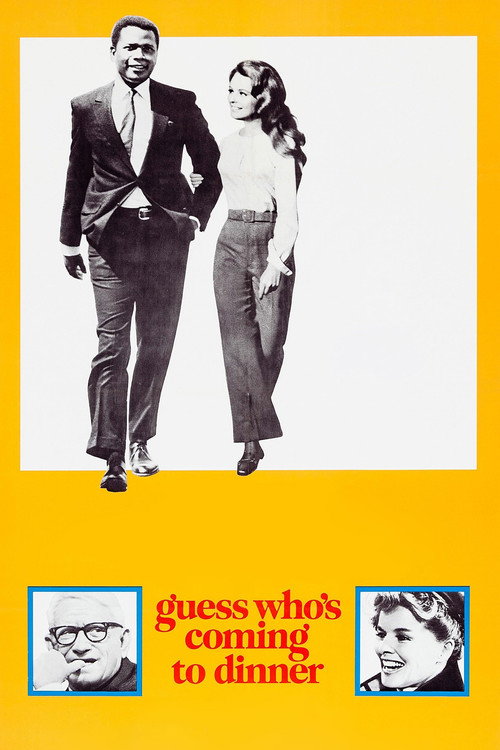
Guess Who's Coming to Dinner1967
Sidney Poitier and Spencer Tracy in a film about a Black man bringing his white fiancée to meet his parents. It's about acceptance and family fracture, but from the perspective of integration rather than passing.
But It's earnest to the point of being didactic. The film stops to make speeches where characters should just be living.
Not sure tonight? Get a pick in a minute, starting from Lost Boundaries
The wildcard
Something you would not have found on your own.
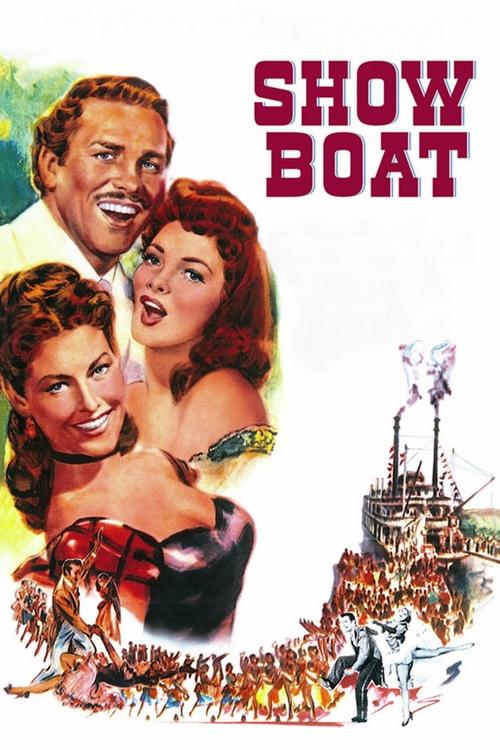
Show Boat1951
Both are 1949-1951 Hollywood films grappling with passing and identity in real time. Show Boat approaches it through musical fantasy; Lost Boundaries through kitchen-table realism. They're arguing with each other across the studio system.
George Sidney's 1951 musical follows a mixed-race character across decades and continents. It's a lavish, gorgeous film that treats passing not as shame but as survival, and integrates that into a love story and a journey.
But It's a musical, so the tone whipsaws between melodrama and song-and-dance. The production values mean it can feel like spectacle is eating the story. And yes, it's a 1951 Hollywood take on race, which means compromises.
More like this (6)
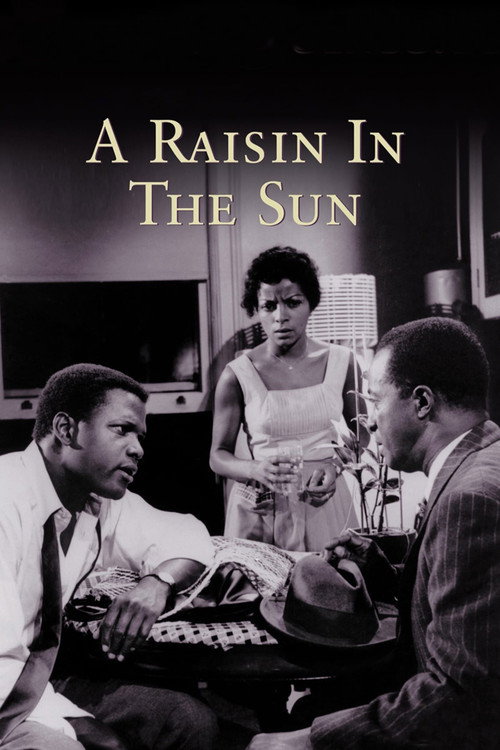
A Raisin in the Sun1961
Daniel Pettigrew's adaptation of Lorraine Hansberry's play about a Black family navigating Chicago, dreams deferred, and the temptation to move into a white neighborhood. It's about dignity and refusal, not accommodation.
But As a stage-to-screen transfer, it can feel theatrical and cramped. The emotional beats are sometimes overlabored.
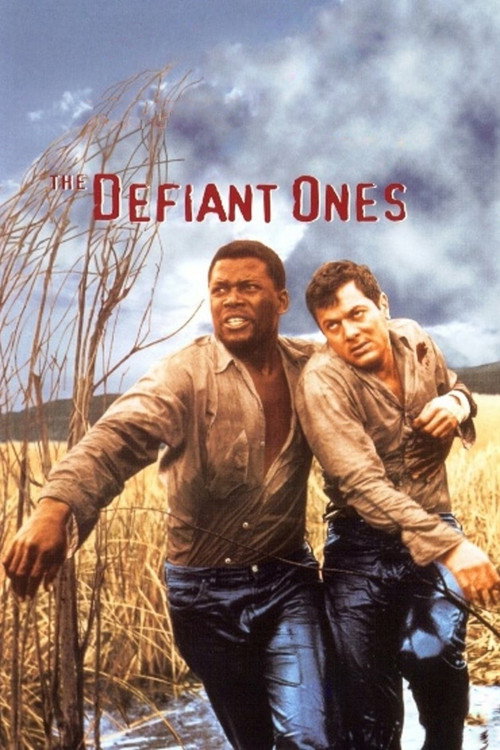
The Defiant Ones1958
A white and Black man chained together, forced to survive together in the South. It's about proximity breaking down prejudice—the opposite angle from Lost Boundaries, but the same moral engine.
But Sidney Lumet's direction is occasionally heavy-handed. The film can feel like it's arguing a point rather than letting it breathe.
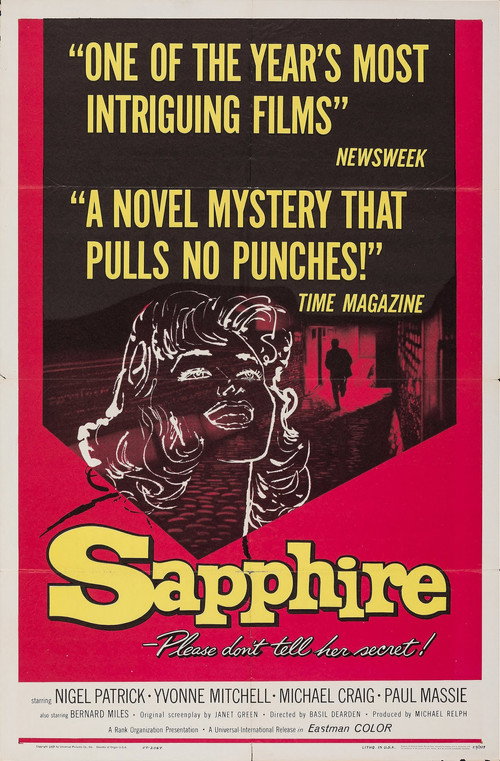
Sapphire1959
A British film about a murder investigation that uncovers a woman's hidden Black heritage. It's a thriller first, but it's genuinely interested in the damage that secrecy and discovery inflict.
But As a murder mystery, it's creaky. Some of the dialogue feels like exposition dressed up as conversation. The ending resolves the plot but not the moral question.
Night and Fog1956
Alain Resnais's documentary about the Holocaust uses the same observational, quietly devastating approach to impossible history. Both films refuse to sentimentalize their subjects, even when sentiment would be easier.
But It's 32 minutes of black-and-white archive footage and narration. No story, no characters—just the weight of evidence and silence. Emotionally, it's exhausting.
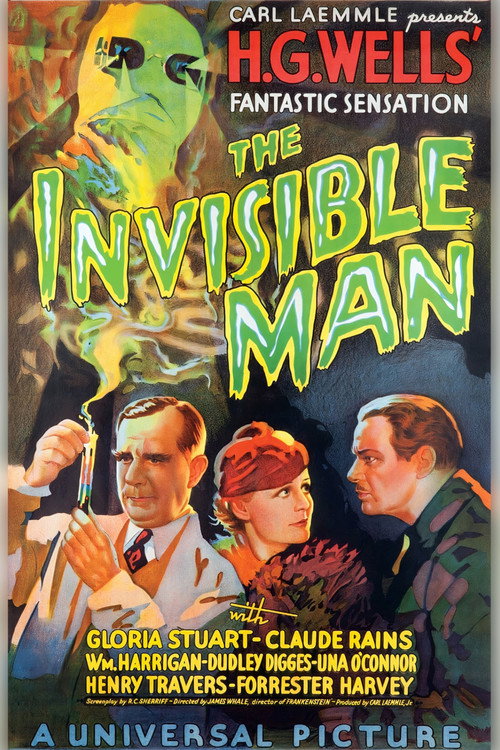
The Invisible Man1933
James Whale's sci-fi horror film is about a man hidden in plain sight, rejected by society. It's not about race, but the metaphor of invisibility and the violence it breeds connects directly to Lost Boundaries' central tension.
But It's a Universal monster movie from 1933. The special effects, while clever, look dated. The tone veers toward campy at moments where the film might want to be serious.
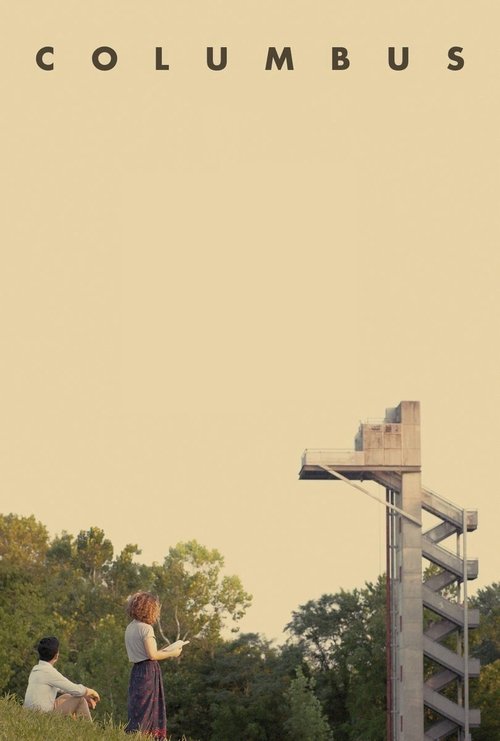
Columbus2017
Columbus is about a family holding a secret and how that secret poisons the space between them—exactly what Lost Boundaries dramatizes. But it's contemporary, it's told through visual composition and atmosphere rather than dialogue, and it trusts the audience to sit with discomfort rather than resolving it. It's what Lost Boundaries would look like if made by a filmmaker interested in silence and implication rather than statement.
Kogonada's debut about a son returning home to care for his father, set in a modernist Indiana town. It's about family secrets, architectural beauty, and what you owe to the place where you're rooted. Quiet, visual, morally complex.
But The plot is minimal. If you're looking for dramatic confrontation or clear resolution, this isn't it. It moves at the pace of real life, which feels like slowness if you're restless.
People
Cast
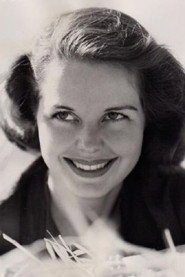 Beatrice PearsonMarcia Carter
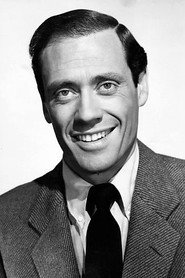 Mel FerrerDr. Scott Mason Carter
 Susan DouglasShelly Carter
- Robert A. DunnRev. John Taylor
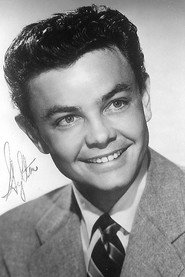 Richard HyltonHoward 'Howie' Carter
 Grace CoppinMrs. Mitchell

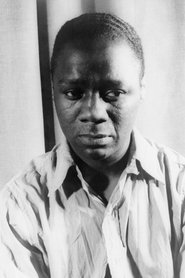 Canada LeeLt. 'Dixie' Thompson
- Royal BealDet. Staples
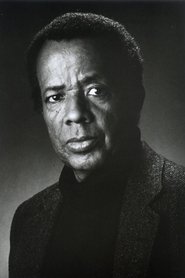 William GreavesArthur 'Art' Cooper
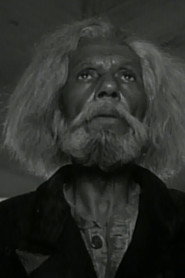 Emory RichardsonDr. Charles Frederick Howard (uncredited)
Directing
- Alfred L. WerkerDirector
Writing
- Charles PalmerAdaptation
- Eugene LingScreenplay
- Virginia ShalerScreenplay
Production
- Borden MaceAssociate Producer
- Lothar WolffAssociate Producer
- Louis De RochemontProducer
- Percy IkerdUnit Manager