
Film
Strangers When We Meet
A 1960 melodrama about suburban infidelity, shot in lush colour, where a bored architect and his neighbour conduct a passionate affair while marriage crumbles around them. It's glossy, morally complicated, and deeply invested in whether beautiful people deserve happiness. For anyone curious about how Hollywood wrestled with adult desire before the sexual revolution.
If you liked this
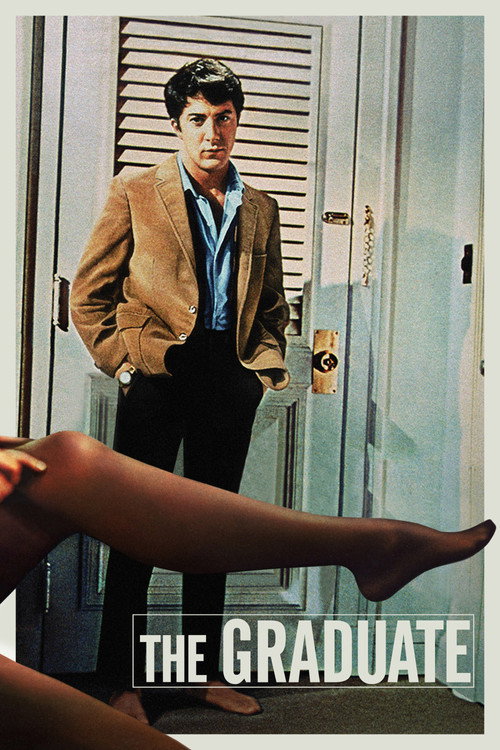
The Graduate1967
Another film about a young man adrift in suburbia, seduced by an older woman, searching for meaning beyond what his parents' world offers. It's the spiritual successor, sharper and more acidic.
But Dustin Hoffman's Benjamin is whiny and passive; the satire can feel heavy-handed. Some find it dated or self-satisfied.
Breakfast at Tiffany's1961
Audrey Hepburn as a woman escaping her past through glamour and romance; the same yearning for escape and reinvention, the same glossy surfaces hiding real loneliness. Infinitely charming.
But It's slight, and Hepburn's Holly Golightly is deliberately unknowable. If you need plot momentum or emotional depth, it won't deliver.

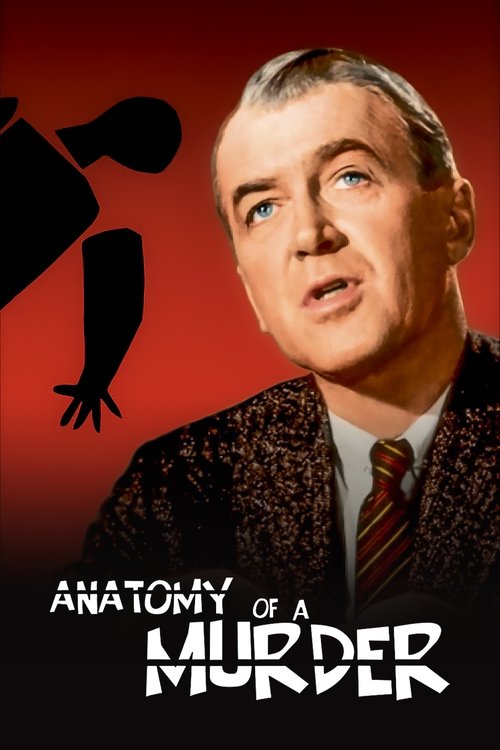
Anatomy of a Murder1959
An adult drama about desire, infidelity, and how the law treats them. James Stewart is magnificent as a lawyer unpacking suburban hypocrisy and sexual jealousy.
But It's a courtroom procedural, so it moves at legal pace. The sexual elements, frank for 1959, feel quaint now.
Not sure tonight? Get a pick in a minute, starting from Strangers When We Meet
The wildcard
Something you would not have found on your own.
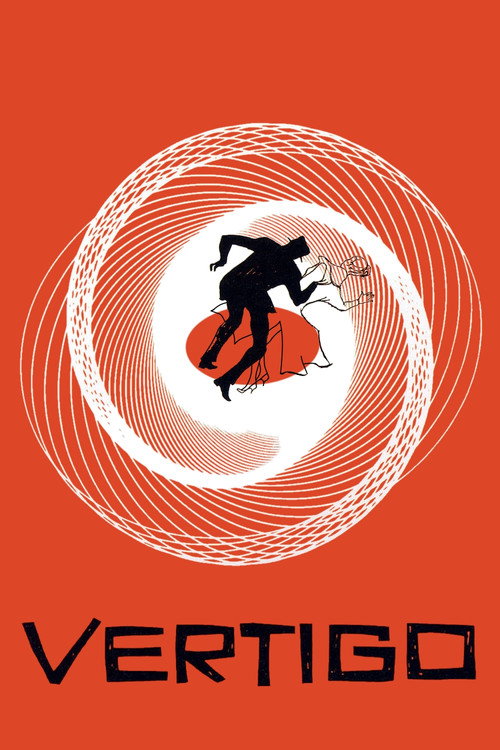
Vertigo1958
Both films are about men who desire women who are not what they seem; both frame desire as a form of blindness that reveals the lover, not the beloved.
Hitchcock's masterpiece about obsession and the gap between who we love and who we invent them to be. The same tension between desire and deception, but filtered through psychosis and murder. Visually intoxicating.
But It's demanding and disturbing; the camera work can feel mannered. It asks a lot of your attention and offers no easy comfort.
More like this (7)
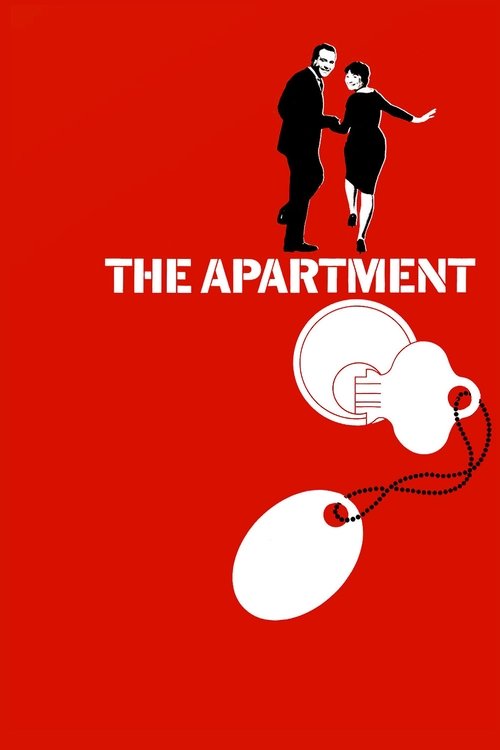
The Apartment1960
Released the same year, another film about men using proximity to seduce married women, but it's funnier and sadder. Jack Lemmon and Shirley MacLaine are superb.
But It's sentimental in spots, and the gender politics are complicated by modern standards. The ending feels both earned and pat.
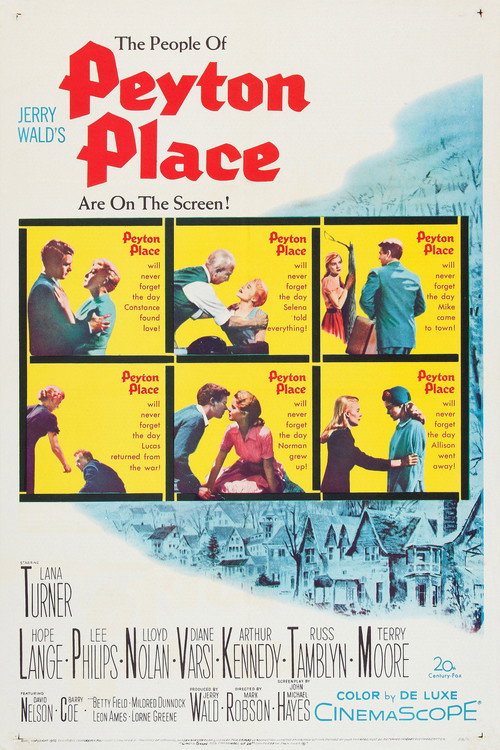
Peyton Place1957
Suburban secrets and infidelity laid bare: affairs, class resentment, and scandal in a small town. Lana Turner presides over a world of beautiful, unhappy people.
But The plotting is melodramatic and the pacing uneven. It's a soap opera elevated by production values, not by subtlety.
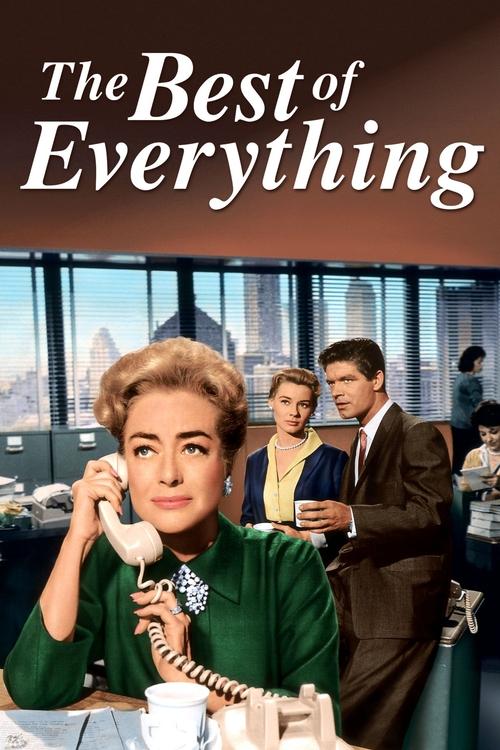
The Best of Everything1959
A glamorous ensemble drama about working women and their romantic entanglements in Manhattan. It's about yearning, ambition, and the gap between what we want and what we're allowed.
But Multiple storylines compete for attention. Some threads resolve neatly in ways that feel false. The fashion can overwhelm the substance.
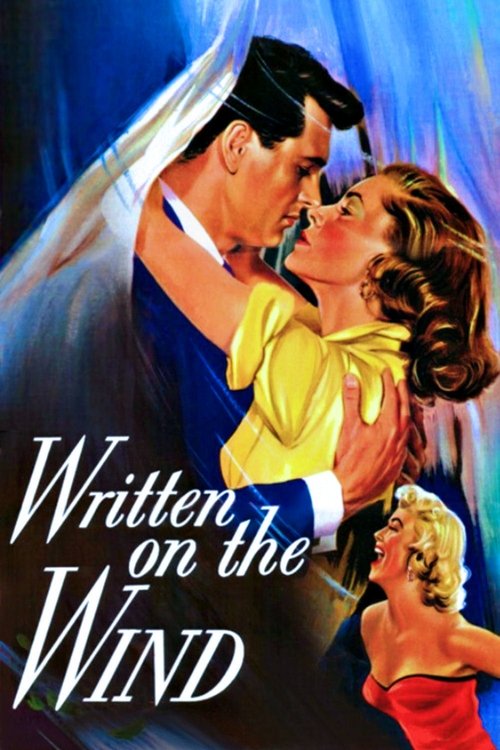
Written on the Wind1956
Sirk again: wealth, desire, and self-destruction. Rock Hudson and Robert Stack navigate jealousy and lust in a family falling apart. Audacious and visually stunning.
But The Freudian subtext is explicit to the point of camp. The melodrama can feel overwrought if you're not in the mood for Sirk's register.
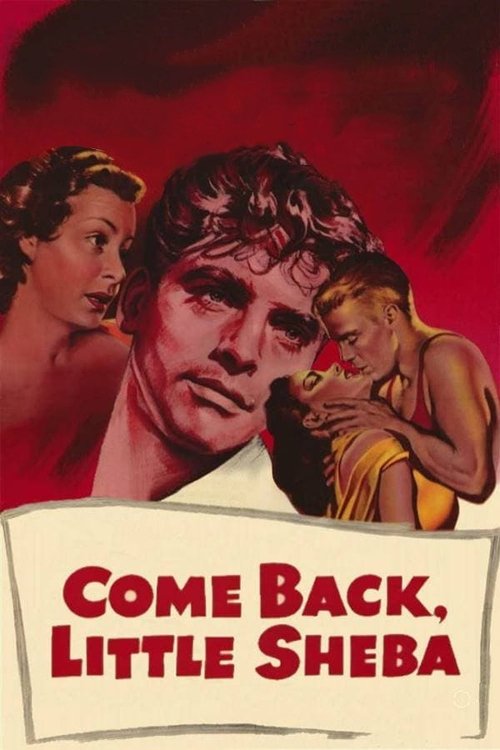
Come Back, Little Sheba1953
Burt Lancaster and Shirley Booth as a married couple whose passion has curdled into routine. It's about what happens when romance dies and you're trapped anyway. Quietly devastating.
But It's relentlessly grim and confined. There are no beautiful solutions, and the film offers no relief. It can feel oppressive.
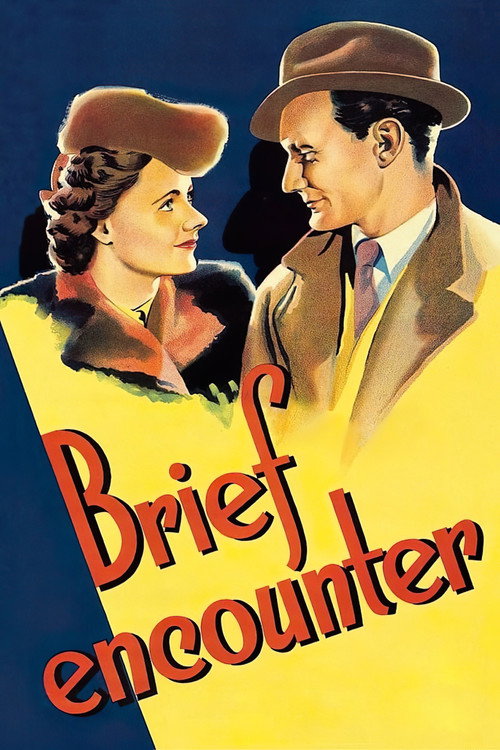
Brief Encounter1945
Both films locate desire in suburban constraint and married people escaping their lives. But Encounter denies them; Strangers grants them everything. They're mirror images of the same fantasy.
A British film about two married strangers meeting in a railway café and conducting a passionate, chaste affair. Noël Coward's script and David Lean's direction capture desire as yearning—the most powerful form because it's never consummated.
But It's restrained to the point of invisibility; by American standards it's glacial. If you need passion expressed loudly, it will frustrate you.
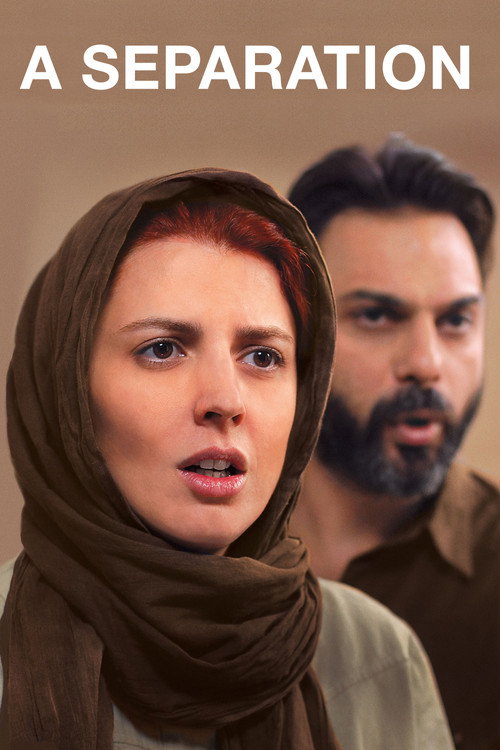
A Separation2011
Both films treat infidelity and marital failure as the beginning of a story, not the climax. They're interested in why we betray people we once loved and what that betrayal means. But Separation is unsentimental where Strangers is romantic; it refuses to make infidelity beautiful.
An Iranian film about a marriage in collapse, shot with documentary clarity and moral ambiguity. It asks what we owe each other when love dies. Asghar Farhadi's direction finds tragedy in small moments and legal documents.
But It's slow, talky, and offers no catharsis. There are no villains and no heroes, only people making impossible choices. It can feel bleak and withholding.
People
Cast
 Kirk DouglasLarry Coe
 Kim NovakMargaret 'Maggie' Gault
 Barbara RushEve Coe
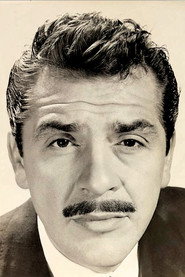 Ernie KovacsRoger Altar
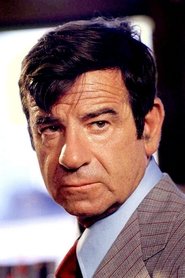 Walter MatthauFelix Anders
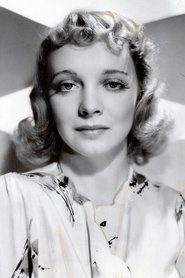 Virginia BruceMrs. Wagner
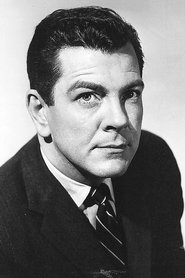 John BryantKen Gault
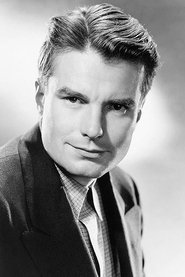 Kent SmithStanley Baxter
 Helen GallagherBetty Anders
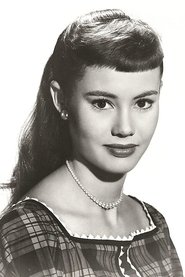 Roberta ShoreLindy, the Babysitter
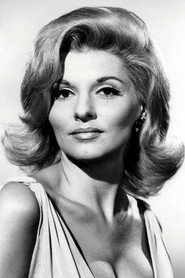 Nancy KovackMarcia
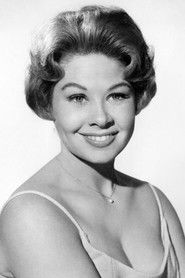 Sue Ane LangdonDaphne
Directing
- Richard QuineDirector
Writing
- Evan HunterNovel
- Evan HunterScreenplay
Production
- Kirk DouglasExecutive Producer
- Richard QuineProducer