
Film
Executive Suite
A 1954 boardroom drama where the death of a major corporation's leader triggers an urgent succession battle. Sharp, intelligent, and focused entirely on the power plays between executives competing for the top job. Built from a bestselling novel and performed by a stellar cast at the height of their powers. For anyone who wants to see capitalism's machinery laid bare with style.
Should you watch it?
Watch it if you enjoy boardroom dramas where the power struggle is fought in quiet glances, budget arguments and moral compromise rather than shouting, in the mould of Sweet Smell of Success's sharp-edged rivalry.
Skip it if you want brisk plotting or constant incident, since much of the running time is men talking across polished tables and weighing numbers against conscience.
What it asks of you: Settle in for about an hour and three-quarters of measured, mostly talky scenes, where attention to who says what and why pays off more than any single big moment.
Not sure? Find tonight's pick in a minute.
If you liked this
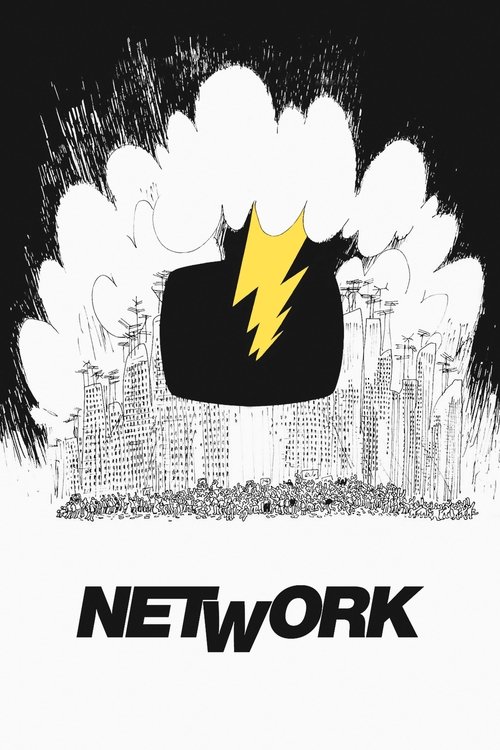
Network1976
A blistering satire about a television network in crisis, where executives scheme and compete amid ratings wars and institutional collapse. Sidney Lumet's script is withering; the performances are ferocious. It's Executive Suite's spiritual heir: the boardroom as a stage for American ambition.
But The rage can feel unrelenting, and some of the 1970s satire has calcified into period piece. Not a comfort watch.
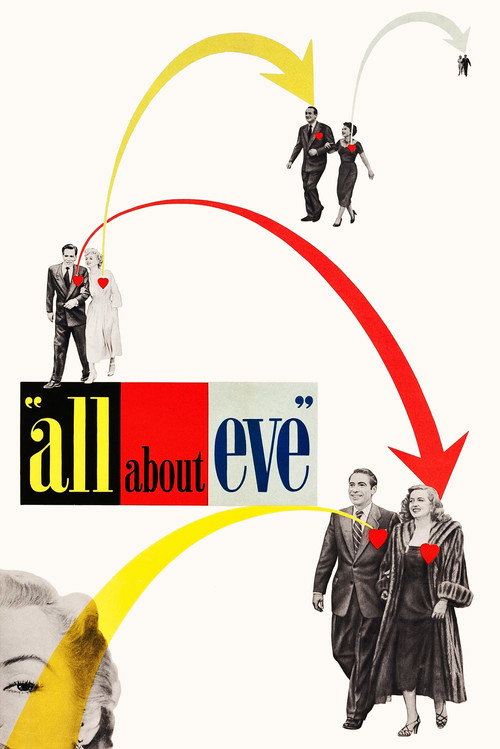
All About Eve1950
Bette Davis, a theatre icon threatened by ambitious understudy Eve Harrington. Like Executive Suite, it's a gleaming black-and-white study of institutional power, personal rivalry, and the ruthless calculus of ambition. Mannered, poisonous, brilliant.
But The theatre world setting may feel distant, and it moves at a formal 1950s pace that modern viewers sometimes find slow.
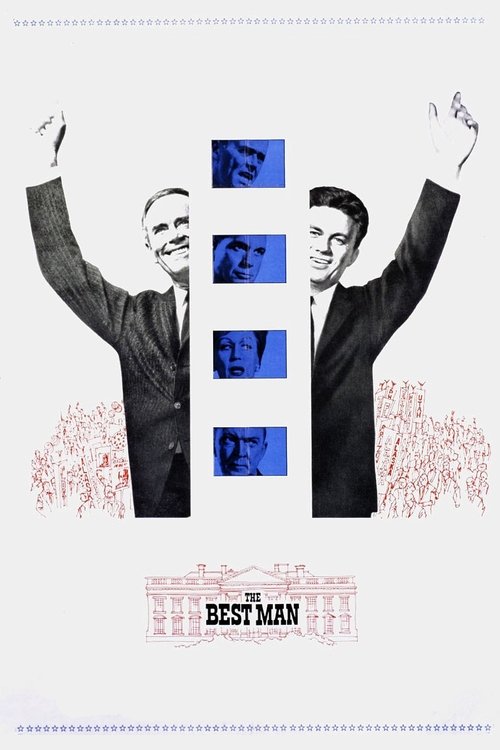
The Best Man1964
Gore Vidal's adaptation of his own play: a presidential campaign torn apart by competing candidates, secrets, and ego. Same era as Executive Suite, same DNA—institutions, power, moral compromise—but the stakes are national rather than corporate. Crisp, cynical, beautifully acted.
But It's a political drama from sixty years ago; if modern campaign mechanics interest you more than character study, it may feel dated.
Not sure tonight? Get a pick in a minute, starting from Executive Suite
The wildcard
Something you would not have found on your own.
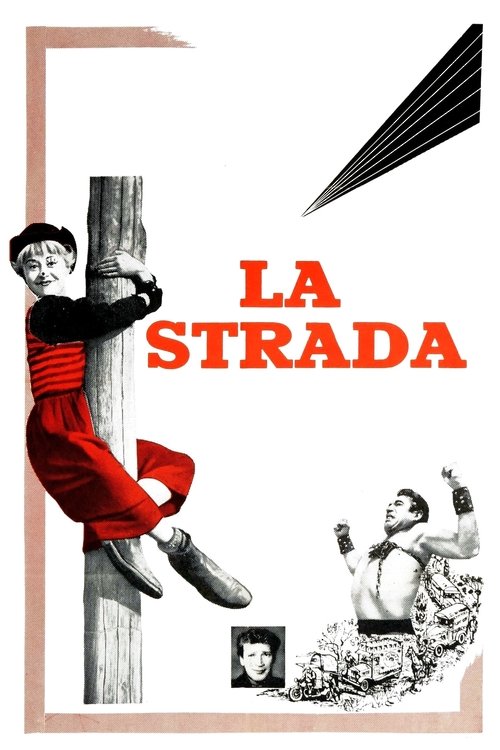
La Strada1954
Both are about how institutions—corporate hierarchies or intimate relationships—grind down the human beings inside them. Both watch people compromise or surrender. Executive Suite shows the machinery of capitalism; La Strada shows what capitalism does to people it cannot use.
Federico Fellini's masterpiece: a young woman joins a circus strongman and drifts through post-war Italy in quiet devastation. It's the same year as Executive Suite but from a different planet—no boardrooms, no English-language dialogue, no clarity. Instead: poetry, cruelty, and the slow crushing of hope.
But Austere and slow, with no plot in the conventional sense. If you need narrative momentum or happy resolution, it will frustrate you.
More like this (8)
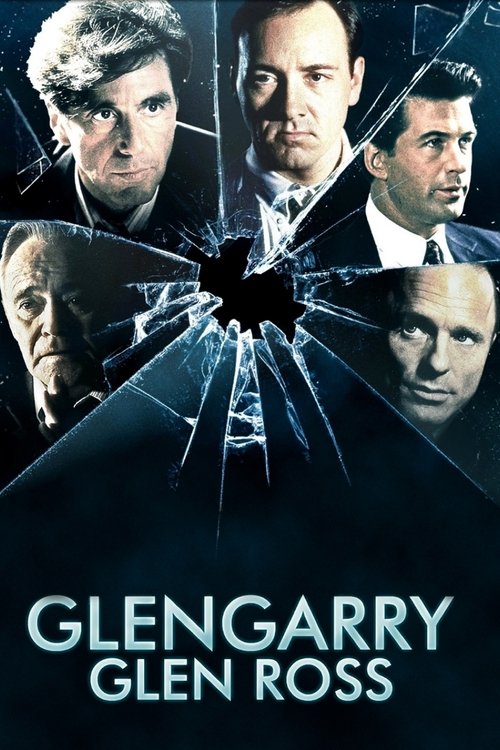
Glengarry Glen Ross1992
David Mamet's adaptation of his play: ruthless salesmen in a cutthroat office battling for leads, commissions, survival. Same moral landscape as Executive Suite—how institutions corrupt and reward—but set in desperation rather than elegance. Jack Lemmon, Alan Arkin, Harris in peak form.
But Relentlessly bleak and male-focused. Some may find the misogyny and brutality exhausting rather than illuminating.
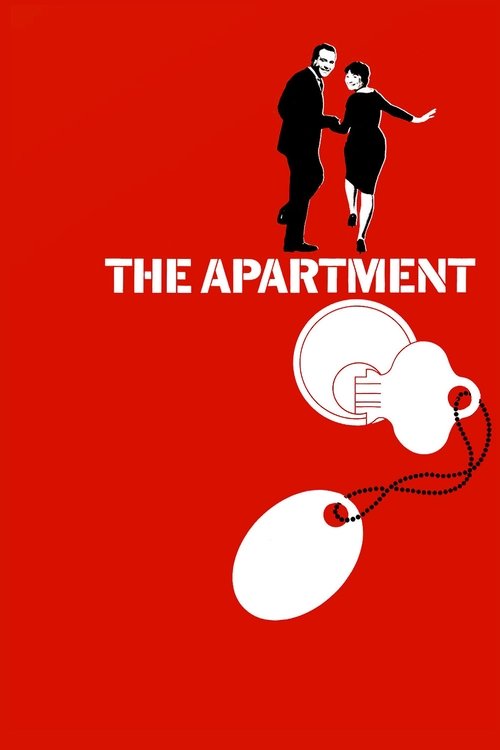
The Apartment1960
Billy Wilder's masterpiece: a junior executive lends his apartment to senior men for affairs, hoping for promotion. The machinery of corporate advancement, the moral cost of ambition, the absurdity of office politics—all wrapped in romantic comedy. Tender and savage at once.
But Beneath the charm, it's about coercion and sexual compromise; some find the tonal mix undermines the serious stuff.
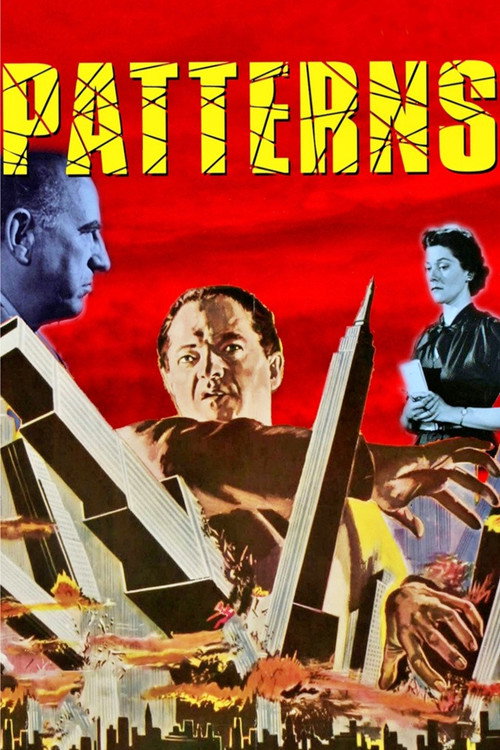
Patterns1956
Rod Serling's television play adapted for film: an aging executive and a young upstart navigate a corporate maze where loyalty is weaponised and principle costs everything. Tighter and bleaker than Executive Suite, with Serling's moral clarity cutting through the noise.
But Lesser-known and shot on a smaller budget, so it lacks the glossy production values some expect from 1950s drama.
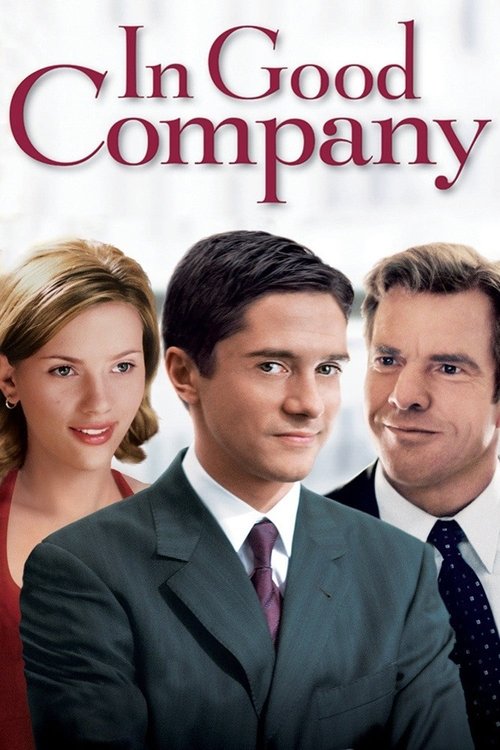
In Good Company2004
A magazine veteran suddenly reports to a much younger boss; the film is about displacement, generational change, and how institutions chew people up. Lighter in tone than Executive Suite but fundamentally about the same machinery—corporate structure eating people's lives.
But The lighter tone softens the bite considerably; it resolves more sentimentally than Executive Suite's harder logic.
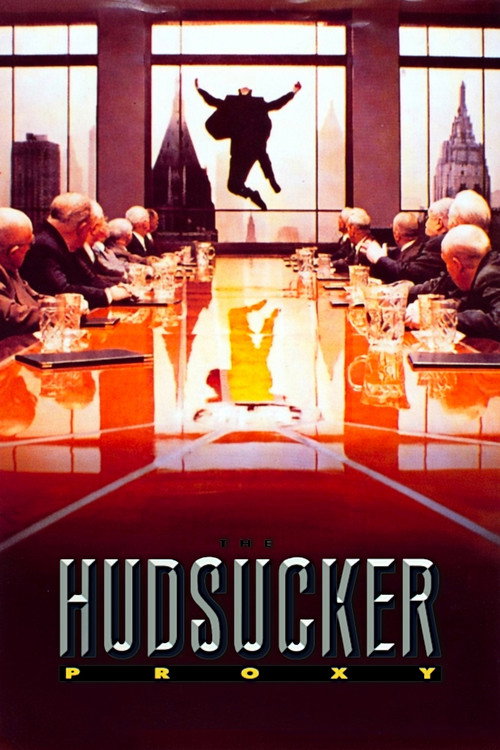
The Hudsucker Proxy1994
The Coen Brothers' screwball take on the boardroom drama: an innocent mail clerk becomes CEO while executives scheme to crash the company. It's Executive Suite as farcical silent film—the same power machinery, but filtered through Warners cartoon logic and 1940s pastiche.
But The stylisation is extreme and not everyone finds slapstick in a suit sympathetic. Some find it exhaustingly clever.
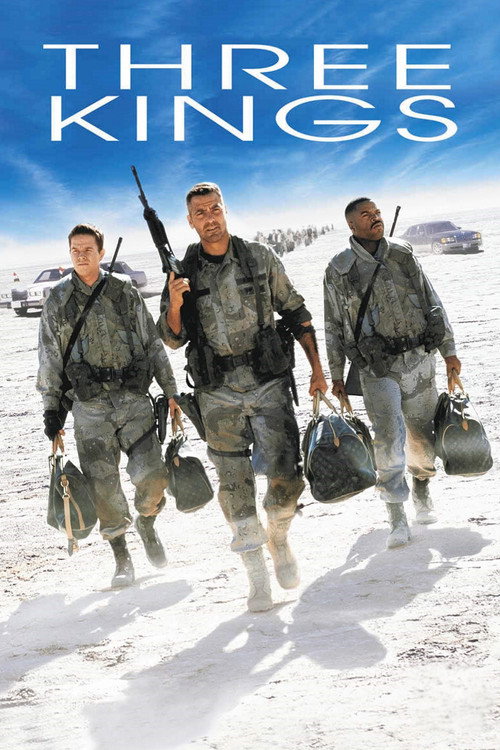
Three Kings1999
David O. Russell's film about American soldiers in post-Gulf War Iraq, where personal ambition and institutional machinery collide with moral horror. Structurally it echoes Executive Suite—ambitious men competing within an institution—but raises the stakes to life and death.
But Tonal shifts between satire and violence can feel jarring. The violence is real and ugly, not sanitised.
A Prophet2009
Executive Suite shows the boardroom as a microcosm; A Prophet shows prison the same way. Both watch intelligent men navigate institutional power structures, accumulating allies and enemies. Both understand that advancement requires abandoning principle. Both are perfectly constructed studies of how hierarchies function and corrupt.
Jacques Audiard's masterpiece: a young man enters prison and must navigate its ruthless hierarchy, forming alliances and accumulating power. It's a prison as a perfect microcosm of institutional advancement—the same rise, the same moral corruption, the same machinery of ambition—but compressed and darkened.
But French-language, bleak, violent, and long (150 minutes). No mercy, no uplift. The brutality is neither glossy nor distant.

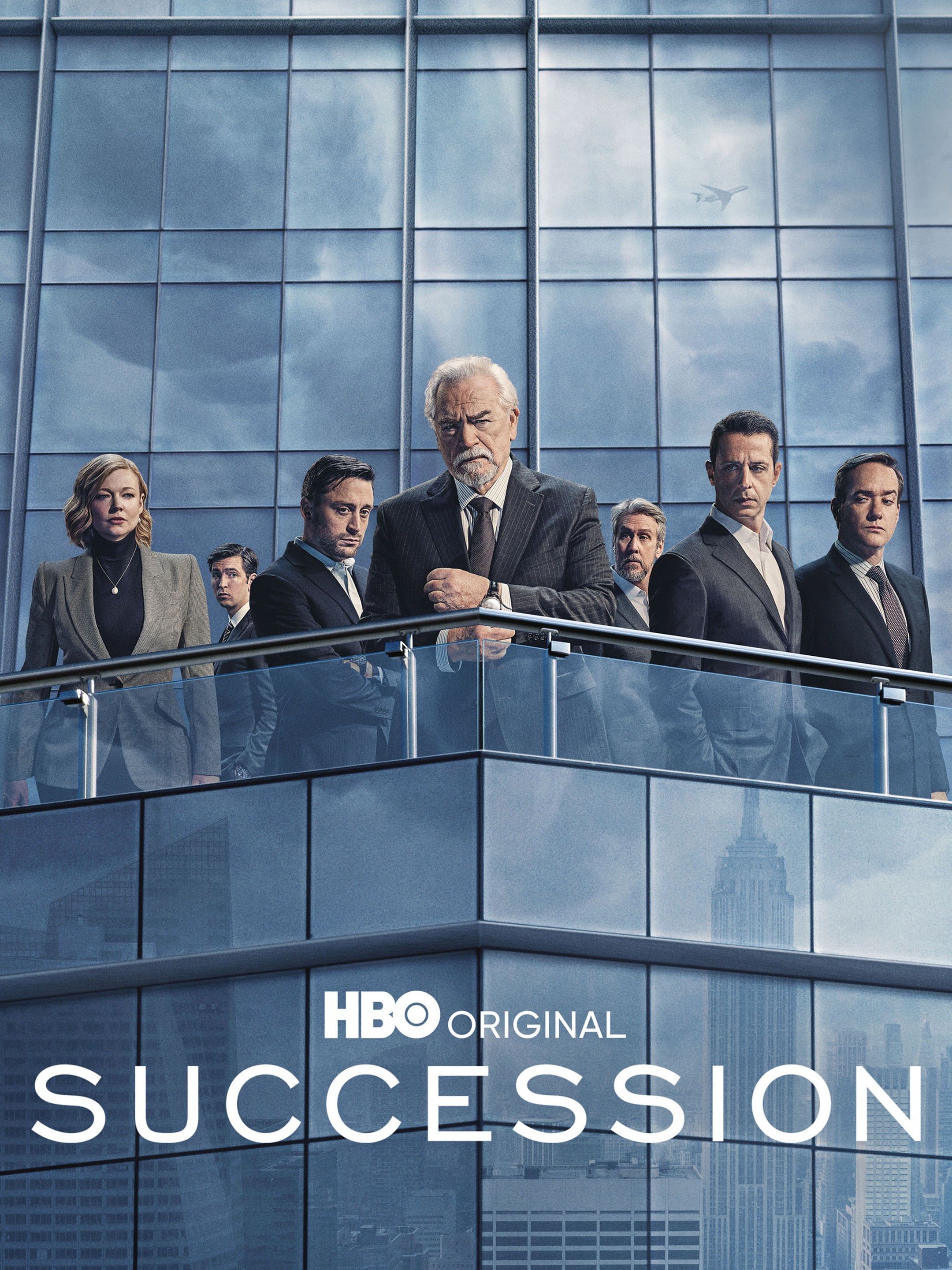
Succession2018
Direct spiritual successor: Executive Suite is the blueprint, Succession is the evolved form. But where Executive Suite is controlled and formal, Succession is baroque and wound-tight. Where Executive Suite trusts the viewer to understand the machinery, Succession performs the psychology of power-seeking obsessively. Same story, different era, different emotional register.
Five seasons of HBO's savage comedy-drama about a media dynasty tearing itself apart. When the patriarch ages, his children and subordinates circle for control. It's Executive Suite expanded into a novel: the same succession battle, but across years, families, continents, with modern media and modern toxicity. Brilliantly written, viciously funny.
But Relentlessly cynical—there are no good people, just varying degrees of corrupt. The dysfunctional family dynamics can feel repetitive. Some find it punishing.
People
Cast
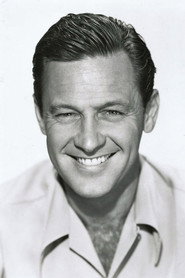 William HoldenMcDonald Walling
 June AllysonMary Blemond Walling
 Barbara StanwyckJulia O. Tredway
 Fredric MarchLoren Phineas Shaw
 Walter PidgeonFrederick Y. Alderson
 Shelley WintersEva Bardeman
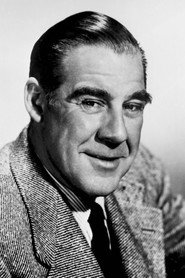 Paul DouglasJosiah Walter Dudley
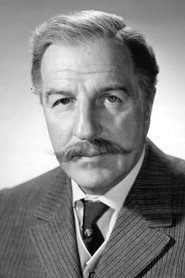 Louis CalhernGeorge Nyle Caswell
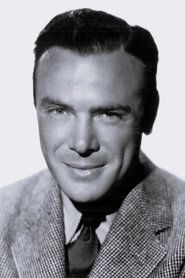 Dean JaggerJesse Q. Grimm
 Nina FochErica Martin
 Tim ConsidineMike Walling
 William PhippsBill Lundeen
Directing
- George RheinAssistant Director
- Robert WiseDirector
Writing
- Cameron HawleyNovel
- Ernest LehmanScreenplay
Production
- Jud KinbergAssociate Producer
- John HousemanProducer
- Al ShenbergUnit Manager
Recommended by
Wall Street, The Firm, Too Big to Fail, The Best of Everything, Jennifer: A Woman’s Story, I Can Get It for You Wholesale