
Film
Patterns
A 1956 drama about corporate brutality and moral compromise. A ruthless CEO systematically destroys a kind-hearted executive to install a compliant successor. Tense, intimate, performed with surgical precision. For anyone who's felt the weight of institutional cruelty or wondered how good people rationalize their silence.
Should you watch it?
Watch it if you like office dramas that treat a corporate hierarchy as a battlefield of nerves and manners, where the cruelty is quiet, polite and calculated rather than shouted.
Skip it if you need fast plot turns or action, since this is a mostly dialogue-heavy piece where the pressure builds through conversation and the mood stays chilly.
What it asks of you: Its 83 minutes are spent mostly in rooms and corridors, so it asks you to sit with long exchanges and let tension gather slowly rather than arrive in set pieces.
Not sure? Find tonight's pick in a minute.
If you liked this
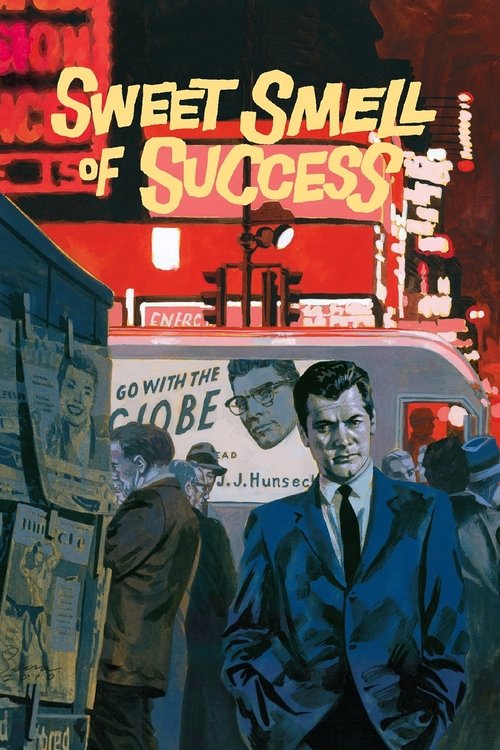
Sweet Smell of Success1957
Venomous portrait of power, manipulation and the cost of ambition in a closed world. Burt Lancaster's columnist is a monster wrapped in charm, wielding influence like a scalpel. Morally unsparing.
But Deeply cynical and bleak. The pace is slow, the dialogue baroque. If you need heroes, look elsewhere.
The Killing1956
Kubrick's first masterpiece: a heist film that dissects how ordinary people become criminals, how plans unravel, how fate indifferent to ambition. Lean, urgent, structurally brilliant.
But Dated film stock and some overwrought moments. The non-linear narrative can feel gimmicky on first viewing.

In a Lonely Place1950
Bogart plays a man destroyed by suspicion and his own nature. Ray's direction is moody, psychologically acute. About how institutions and rumour can obliterate someone from within.
But Depressing and slow-burn. The romance subplot doesn't redeem the bleakness.

Not sure tonight? Get a pick in a minute, starting from Patterns
The wildcard
Something you would not have found on your own.
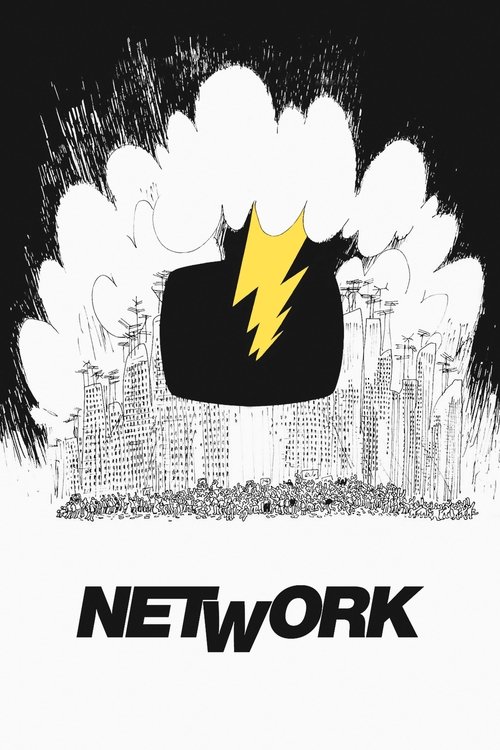
Network1976
Both dissect how institutions systematize the destruction of individuals. Patterns shows it in spreadsheets; Network shows it in ratings. Same mechanism, different industries.
Chayefsky's savage satire of media institutions and the individuals crushed within them. Finch's breakdown is not comedy—it's a warning. More brutal about systems than any drama because it hides inside absurdity.
But Overtly didactic. Characters make speeches instead of conversations. Feels like an editorial dressed as a screenplay.
More like this (7)
The Best Years of Our Lives1946
Three soldiers return from war to find the world changed, their place uncertain. Wyler's humanist epic about reintegration, loss, and institutional indifference. Devastating without self-pity.
But Nearly three and a half hours. The pacing feels deliberate to modern viewers—some will find it stately rather than gripping.

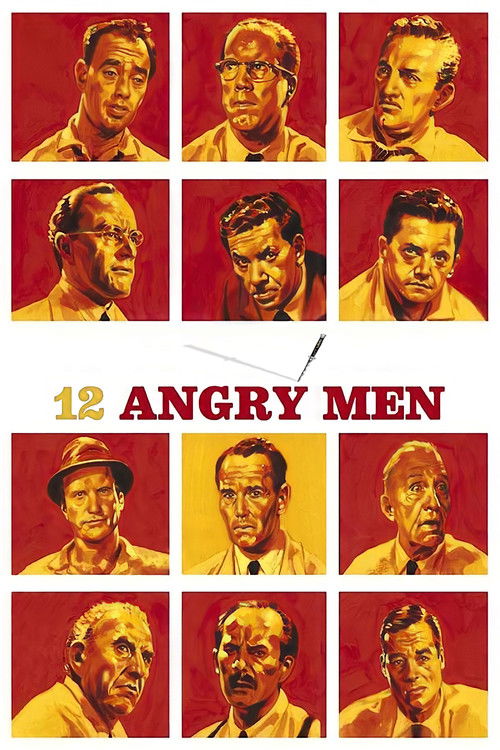
12 Angry Men1957
Reeves's chamber piece about one man challenging institutional momentum and group-think. Tense, intelligent, about how systems override individual conscience. More relevant than ever.
But Stagey. Takes place almost entirely in a single room with men in suits. If you need visual variety, this will test you.
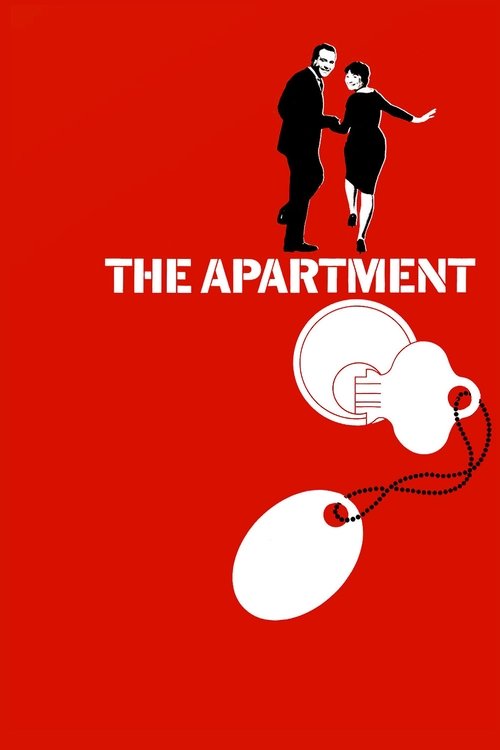
The Apartment1960
Lemmon's everyman sacrifices himself for advancement in a corrupt corporate machine. Wilder balances comedy with genuine moral anatomy. About complicity, loneliness, and the cost of getting ahead.
But The sexual politics are very much of 1960. Tonal shifts between farce and heartbreak can feel uneven.
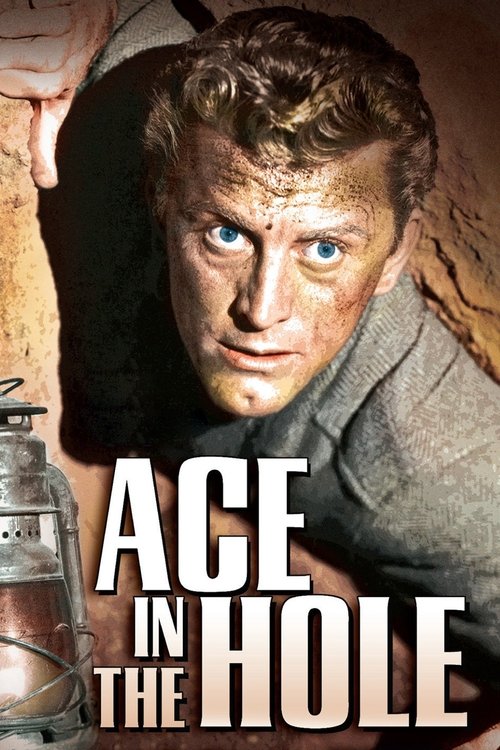
Ace in the Hole1951
Kirk Douglas in one of cinema's finest portraits of moral degradation. Wilder's journalist exploits a mining disaster for a story. Vicious, intelligent, a masterclass in showing how systems corrupt.
But Punishing. Nearly everyone is complicit or spineless. There is no comfort here.
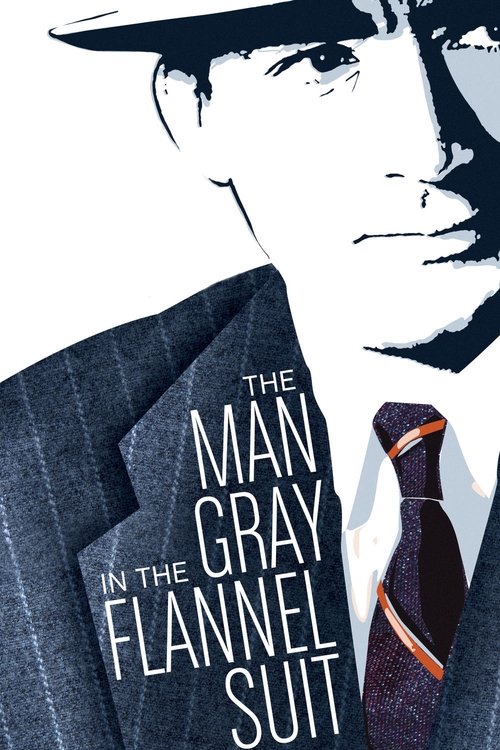
The Man in the Gray Flannel Suit1956
Another 1956 meditation on what corporate America demands of men. Gregory Peck's executive balances ambition against conscience. More optimistic than Patterns, but just as concerned with institutional pressure.
But Less dramatically intense than you'd expect. Lean toward melodrama resolution rather than moral inquiry.
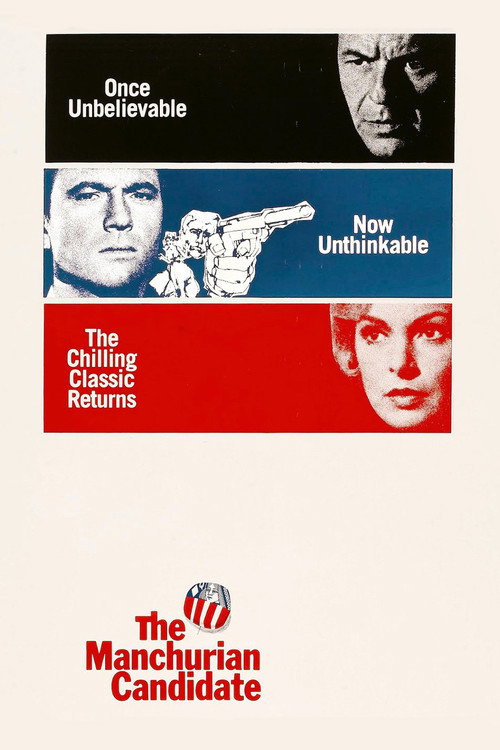
The Manchurian Candidate1962
Frankenheimer's thriller about invisible power, institutional control, and the individual's helplessness against forces above. Paranoid, complex, visually arresting. Patterns in a spy-thriller key.
But Baroque plot, dated satirical targets. Pacing can feel scattered compared to tighter thrillers.
Stalker1979
Both examine how people collude in their own diminishment. Patterns does it through office politics; Stalker does it through philosophy and time. Same inquiry, opposite speeds and registers.
Tarkovsky's metaphysical sci-fi: a man guides others through a mysterious zone toward a room that grants wishes. Shot with glacial patience. About desire, complicity, and how we compromise ourselves through small choices.
But Demands surrender. Seven minutes of a car crossing a landscape. Glacial pacing. No explosions, no dramatic music, no comfort.

People
Cast
 Van HeflinFred Staples
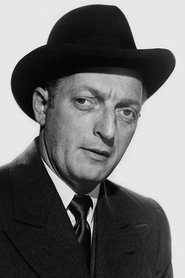 Everett SloaneWalter Ramsey
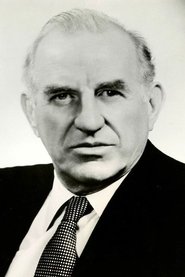 Ed BegleyBill Briggs
 Beatrice StraightNancy Staples
 Elizabeth WilsonMarge Fleming
- Joanna RoosMargaret Lanier
- Valerie CossartMartha Stevens
- Eleni KiamosSylvia Trammel
- Ronnie WelshPaul Briggs
- Shirley StandleeMiss Hill
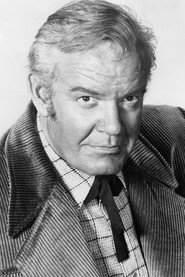 Andrew DugganHarvey Jameson
 Jack LiveseyD.J. Vandeventer
Directing
- Charles H. MaguireAssistant Director
- Marie KenneyContinuity
- Fielder CookDirector
Writing
- Rod SerlingOriginal Story
- Rod SerlingScreenplay
Production
- Jed HarrisProducer
- Michael MyerbergProducer
- Max GlandbardProduction Manager
- Jim Di GangiUnit Manager