
Film
Curtains
A 1983 slasher where six actresses competing for a film role get picked off one by one at an isolated mansion. It's stylish, silly, and genuinely tense in bursts—a Canadian B-movie that swings wildly between earnest terror and unintentional camp. Perfect if you like your horror movies a little weird and willing to commit to a premise.
Should you watch it?
Watch it if you enjoy old-dark-house slashers where the stalking and eerie atmosphere matter as much as the kills, and you don't mind a plot that runs on mood more than logic.
Skip it if you need constant gore or tight pacing, since its audition-room talk runs long and its slasher beats feel familiar.
What it asks of you: Settle in for a lean 89 minutes, with a slow-building early stretch of auditions and character sketches before the tension tightens and the pace quickens.
Not sure? Find tonight's pick in a minute.
If you liked this
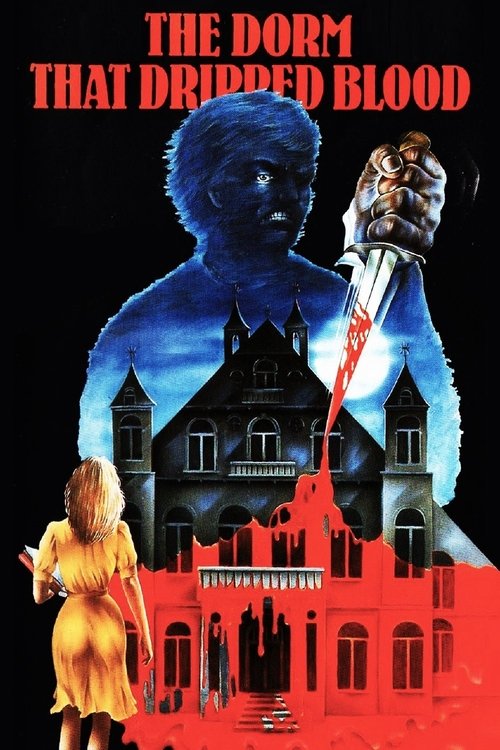
The Dorm That Dripped Blood1982
An earlier slasher with a similarly confined setting and a killer targeting a small group of young women. It shares Curtains' willingness to be genuinely unsettling while staying on a modest budget, and the atmosphere is thick.
But The pacing drags in places, and the mystery of the killer isn't particularly clever. The film also predates many of the slasher tropes you might expect.
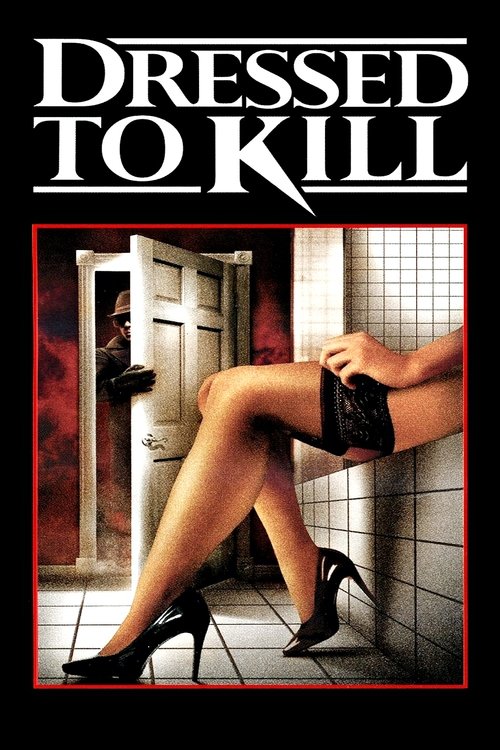
Dressed to Kill1980
De Palma's queasy, operatic take on the slasher formula—glamorous and psychologically twisted. It has the same energy of a director clearly enjoying the mechanics of the kill-scene puzzle, much like Curtains does.
But The sexual politics are murky in ways that aged poorly. Some find the film's style-over-substance approach frustrating, and the twist divides people sharply.
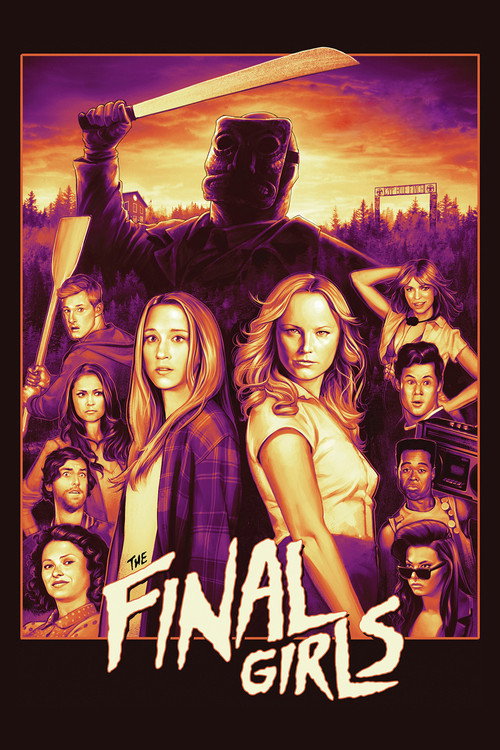
The Final Girls2015
A meta-slasher that understands why these films work while actively playing with their tropes. It has genuine affection for the genre's logic and delivers real scares alongside knowing humor, much like Curtains at its best.
But The tone is deliberately tonally juggled—horror and comedy don't always land equally. If you want pure dread, the self-awareness might feel deflating.
Not sure tonight? Get a pick in a minute, starting from Curtains
The wildcard
Something you would not have found on your own.
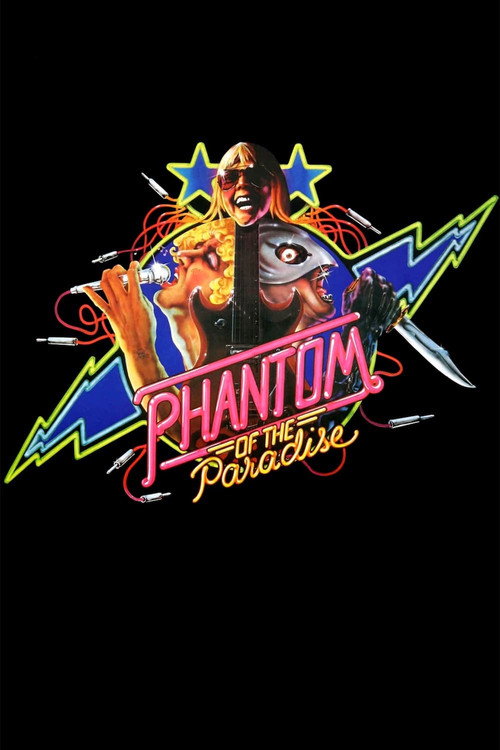
Phantom of the Paradise1974
Both films are theatrical in register—they treat the slasher not as realism but as stage performance, with the killer as a kind of dark director orchestrating tableaux. Both filmmakers are interested in surfaces, artifice, and the aesthetics of death more than forensic logic.
Brian De Palma's operatic rock musical-thriller about a composer haunted by a disfigured man in a theatre where performers are systematically destroyed. It shares Curtains' fascination with masked killers, performative spaces, and the gothic beauty of violence, but pumps it through pure '70s surrealism and rock energy.
But It's genuinely strange in structure and tone, careening between thriller, musical, and satire. If you need plot coherence and grounded reality, this will feel arch and bewildering.
More like this (8)
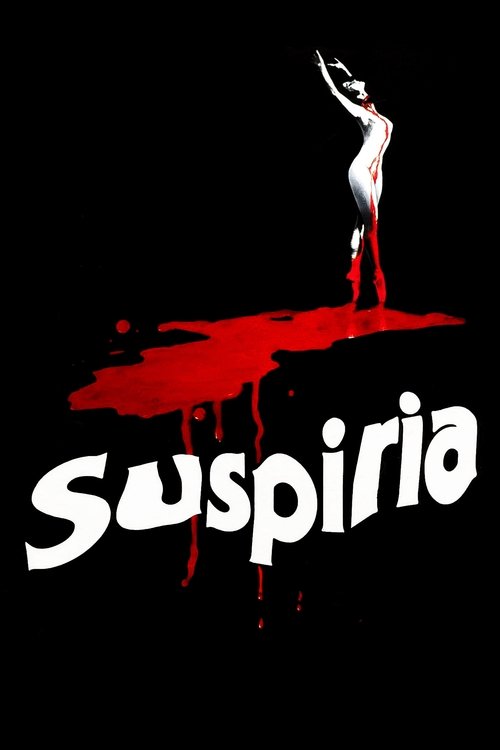
Suspiria1977
Dario Argento's masterpiece of style and dread, set in an insular world of ambitious women where something sinister lurks beneath. Like Curtains, it's less interested in making logical sense than in pure mood and visual intensity.
But It's more art film than straightforward thriller. The plot is deliberately obscure, and some viewers find the visual excess exhausting rather than hypnotic.
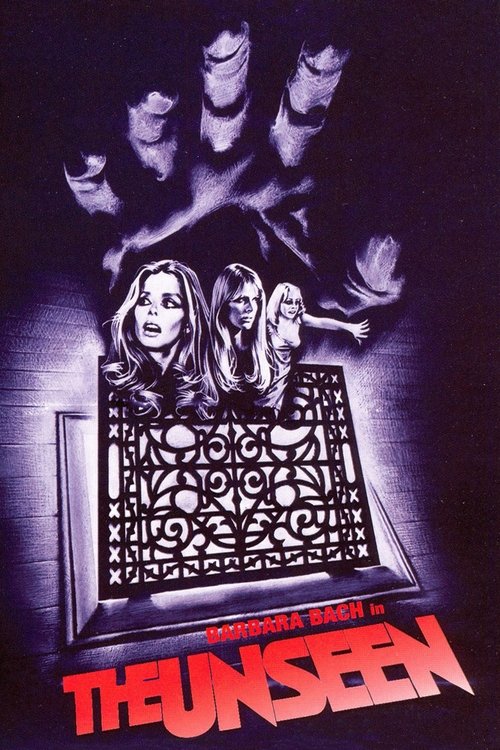
The Unseen1980
A vicious little rape-revenge thriller with genuine bite and unease. It operates in the same low-budget, no-frills space as Curtains, and doesn't soften its premise for comfort.
But It's genuinely uncomfortable viewing—the violence is depicted with brutal clarity. Not a film to watch for entertainment in the lighter sense.
Black Christmas1974
The prototype for every women-in-peril slasher that followed. It's methodical, atmospheric, and genuinely frightening—proof that you don't need a masked maniac on screen to create dread.
But The slow burn will test modern viewers used to faster pacing. The final act gets strange in ways that frustrate some people.

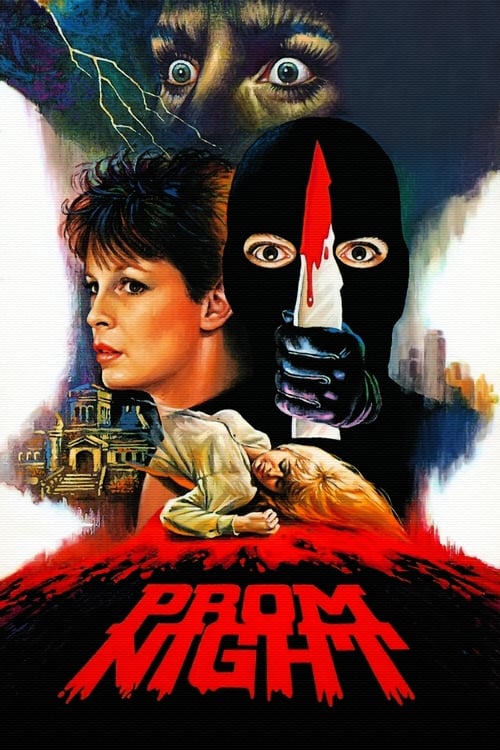
Prom Night1980
Paul Lynch also directed this—another Canadian slasher with a snappy premise and solid kills. It's more straightforward fun than Curtains, less tortured, and it knows exactly what it is.
But It's fairly routine once you've seen a few slashers. The mystery isn't deep, and the characterization is thin by design.
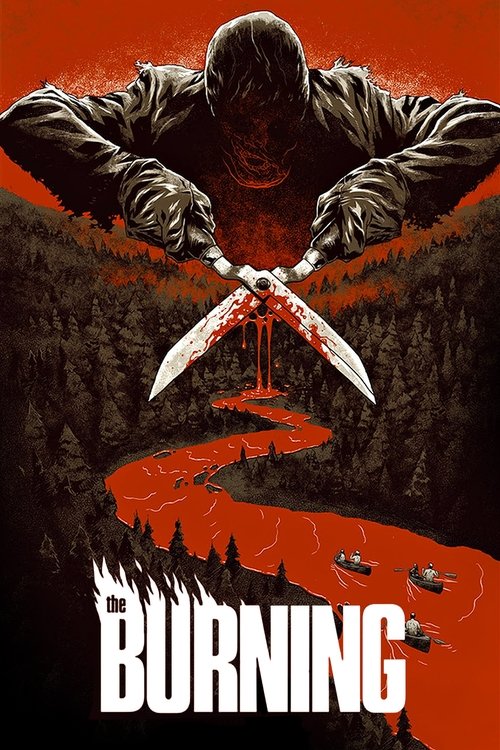
The Burning1981
A summer-camp slasher with genuinely memorable set pieces and a sense of dread that outpaces the script. It's got the same 'confined space, multiple targets' setup and doesn't apologize for being pulpy.
But The plotting is basic and the script is forgettable. It's a film you watch for moments rather than narrative coherence.
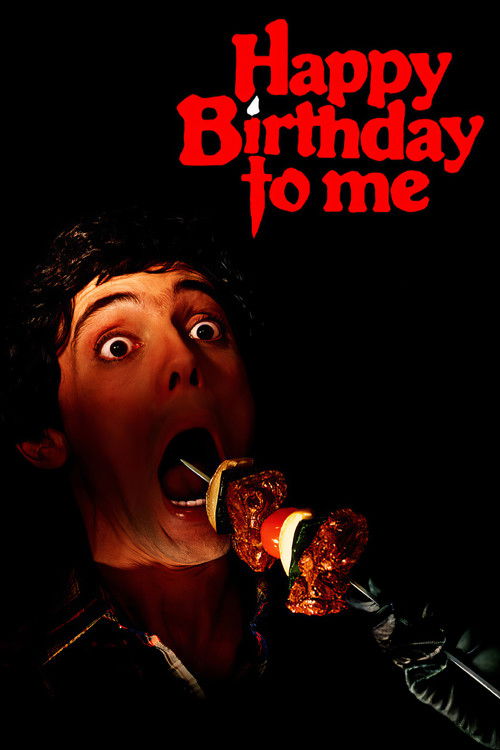
Happy Birthday to Me1981
Another Canadian slasher with a puzzle-box structure and a killer who's methodically eliminating a social circle. It's stylish in an over-the-top way and committed to its premise, much like Curtains.
But The twist is convoluted and the characterization is minimal. Some of the kills feel arbitrary, and the pacing can feel aimless.
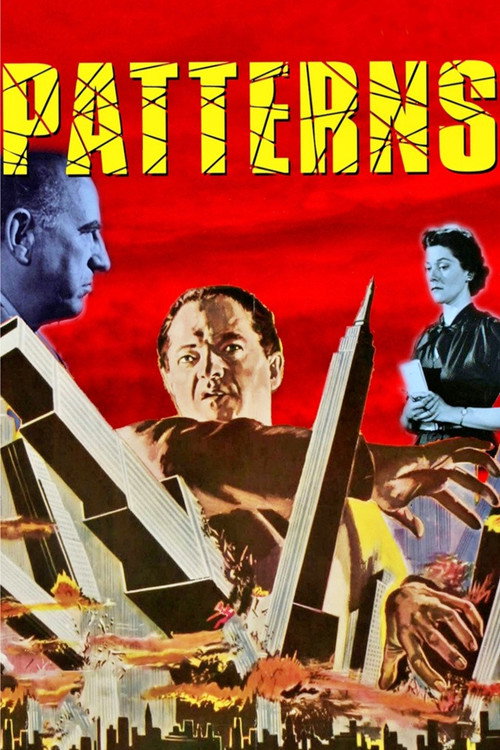
Patterns1956
Both films understand that the real killer in a competition-pressure scenario is the system itself. The masked murderer in Curtains is almost incidental—what kills the actresses is their ambition, their desperation, their willingness to betray each other for the role. Patterns shows you that dynamic operating in plain daylight.
Rod Serling's cold-war office drama about corporate ruthlessness and psychological manipulation feels ancestral to the paranoia baked into Curtains—six women competing for a single role mirrors the cutthroat logic of Serling's workplace. It's superbly written and genuinely tense.
But It's a black-and-white midcentury melodrama with almost no action. The horror here is social and psychological, which modern viewers often mistake for slow-paced or dull.
Possession1981
Both are films where the genre apparatus (slasher, psychological thriller) is almost a disguise for something more intimate and bizarre. The real story isn't the plot; it's the texture of atmosphere, the logic of fever dreams, and the sense that normal rules don't apply. Both filmmakers trust visual intensity over narrative clarity.
Andrzej Żuławski's fever dream of a film follows a couple's dissolution through surrealist imagery and raw emotional violence. Like Curtains, it's deeply weird, unapologetically stylized, and uses genre language (body horror, psychological terror) as a carrier for something more personal and unstable.
But It's aggressively avant-garde and genuinely disturbing—not in jump-scare ways but in its commitment to chaos and sexual humiliation. It's exhausting, sometimes incoherent, and punishingly bleak.

People
Cast
 John VernonJonathan Stryker
 Samantha EggarSamantha Sherwood
 Linda ThorsonBrooke Parsons
 Anne DitchburnLaurian Summers
 Lynne GriffinPatti O'Connor
 Sandee CurrieTara DeMillo
 Lesleh DonaldsonChristie Burns
- Deborah BurgessAmanda Teuther
 Michael WincottMatthew
 Maury ChaykinMonty
- Joann McIntyreSecretary
- Calvin ButlerDr. Pendleton
Directing
- Richard CiupkaDirector
- Tony ThatcherFirst Assistant Director
- Donato BaldassarraSecond Assistant Director
- Karen PikeSecond Assistant Director
- Jerome McCannThird Assistant Director
- John PaceThird Assistant Director
Writing
- William GrayScreenplay
- Robert Guza Jr.Story
Production
- Richard SimpsonExecutive Producer
- Peter R. SimpsonProducer
- Gerry ArbeidProduction Manager
- Ilana FrankProduction Manager