
Film
Too Big to Fail
A brisk, all-star reconstruction of the September 2008 weekend when Lehman Brothers collapsed and the global financial system nearly followed it down. Told almost entirely through phone calls, boardrooms and terse hallway conversations, it's less thriller than autopsy — a procedural about exhausted, arrogant men trying to improvise their way out of a catastrophe they built. Good for anyone who likes their history delivered fast and unglamorous.
If you liked this
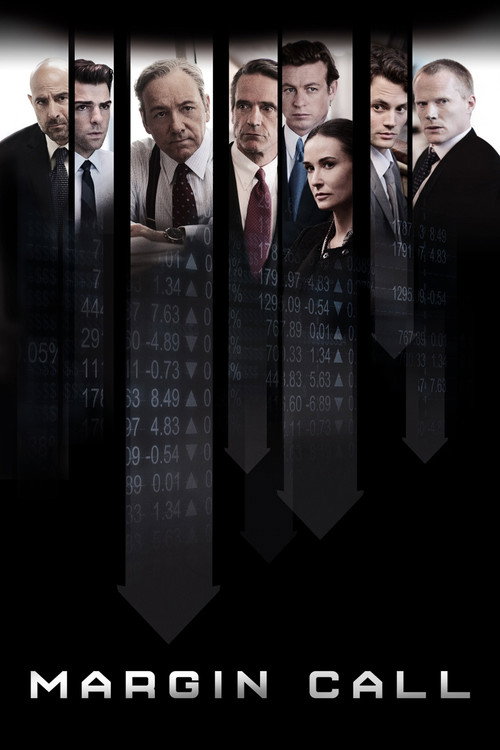
Margin Call2011
The fictional mirror image of this exact weekend, set inside one investment bank as junior staff realise the numbers don't add up. Quieter, more claustrophobic, and arguably sharper about the human cost of the panic.
But No real names, no history-lesson satisfaction — it's mood and dread rather than documented fact.
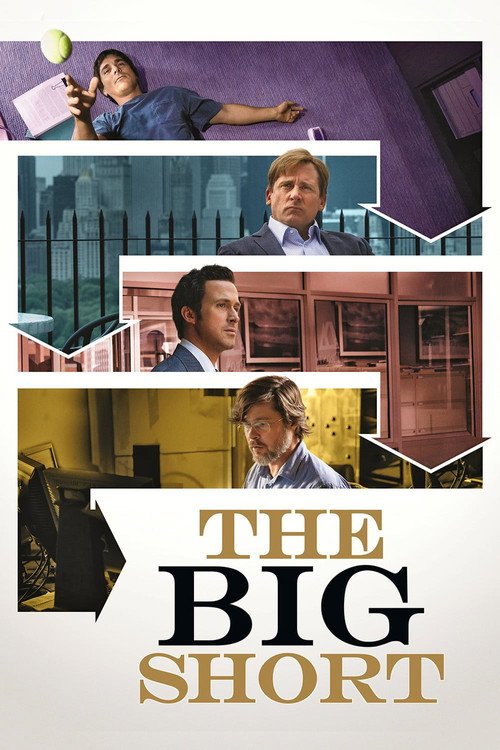
The Big Short2015
Same crash, same villains, entirely different temperature — gleeful, furious, and determined to make mortgage-backed securities funny before they make you sick to your stomach.
But The fourth-wall-breaking jokes and celebrity cameos can feel like a lot if you wanted something more sober.
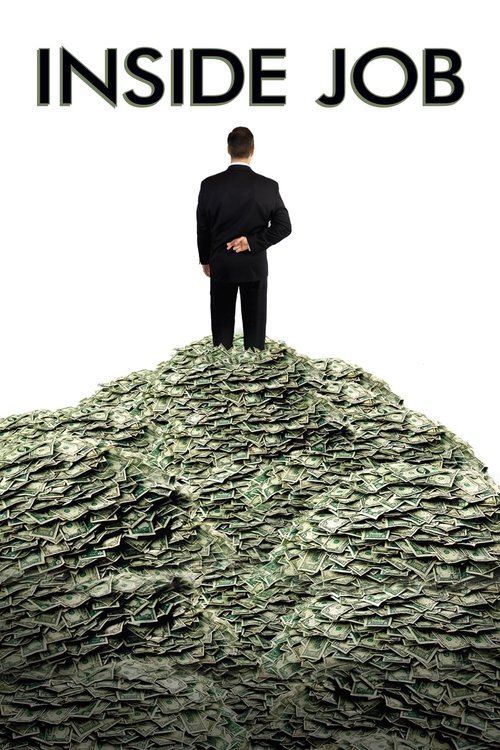
Inside Job2010
The documentary version, narrated by Matt Damon, that names names and lays out exactly how deregulation and Wall Street incentives built the bomb these men had to defuse.
But It's angrier and more didactic — less character drama, more prosecution case.
The wildcard
Something you would not have found on your own.
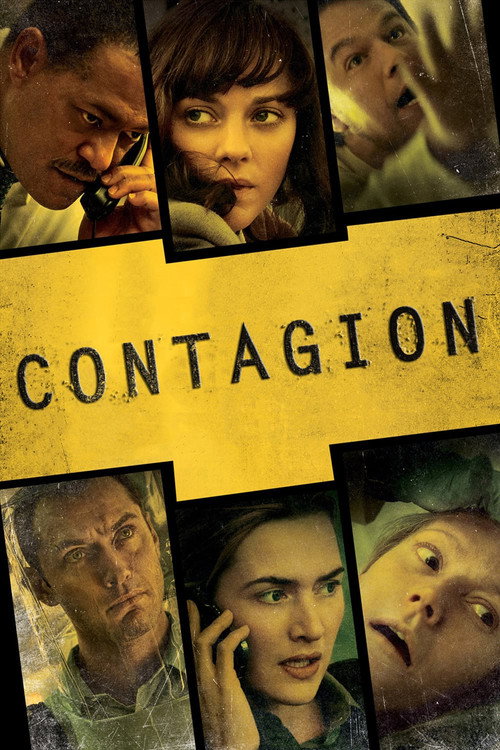
Contagion2011
Swap Lehman for a virus and Bernanke for the CDC and it's the same structural nightmare: technocrats scrambling in real time while ordinary people have no idea what's coming.
Soderbergh's pandemic thriller, made the same year, runs the identical engine — officials in rooms racing a clock, trying to contain a system failure before public trust evaporates entirely.
But If you lived through 2020, watching a fictional pandemic unfold beat-for-beat might hit closer than you want.
More like this (8)
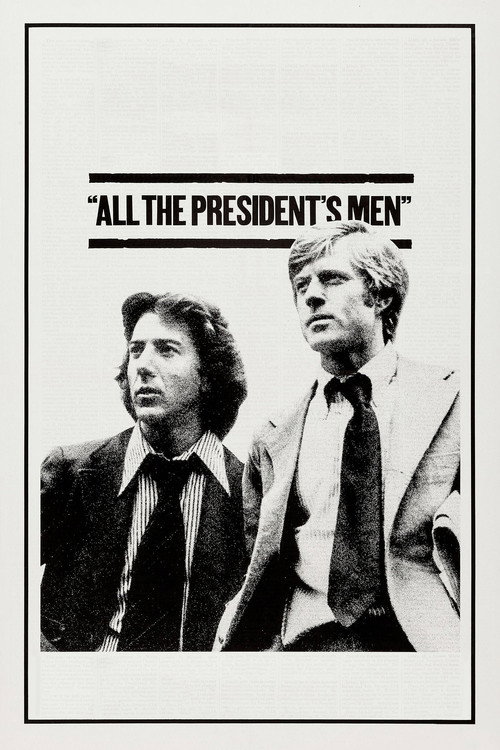
All the President's Men1976
The gold standard for turning institutional process — phone calls, meetings, paper trails — into gripping cinema. If you liked watching power operate in real time here, this is where that genre started.
But Slower and talkier by design; it trusts you to sit with bureaucratic tedium as tension.
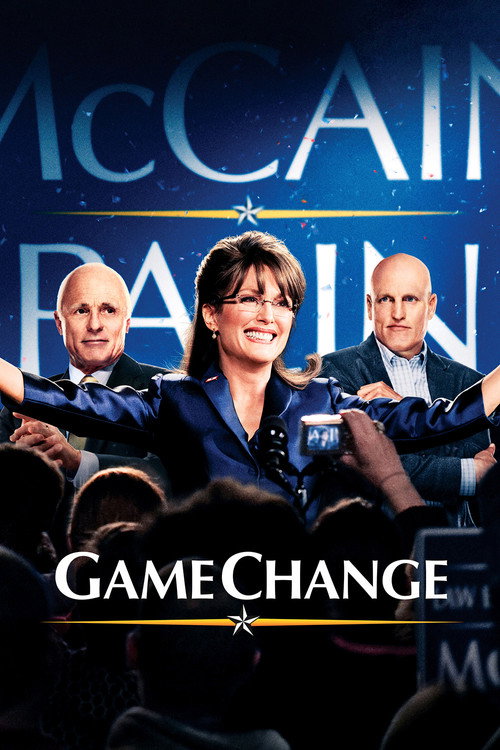
Game Change2012
Same HBO-movie DNA — recent history, starry cast, a crisis unfolding in real time — this time inside the McCain campaign as Sarah Palin's candidacy spirals.
But Political rather than financial, so the specific dread of watching an economy implode isn't here.
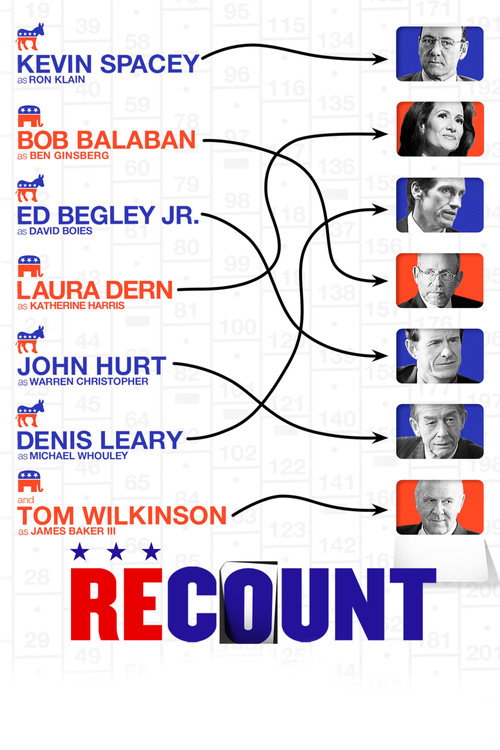
Recount2008
Another HBO ensemble docudrama about a national crisis decided by exhausted people in rooms — this time the 2000 election recount in Florida, with the same procedural fascination.
But Lower stakes on the surface, since it's about ballots rather than the entire global economy.
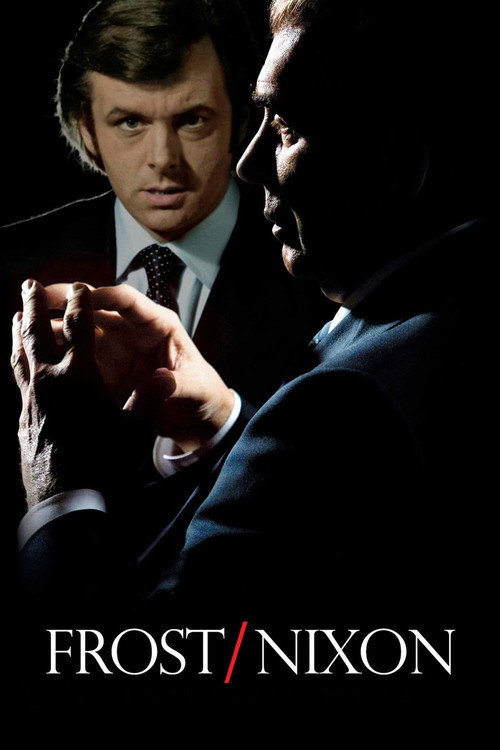
Frost/Nixon2008
A different kind of high-stakes negotiation drama — verbal chess instead of financial engineering, but the same fascination with powerful men cornered and improvising.
But It's a two-hander at heart, intimate where this film is sprawling and multi-threaded.
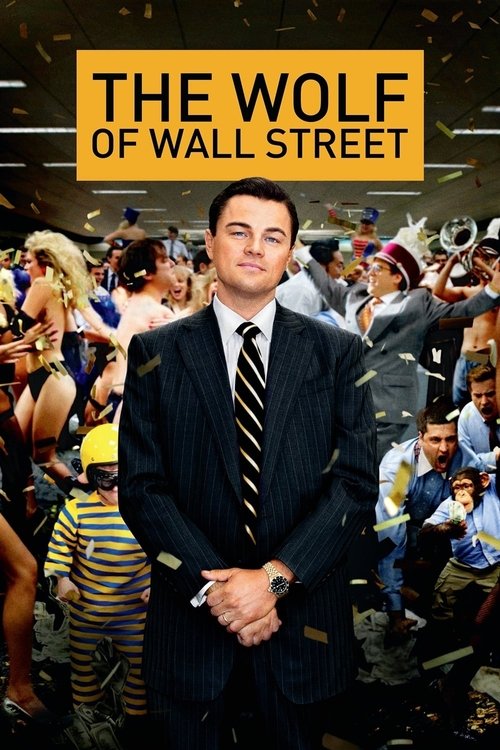
The Wolf of Wall Street2013
For the other half of the Wall Street story — not the men managing collapse but the ones who caused the culture that made it possible, played for outrageous, exhausting spectacle.
But Three hours of hedonism and excess is a tonal 180 from this film's grim conference rooms.
Wall Street: Money Never Sleeps2010no page yet
Oliver Stone's belated sequel drops Gordon Gekko into the actual 2008 crash, giving you a fictionalised, more melodramatic companion piece to the real events.
But It's soapier and less disciplined, chasing father-daughter drama alongside the financial plot.
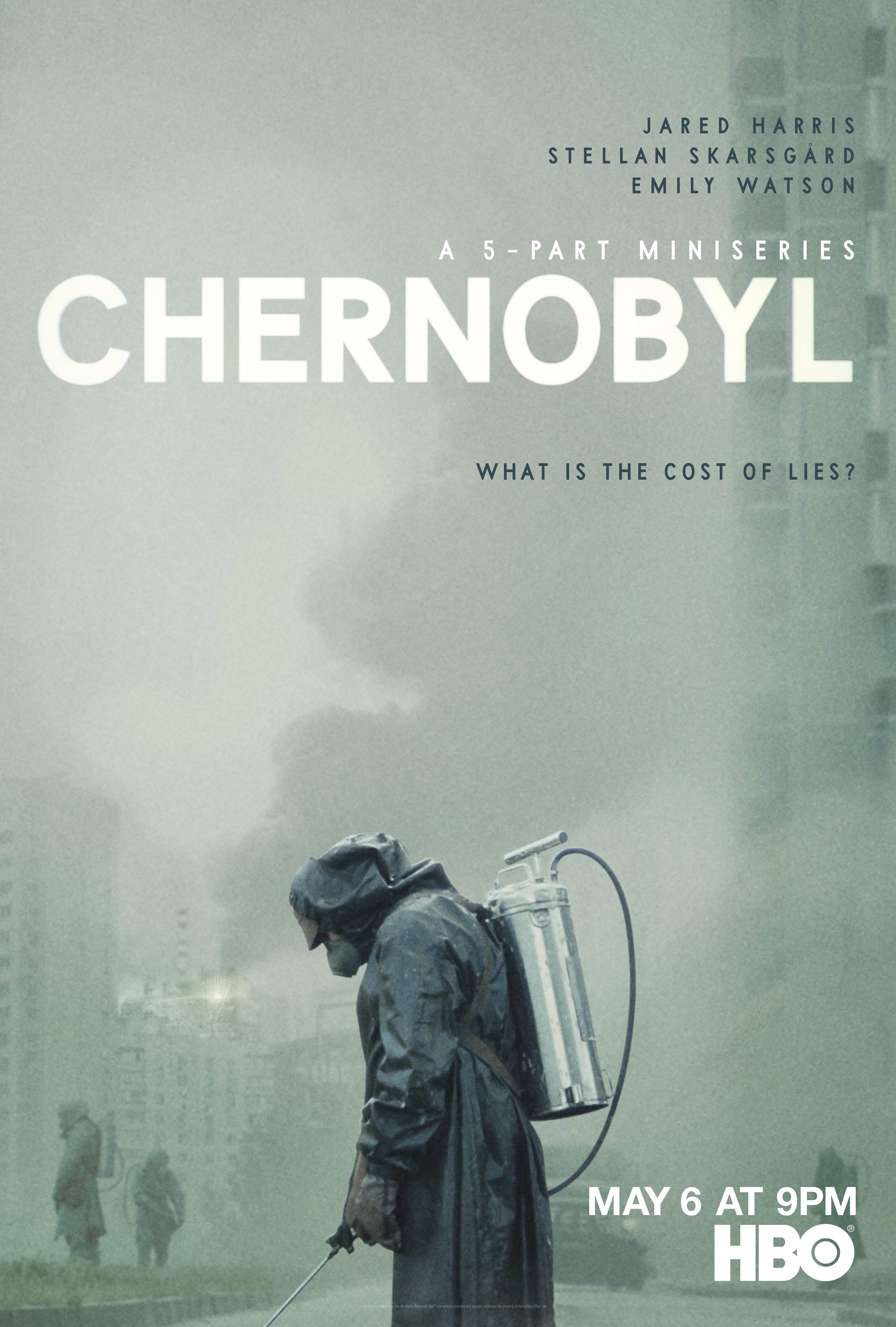
Chernobyl2019
Both are about systems built on denial finally forced to confront the truth, told through the exact same device: powerful men in windowless rooms deciding what the public gets to know.
A miniseries about a different kind of institutional collapse — Soviet officials lying to themselves and each other while a reactor burns. Same dread, same rooms full of men making impossible calls.
But Five hours instead of ninety minutes, and considerably grimmer — this one has a body count you can see.
Executive Suite1954no page yet
Decades before Lehman, this invented the genre Too Big to Fail belongs to: the ticking-clock corporate crisis where character is revealed entirely through who blinks first in a meeting.
A black-and-white boardroom drama where a company's founder dies suddenly and the surviving executives spend one long day fighting over who takes control and how to spin it to shareholders.
But Stagey, dated dialogue and a much smaller canvas — this is corporate drama shrunk to one company, one building, one night.
People
Cast
 James WoodsDick Fuld
 John HeardJoe Gregory
 William HurtHenry Paulson
 Paul GiamattiBen Bernanke
 Billy CrudupTimothy Geithner
 Topher GraceJim Wilkinson
 Matthew ModineJohn Thain
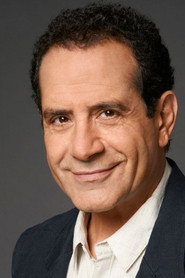 Tony ShalhoubJohn Mack
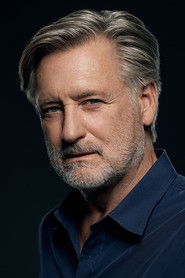 Bill PullmanJamie Dimon
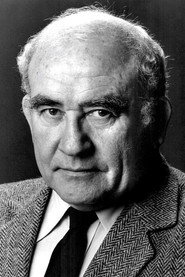 Ed AsnerWarren Buffett
 Evan HandlerLloyd Blankfein
 Joey SlotnickDan Jester
Directing
- Curtis HansonDirector
- Julie A. BloomFirst Assistant Director
- Veronique LeeScript Coordinator
- Holly UnterbergerScript Supervisor
- Greg GilmanSecond Assistant Director
Writing
- Andrew Ross SorkinAuthor
- Peter GouldScreenplay
Production
- Alexa L. FogelCasting
- Carol FenelonCo-Executive Producer
- Andrew Ross SorkinCo-Producer
- Peter GouldCo-Producer
- Curtis HansonExecutive Producer
- Jeff LevineExecutive Producer
- Paula WeinsteinExecutive Producer
- Jason FarrarLocation Manager
- Shawn PetersenPost Production Coordinator
- Ezra SwerdlowProducer
- Sam BlackResearcher
Recommended by
Inside Job, Margin Call, Recount, Client 9: The Rise and Fall of Eliot Spitzer