
Film
The Wizard of Lies
A forensic portrait of Bernie Madoff's $65 billion fraud, told through the eyes of a man who built an empire on lies. De Niro inhabits the void at the center—calculated, banal, utterly without remorse—while the film watches his family fracture under the weight of complicity and betrayal. Gripping, claustrophobic, and morally unsparing.
Should you watch it?
Watch it if you want an unhurried, character-driven look at a fraud from inside a marriage and a family, where the money trouble is felt more than shown, and De Niro and Pfeiffer carry the quiet dread.
Skip it if you need the fraud itself to unfold with mechanics and suspense; this is more a domestic portrait, so the scheme's workings are kept at a distance.
What it asks of you: Two hours and change of measured scenes, mostly people talking in rooms, with the dread of what they half-know never quite letting up.
Not sure? Find tonight's pick in a minute.
If you liked this
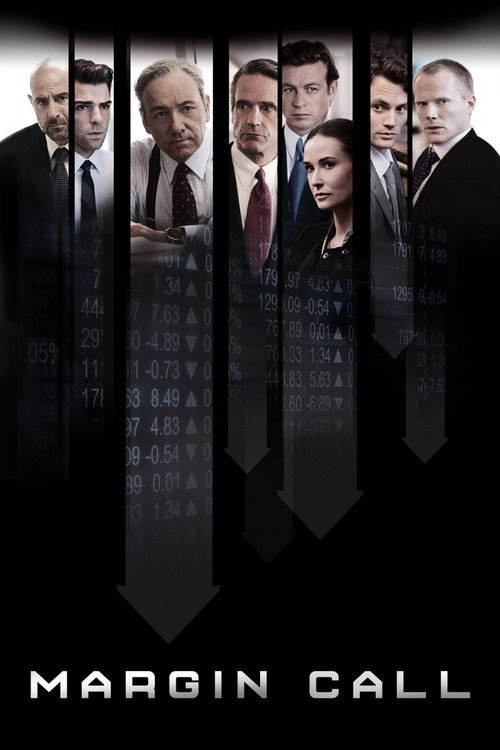
Margin Call2011
A surgical dissection of financial corruption across a single crisis night. Sharp, tense, and populated with brilliant actors watching their world collapse. It captures the same atmosphere of cascading moral compromise.
But Heavily dialogue-driven and abstract; if you want action or clear villains, you'll be frustrated by the moral ambiguity.
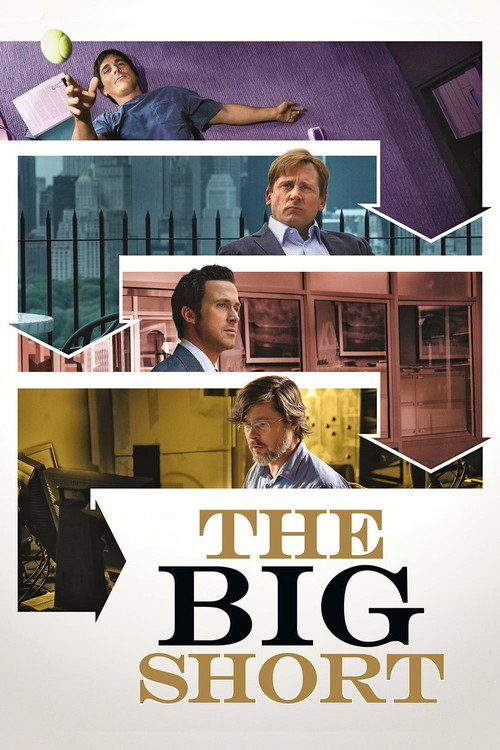
The Big Short2015
A kinetic, darkly funny chronicle of the 2008 housing collapse. It has the same forensic anger about systemic fraud, but with more personality and direct address—the filmmakers clearly want you furious.
But The style can feel gimmicky and occasionally prioritizes snappiness over depth. Some will find it exhausting rather than energizing.
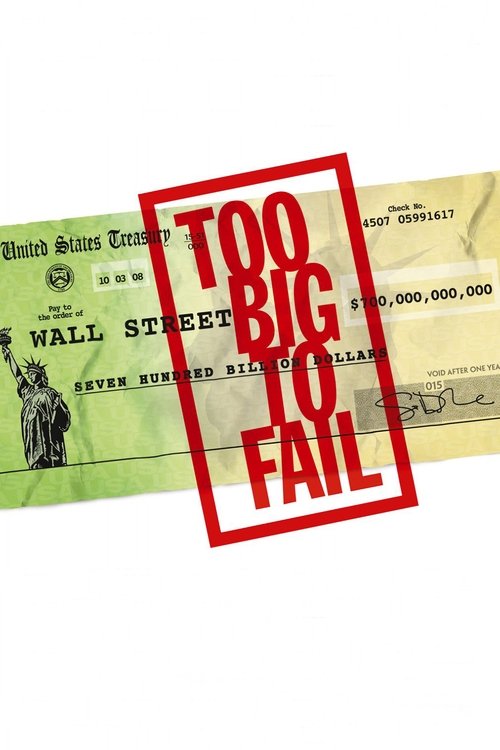
Too Big to Fail2011
HBO's accountable drama about the 2008 financial crisis, told from inside the rooms where decisions were made. Strong ensemble cast and clear-eyed about both the stakes and the systemic rot.
But Somewhat dry in tone; it's more process-oriented than character-driven, and the villain is often abstraction rather than a person you can hate.
Not sure tonight? Get a pick in a minute, starting from The Wizard of Lies
The wildcard
Something you would not have found on your own.
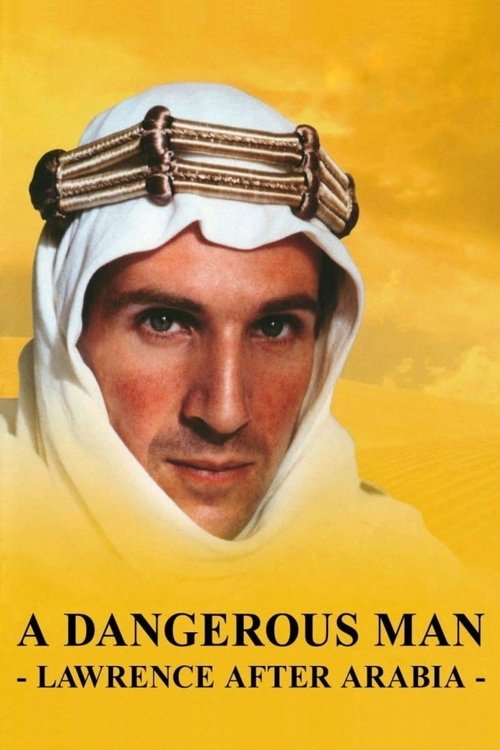
A Dangerous Man: Lawrence After Arabia1992
Both are studies of charismatic men of consequence who became prisoners to their own mythologies. Lawrence and Madoff are inverses: one destroyed himself to escape his legend, one built his legend to destroy others. Both are portraits of the self devouring itself.
A BBC television film about T.E. Lawrence in the years after World War I—a man who changed the world through a lie and spent his remaining life haunted by it. Visually spare, psychologically acute. Mercurial, unhappy, and profound.
But Made for television in 1990 on a budget; it will not look glossy. It's also cryptic and interior—more interested in the weight of conscience than in spectacle.
More like this (7)
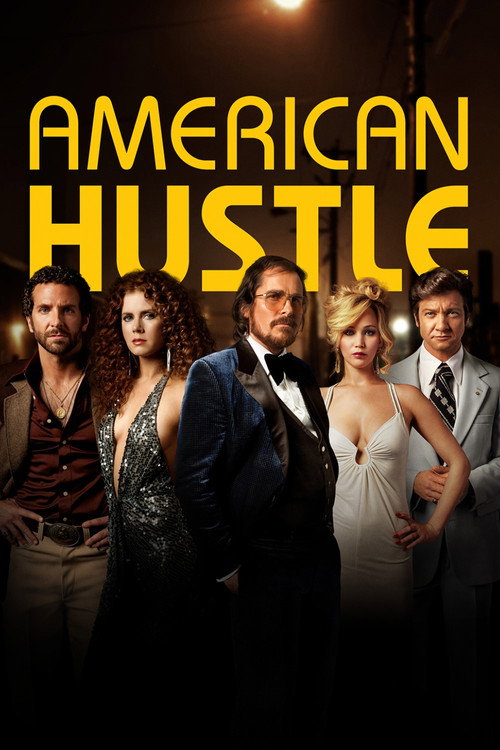
American Hustle2013
A glittering con-artist saga with tremendous style and charisma. It captures the seductive appeal of fraud and the performances are magnetic—a reminder that liars are often charming, which is precisely the danger.
But It's an entertainment first; the moral weight is lighter here. If you want consequence and destruction, not glamour, look elsewhere.
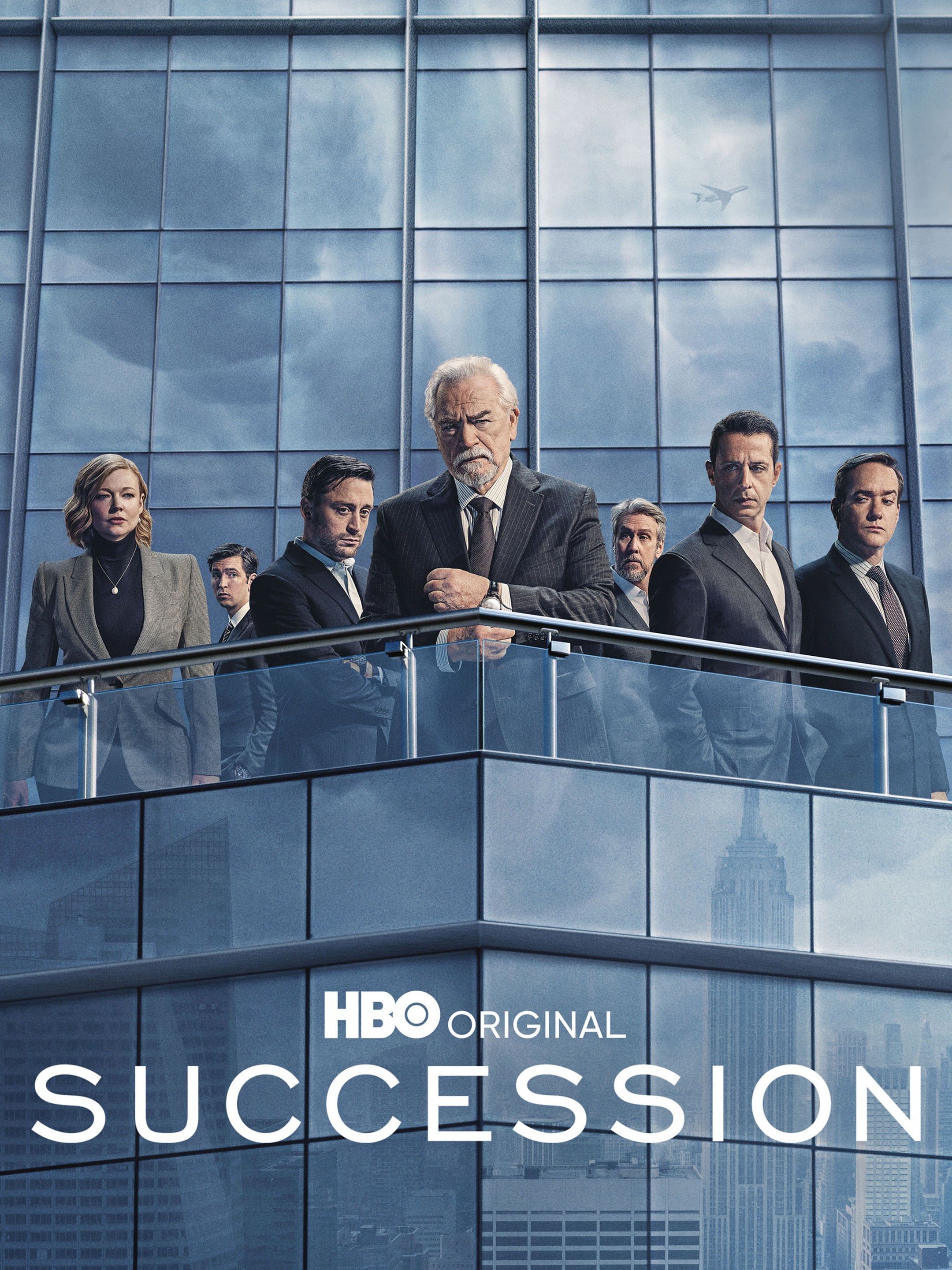
Succession2018
A television masterpiece about wealth, power, and moral vacuum. The Roys are Madoffs with a press office—ruthless, delusional, destroying everyone close to them. HBO at its absolute best, with writing that cuts like glass.
But Four seasons to fully land. It's also relentlessly bleak and features almost no sympathetic characters; watching this is an endurance test of disdain.
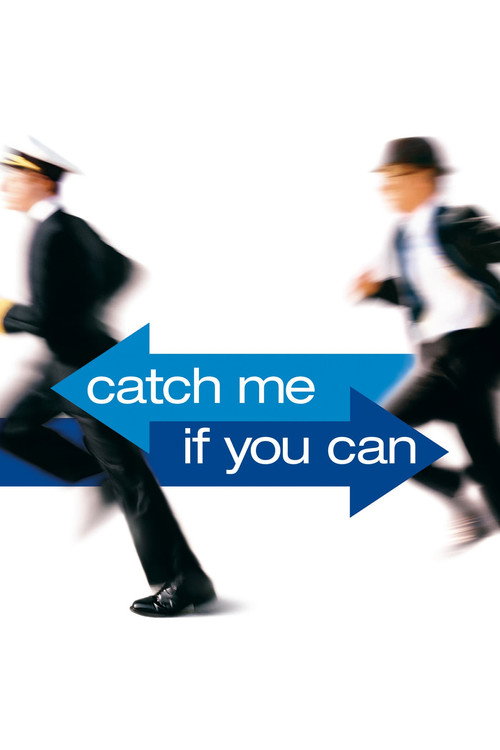
Catch Me If You Can2002
Spielberg's account of Frank Abagnale's con-man career, told with elegance and wit. It shares Madoff's fascination with how fraudsters think, but approaches it as a cat-and-mouse game between seductive antagonists.
But Far less interested in the harm caused. It's a celebration of cleverness rather than a reckoning with wreckage, which softens the moral sting.
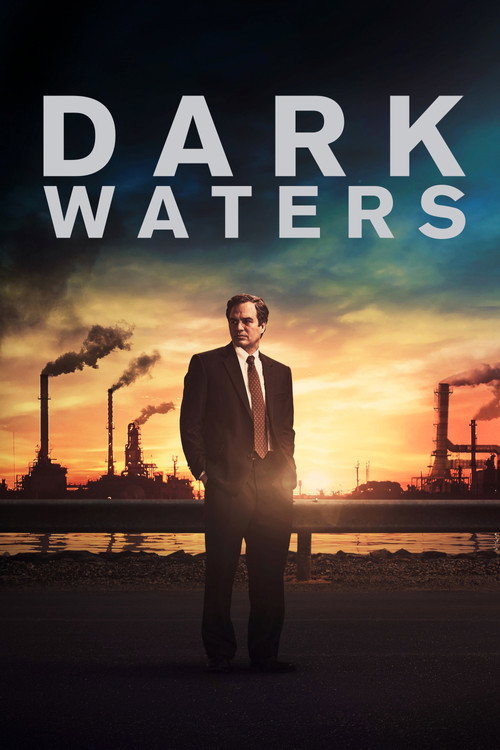
Dark Waters2019
A lawyer pursues DuPont for environmental poisoning. Methodical, furious, and built on the principle that institutions protect their own. It has the same grinding persistence as Madoff's exposure.
But Slow-burn procedural; you spend two hours watching discovery motions rather than dramatic confrontations. Patience required, and payoff is earned, not given.
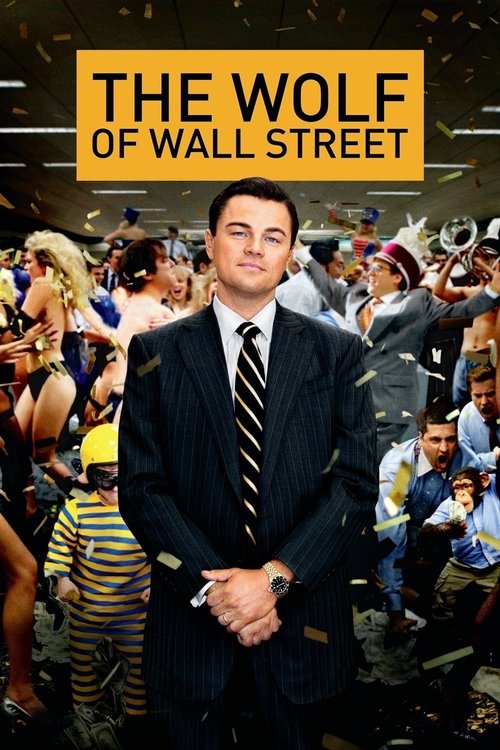
The Wolf of Wall Street2013
Scorsese's frenetic descent into excess and fraud. DiCaprio is a force of nature, and the film captures the intoxicating stupidity of greed with infectious energy. A masterclass in depicting moral free fall.
But Three and a half hours of debauchery in service of a protagonist who never truly reckons with harm. Some will feel it's pornography masquerading as critique.
Kes1970
The Wizard of Lies is about a man who used deception to construct a false kingdom of control. Kes is about a boy who briefly escapes control through truth—connection to something real. They are opposite parables of systems that promise transcendence: one through lies, one through beauty. Both end in ruin, but Loach's ruin is tragic; Madoff's is deserved.
Ken Loach's film about a working-class boy in Northern England who trains a hawk and discovers beauty and agency in a world determined to crush both. Achingly humane, visually direct, structurally simple but emotionally devastating.
But It's a quiet film about a poor child, not a crime thriller. The plot is minimal. If you're coming for narrative propulsion or moral justice, you'll leave disappointed.

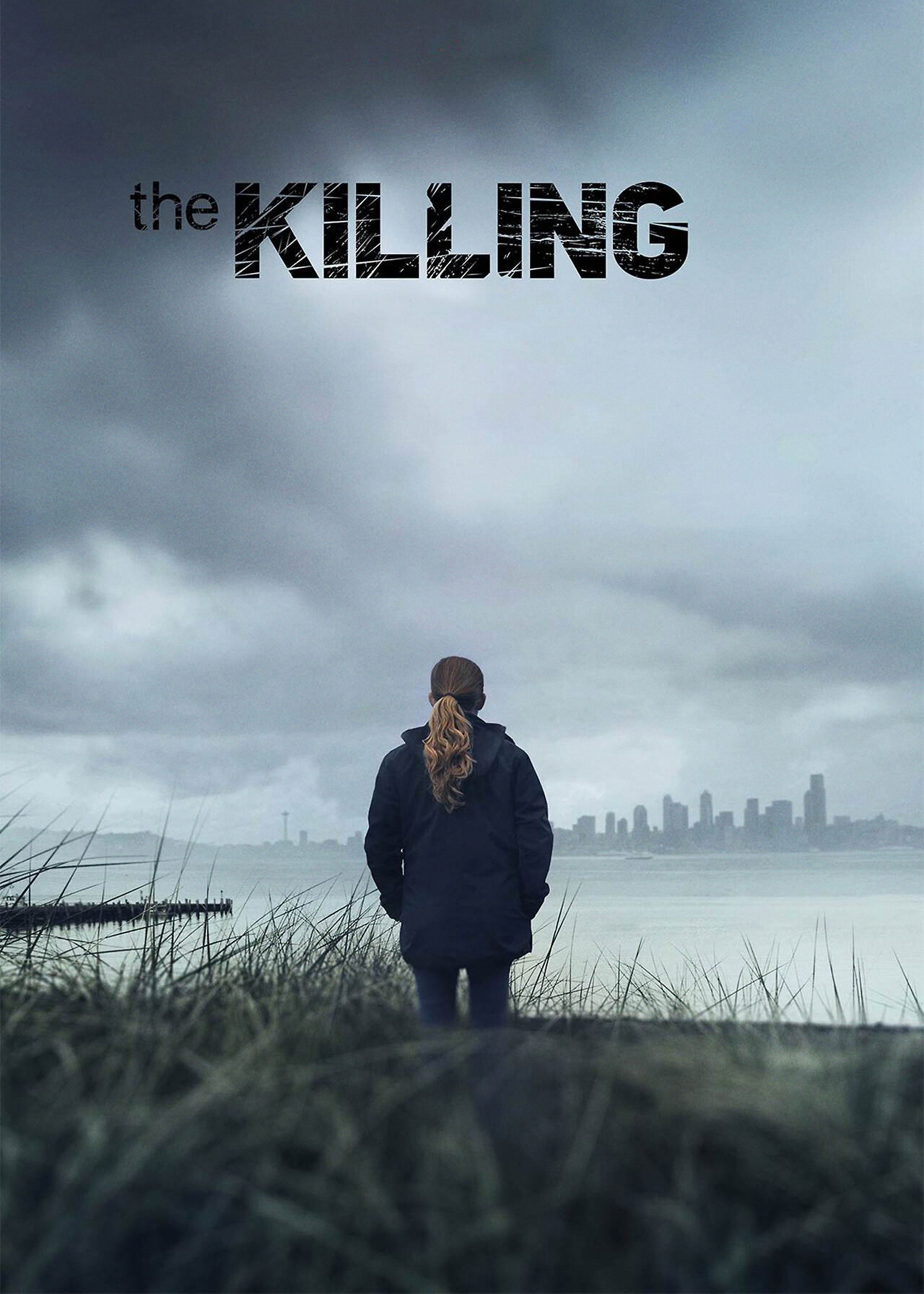
The Killing2011
Both are exercises in how institutions—a bank, a police department, a city—become machines for protecting liars. Both follow the debris trail backward from consequence to cause, and both suggest that the machinery that allows the crime also prevents its remedy. But where Madoff is about complicity at the top, The Killing is about the people at the bottom who pay.
Danish crime series about a murder investigation that spirals outward to expose corruption, institutional failure, and the cost paid by the powerless. Austere, patient, structurally brilliant. Sarah Lund is one of television's great characters—obsessive, unglamorous, uncompromising.
But Twenty episodes of Nordic gloom and bureaucratic procedure. It moves deliberately and refuses catharsis. The ending will feel ambiguous if you expected justice to be tidy.
People
Cast
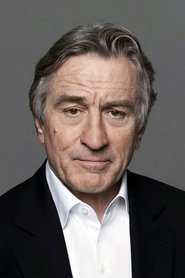 Robert De NiroBernie Madoff
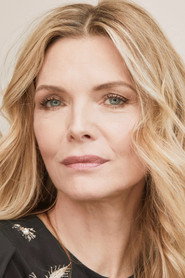 Michelle PfeifferRuth Madoff
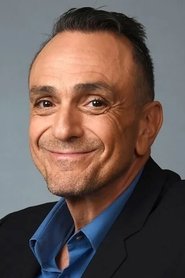 Hank AzariaFrank Dipascali
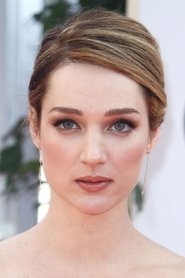 Kristen ConnollyStephanie Madoff
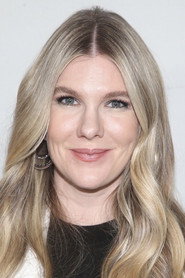 Lily RabeCatherine Hooper
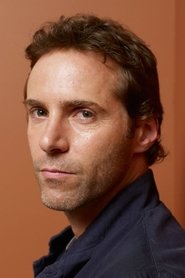 Alessandro NivolaMark Madoff
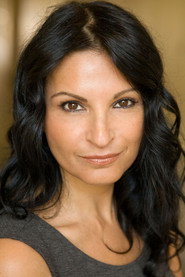 Kathrine NarducciEleanor Squillari
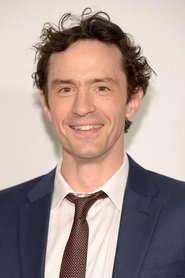 Nathan DarrowAndrew Madoff
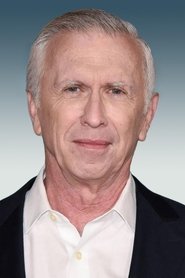 Steve CoulterMartin London
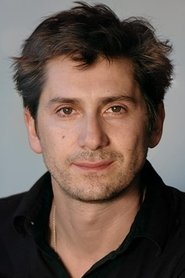 Michael A. GoorjianDan Horwitz
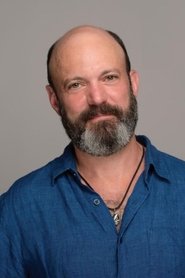 Geoffrey CantorOstrow
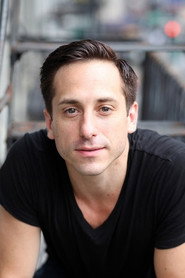 Jason BabinskyMichael Schwartz
Directing
- Barry LevinsonDirector
Writing
- Diana HenriquesBook
- Laurie SandellBook
- John Burnham SchwartzScreenplay
- Sam LevinsonScreenplay
- Samuel BaumScreenplay
Production
- Ellen ChenowethCasting
- Jason SosnoffCo-Executive Producer
- Amy HermanCo-Producer
- Barry LevinsonExecutive Producer
- Berry WelshExecutive Producer
- Jane RosenthalExecutive Producer
- Robert De NiroExecutive Producer
- Tom FontanaExecutive Producer
- Kerry RobertsPayroll Accountant
- Joseph E. IbertiProducer
Recommended by
Enron: The Smartest Guys in the Room, Betting on Zero, Dirty Money, Madoff: The Monster of Wall Street, The Current War, Kill Chain: The Cyber War on America's Elections