
Television series
A Man in Full
A Man in Full follows a charismatic Atlanta real estate kingpin's spectacular collapse into bankruptcy. It's a character study of ego, ambition, and the machinery that devours the powerful. Tom Wolfe's novel becomes a portrait of American excess at the moment it implodes—uneven but gripping, for those drawn to watching powerful men reckon with consequences.
Should you watch it?
Watch it if you enjoy a slow-burning story of a proud man's fall, where the pleasure lies in the grasping schemes and the sharp edges of Southern money and power.
Skip it if you want brisk plotting or a clear moral center, since it lingers on talk and wounded pride and keeps its characters morally slippery.
What it asks of you: Six episodes of around 44 minutes each, paced unhurriedly, with long conversations doing the work that action usually would, so it wants a couple of evenings and patience.
Not sure? Find tonight's pick in a minute.
If you liked this
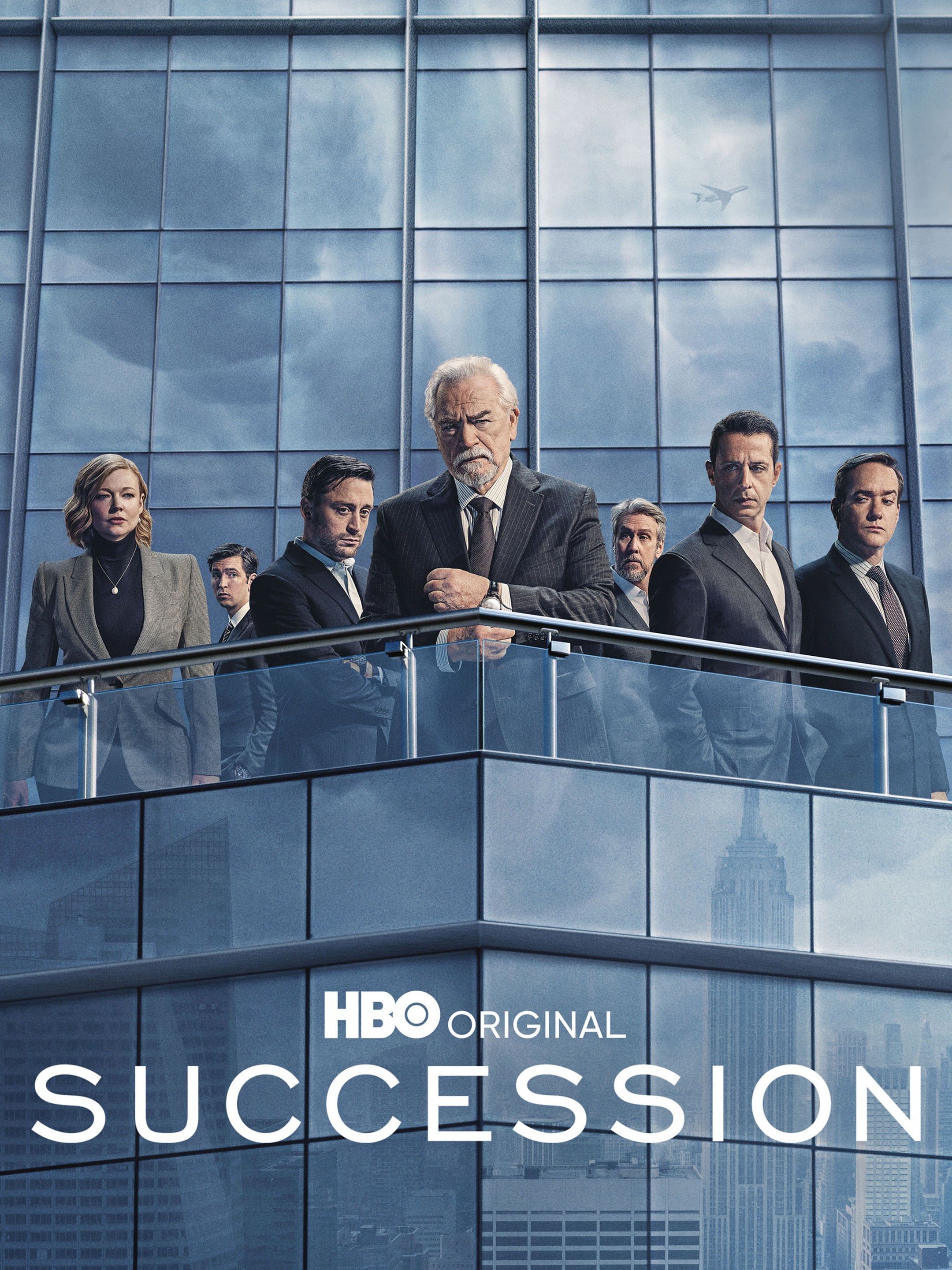
Succession2018
A masterclass in depicting the ruthless machinery of wealth and power. Like Charlie, the Roy family's members are intelligent, damaged people fighting to keep empires intact while imploding from within. Addictive, precisely acted, and morally unflinching.
But Relentlessly bleak. The show offers no redemption and little warmth—if you need likable characters, you'll hate watching these people.
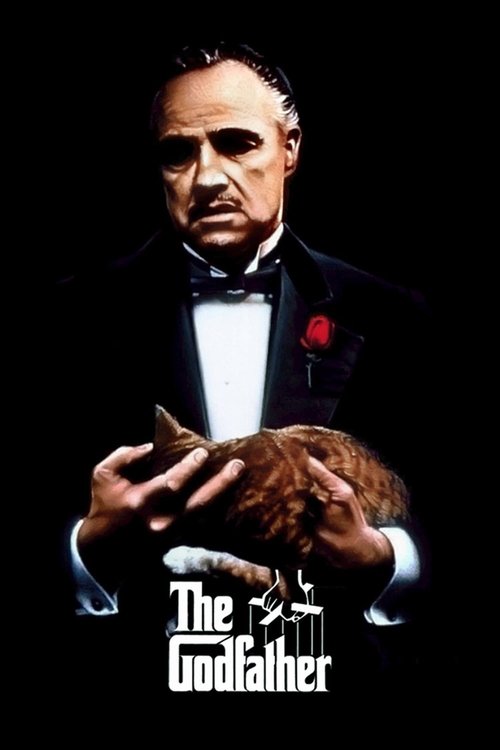
The Godfather1972
Both are studies of empire in collapse, told through a man who believes himself untouchable until suddenly he isn't. The visual language, the family chaos, the moral weight—this is the template for all stories about power's ruin.
But Three and a half hours, and deliberately paced. Modern streaming has made patience rarer; this demands it.
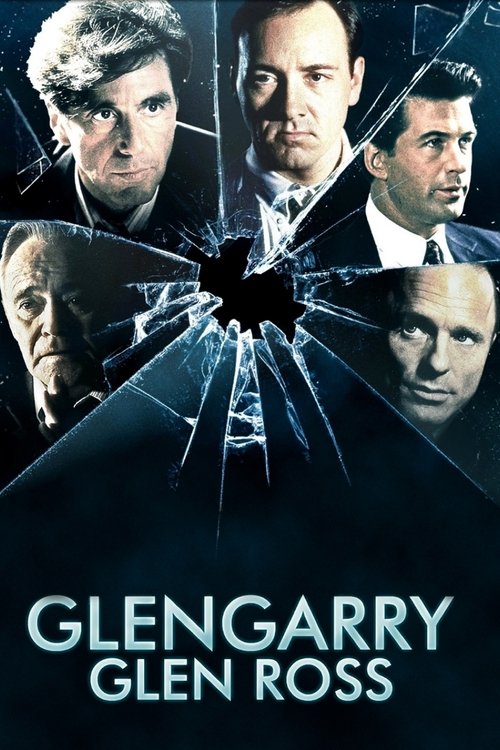
Glengarry Glen Ross1992
Another Mamet-adjacent portrait of masculine ambition corroding everything it touches. Sharp dialogue, brutal economics, men reduced to their hunger. The ensemble cast work shows you what pressure does to character.
But Entirely men, entirely transactional, deeply claustrophobic. If male competitiveness exhausts you, this will tax you.
Not sure tonight? Get a pick in a minute, starting from A Man in Full
The wildcard
Something you would not have found on your own.
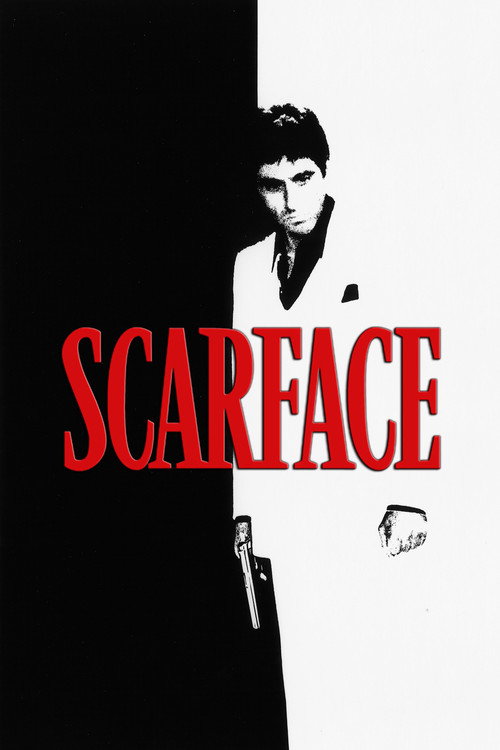
Scarface1983
Same descent arc, different register: one is intimate character study, the other is operatic spectacle, but both chronicle a man who engineered his own annihilation.
Both are operatic portraits of a man who builds something monstrous and must watch it consume him. Tony Montana and Charlie Croker share a conviction that their will and charisma exempt them from ordinary rules—until physics intervenes. Stylistically opposite but structurally twins.
But Graphic violence and drug content throughout. The filmmaking is maximalist where A Man in Full is restrained; it may feel like overkill.
More like this (8)
Wall Street1987
Greed as explicit theme, wealth as character. Charlie and Gordon Gekko share that intoxication with their own stories—the conviction that the rules don't apply. Stylish, energetic, genuinely unsettling about money's corrosion.
But The ethics are now obvious in ways they weren't; some of it plays unintentionally dated. The speechifying can feel laboured.
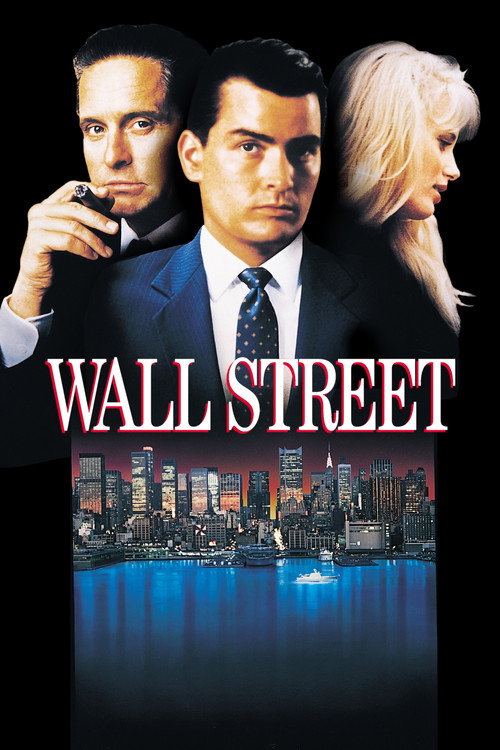
Billions2016
Wealthy men at war with consequences, smart dialogue, and a fascination with how power flows through institutions. If you liked Charlie's scheming and the way he leverages every contact, this extends that pleasure for four seasons.
But Eventually becomes cartoonish—the stakes keep escalating past credibility. The middle seasons flatten out considerably.
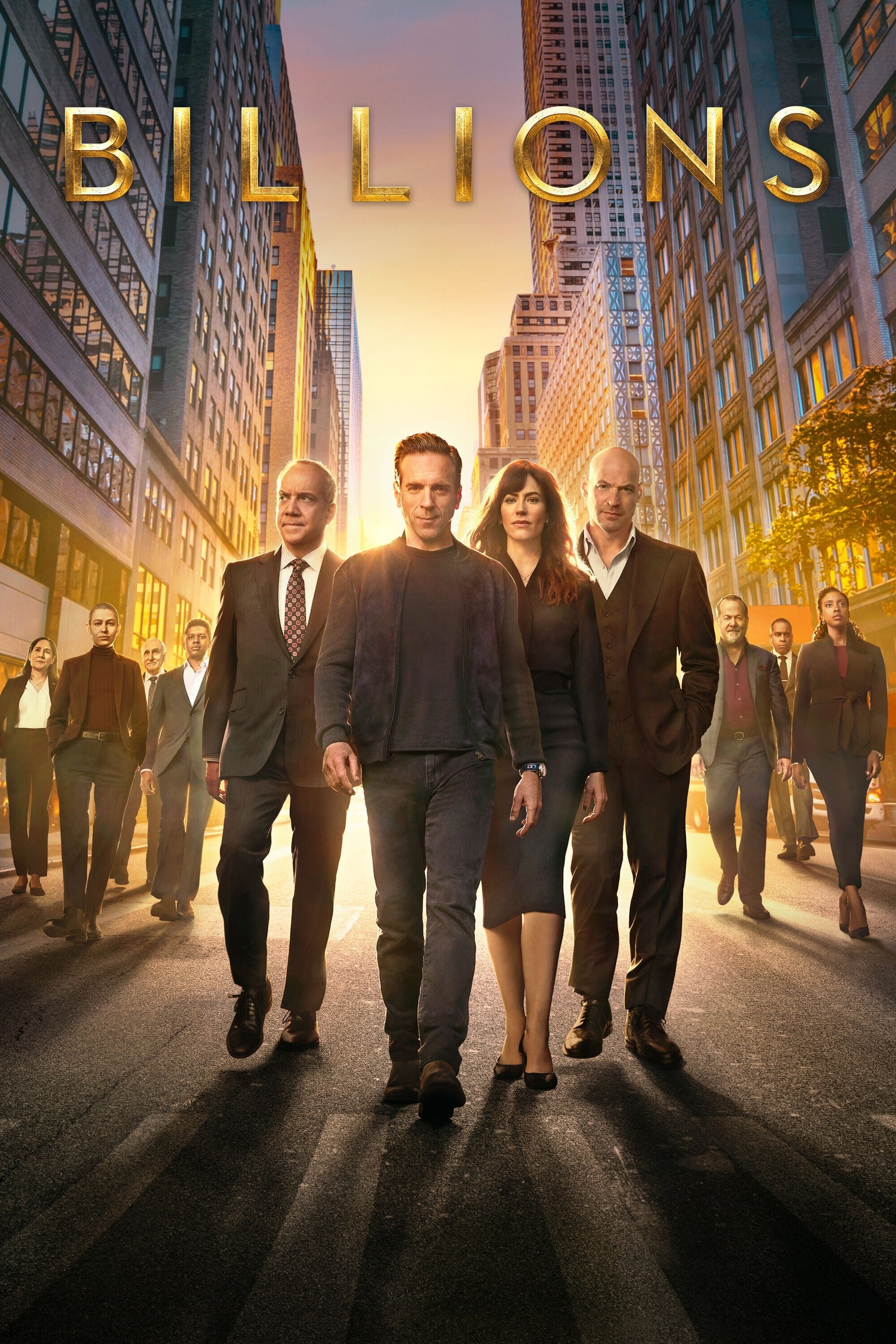
The Wolf of Wall Street2013
Excess dramatized with hypnotic energy. Leonardo DiCaprio's Belfort has Charlie's charisma and self-deception, though directed outward into fraud rather than inward into bankruptcy. The machine of temptation at full bore.
But Three hours of people you wouldn't want to know doing things you shouldn't admire. The film is sometimes uncertain whether it's condemning or celebrating its own spectacle.
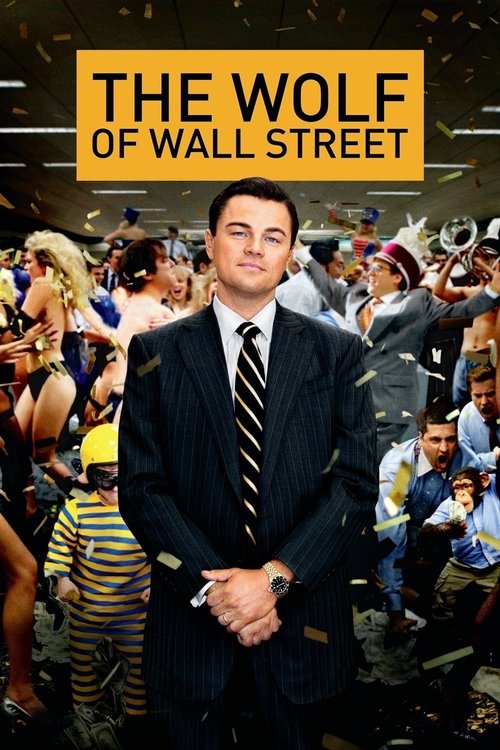
Too Big to Fail2011
A four-hour reckoning with systemic collapse and the men who thought they were immune to gravity. When the financial architecture cracks, individual power means nothing. Quietly furious, impeccably cast, surprisingly moving.
But Docudrama rhythms; no scenes of explosion, just the slow realization that everything is ending. Some viewers find it dry despite the stakes.
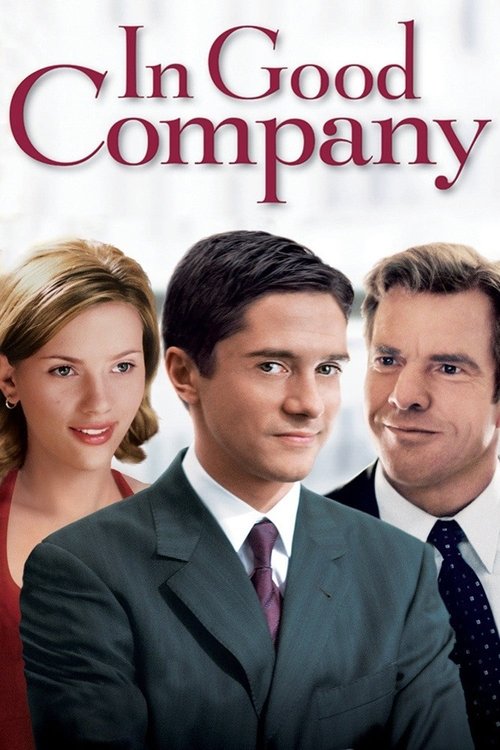
In Good Company2004
Corporate upheaval from the other side—a man losing status and discovering what actually matters. Gentler than Charlie Croker's story, but the shame and recalibration ring true. Dennis Quaid is quietly excellent.
But The tone is reconciliatory rather than critical. If you want harder edges on capitalism, you'll find this too forgiving.
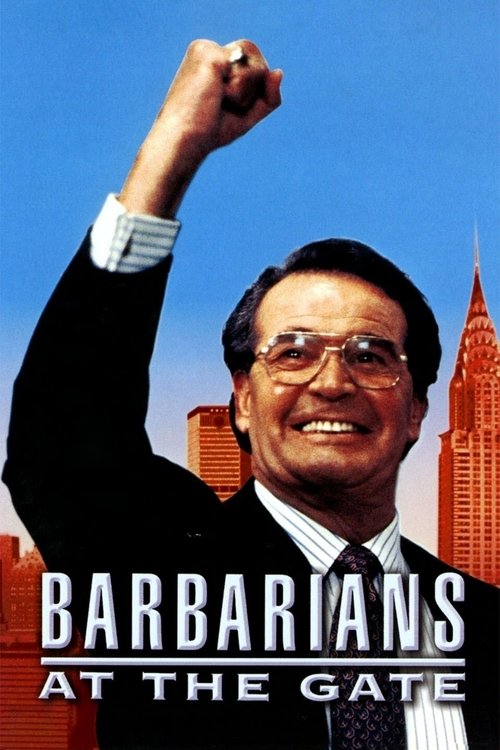
Barbarians at the Gate1993
An earlier, sharper take on money and ego consuming smart people. Based on Nonfiction, it has the authority of fact with the pacing of drama. James Garner and Jonathan Pryce are superb as men who can't stop themselves.
But Made in the nineties; the aesthetic and pacing might feel distant. Less a thriller than a slow anatomy of greed.
Ikiru1952
Both ask what a man becomes when the empire he built is stripped away—and whether there's anything underneath the ambition. One answers yes, one answers no.
Kurosawa's masterpiece about a Japanese bureaucrat discovering meaning as his life collapses. Where Charlie's fall is about ego and institutional power, this is about mortality and the time we waste. Quietly heartbreaking, formally elegant, a different country and cinema entirely.
But Japanese, from 1952, 143 minutes, almost entirely about a man reconciling with his smallness. Modern viewers often find it slow; grief requires patience.

Ozark2017
Both are studies in how ambition and compromise metastasize. But where Charlie's story is about a reckoning he cannot evade, Marty's is about a man who keeps refusing to stop—a mirror image of the same lesson.
Marty Byrde is Charlie Croker's inversion: a man in full who goes deeper into chaos to survive, rather than suffering the consequences of his own reach. Four seasons of escalating pressure, a family unit fracturing, and characters compromised beyond recovery. Exceptional ensemble acting.
But Violent and morally claustrophobic. Every problem gets worse and more brutal; there's no lightness anywhere. The final season divides viewers on whether the ending earns the weight.

People
Cast







Writing
- David E. KelleyCreator
Production
- Danielle RossAssociate Producer
- Amy LibowskyCo-Producer
- Alexandra WolfeExecutive Producer
- David E. KelleyExecutive Producer
- Matthew TinkerExecutive Producer
- Regina KingExecutive Producer
- Reina KingExecutive Producer
- Thomas R. WolfeExecutive Producer
- Thomas SchlammeExecutive Producer
- Shana C. WatermanProducer
- Ted GidlowProducer