
Film
Messidor
Messidor is a Swiss New Wave masterpiece about two women who flee their constrained lives for an open-ended journey through the Alps. Poetic and restless, it captures the intoxication and terror of freedom itself—the moment when escape becomes impossible to reverse. For viewers craving cinema that breathes.
Should you watch it?
Watch it if you like films where two people drifting through the landscape say little and mean a lot, and where the politics seep in sideways rather than shouting from the soundtrack.
Skip it if you want momentum or a clear plot to hold onto; it wanders, talks in circles and runs past two hours, so its patience can wear thin.
What it asks of you: Settle in for just over two hours of long, unhurried takes and quiet exchanges, the darkness arriving slowly and rewarding close attention.
Not sure? Find tonight's pick in a minute.
If you liked this
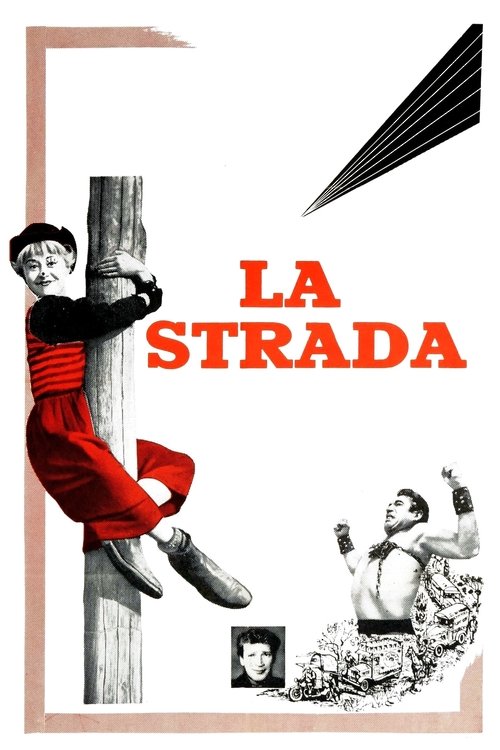
La Strada1954
A spiritual cousin about wanderers on the margins, following a woman and a strongman across Italy in poetic, elegiac frames. Fellini's portrait of displacement and longing resonates with Messidor's own restless energy.
But The pacing is deliberate and melancholic; if you need plot momentum, the emotional register may feel too slow and oblique.
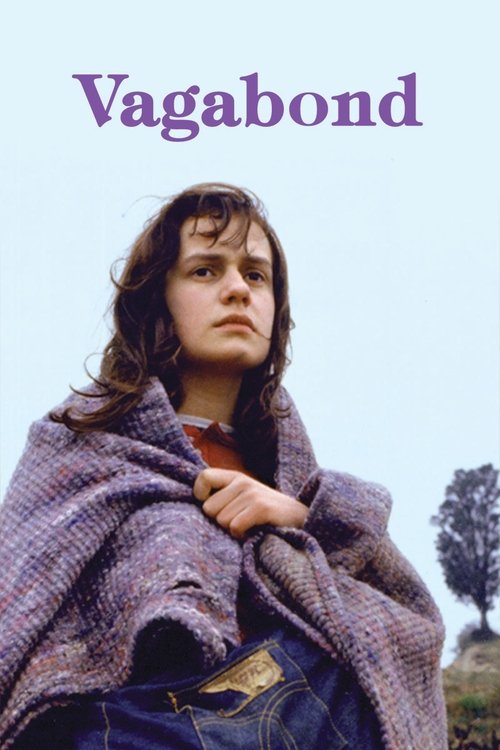
Vagabond1985
Agnès Varda's fierce, methodical film about a drifting woman mirrors Messidor's fascination with female solitude and movement through landscape. Both treat homelessness not as tragedy but as a kind of freedom.
But Vagabond is darker and more brutally observational; there's no romantic shimmer, only the sharp edges of survival.
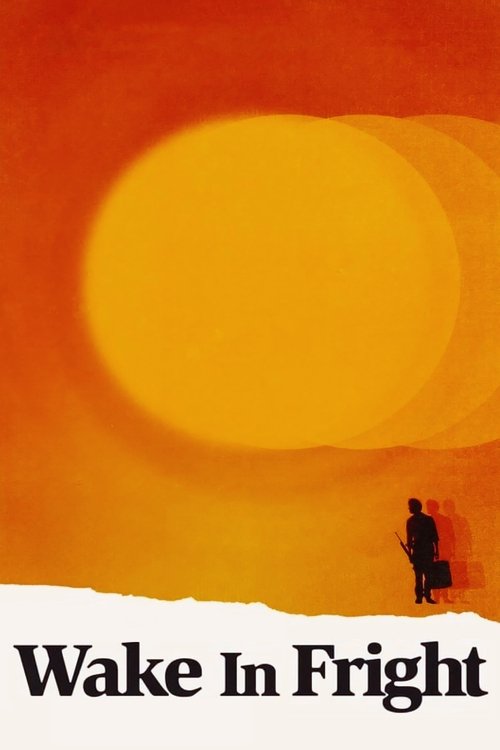
Wake in Fright1971
An Australian desert nightmare about a man unmoored from civilization. Like Messidor, it captures the seductive terror of leaving behind social structures—and the dread of realizing you can't go back.
But This is psychological horror masquerading as realism; much grimmer and more claustrophobic than Messidor's alpine lyricism.
Not sure tonight? Get a pick in a minute, starting from Messidor
The wildcard
Something you would not have found on your own.
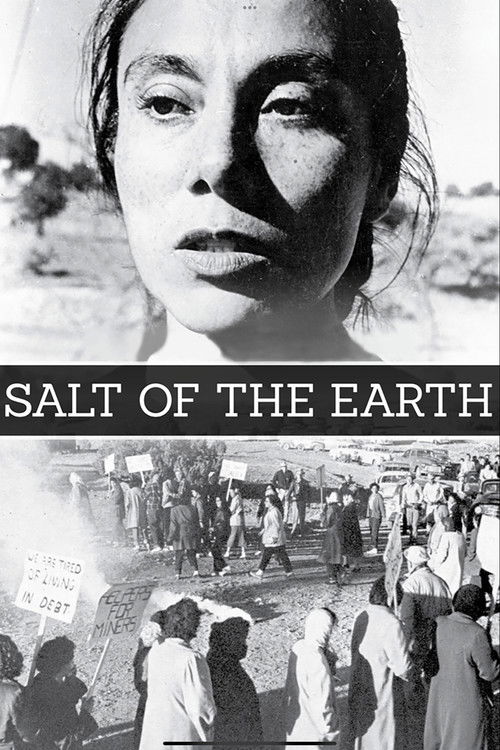
Salt of the Earth1954
Both use landscape and movement to explore what happens when people try to escape the roles assigned to them, only to discover those roles are inseparable from love and survival.
A documentary shot by a woman photographer inside her own marriage to photojournalist W. Eugene Smith. Like Messidor, it tracks two people in intimate proximity across real landscape—but turns the camera inward, forcing both subjects and audience to reckon with who watches whom.
But It's a hybrid form that can feel formally confused; the relationship is genuinely troubled and there are no easy resolutions.
More like this (7)
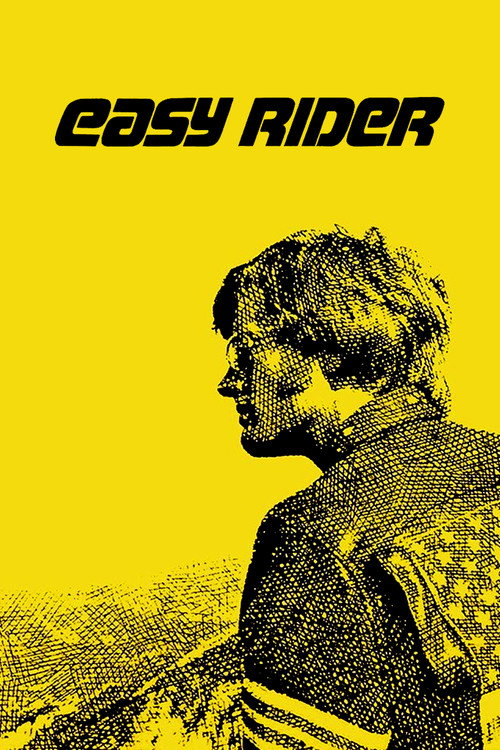
Easy Rider1969
The ur-text of escape cinema. Two riders flee America seeking freedom, discovering that the country won't let them. Shares Messidor's meditation on whether escape is ever truly possible.
But It's been canonized to death and plays very much as a product of its era; the mythologizing can feel dated now.
The Ballad of Little Jo1993
A woman reinvents herself entirely to survive in the Old West frontier. Like Messidor, it's about the possibility of shedding identity—and the terrible cost of that freedom.
But The film's indie aesthetic and gentle pacing won't satisfy anyone looking for conventional western drama or action.

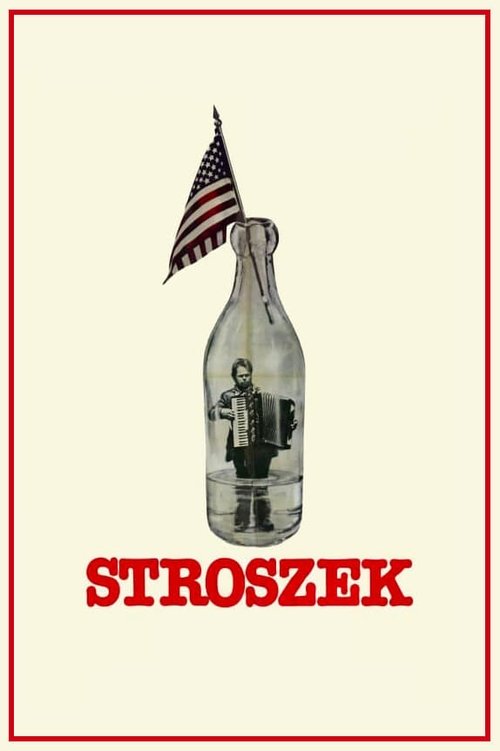
Stroszek1977
Herzog's tragicomic portrait of outsiders searching for sanctuary in America. Both films treat wandering as both salvation and doom, with Herzog's surreal eye complementing Messidor's naturalism.
But Stroszek's eccentricity and Herzog's deadpan humor might feel precious if you're expecting straightforward character drama.
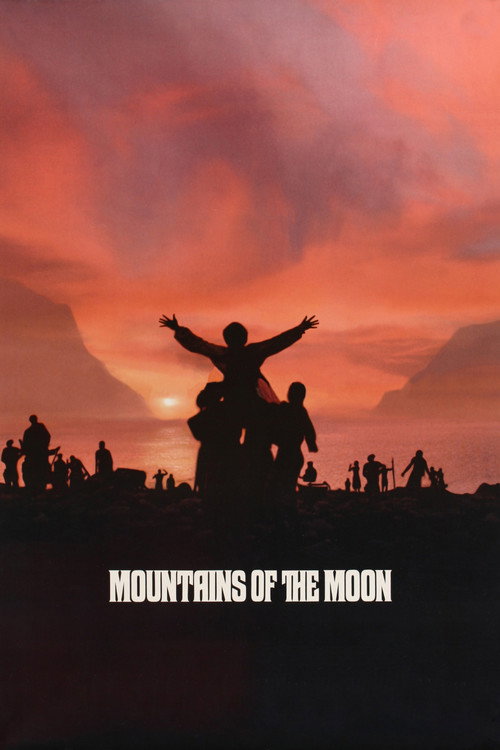
Mountains of the Moon1990
An ambitious, visually sumptuous film about explorers driven by landscape and the desire to transcend ordinary life. It captures the pull of the unknown in ways that echo Messidor's restless energy.
But It's a period adventure, conventional in structure; lacks the intimacy and ambiguity that makes Messidor so unsettling.
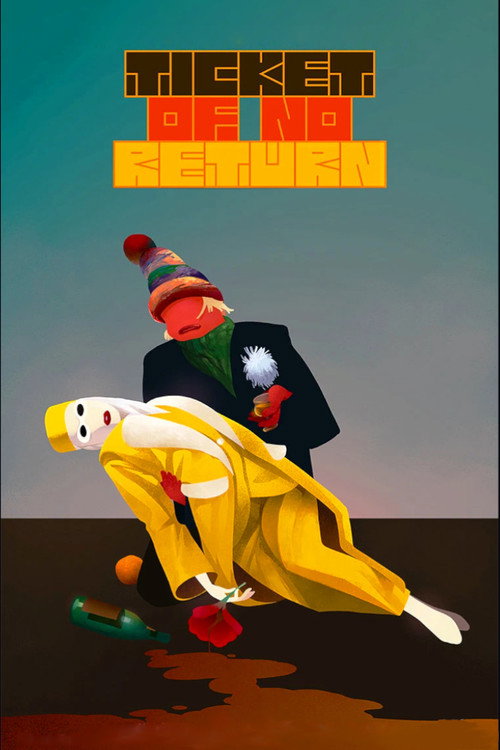
Ticket of No Return1979
Ulrike Ottinger's experimental Berlin Film Festival entry about a woman choosing anonymity and wandering. Conceptually kinetic about female autonomy and the refusal to settle, made the same year as Messidor.
But It's avant-garde and resistant to narrative; purely visual sequences and gender-theory abstraction will alienate viewers seeking conventional storytelling.
Jeanne Dielman, 23, quai du Commerce, 1080 Bruxelles1976
Both were made by women filmmakers in the 1970s examining what 'freedom' means for women, and both arrive at the conclusion that movement and stillness are equally traps.
Chantal Akerman's three-hour portrait of a widow's daily routines: shopping, cooking, sex work. Glacially patient and shockingly radical. Where Messidor is about explosive escape, this is about the violence contained in staying still—two inverse meditations on women's freedom.
But The film is deliberately tedious; watching someone perform domestic labor for an hour will test your patience severely.

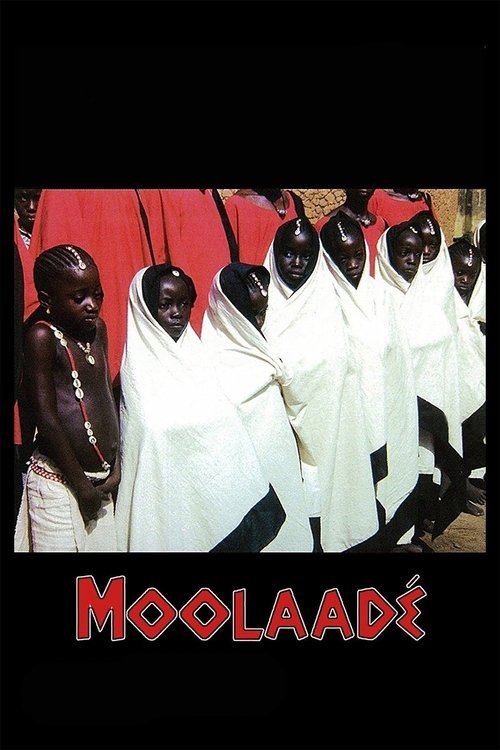
Moolaadé2004
Both use landscape and walking as political acts, asking whether escape is a choice or a necessity, and whether freedom looks the same for everyone.
Ousmane Sembène's final film about women in a Senegalese village who create sanctuary from traditional ritual. Like Messidor, it's about women claiming agency through collective action and geographic defiance—but rooted in postcolonial Africa and the collision between tradition and autonomy.
But The film's didactic register may feel heavy-handed; Sembène privileges message over formal subtlety in ways that require patience.
People
Cast
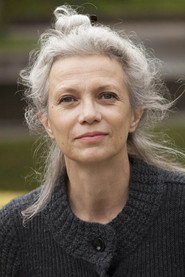 Clémentine AmourouxJeanne Salève
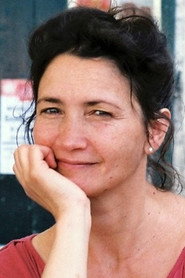 Catherine RétoréMarie Corrençon
Directing
- Alain TannerDirector
Writing
- Alain TannerWriter
Production
- Yves GasserProducer
- Yves PeyrotProducer