
Film
Mountains of the Moon
Bob Rafelson's 1990 epic traces Burton and Speke's obsessive quest to locate the Nile's source, capturing both the grandeur and toxicity of Victorian exploration. It's a sumptuous, intellectually serious adventure that privileges the men's fractured relationship over conventional heroics. Mounted, intelligent, and occasionally uneven—for viewers who want their period dramas complicated and their heroes flawed.
If you liked this
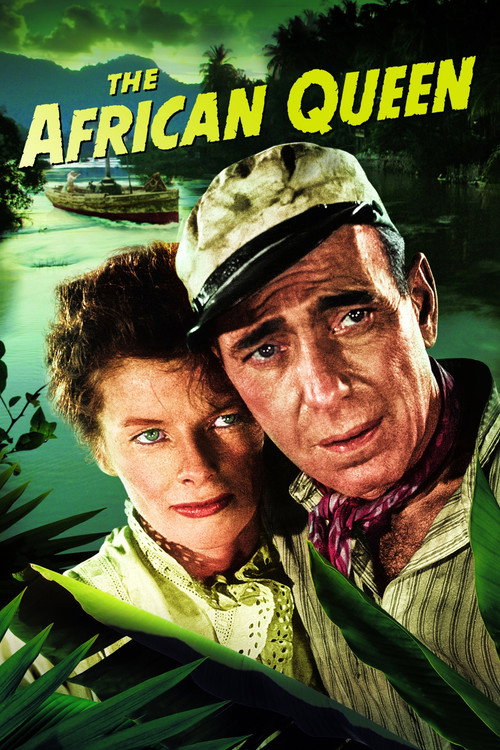
The African Queen1952
Humphrey Bogart and Katharine Hepburn navigate a river journey through colonial Africa with wit and sexual tension. A masterclass in adventure filmmaking that balances action, character, and moral ambiguity without ever feeling stodgy.
But It's from 1951 and moves at a pace that won't rush you. The colonial attitudes, even when critiqued, may feel dated or uncomfortable to modern viewers.
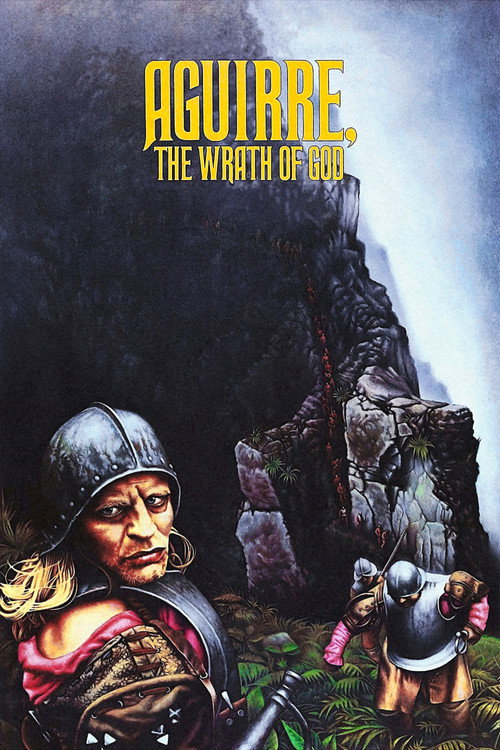
Aguirre, the Wrath of God1972
Werner Herzog's obsessed conquistador chasing El Dorado becomes a fever dream of ambition and madness. Like Mountains of the Moon, it's about men destroyed by the pursuit of discovery, but rawer and far stranger.
But It's deliberately slow, hypnotic, and hallucinatory. If you want conventional narrative momentum, this will frustrate you.
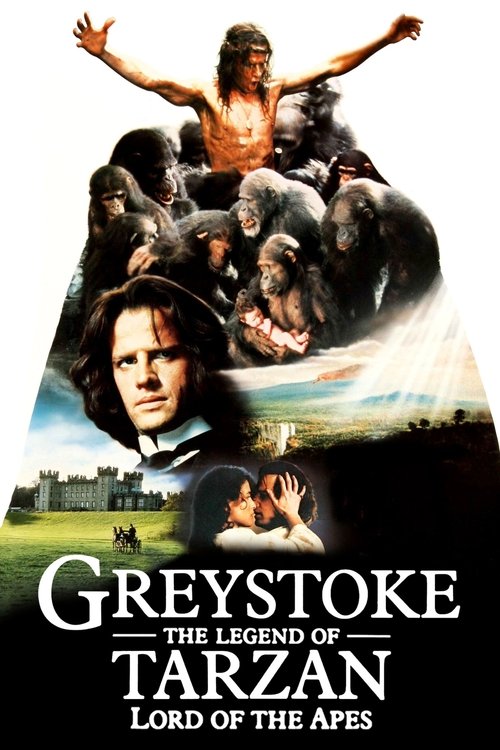
Greystoke: The Legend of Tarzan, Lord of the Apes1984
Hugh Hudson (who directed Chariots of Fire) crafts a surprisingly intelligent, melancholic take on colonial adventure and belonging. It shares Mountains of the Moon's visual ambition and interest in the psychological cost of exploration.
But The ape sequences haven't aged gracefully, and the tonal mix—high adventure meets existential sadness—doesn't always land.
Not sure tonight? Get a pick in a minute, starting from Mountains of the Moon
The wildcard
Something you would not have found on your own.
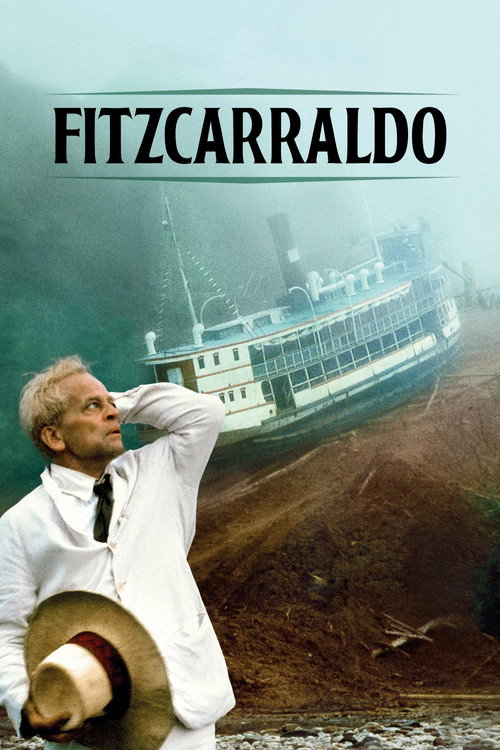
Fitzcarraldo1982
Both films obsess over the pathology of Victorian/European ambition to 'discover' and possess the world. Both suggest that the expedition itself—the grinding, degrading journey—is the truer story than any discovery.
Errol Flynn (or rather Klaus Kinski, channeling something between visionary and madman) drags a steamship over a mountain in the Peruvian Amazon in pursuit of an opera house. It's Werner Herzog's masterpiece about obsession, extraction, and the grotesque grandiosity of European will imposed on the world. Visually, spiritually, and morally in conversation with Mountains of the Moon.
But It's three hours, arduous, and genuinely difficult to watch. Herzog's intentions are serious and uncompromising; it will not coddle you.
More like this (6)
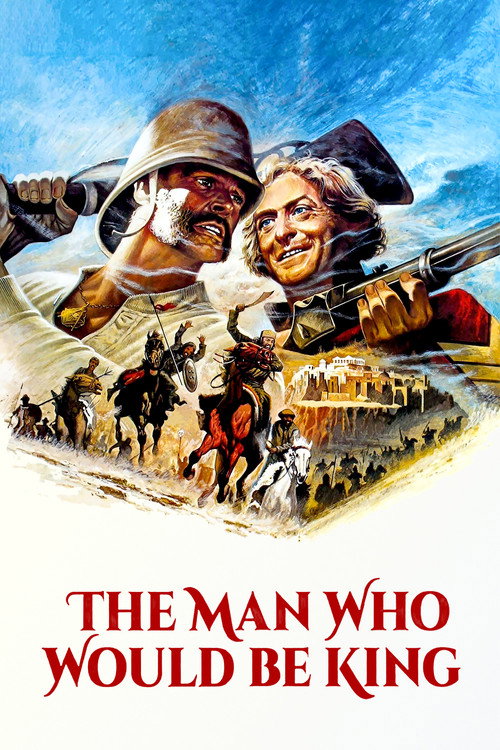
The Man Who Would Be King1975
John Huston's adventure about two con men in India explores friendship, obsession, and the seductive delusion of empire. Connery and Caine crackle, and the film understands how ambition corrodes camaraderie—Burton and Speke's core tragedy.
But It's a period piece with a fairly leisurely first half. The adventure payoff takes patience to reach.
Shōgun2024
A 1980s miniseries about a British navigator in feudal Japan. It shares Mountains of the Moon's fascination with collision between cultures, ambition as liability, and the loneliness of being the outsider pursuing the unknowable.
But It's a product of its era—the pacing and some performances feel dated. Television from this period hasn't always weathered well.

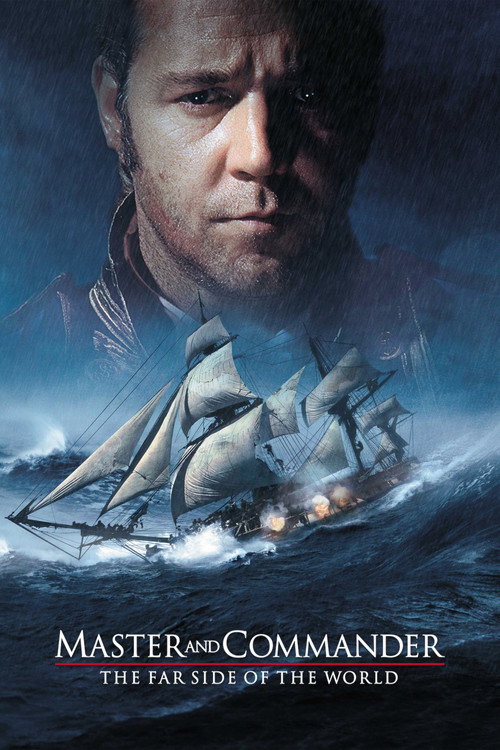
Master and Commander: The Far Side of the World2003
Peter Weir's nautical epic combines intellectual rigor with adventure spectacle. Like Mountains of the Moon, it's about the burden of command, the tension between friendship and mission, and men shaped by their obsessions.
But The naval terminology can feel opaque if you're not invested in the details. Some scenes are murky and hard to parse.
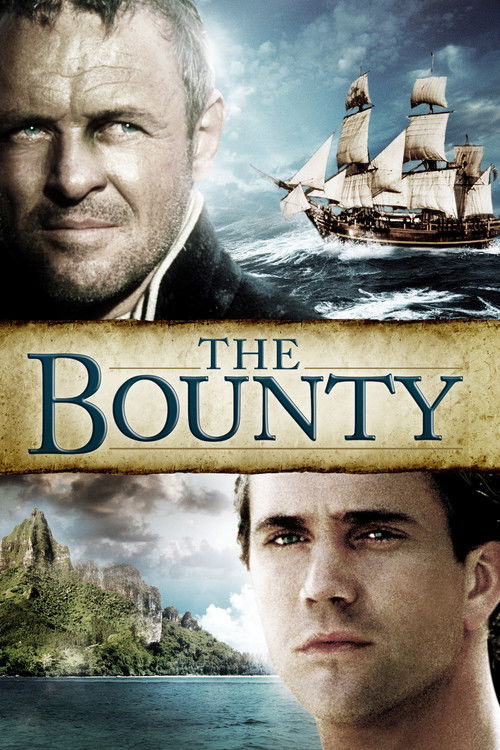
The Bounty1984
Mel Gibson and Anthony Hopkins in a revisionist account of the Bounty mutiny. It's interested in authority, mutiny, and the contradiction between exploration and cruelty—thematically aligned with Mountains of the Moon's darker currents.
But It's less successful than its premise suggests. The performances are occasionally at odds with the film's intentions.
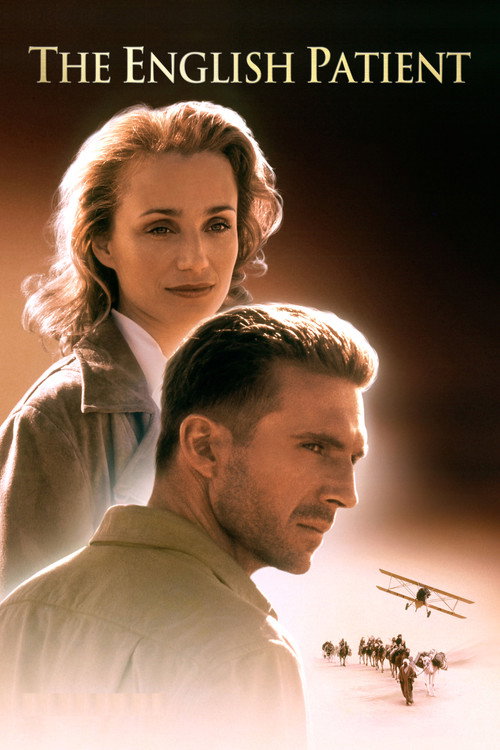
The English Patient1996
Both films understand that exploration is a metaphor for desire itself—the need to map, possess, and name the unknown. Both use landscape and romance as languages for obsession.
Minghella's film (vastly superior to its reputation suggests) frames a wartime romance within the history of North African cartography and exploration. Like Mountains of the Moon, it's genuinely interested in how maps, desire, loyalty, and empire entangle. The cinematography and soundtrack are magnificent.
But It's three hours, lush, and can feel overwrought. Many people find it self-consciously beautiful and emotionally manipulative, and they're not entirely wrong.
Stalker1979
Both films are fundamentally about the *psychology* of seeking rather than the adventure itself. Both suggest that the journey's real destination is internal, and that obsessive pursuit can be spiritually transformative or destructive—or both.
Andrei Tarkovsky's philosophical science-fiction film about a guide leading two men through a mysterious zone toward an unseen room of wishes. It's not historical, but it's profoundly about the human compulsion to seek, to discover, to reach the unreachable. The meditation on what drives men forward is deeper than any literal adventure.
But It's 163 minutes, meditative to the point of stasis, and in Russian. If you're not prepared for Tarkovsky's tempo and abstraction, you'll lose patience quickly.

People
Cast
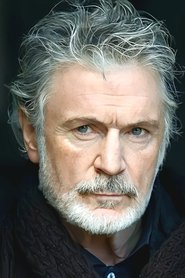 Patrick BerginRichard Burton
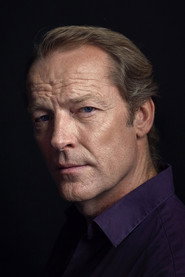 Iain GlenJohn Hanning Speke
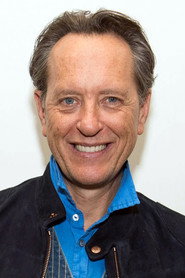 Richard E. GrantOliphant
 Fiona ShawIsabel
 John SavidentLord Murchison
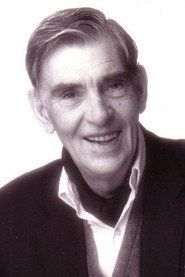 James VilliersLord Oliphant
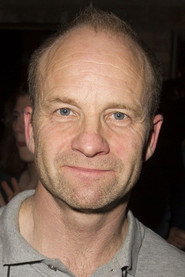 Adrian RawlinsEdward
 Peter VaughanLord Houghton
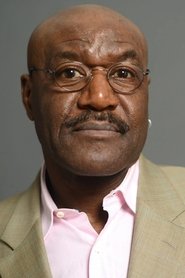 Delroy LindoMabruki
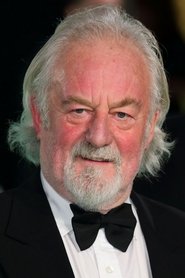 Bernard HillDr. Livingstone
 Matthew MarshWilliam
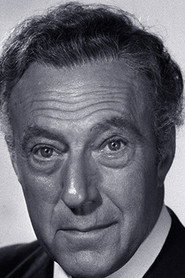 Richard CaldicotLord Russell
Directing
- Bob RafelsonDirector
- Patrick ClaytonFirst Assistant Director
- Angela WhartonScript Supervisor
- Nick LawsSecond Assistant Director
- Tim LewisSecond Assistant Director
Writing
- William HarrisonNovel
- Bob RafelsonScreenplay
- William HarrisonScreenplay
Production
- Chris CurlingAssociate Producer
- Celestia FoxCasting
- Emma StyleCasting Assistant
- Terence A. CleggExecutive In Charge Of Production
- Andrew G. VajnaExecutive Producer
- Mario KassarExecutive Producer
- Hazel CrombieFirst Assistant Accountant
- Beverley KeoghLocal Casting
- Kevin De La NoyLocation Manager
- Noori DehnahiPost Production Coordinator
- Daniel MelnickProducer
- John TrehyProduction Accountant
- Patsy de LordProduction Coordinator
- Beverly WinstonProduction Secretary
- Stephanie ClarkProduction Secretary
- Barbara AllenUnit Production Manager
- Paul ShersbyUnit Production Manager