
Film
Kikujiro
Takeshi Kitano directs and stars as a foul-mouthed, unemployed yakuza type roped into escorting a lonely boy across Japan to find the mother he's never met. It unfolds as a loose string of comic set-pieces and quiet devastations, shot with Kitano's trademark deadpan stillness and scored by Joe Hisaishi's lullaby-like themes. Patient, tender, and much sadder than its slapstick surface lets on.
Should you watch it?
Watch it if you enjoy deadpan comedy that slides quietly into tenderness, where a gruff, selfish man and a stubborn kid bump along loose, episodic roads and the emotion arrives sideways rather than announced.
Skip it if you need a tight plot or steady momentum, since the film wanders through detours and small digressions, and its jokes land in a flat, repeated rhythm that some viewers will find tiring at over two hours.
What it asks of you: It runs about two hours, moves at an unhurried amble, and asks you to sit with awkward silences and odd little episodes while the mood shifts between slapstick and melancholy.
Not sure? Find tonight's pick in a minute.
If you liked this
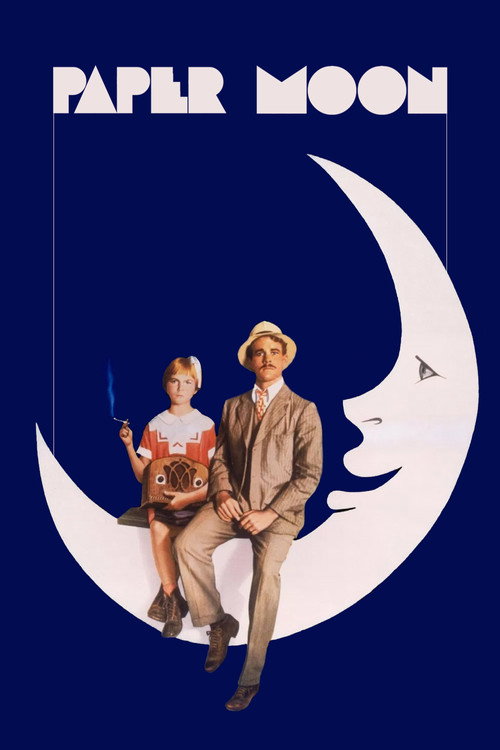
Paper Moon1973
A con man and a sharp-tongued orphan bicker their way across Depression-era America, and the black-and-white photography gives every gag and every silence extra weight. Same bruised-tender chemistry as Kikujiro and Masao.
But Its cynicism is more consistent and less whimsical — the sentiment arrives in smaller, harder doses.
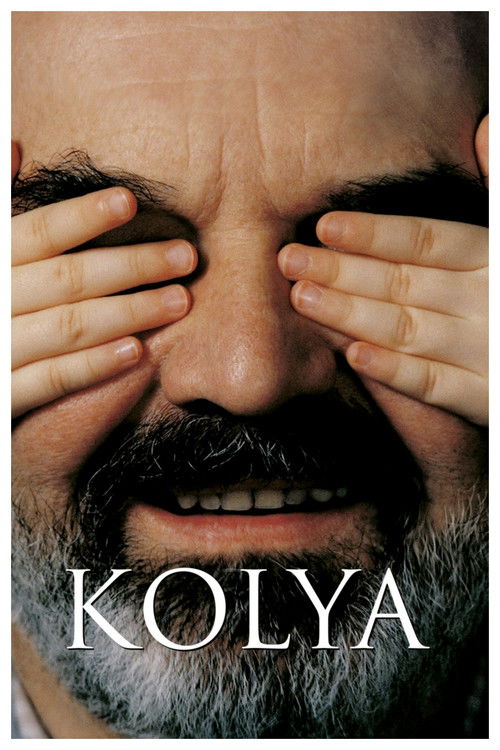
Kolya1996
A gruff, womanising Czech cellist ends up stuck with a small boy he never wanted, and the film finds real warmth without ever pretending the man magically becomes a good person overnight.
But It's gentler and more classically structured — you lose Kitano's stranger, more absurdist detours.
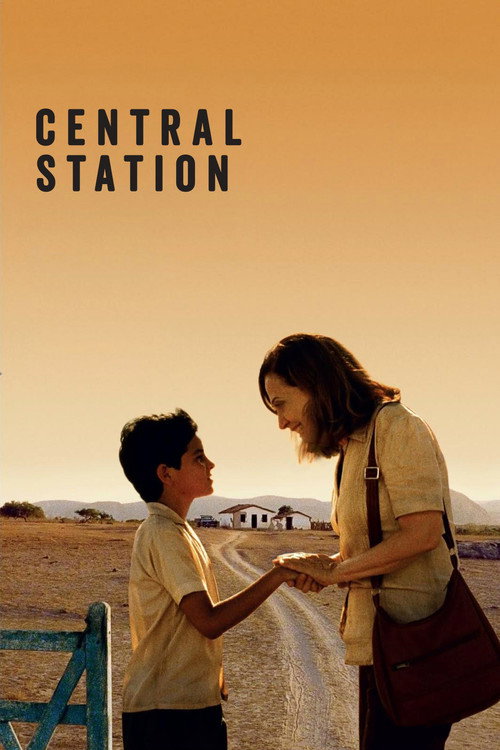
Central Station1998
A bitter former teacher and an abandoned boy travel across Brazil looking for his father, mixing comic bickering with an ache that builds quietly and then floors you.
But More earnest and less jokey throughout — it asks you to sit with sadness rather than laugh through it.
Not sure tonight? Get a pick in a minute, starting from Kikujiro
The wildcard
Something you would not have found on your own.
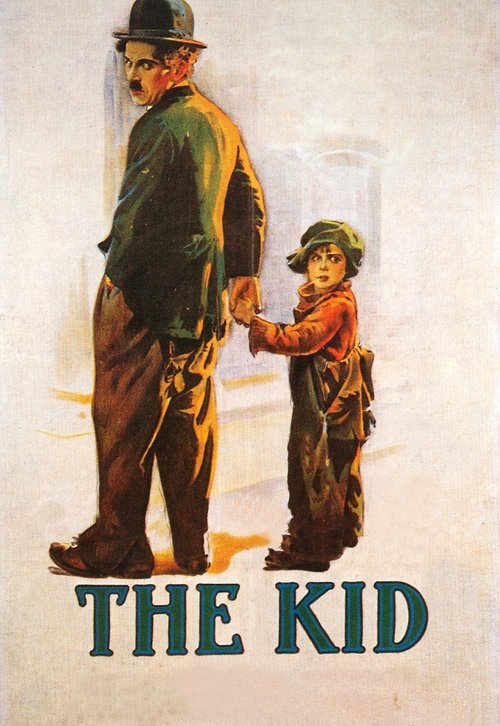
The Kid1921
Kitano is often called Japan's Chaplin, and this is the film that proves it: the same reluctant, clownish man cracking open around a child who isn't his.
Chaplin's tramp finds an abandoned baby and raises him on the street, and the film invented the trick Kikujiro runs on for two hours: slapstick and heartbreak sharing the same scene, sometimes the same shot.
But Silent, and nearly a century old — the pacing and comic vocabulary are from a completely different filmmaking language.
More like this (8)
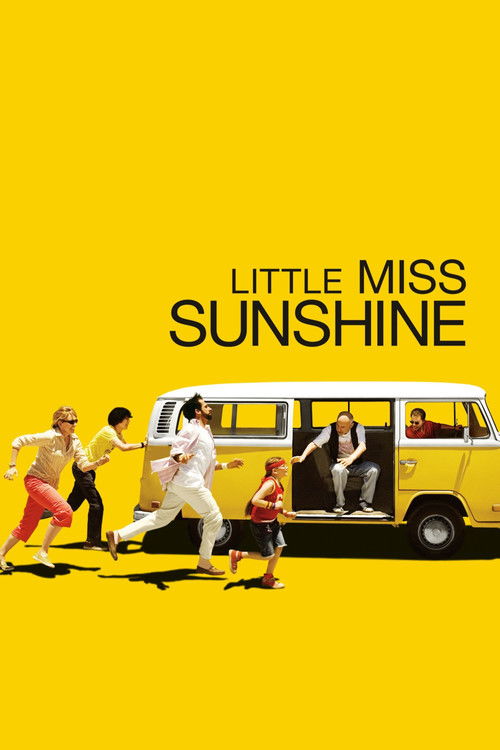
Little Miss Sunshine2006
A broken family crams into a broken-down van, and the film swings from cringe comedy to genuine heartbreak with the same tonal whiplash Kikujiro pulls off.
But Broader, quirkier, more Sundance-indie in its rhythms — less interested in stillness or silence.
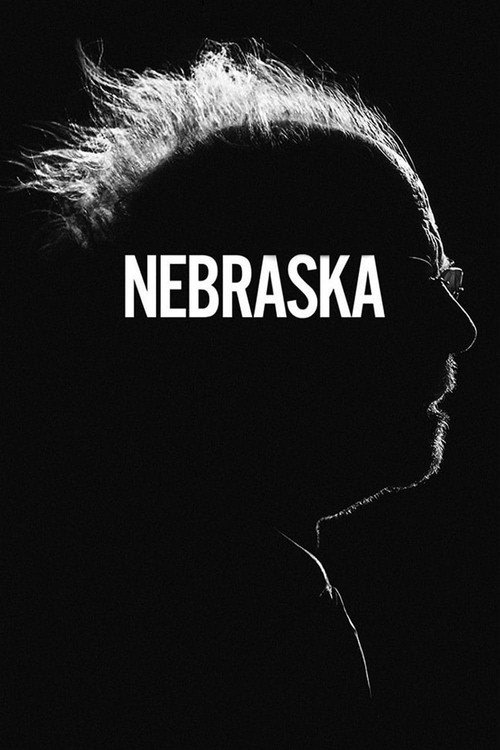
Nebraska2013
A road trip with a stubborn old man and his exasperated son, shot in black-and-white with dry, deadpan humour that keeps sneaking up on real feeling.
But Much drier and more melancholic in tone — the laughs are quieter and further apart.
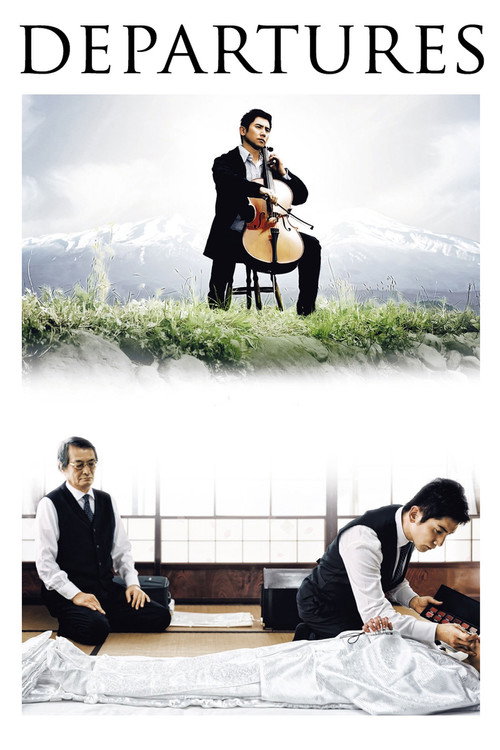
Departures2008
Another Japanese film that treats grief and comedy as neighbours rather than opposites, following a man who stumbles into work preparing bodies for funerals.
But Deals directly with death and ritual — a heavier, more contemplative watch throughout.
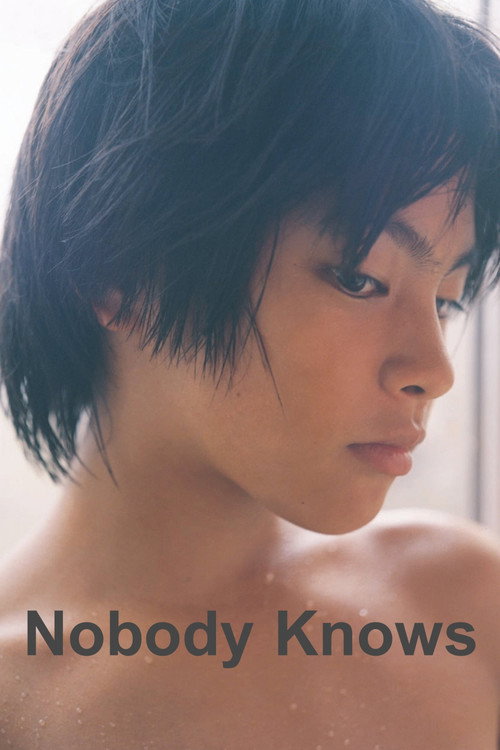
Nobody Knows2004
Kore-eda's devastating true-story-inspired film about children left to fend for themselves shares Kikujiro's interest in what abandonment does to a kid, minus the jokes.
But There's no comic relief here at all — this one is bleak, slow, and genuinely upsetting.
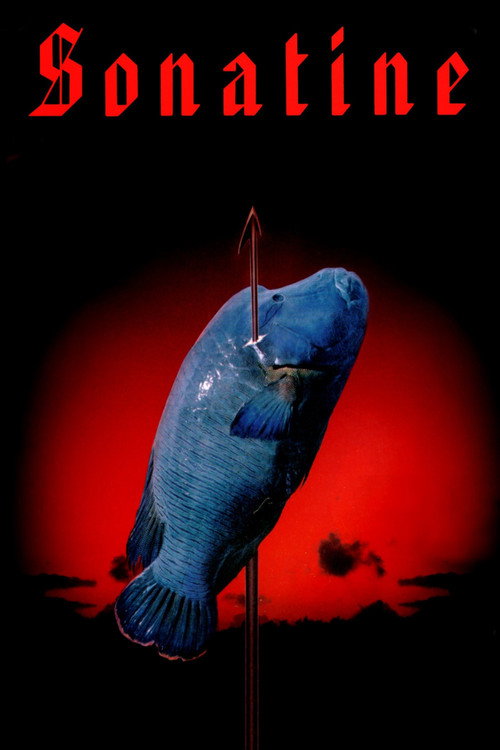
Sonatine1993
Kitano's own earlier film about a burnt-out yakuza boss hiding out with his crew has the same lulling rhythm, sudden violence, and strange tenderness underneath the deadpan.
But Much more of a gangster film — the melancholy comes wrapped in real brutality, not slapstick.
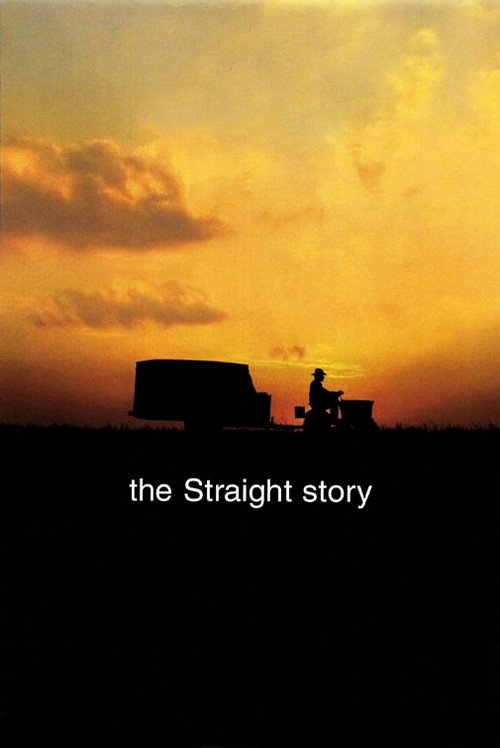
The Straight Story1999
David Lynch's gentlest film, about an old man driving a lawnmower cross-country to see his dying brother, moves at Kikujiro's unhurried pace and trusts small moments to carry weight.
But Almost nothing happens by design — if you wanted more incident along the way, this will test you.
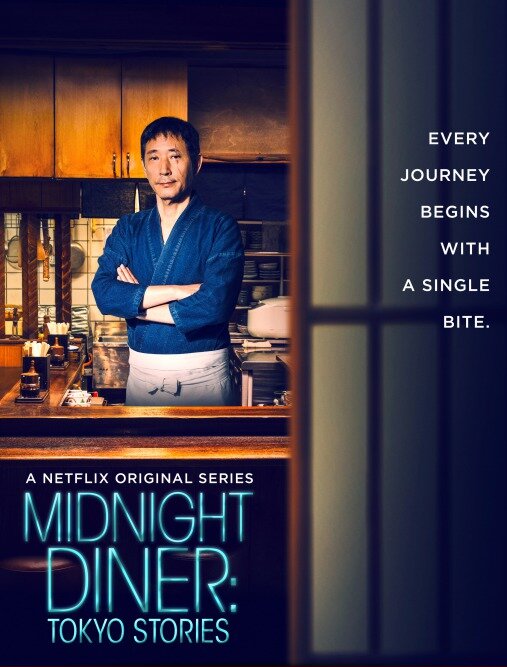
Midnight Diner: Tokyo Stories2016
Same episodic engine as Kikujiro's road trip — a string of odd, self-contained encounters with strangers that add up to something bigger than any single one.
A late-night Tokyo diner cook listens to strangers' small confessions in twenty-minute episodes that swing from funny to quietly devastating, one stranger's story at a time.
But Anthology format means no through-story — some episodes land much harder than others, and it demands patience across seasons.
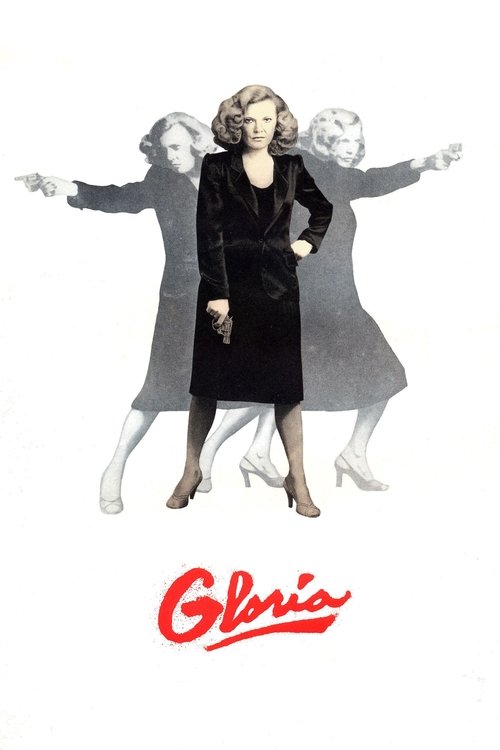
Gloria1980
Same setup as Kikujiro — a former underworld figure saddled with a child they never wanted — pushed into a genre where the stakes are lethal instead of comic.
Gena Rowlands plays a hard-bitten ex-gangster's moll forced to protect a mob-marked kid, and the film is electric, funny in flashes, and never lets the tenderness soften its edges.
But Much rougher and more violent — this is a crime thriller first, and the sentiment is earned through danger, not whimsy.
People
Cast
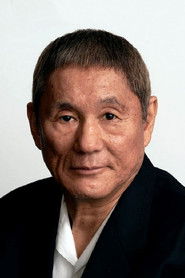 Takeshi KitanoKikujiro
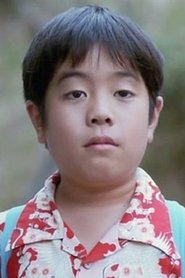 Yusuke SekiguchiMasao
 Kayoko KishimotoKikujiro's Wife
 Yuko DaikeMasao's Mother
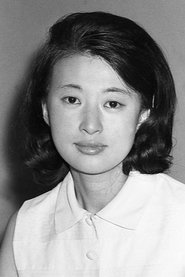 Kazuko YoshiyukiMasao's Grandmother
 Beat KiyoshiMan at Bus Stop
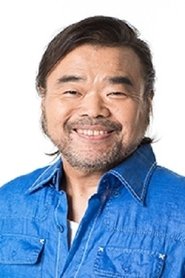 The Great GidayûBiker Fatso
 Rakkyo IdeBiker Baldy
- Nezumi ImamuraAn-chan
 Fumie HosokawaJuggler Girl
 Akaji MaroCrazy Man
 Daigaku SekineYakuza Boss
Directing
- Hiroshi ShimizuAssistant Director
- Takeshi KitanoDirector
Writing
- Takeshi KitanoScreenplay
Production
- Takefumi YoshikawaCasting
- Shinji KomiyaLine Producer
- Masayuki MoriProducer
- Takio YoshidaProducer
- Shinji KomiyaProduction Manager
Recommended by
Stroszek, Detectorists, Paper Moon, What's Eating Gilbert Grape, Supermarket Woman, My Mister, Central Station, C/o Kancharapalem