
Film
Supermarket Woman
A 1996 Japanese comedy-drama about a struggling supermarket manager who reconnects with an old classmate brimming with revitalization ideas. It's a warm, character-driven story about small business survival and second chances, blending workplace comedy with genuine affection for its ordinary characters and their small corner of Tokyo life.
Should you watch it?
Watch it if you like sly, observant comedy about ordinary people fighting over shop-floor details, where the jokes come from precise working routines rather than slapstick.
Skip it if you want fast plot turns or a tidy, escalating caper, since this one takes its time with the daily grind and its comedy is patient, sometimes a little repetitive.
What it asks of you: Just over two hours at an unhurried pace, with attention spent on small talk, store routines and a slow-building humour rather than big set pieces.
Not sure? Find tonight's pick in a minute.
If you liked this
Tampopo1985
Italo Ramen western about obsessive food culture and small-business dreams. Playful, digressive, oddly moving—a spiritual predecessor to this film's blend of commerce and heart with a far wilder sensibility.
But Episodic structure and surreal interludes feel random rather than purposeful to some. Deliberately silly in ways that can feel dated or precious.
Shall We Dance?1996
Another 1996 Japanese gem about ordinary lives transformed by connection and passion. Tender, funny, and genuinely about what it means to want more from your days without abandoning who you are.
But The romance subplot feels predictable if you've seen any similar film. Slower pacing than Western audiences typically expect.
Tokyo Story1953
Ozu's masterpiece about time, family, and the small joys that make life worth living. If you love quiet observation of ordinary people and their unspoken bonds, this is the ancestor of everything Supermarket Woman admires.
But Glacially slow and deliberately static—nearly three hours of people sitting down. Not a story that moves; it's a mood you sink into or don't.

Not sure tonight? Get a pick in a minute, starting from Supermarket Woman
The wildcard
Something you would not have found on your own.
The Godfather Part III1990
Both are fundamentally about succession and the ache of trying to hand something meaningful to the next generation; both treat business as a human endeavor, not a backdrop.
Yes, really—it's about an aging businessman trying to pass his small empire to the next generation and achieve legitimacy through business reform. Same DNA of paternal legacy, corporate struggle, and the question of what you leave behind.
But Three-hour mafia epic with violence and crime. Completely different register and stakes from a supermarket comedy, which is precisely what makes it work as a wildcard.
More like this (8)
Jiro Dreams of Sushi2011
Documentary meditation on obsession, craft, and legacy in a tiny Tokyo restaurant. Same spirit of reverence for humble workplaces and the people who dedicate themselves to small perfections.
But Repetitive in structure and hyperfocused on one man's philosophy. Can feel more like visual essay than narrative.
Ramen Shop2018
A Singaporean-Japanese co-production about a man who opens a ramen shop to honor his late father. Quiet meditation on inheritance, food, and community that shares this film's warmth and patience.
But Very slow, minimal plot. Relies entirely on mood and emotional restraint—if you need momentum, you'll feel stranded.
After Life1999
Hirokazu Kore-eda's debut about a way station where people choose one memory to take to the afterlife. Same tender interest in ordinary lives and what makes them worth preserving.
But Structured as vignettes rather than a continuous story. Deliberately modest in scope and emotion—some find it too gentle.
Kikujiro1999
Takeshi Kitano's rare comedy about an unlikely friendship between a grumpy old man and a lonely boy. Balances humor with genuine pathos; finds dignity in small gestures and small people.
But Tonal shifts between comedy and sadness feel abrupt. Kitano's detached directorial style can read as cold.
Woman in the Dunes1964
A man trapped in a sand pit with a widow—an absurdist parable about work, routine, and the strange comfort of futile labor. Darkly philosophical but mesmerizing about what binds people to their daily struggles.
But Genuinely strange and claustrophobic. The metaphorical tone alienates viewers wanting straightforward narrative.

Late Spring1949
Another Ozu masterwork: a father and daughter living contentedly together until change forces itself on them. Breathtakingly subtle about love expressed through silence and shared meals.
But Nearly plotless; the emotional weight comes from what isn't said. Demands patient, attentive watching.
Synecdoche, New York2008
Both are about ordinary people constructing elaborate structures (supermarket, theater) as a way to impose order on chaos and create connection.
Charlie Kaufman's dizzy, devastating film about a theater director creating an increasingly elaborate replica of his life. Absurdist and heartbreaking about small people building empires of meaning from nothing.
But Narratively chaotic and deliberately confusing; shifts between registers constantly. More of a fever dream than a story.

The Ballad of Little Jo1993
Both center on an outsider who enters a skeptical community and earns respect through competence, hard work, and genuine care for people around them—acceptance earned rather than given.
A woman in 1880s Wyoming passes as a man to survive as a rancher—a revisionist Western that's actually about self-invention and community building among misfits. Spare, true, quietly radical.
But Slow period Western with a deliberately unglamorous tone. Not a conventional Western if you're expecting adventure or action.

People
Cast
 Nobuko MiyamotoHanako Inoue
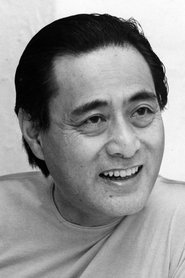 Masahiko TsugawaKobayashi Goro
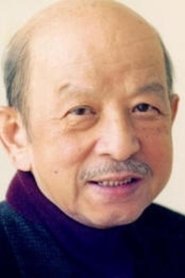 Sen YanoKikuni
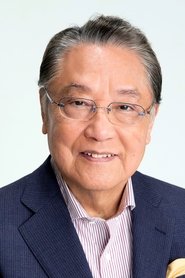 Shirō ItōCompany President
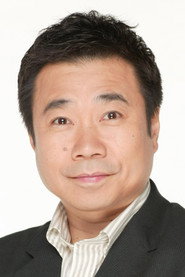 Yuji MiyakeKiyo
 Hikaru IjūinFresh Fish Department Assistant
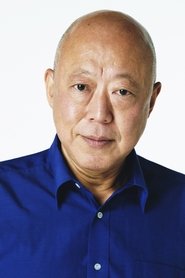 Naomasa MusakaButcher Department Chief
 Akiko MatsumotoIkuyo
- Takejyo AkiMaterial Department Chief
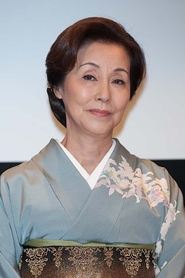 Yoko NogiwaVisitor
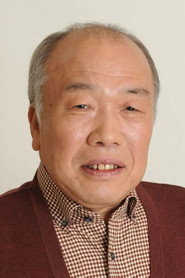 Mansaku FuwaScrap Meat Contractor
- ShinoburyûSalesclerk
Directing
- Jūzō ItamiDirector
Writing
- Jūzō ItamiScreenplay
Production
- Takashi KawasakiProducer
- Yasushi TamaokiProducer