
Film
Ramen Shop
A quiet, food-centered film about a young Japanese ramen chef who travels to Singapore after his father's death, carrying his mother's journal. It's meditative rather than dramatic—more interested in the slow unfurling of family secrets through flavour and conversation than in plot mechanics. For anyone who finds cinema in small moments and believes that a bowl of noodles can hold a lifetime.
Should you watch it?
Watch it if you are drawn to quiet family dramas where food carries the emotional weight, and you like watching a stranger's life unfold slowly through small rituals, meals and half-spoken regrets.
Skip it if you want brisk plotting or a clear sense of where things are going; this moves at an unhurried pace, and its emotional beats land softly rather than with big dramatic swings.
What it asks of you: Ninety minutes of patience with long, still scenes and gentle observation. It rewards attention to details like a bowl being prepared or a glance held a beat too long.
Not sure? Find tonight's pick in a minute.
If you liked this
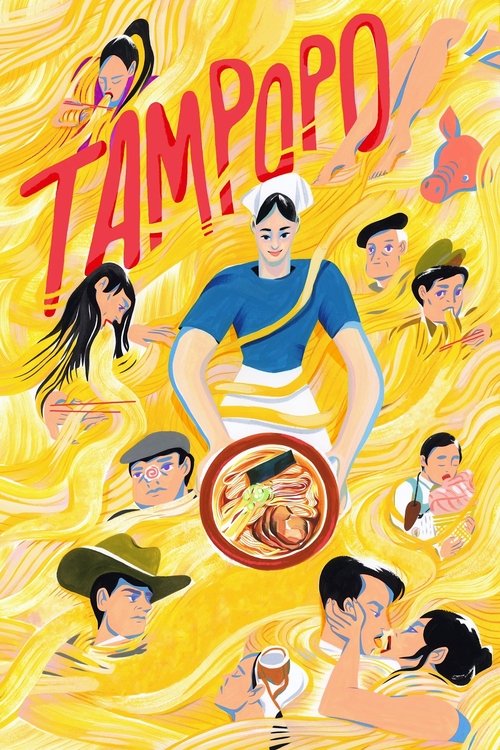
Tampopo1985
A Japanese film that treats ramen as a path to self-discovery and human connection, mixing comedy, tenderness, and genuine philosophy about food and obsession.
But Deeply eccentric and formally playful in ways that can feel chaotic; it's more concerned with vignettes and mood than narrative momentum.
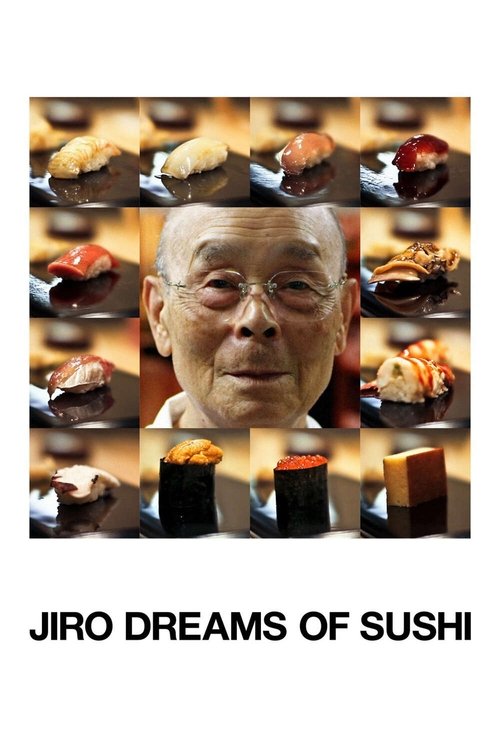
Jiro Dreams of Sushi2011
A documentary that finds profound beauty in mastery, repetition, and the pursuit of perfection through a single craft. Quietly philosophical about legacy and purpose.
But Entirely observational with minimal plot; if you need external conflict or dramatic stakes, you'll find the pace glacial.
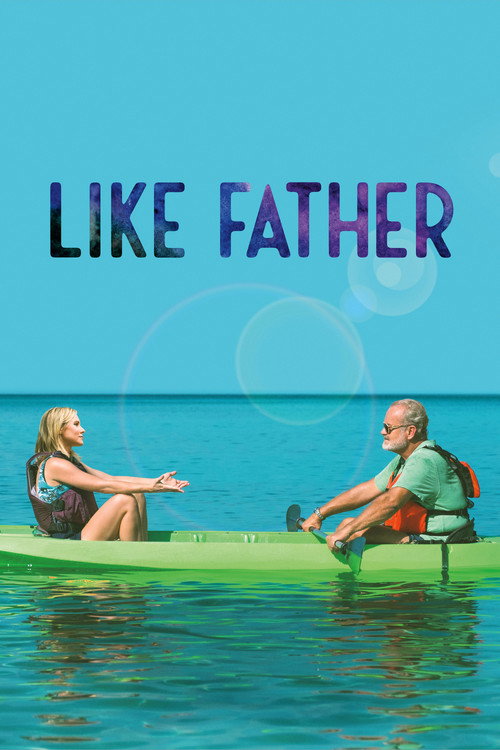
Like Father2018
A tender film about reconciliation through shared meals and the unspoken language between parents and children. Similar quiet emotional register and faith in cooking as communication.
But The emotional journey is subtle and internal; if you prefer explicit character arcs and payoffs, this will feel thin.
Not sure tonight? Get a pick in a minute, starting from Ramen Shop
The wildcard
Something you would not have found on your own.
In the Mood for Love2000
Both films treat visual and sensory detail—especially domestic spaces and food—as the primary language of emotion. Both are about characters caught between homes, speaking through implication rather than confession.
Wong Kar-wai's masterpiece about yearning and displacement uses food, colour, and space to convey what characters cannot say. Like Ramen Shop, it understands that the deepest feelings live in the spaces between words.
But Deliberately slow and formal; the beauty is abstract and requires patience. Some find it impossibly mannered and distant.

More like this (7)
The Farewell2019
Centres on family secrets, cultural displacement, and the spaces between what's said and what's felt. Uses intimate moments to explore belonging and identity.
But More comedic and plot-driven than Ramen Shop; its approach to emotion is lighter and less contemplative.

Café Society2016
A bittersweet exploration of family, longing, and the gap between how we imagine our lives and how they unfold. Visually lush and emotionally restrained.
But Deliberately nostalgic and wistful; some find Woody Allen's tone insufferably self-pitying, and this film indulges it.

A Separation2011
An intimate family drama that trusts the audience to sit with moral ambiguity and unresolved pain. Shows how everyday conversations can contain everything.
But Entirely dialogue-driven and emotionally taxing; it builds tension through conversation rather than incident, which exhausts some viewers.

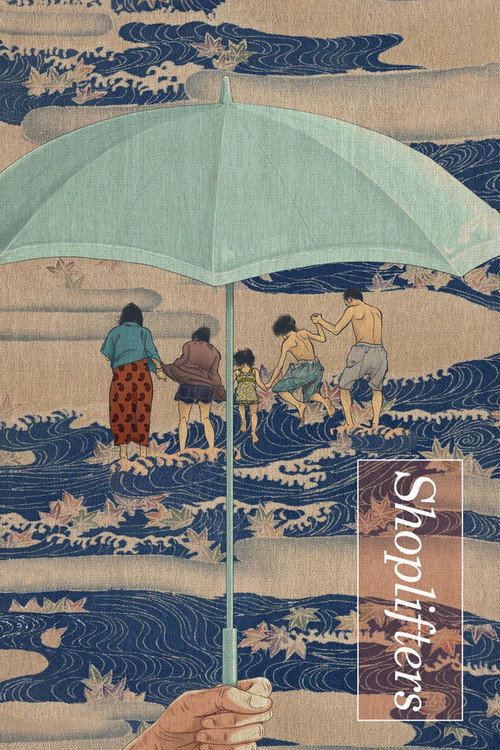
Shoplifters2018
A film about makeshift family, belonging, and how people construct meaning in small, ordinary interactions. Humanizing and deeply observed.
But The tonal shifts between comedy and tragedy can feel jarring; some find the sentimentality undermines the social critique.
Paterson2016
Celebrates the poetry in routine and the weight of small, ordinary failures. A meditation on art, purpose, and acceptance delivered through a bus driver's ordinary life.
But Virtually nothing happens; if you need forward momentum or external conflict, this patient, repetitive film will feel pointless.

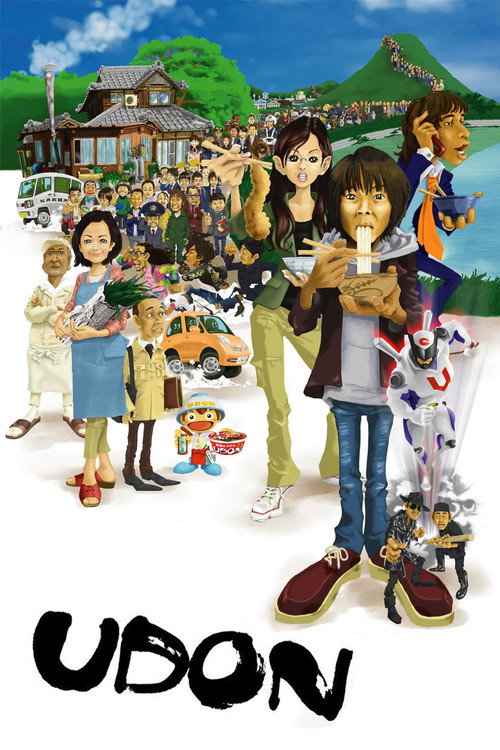
Udon2006
Both are specifically about sons reconnecting with their identity through their mother's culinary legacy. Both use regional noodles as the literal and emotional centre of the story.
A Japanese film that weaves personal grief and family estrangement through the ritual of cooking and eating noodles. Quieter than it sounds, with genuine emotional weight beneath its food-film surface.
But Structurally meandering; it prioritises mood and digression over traditional narrative resolution, which tests patience.
Harakiri1962
Both films centre on a son processing his relationship to his father's memory and the culture that shaped him. Both use constraint and formality to express what cannot be spoken aloud, and both find profound humanity in that silence.
A severe, beautiful black-and-white film about family, honour, and the spaces where society fails individuals. Visually extraordinary and emotionally devastating—a completely different register, but shares the film's meditation on legacy and loss.
But Bleak and deliberately formal; it's a samurai film structured as tragedy, not comfort. Demands emotional and intellectual commitment.

People
Cast
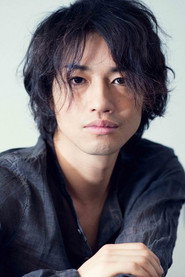 Takumi SaitohMasato
 Seiko MatsudaMiki
 Jeanette AwMei Lian
 Tsuyoshi IharaKazuo
 Mark LeeAh Wee
 Tetsuya BesshoUncle Akio
 Beatrice ChienMadam Lee
 Gisele ChiamAh Wee's Younger Daughter
- Keisuke TakedaKeisuke
Directing
- Eric KhooDirector
- Hiroyasu KitagawaFirst Assistant Director
- Sabrina PoonScript Supervisor
Writing
- Tan Fong ChengScreenplay
- Wong Kim HohScreenplay
Production
- Eric Le BotCo-Producer
- Hideki AkiyoshiCo-Producer
- Masa SawadaCo-Producer
- Bert TanExecutive Producer
- Lim TeckExecutive Producer
- Yutaka TachibanaExecutive Producer
- Huang JunxiangProducer
- Tan Fong ChengProducer
- Yutaka TachibanaProducer
Recommended by
The Donut King, Supermarket Woman, Midnight Diner: Tokyo Stories, Kodoku no Gurume, Midnight Diner