
Film
Udon
A 31-year-old returns to his small Japanese hometown in humbled defeat after failing to make it in New York, only to discover that the humble udon noodle—and the community built around it—holds unexpected meaning. A warm comedy-drama about homecoming, ambition, and finding richness in what you thought was ordinary.
If you liked this
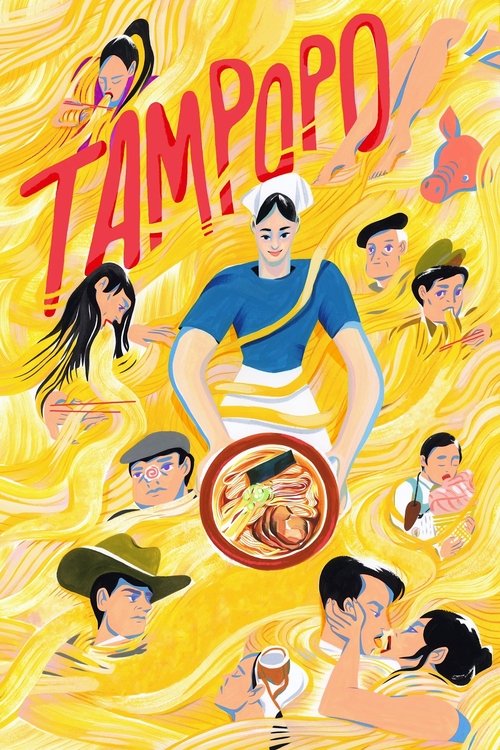
Tampopo1985
Juzo Itami's cult classic ramen western that finds cosmic significance in noodles and community. Surreal, tender, and endlessly inventive—it's *Udon*'s spiritual ancestor, equally convinced that food and belonging are inseparable.
But The tone ricochets wildly between absurdist comedy and near-documentary. Some sequences feel like non-sequiturs, and the pacing can feel deliberately disjointed.
Chef2014
Jon Favreau's love letter to cooking and second chances. A man rebuilds his life and identity through food, rediscovering what matters—same heartbeat as *Udon*, executed with warmth and genuine appetite.
But It's essentially a food-truck road movie, so if you're not moved by the aesthetics of cooking and friendship, the plot is slim and sentimental.

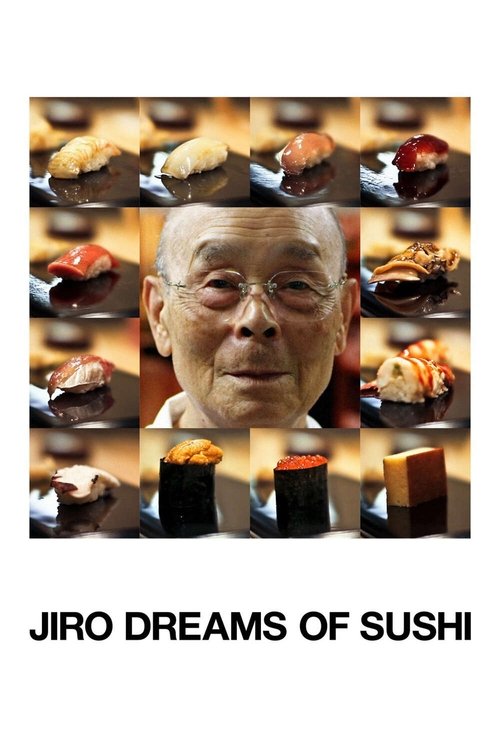
Jiro Dreams of Sushi2011
A documentary about obsessive mastery and finding meaning in one perfect thing. Utterly still and meditative, it shares *Udon*'s philosophy that humble craftsmanship and place contain profound beauty.
But It's a quiet, philosophical documentary with no dramatic arc. Some find it glacially paced; others find it contemplative. You need to be ready for that register.
Not sure tonight? Get a pick in a minute, starting from Udon
The wildcard
Something you would not have found on your own.
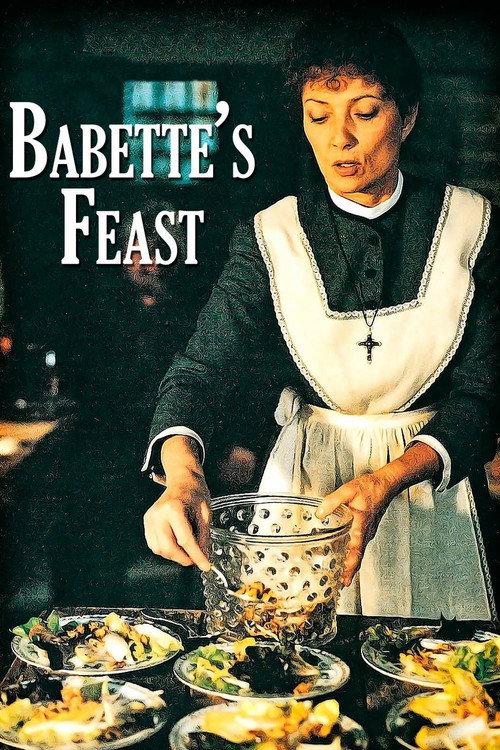
Babette's Feast1987
Both films locate redemption not in leaving home but in recognizing what home offers. They find the sacred in the everyday and nourishment as a form of belonging.
A French chef secretly prepares an extravagant feast for an austere Danish religious community. Like *Udon*, it understands that food is love made visible, and that generosity can quietly transform a place from within.
But It's meditative and religious in register—slow, formal, almost ceremonial. Expect no plot; it's a fable about grace, and if that language doesn't move you, it'll feel empty.
More like this (8)
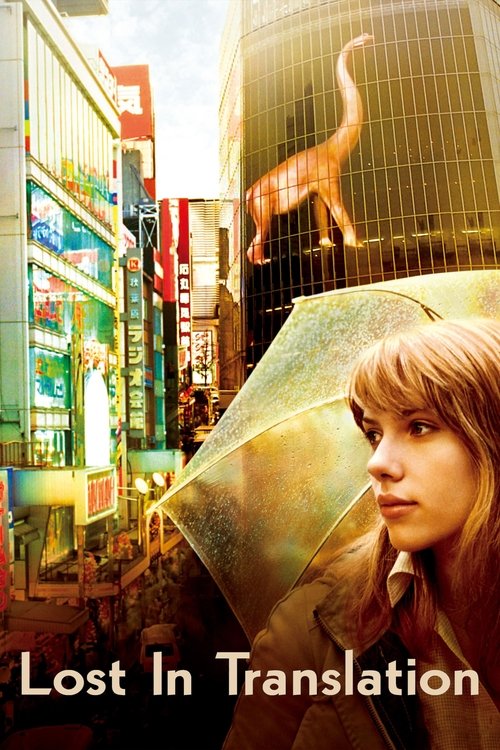
Lost in Translation2003
Sofia Coppola's meditative film about alienation and finding solace in small moments and strangers. The same wistful longing for connection, the same belief that beauty lives in ordinary things and places.
But Deliberately paced to feel aimless. It's mood-driven, not plot-driven, and some find it precious or deliberately obscure rather than moving.
Sideways2004
Two men adrift in their lives find redemption through wine, place, and friendship. It's funny, grounded, and genuinely moving about disappointment and the richness hiding in where you actually are.
But The protagonist is deeply unlikeable for much of the runtime, which some experience as uncomfortable rather than compelling. It's also fairly male-centric and occasionally lecherous.

Shall We Dance?1996
A Japanese drama about a middle-aged man rediscovering passion and aliveness through an unexpected door. Like *Udon*, it's about finding vitality in your own life rather than chasing elsewhere.
But The pacing is deliberate and the emotional stakes are internal rather than action-driven. Some find it slow; it rewards patience over momentum.

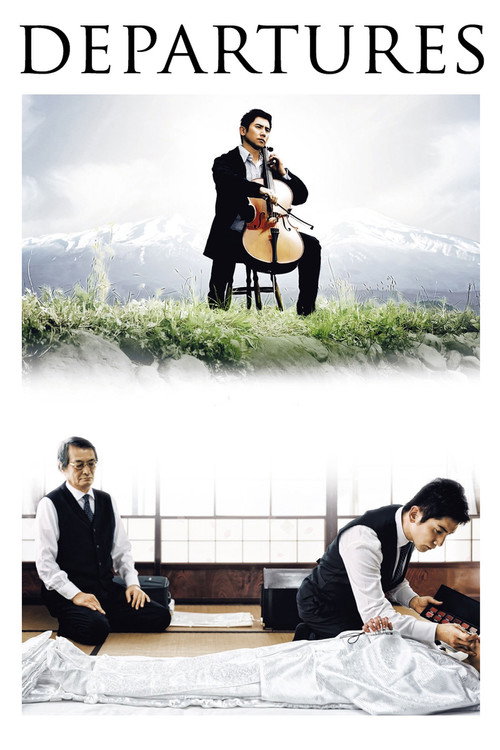
Departures2008
A man returns to rural Japan after failure in the city and finds unexpected dignity in an unconventional job. Beautifully shot meditation on grief, community, and meaning found close to home.
But The central profession (preparing the dead) is genuinely heavy and sometimes maudlin. It's less comedy than *Udon*; the tone can feel heavy-handed about its own earnestness.
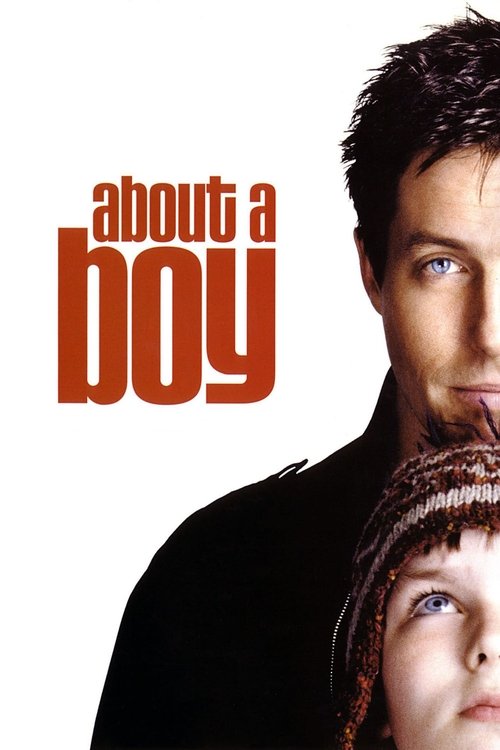
About a Boy2002
A cynical man drifts until he finds unexpected kinship and purpose through community. Funny and warm without being saccharine, it shares *Udon*'s belief that connection salvages everything.
But The romantic elements feel tacked on and conventional. Some of the whimsy can read as studied or trying too hard to be endearing.
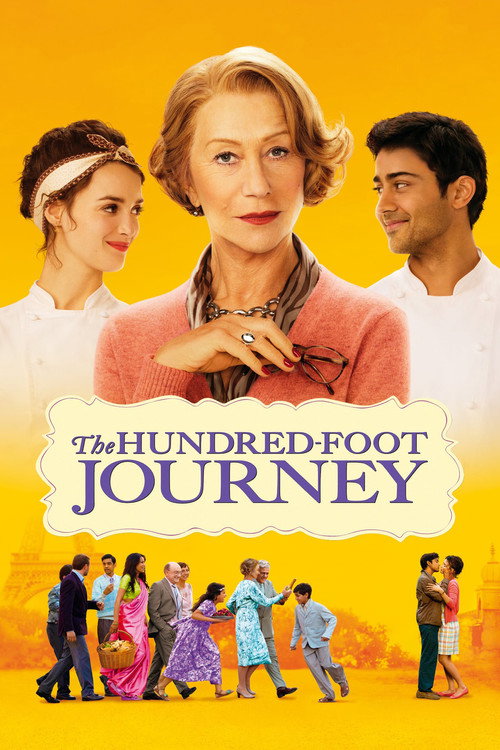
The Hundred-Foot Journey2014
A refugee family opens a restaurant near a French widow's establishment; food and proximity gradually bridge their divide. It's slight but sincere about how cooking and cuisine bind disparate people.
But Aggressively earnest and pat—every conflict resolves too neatly. It's a Hallmark premise executed with little edge or genuine friction, more wish-fulfillment than realism.
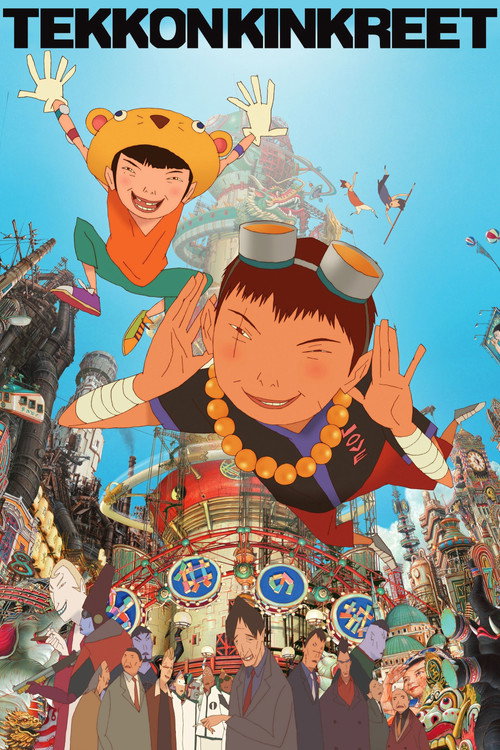
Tekkonkinkreet2006
Both films insist that place itself—the specific geography where you belong—deserves loyalty and care. They resist the narrative that departure equals growth.
A gorgeously animated Tokyo set piece about two orphaned boys protecting their neighborhood from development. Visually dazzling, simultaneously tender and fierce—a city (like a town) worth defending matters.
But It's anime, and the plot is less important than mood and texture. The ending is oblique and the violence can be jarring. It prioritizes atmosphere over narrative clarity.
Le Week-End2013
Both refuse the idea that ambition and travel equal fulfillment. They ask what satisfaction actually looks like when the dream was false, and find it in stubborn presence rather than escape.
Roger Michell's film about an older couple in Rome testing their marriage. Beautifully acted, it finds genuine wisdom and melancholy in people reassessing what actually matters as time narrows.
But It's a chamber piece about marital friction with no resolution. If you want narrative satisfaction or character arcs that resolve, you'll leave frustrated. It's about stasis, not change.

People
Cast
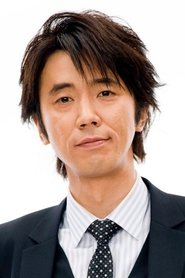 Yusuke SantamariaKosuke Matsui
 Manami KonishiKyoko Miyagawa
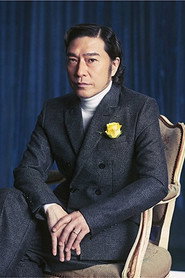 Tortoise MatsumotoShosuke Suzuki
 Kyoka SuzukiMari Fujimoto
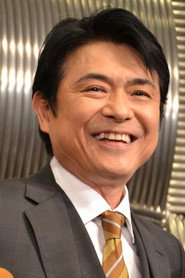 Takeshi MasuMasanori Otani
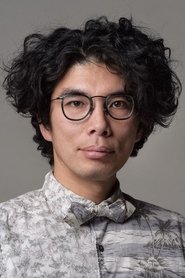 Jin KatagiriKenjiro Mishima
 Jun KanameKazuya Aoki
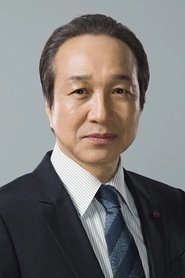 Fumiyo KohinataRyoichi Fujimoto
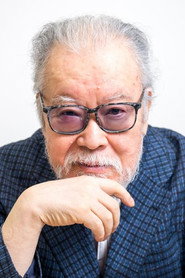
 Katsumi KibaTakutomi Matsui

Directing
- Katsuyuki MotohiroDirector
Writing
- Masashi TodayamaWriter