
Film
Tekkonkinkreet
Tekkonkinkreet is a kinetic hand-drawn animation about two orphan brothers defending their crumbling city against development and corruption. It's visually stunning—hypnotic, sometimes surreal—and operates equally as a love letter to urban scrappiness and a meditation on childhood bonds. Bleak but never hopeless. For anyone who cares about animation as an art form.
Should you watch it?
Watch it if you love animation that trades in kinetic, graffiti-bright street chaos and a bond between two damaged kids that feels raw rather than sentimental, the way Akira's city feels alive through its rhythm.
Skip it if you need a clear plot to follow, since the story leans on mood, dense visual noise and feverish set pieces, and some of the brutality sits uneasily against the playful look.
What it asks of you: It runs about an hour and forty minutes and rarely pauses, so you need to surrender to its restless motion and absorb a lot of color and movement at once.
Not sure? Find tonight's pick in a minute.
If you liked this
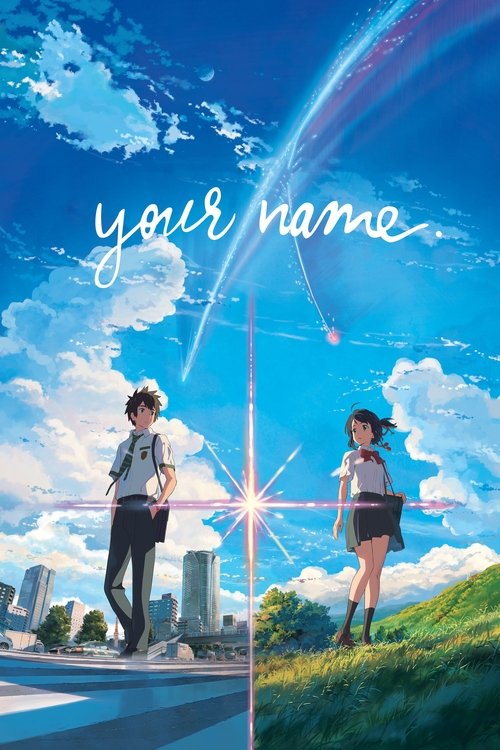
Your Name.2016
A modern anime masterpiece with similarly breathtaking visual ambition and a core about connection across impossible odds. Features the same sense that animation can do things live-action simply cannot.
But The emotional beats are occasionally heavy-handed, and the pacing in the middle sags. Also requires real patience with expository dialogue.
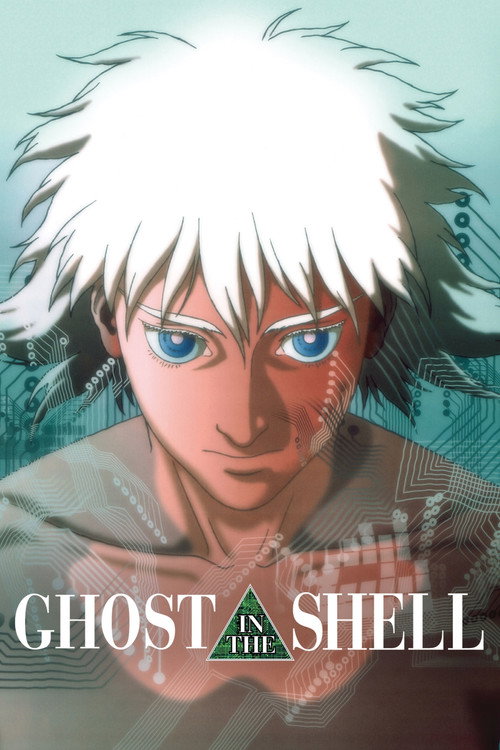
Ghost in the Shell1995
Mamoru Oshii's philosophical action-anime shares Tekkonkinkreet's conviction that animation can be utterly gorgeous and intellectually serious simultaneously. Both prize atmosphere and world-building over plot clarity.
But It's dense and somewhat opaque. If you want clear answers rather than ideas to sit with, you'll leave frustrated.
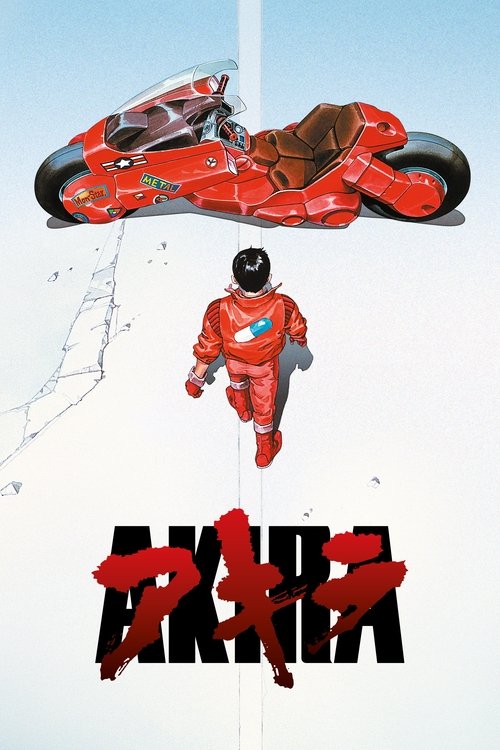
Akira1988
Katsuhiro Otomo's cyberpunk epic has the same feverish energy, urban decay aesthetic, and commitment to hand-drawn animation as a serious artistic medium. Influences everything that followed, including this film.
But The narrative becomes genuinely hard to follow in the final act. Some violence is brutal. It can feel dated if you've only seen recent anime.
Not sure tonight? Get a pick in a minute, starting from Tekkonkinkreet
The wildcard
Something you would not have found on your own.
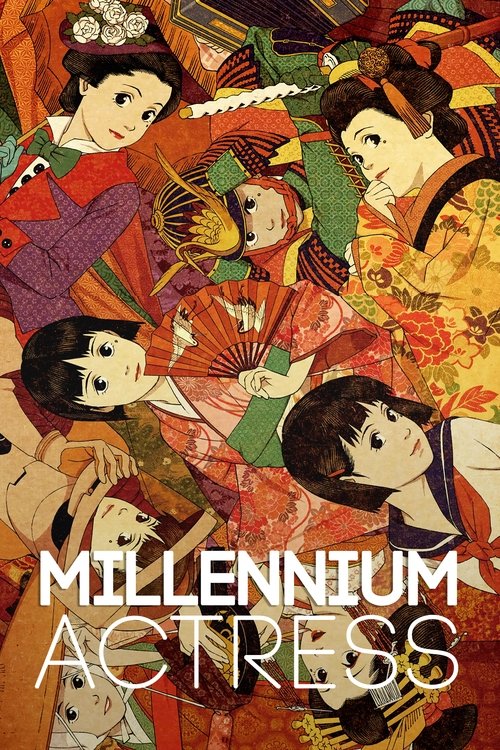
Millennium Actress2002
Both films use animation's freedom from physical reality to visualize internal emotional states and memory. They're not using animation to tell stories; they're using stories to explore what animation uniquely can do.
Satoshi Kon's film collapses cinema history and biography into one surreal, gorgeous experience. Like Tekkonkinkreet, it's fundamentally about cinema itself—what it is, why we love it, what it costs. Animation becomes the form's truest expression.
But The chronological impossibilities and genre-hopping will actively confuse you if you're looking for literal storytelling. It's abstract in ways that demand active interpretation rather than passive viewing.
More like this (7)
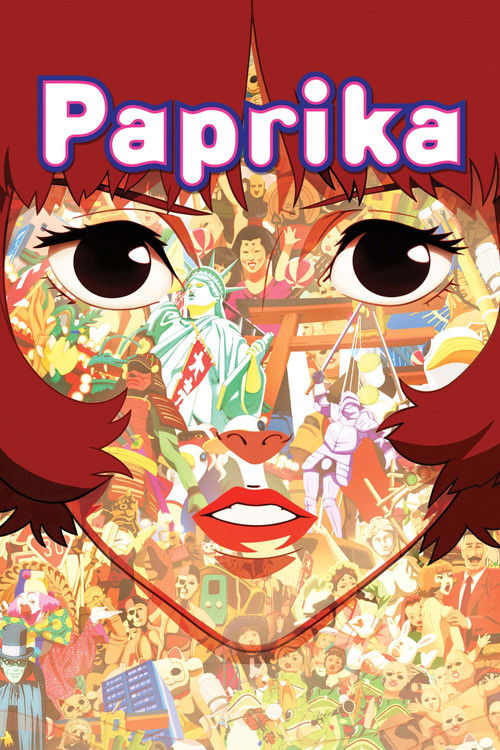
Paprika2006
Satoshi Kon's surreal dream-logic shares Tekkonkinkreet's visual inventiveness and its fascination with blurred boundaries between realities. Wildly imaginative and continuously surprising in what it attempts.
But The plot genuinely does not hold together; you're signing up for the experience, not a narrative. Some viewers find the visual density exhausting rather than exhilarating.
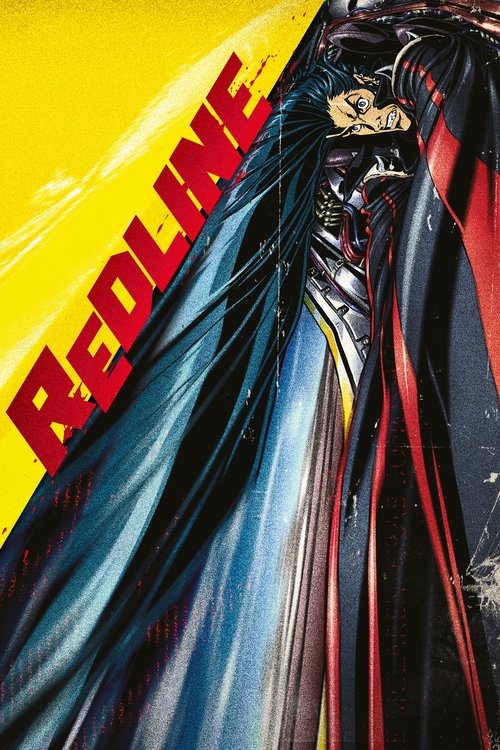
Redline2009
A purely hand-drawn space-racing film that prioritizes visual spectacle and style above all else. Proof that animation could still be this painstakingly gorgeous in a digital age. Joyfully maximalist.
But The story is thin to the point of invisibility. If you need plot to stay engaged, this will feel like watching a very long music video.
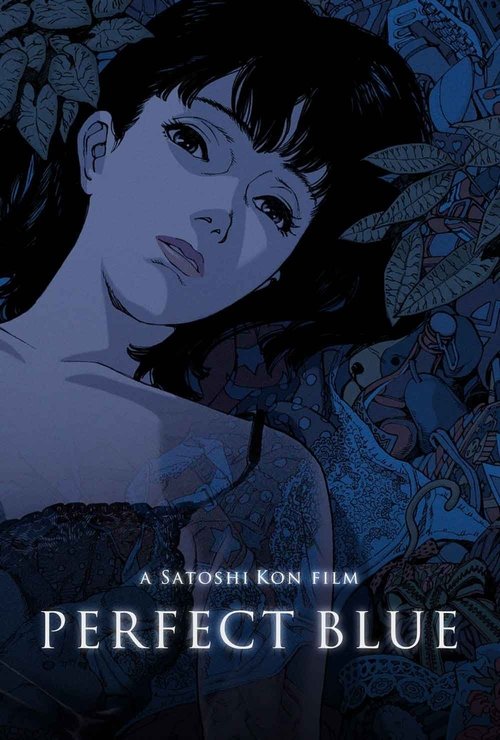
Perfect Blue1998
Satoshi Kon's psychological thriller uses animation to create paranoia and dread in ways live-action can't match. Like Tekkonkinkreet, it trusts the medium to do things narrative alone never could.
But It's genuinely unsettling and plays with continuity in ways that deliberately disorient. Not a comfortable watch, and some imagery lingers uneasily.
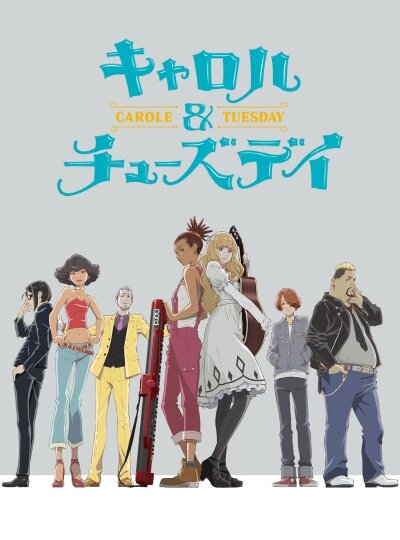
Carole & Tuesday2019
Shinichirō Watanabe's sci-fi love letter to music and connection across difference. Shares Tekkonkinkreet's focus on found family and its belief that animation can be both visually sumptuous and emotionally genuine.
But The second season loses focus considerably. Some episodes feel like filler, and the narrative doesn't always justify its own length.
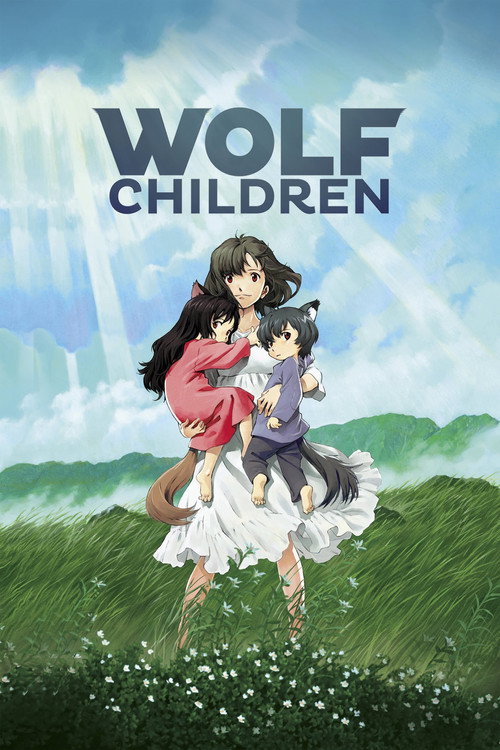
Wolf Children2012
Mamoru Hosoda's tender film about motherhood has the same devotion to hand-drawn animation and the same conviction that animation can convey quiet, intimate emotion. Gorgeously rendered and genuinely moving.
But It's deliberately paced and meditative—some find it slow. The magical realism premise asks for a suspension of disbelief that not everyone will grant.
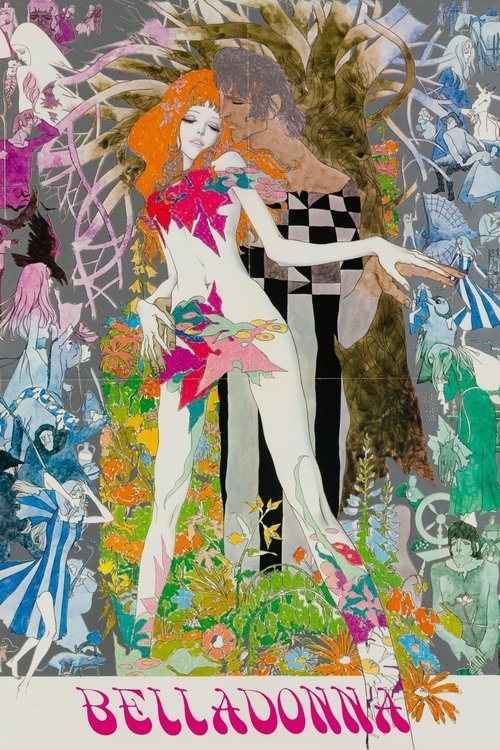
Belladonna of Sadness1973
Both defiantly claim animation as a serious medium for adult themes. Both feature protagonists (or pairs of protagonists) ground down by systems larger than themselves. Both use visual excess as a form of protest.
Eiichi Yamamoto's 1970s animated horror opera about a woman's destruction and transcendence is utterly unlike anything you've seen. Rotoscoped, nightmarish, sexually frank, and visually hypnotic. Animation as high art.
But It's brutal—depicting sexual violence and despair unflinchingly. The pace is deliberately dreamlike and may feel glacial. Some versions are difficult to source legally.
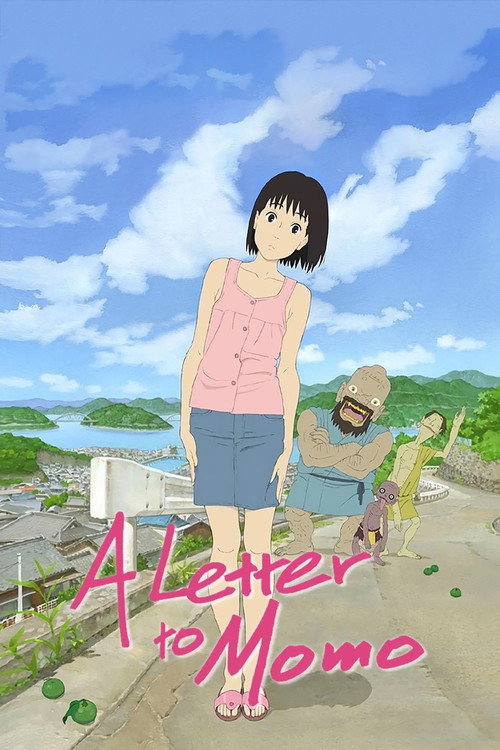
A Letter to Momo2012
Where Tekkonkinkreet buries tenderness inside kinetic aggression, A Letter to Momo locates strength in stillness. Both films use animation to depict characters moving through urban/rural Japanese space with an almost ethnographic attention to architecture and atmosphere. Both are about children processing irretrievable loss.
Mary and the Witch's Flower director Hiroyasu Ishida's debut is a pastoral ghost story about grief and forgiveness. Staggeringly beautiful, quiet where Tekkonkinkreet is frenetic, but equally committed to animation as a form for exploring loss.
But It's very slow and introspective. The magical elements are understated to the point that some viewers won't feel their presence. Not for anyone wanting action or plot momentum.
People
Cast
 Kazunari NinomiyaKuro / Itachi (voice)
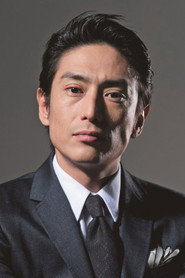 Yusuke IseyaKimura (voice)
 Yu AoiShiro (voice)
 Kankuro KudoSawada (voice)
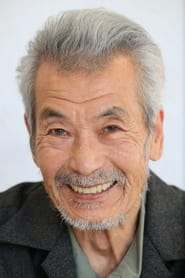 Min TanakaSuzuki (voice)
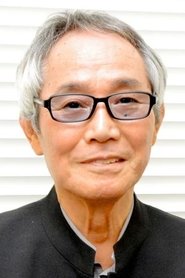 Rokuro NayaJitcha (voice)
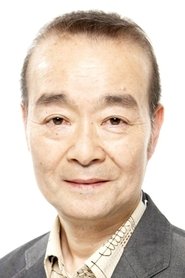 Tomomichi NishimuraFujimura (voice)
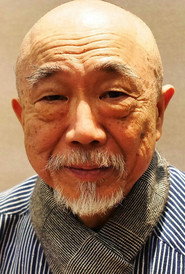 MugihitoKumichô (voice)
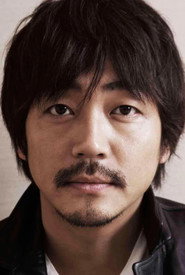 Nao OmoriChocola (voice)
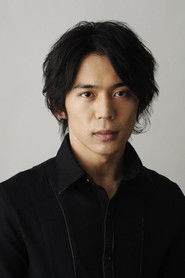 Yoshinori OkadaBanira (voice)
- Kazuko KurosawaKozô (voice)
 Tomoko MurakamiKozo (voice)
Directing
- Hiroaki AndoCo-Director
- Michael AriasDirector
Writing
- Taiyō MatsumotoComic Book
- Anthony WeintraubScreenplay
- Eiko TanakaStory Editor
- Michael AriasStory Editor
Production
- Marimi SakuraiAssociate Producer
- Mikio OnoAssociate Producer
- Ryo OyamaAssociate Producer
- Takumi FujimoriAssociate Producer
- Eiko TanakaExecutive Producer
- Naoki KitagawaExecutive Producer
- Osamu KameiExecutive Producer
- Yasushi ShiinaExecutive Producer
- Ayao UedaProducer
- Eiichi KamagataProducer
- Eiko TanakaProducer
- Fumio UedaProducer
- Masao TeshimaProducer
- Fumie TakeuchiPublicist
- Nami SekiyaPublicist
- Ryohei OkuboPublicist
Recommended by
Redline, Batman: Gotham Knight, Urusei Yatsura: Beautiful Dreamer, Yama no Susume, Udon