Television series
Kodoku no Gurume
- Slow-burning
- Dip in and out
A solitary businessman wanders Tokyo's backstreets, ducking into hole-in-the-wall restaurants between work deliveries. Each episode is a intimate, sensory journey through real food and real hunger—his and ours. It's meditative, gently funny, and requires nothing but appetite and curiosity. For anyone who eats alone without apology.
Should you watch it?
Watch it if you enjoy quiet character studies where the pleasure comes from a lonely man ordering an ordinary plate and savouring it without fuss, and you don't mind the same formula repeating for hours.
Skip it if you want a story that moves, because nearly every episode is one man eating at one shop, and with 120 episodes the repetition can wear thin.
What it asks of you: Episodes run about half an hour and stay unhurried, so you can dip in for one meal or binge a season; the mood is gentle and the pace even.
Not sure? Find tonight's pick in a minute.
If you liked this
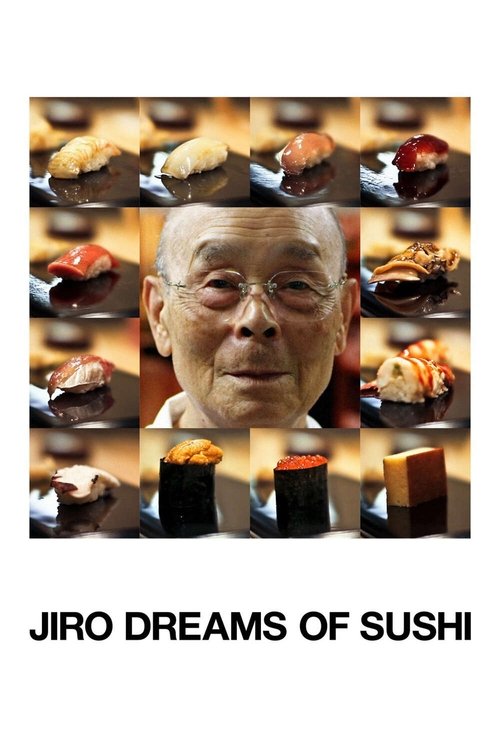
Jiro Dreams of Sushi2011
A documentary about obsessive mastery and the sublime simplicity of doing one thing perfectly. It shares Kodoku's reverence for craft, its quiet pacing, and the idea that solitude and dedication are virtues, not afflictions.
But Slower and more philosophically dense than the series. If you want narrative momentum or dialogue, this meditative approach will test your patience.
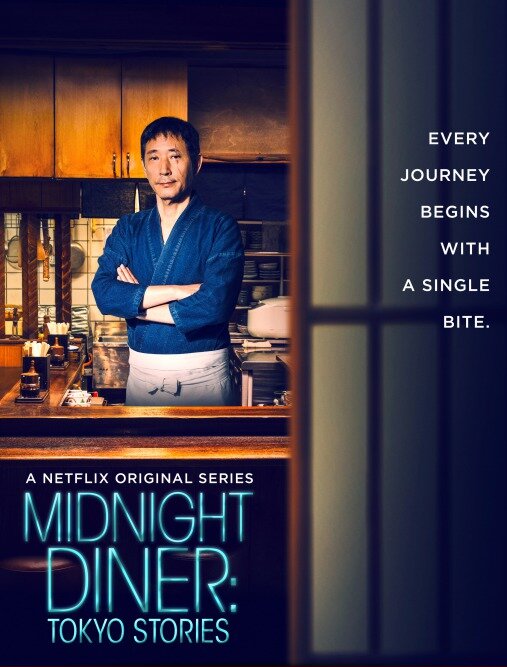
Midnight Diner: Tokyo Stories2016
Each episode a different customer, a different story, a different meal at a Tokyo diner. It has the same warmth, the same respect for ordinary people and real food, the same sense that a bowl of noodles can contain an entire life.
But Stories sometimes veer into sentimentality. The episodic format means some episodes land better than others—you'll find yourself skipping ahead.
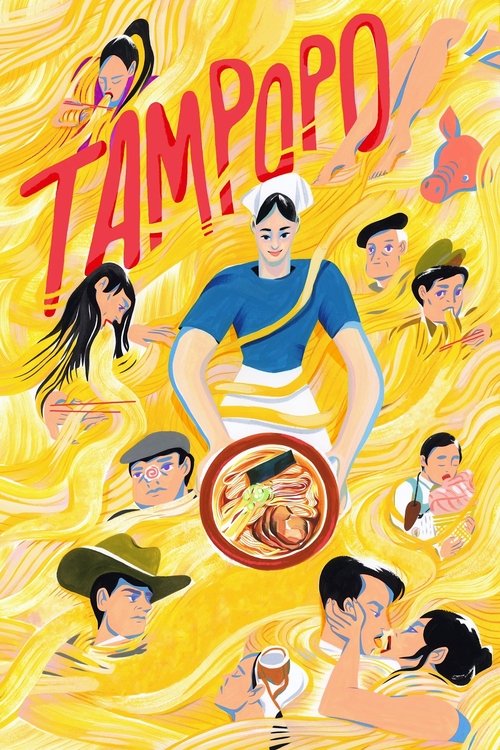
Tampopo1985
A ramen Western: absurdist, joyful, and obsessed with the pursuit of the perfect bowl. It celebrates food as both comedy and art, with Kodoku's underlying belief that eating is sacred, whether you're alone or in a crowd.
But Wildly weird and structurally chaotic. If you want straightforward narrative or recognizable characters, this will feel like food cinema from another planet.
Not sure tonight? Get a pick in a minute, starting from Kodoku no Gurume
The wildcard
Something you would not have found on your own.
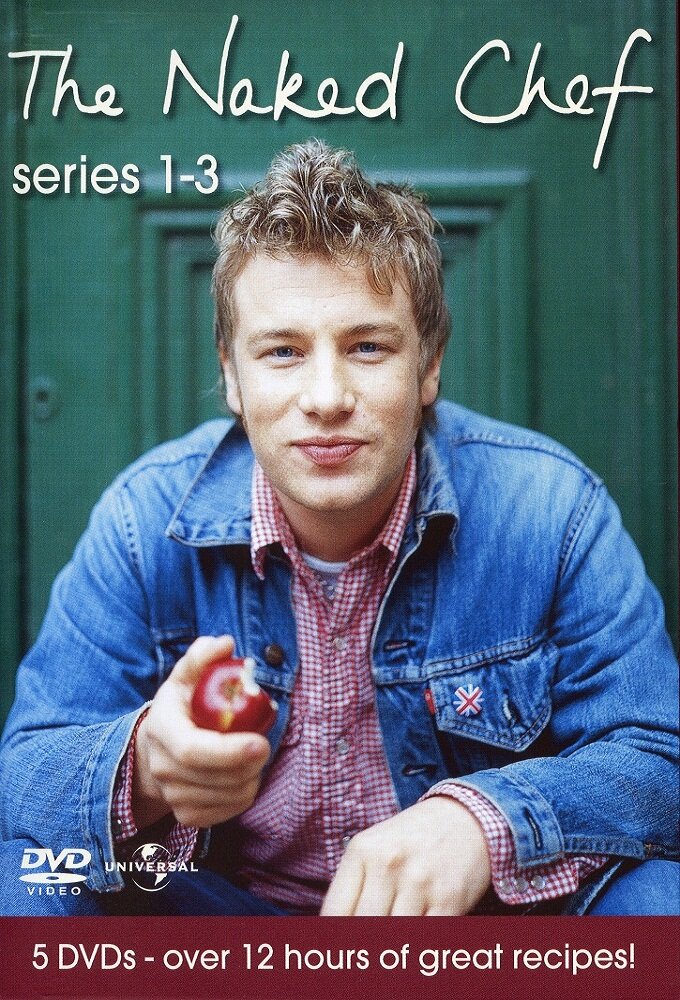
The Naked Chef1999
Both are about the radical simplicity and honesty of food without theater. Both made their medium feel like eavesdropping on someone's real life.
Jamie Oliver's original series filmed him cooking in his London flat—minimal, real, unselfconscious. A cooking show where the cook eats alone, where mistakes happen, where food is about nourishment and pleasure, not performance. The spiritual ancestor Kodoku probably doesn't get credit for inspiring.
But Early 2000s aesthetics and pacing feel dated now. Also, it's a cooking show rather than an eating show—you're watching preparation, not just consumption.
More like this (8)
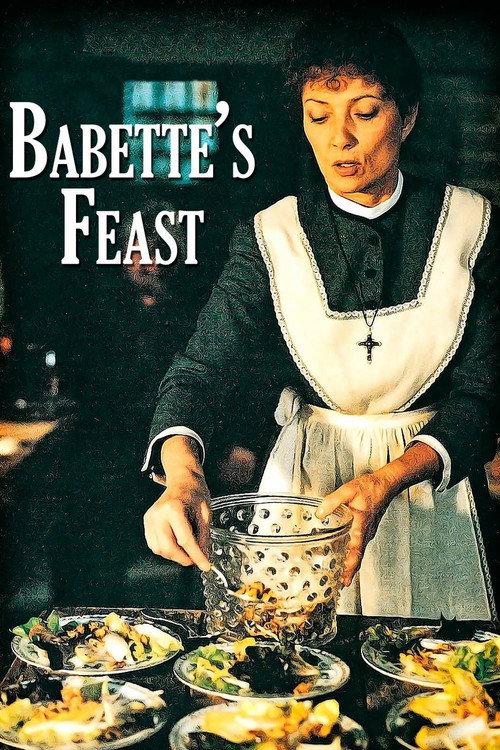
Babette's Feast1987
A film about a woman who cooks an extraordinary meal for people who've forgotten how to taste joy. Like Kodoku, it understands that food is never just food—it's love, generosity, and the evidence that life can still be beautiful.
But Quiet, austere, and spiritual in ways that can feel slow if you're not in the mood for profound gentleness. Very European, very still.
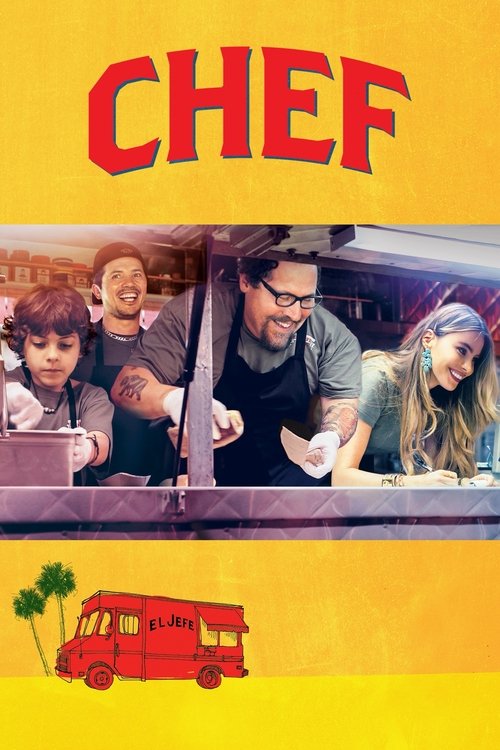
Chef2014
A man finds himself again through food and travel, running a food truck across America. It shares Kodoku's philosophy that eating alone can be an act of freedom, and that the best meals come from genuine curiosity about where you are.
But More upbeat and American than Kodoku; sometimes tips into Instagram-food territory. Less meditative, more motivational than you might want.
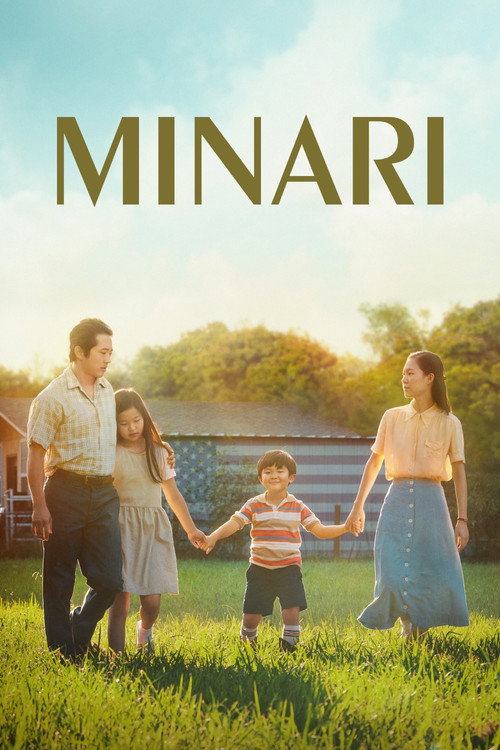
Minari2021
A family plants a Korean garden and fights to make a life in Arkansas. Like Kodoku, it finds profound meaning in food as memory, identity, and survival. Quiet, unsentimental, deeply human.
But It's family drama first, food second. If you want the food to be the whole story, this will feel like a detour into heartbreak and struggle.
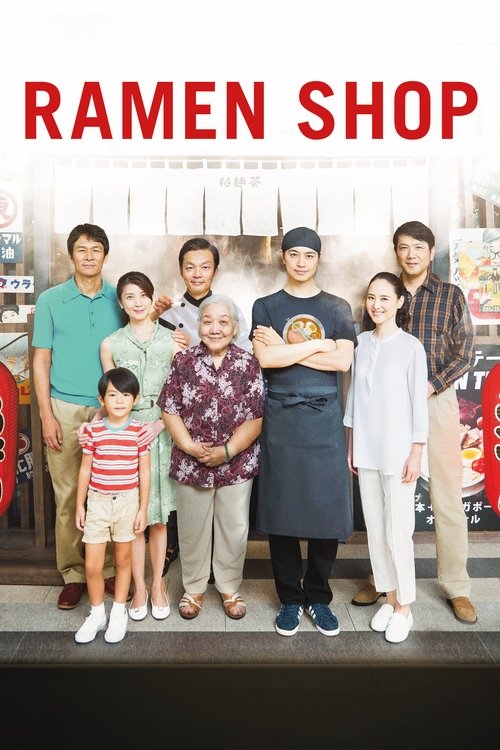
Ramen Shop2018
A man inherits his estranged father's ramen shop in Singapore and discovers family through broth and noodles. It has Kodoku's meditative pace and its understanding that solitude and connection aren't opposites.
But Quietly sad underneath its warmth. Some viewers find it too slow even for a food film; it asks a lot of patience.
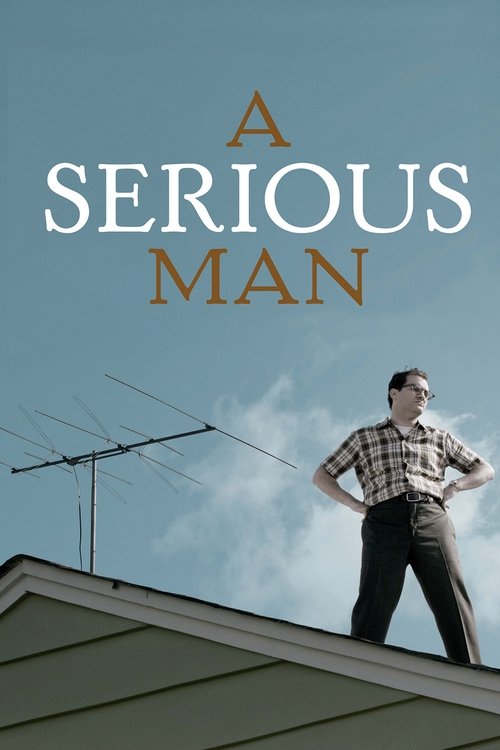
A Serious Man2009
A Coen Brothers portrait of a man trying to make sense of his life through small, ordinary moments. It has Kodoku's eye for dignity in mundanity and its refusal to sentimentalize loneliness.
But Dark, unsettling, and philosophically bleak. Food is barely present. If you want comfort, this isn't it.
Colony2016
A web series about a man who makes tea the way Goro eats—with total attention and quiet joy. Each episode is a few minutes of watching someone do something small with their whole heart.
But Extremely short and extremely spare. Barely a narrative exists. Many will find it too minimal, even for a food show.
Sideways2004
Both treat tasting as an act of introspection. Both say that eating or drinking alone is not a tragedy—it's an opportunity for honesty.
Two men drive through wine country tasting wines and talking about their lives. Like Kodoku, it understands that what you drink or eat is inseparable from who you are, where you've been, and what you're afraid of. Funny, melancholy, and totally unsentimental about male loneliness.
But Much broader comedy and much more plot-driven. You have to care about the characters' romantic lives, which adds melodrama Kodoku refuses.

The New Adventures of Old Christine2006
Both are about an isolated person finding meaning through their solitary practice of close attention. Both suggest that real seeing—or real tasting—is an act of defiance against numbness.
A six-part documentary about Christine Chubbuck, a 1970s news reporter, told through archival footage and careful reconstruction. It's about seeing—really looking at the world—and the cost of that attention. Kodoku is about a man learning to truly taste; this is about what happens when you truly see.
But Extremely dark and disturbing. Not a comfort watch. The subject matter is tragic and the tonal register is nothing like Kodoku's warmth.