
Film
Midnight Diner
A late-night Tokyo diner becomes a refuge for lost people. The owner serves simple comfort food and quieter wisdom to a rotating cast of the grieving, lonely, and stuck. It moves gently between their lives, finding grace in small conversations and the act of showing up. For anyone who believes the best stories happen in ordinary places.
If you liked this
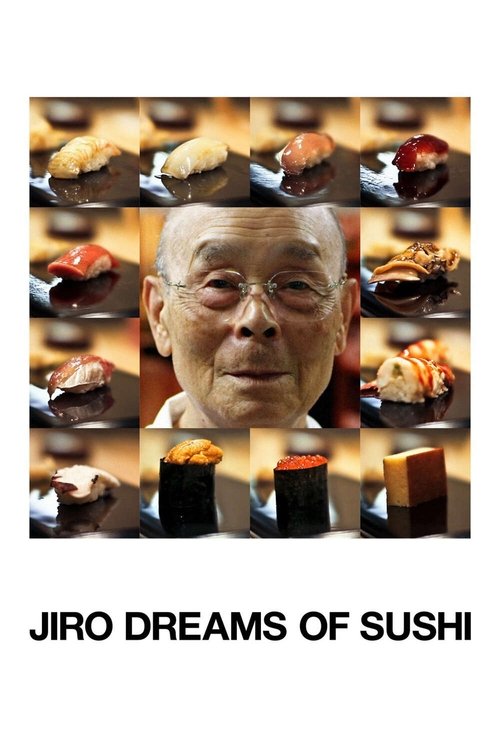
Jiro Dreams of Sushi2011
A meditation on mastery, repetition, and devotion through the life of an 85-year-old sushi chef. Like Midnight Diner, it finds profound humanity in the ritual of feeding people well and the conversations that happen in that space.
But It's a documentary that moves very slowly. If you need plot momentum or dramatic reveals, this will feel like watching someone work.
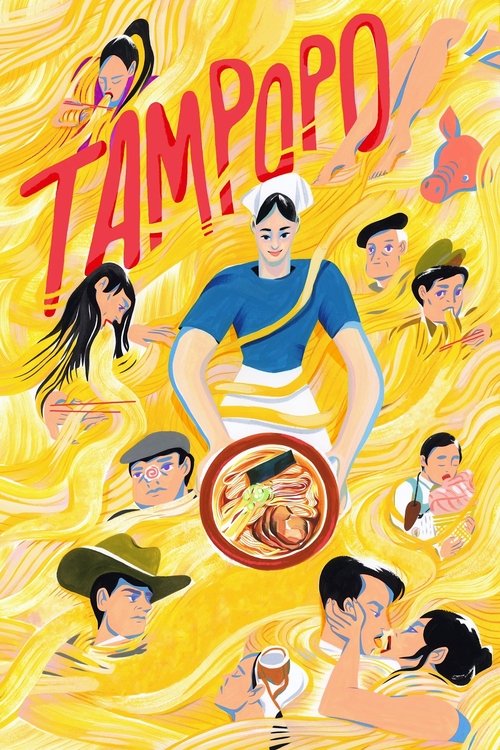
Tampopo1985
A ramen western about obsession, community, and the redemptive power of noodles. Surreal and playful where Midnight Diner is tender, but both understand that food is never just food—it's how we care for each other.
But The tone is willfully weird and digressive. You have to be willing to let it meander and not always make sense.
Tokyo Story1953
Ozu's masterpiece about an elderly couple visiting their son in postwar Tokyo. It has the same unhurried patience with small moments and the same belief that ordinary life, witnessed closely, contains everything.
But Nothing much happens. If you watch it expecting plot, you'll be frustrated. You have to want to sit with people.

Not sure tonight? Get a pick in a minute, starting from Midnight Diner
The wildcard
Something you would not have found on your own.
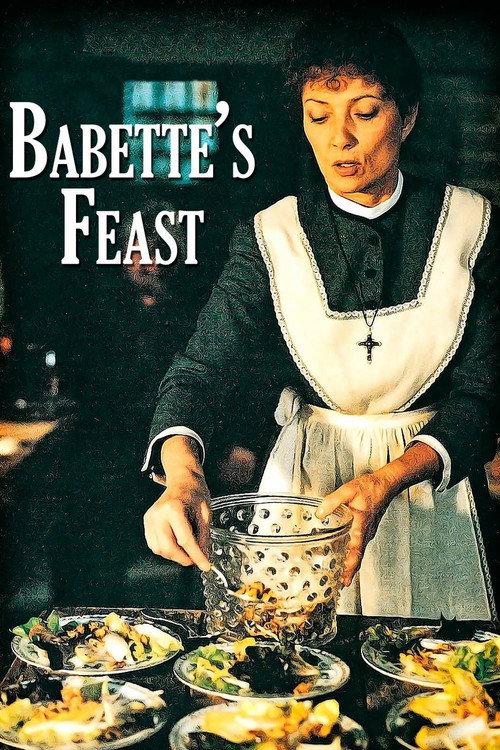
Babette's Feast1987
Both films believe that feeding people with care is a form of prayer. Both find the sacred in hospitality.
A French chef prepares an extraordinary meal for a small religious community. It's about grace, generosity, and the way food can be an act of love that transcends language and belief. Midnight Diner's spiritual cousin, just with higher stakes and fancier ingredients.
But It's a period piece set in 19th-century Denmark. The pacing is deliberately slow and the emotional register is austere until the final act.
More like this (8)
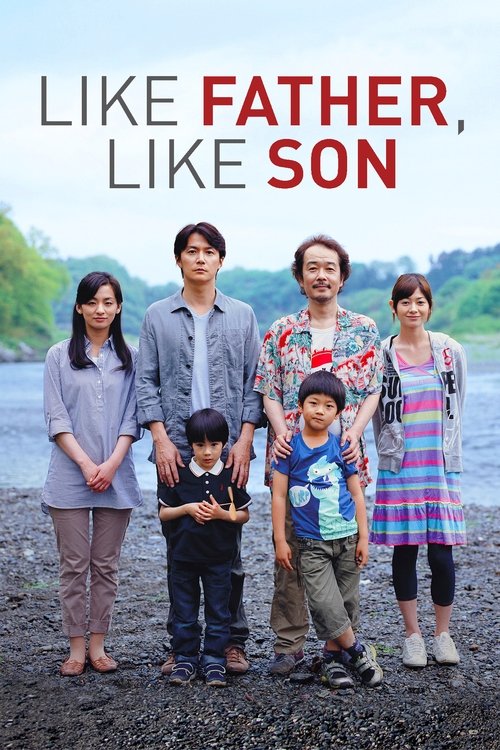
Like Father, Like Son2013
Hirokazu Koreeda on family, identity, and what we owe each other. Warm and morally complex, it shares Midnight Diner's interest in how we show love through small, daily acts.
But The emotional payoff is quiet. There's no cathartic moment, just the slow accumulation of understanding.
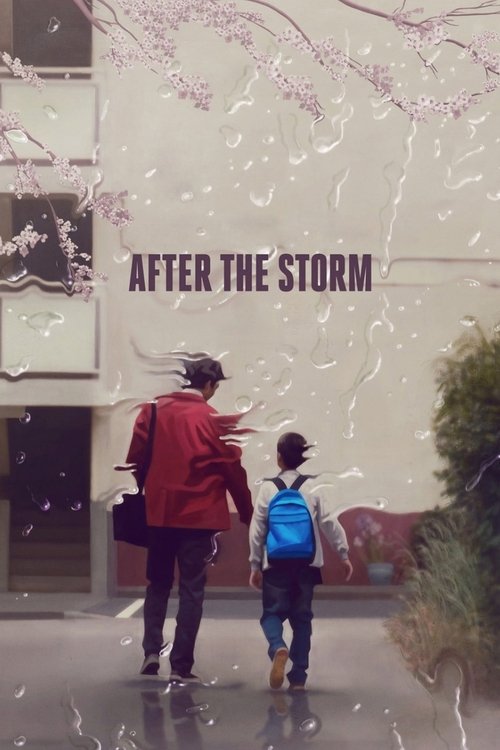
After the Storm2016
Another Koreeda film about a failed man finding small moments of grace with his ex-wife and son. The same gentle, observational style; the belief that ordinary evenings can be profound.
But The protagonist is genuinely irresponsible and you have to accept spending time with him. Some viewers find that harder than others.
Harakiri1962
A devastating meditation on honor, loyalty, and the human cost of rigid systems. Formally stunning and emotionally overwhelming—if Midnight Diner is a whisper, this is a scream, but both are about how people endure.
But It's bleak and violent. The beauty of the filmmaking doesn't soften what it's saying—it sharpens it.

In the Mood for Love2000
Wong Kar-wai's film about two neighbors discovering their spouses are having an affair. It moves like a dream; it's about how longing and restraint can be more powerful than action.
But Plot barely exists. It's pure mood and style. If you need things to happen, you'll be bored.

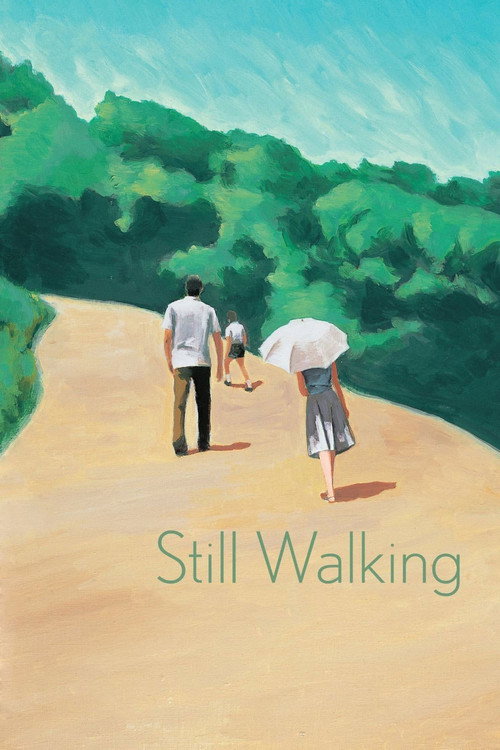
Still Walking2008
Koreeda again—a family gathered for a memorial day, moving through rituals and old tensions. It understands that the smallest interactions carry enormous weight, exactly like Midnight Diner.
But Family dynamics can feel claustrophobic. Some scenes linger uncomfortably, which is the point, but it can exhaust you.
Shall We Dance?1996
A middle-aged man discovers ballroom dancing and connection. Gently funny and surprisingly moving, it shares the belief that small rebellions and new friendships can transform a quiet life.
But The romance subplot is conventional. Some of the comedy hasn't aged perfectly into modern sensibilities.

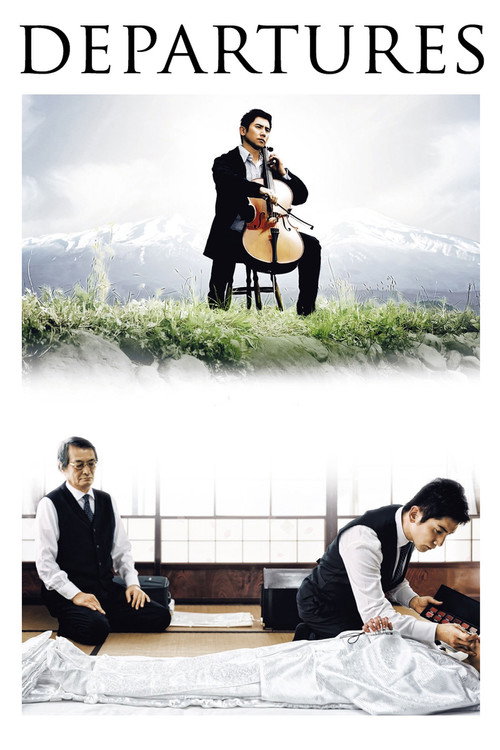
Departures2008
Both are about people in service roles who become vessels for others' sorrows and needs. Both find depth in what could be invisible work.
A cellist becomes a ritual mortician, preparing bodies for the afterlife. It's about dignity, unexpected friendship, and finding meaning in work society dismisses. Structured like a diner—quiet encounters that accumulate into something moving.
But It's fundamentally about death and grief. Beautiful but heavy. Not a comfort watch in the way Midnight Diner is.
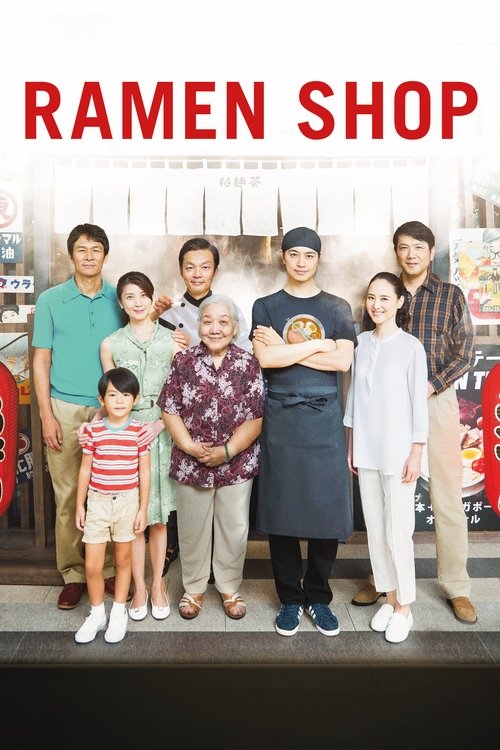
Ramen Shop2018
Literally about a diner serving food to regulars who come seeking something beyond hunger. Same basic architecture, different language and heartbreak.
A Singaporean man inherits his estranged father's ramen shop in Japan and begins to understand him through the recipes and regulars. It's Midnight Diner's spiritual sequel—food, intergenerational grief, noodles as memory. Quieter and more melancholic than you'd expect.
But It's a very small film with a muted emotional register. Very little happens and the main character remains somewhat unreachable throughout.
People
Cast
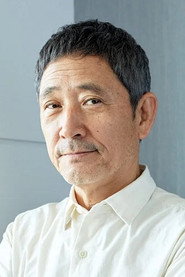 Kaoru KobayashiMaster
 Saki TakaokaTamako Kawashima
 Mikako TabeMichiru Kuriyama
 Michitaka TsutsuiKenzo Oishi
 Tokio EmotoHajime Nishida
 Kimiko YoChieko Hanawa
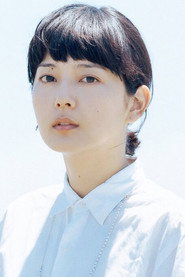 Akiko KikuchiAkemi Sugita
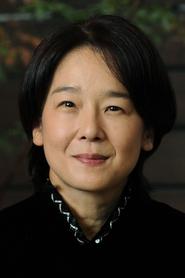 Yuko TanakaMachiko Tsukaguchi
 Joe OdagiriKogure
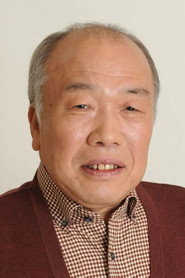 Mansaku FuwaTadashi
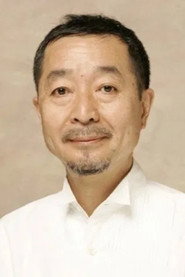 Toshiki AyataKosuzu
 Yutaka MatsushigeRyu Kenzaki
Directing
- Fumio NomotoAssistant Director
- Jōji MatsuokaDirector
Writing
- Abe YarouComic Book
- Jōji MatsuokaScreenplay
- Katsuhiko ManabeScreenplay
- Kensaku KojimaScreenplay
Production
- Ryohei TsutsuiProducer
- Masato KosakaProduction Manager