
Film
Like Father, Like Son
Other titles called Like Father, Like Son: the 1987 film.
Hirokazu Kore-eda's devastating family drama asks what makes a father a father when biology and love collide. A successful businessman discovers his biological son was swapped at birth, forcing an impossible choice between the boy he raised and the stranger in his blood. It's quietly devastating—no melodrama, just the weight of ordinary lives breaking apart.
Should you watch it?
Watch it if you like slow, observant family dramas where the moral question stays quiet and the characters' small habits do the talking, and you don't need the story to be tidy.
Skip it if you want a brisk plot; this moves at a measured pace and lingers on quiet domestic moments, so patience matters more than momentum.
What it asks of you: Roughly two hours at an unhurried pace, with feeling arriving in small gestures rather than big scenes, so it rewards sitting still.
Not sure? Find tonight's pick in a minute.
If you liked this
CODA2021
A family at breaking point—this time over deafness and ambition—discovers what they actually owe each other. Tender and unsentimental, with the same belief that love is something you have to earn, not inherit.
But It's gentler than Kore-eda, and some of the conflict feels slightly neat. If you want raw, unresolved pain, this wraps things in more hope.

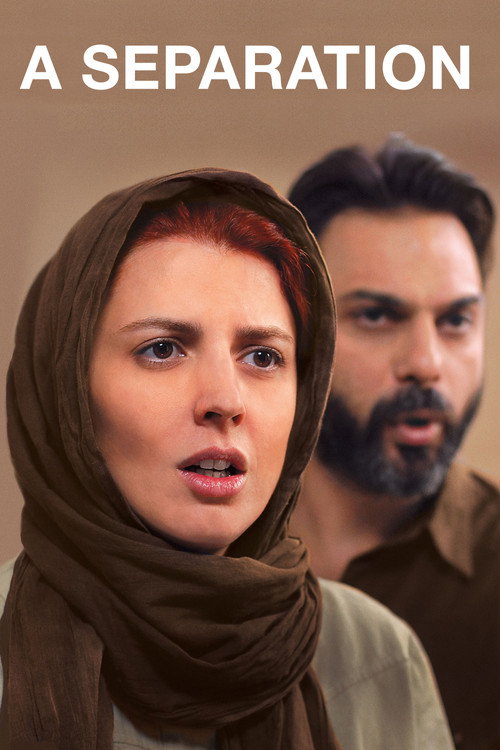
A Separation2011
An Iranian couple's divorce spirals into moral quicksand where every character is both right and wrong. Like Father, Like Son as a knife fight—same precision about family obligation, infinitely more vicious.
But It's bleak and sometimes claustrophobic. Subtitled, and the legal system it depicts may frustrate you intentionally. No easy catharsis.
Manchester by the Sea2016
A man forced to raise his nephew confronts the past he buried. Kenneth Lonergan writes grief that doesn't resolve, just settles into your chest like this film does—broken people quietly saving each other.
But Nothing happens in the way you expect. Some find the pacing glacial. It's a film about the impossibility of fixing things, which can feel punishing if you need hope.

Not sure tonight? Get a pick in a minute, starting from Like Father, Like Son
The wildcard
Something you would not have found on your own.
Tokyo Story1953
Kore-eda explicitly models his family dramas on Ozu's philosophy: that love is proved through presence and small acts, not declaration. Tokyo Story is the ancestor of Like Father, Like Son's entire moral universe.
Ozu's masterpiece about aging parents visiting their adult children—the template for everything Kore-eda does. Like Father, Like Son transplanted to post-war Tokyo, where the same question hums beneath every meal: what do we owe the people we love?
But It's 136 minutes of people sitting and talking. Shot from knee-height, deliberately static. If you need narrative propulsion or modern cutting, Ozu feels more like painting than film.

More like this (7)
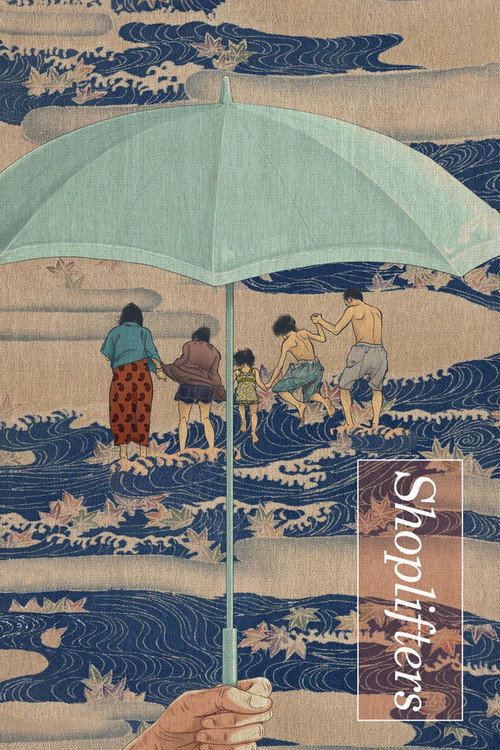
Shoplifters2018
Another Kore-eda masterpiece: a family held together by crime and love, not blood. Answers the question Like Father, Like Son asks by building an entire philosophy of kinship from chaos and tenderness.
But If you haven't seen Kore-eda before, this might be a better entry point. It's deliberately messier and more playful, which some feel dilutes the emotional weight.
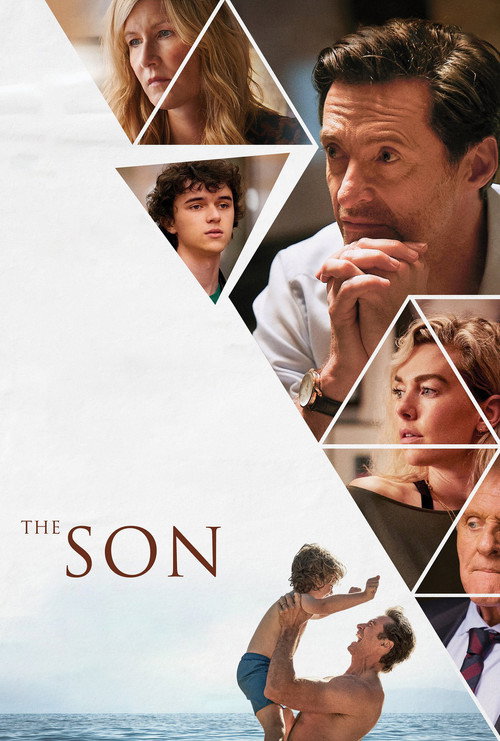
The Son2022
Florian Zeller's film about a man whose son is in crisis—the weight of parental responsibility and helplessness rendered in real time. Unflinching and claustrophobic in a way that mirrors Like Father, Like Son's moral vertigo.
But It's aggressively bleak and doesn't offer comfort. The production design (everything slightly off) is deliberate and brilliant but can feel trying rather than immersive.
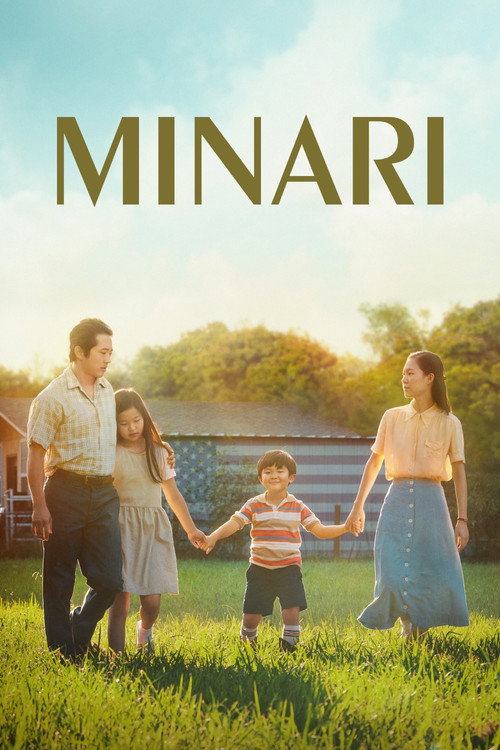
Minari2021
An immigrant family fractures over what they owe each other and what they're owed by America. Like Father, Like Son's questions about obligation and belonging, but rooted in class and displacement instead of biology.
But It's slower than many expect for a family drama. Some of the generational conflict may feel familiar in ways that reduce its sting.
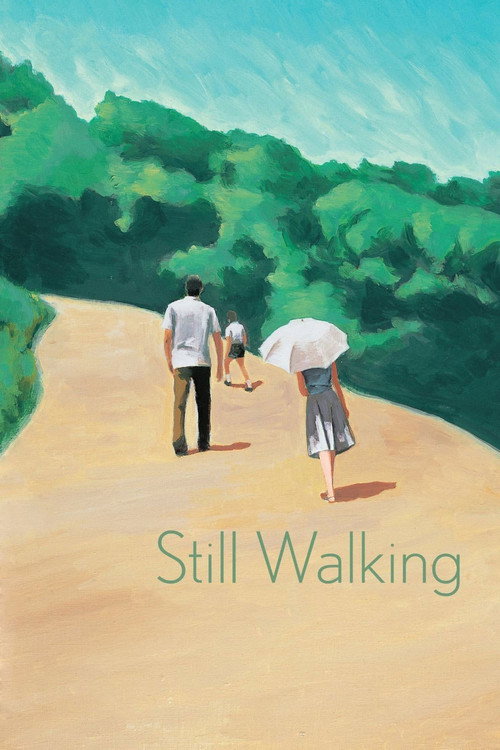
Still Walking2008
Kore-eda again—a family reunion where nothing is said and everything matters. Quieter than Like Father, Like Son but operating on the same frequency: the distance between people who live in the same house.
But Genuinely plotless. If you need narrative momentum or explanation, this will feel like being stuck in someone else's family dinner indefinitely.
Krisha2016
A Ari Aster film about a family in crisis told with documentary intimacy. Like Father, Like Son's exploration of what you owe your child, rendered in lived-in texture and real pain that sticks to your clothes.
But Shot with his own family. Some scenes are hard to watch because they feel genuinely invasive. The emotional experience is exhausting rather than cathartic.

Aftersun2022
A father and daughter on holiday, the space between them growing with every scene. Wordless examination of parental love's inadequacy—what Like Father, Like Son asks, but as pure mood and memory rather than plot.
But It's almost entirely interior and visual. If you need clarity or dialogue to feel heard, this will feel oblique and frustrating. Some see it as style over substance.

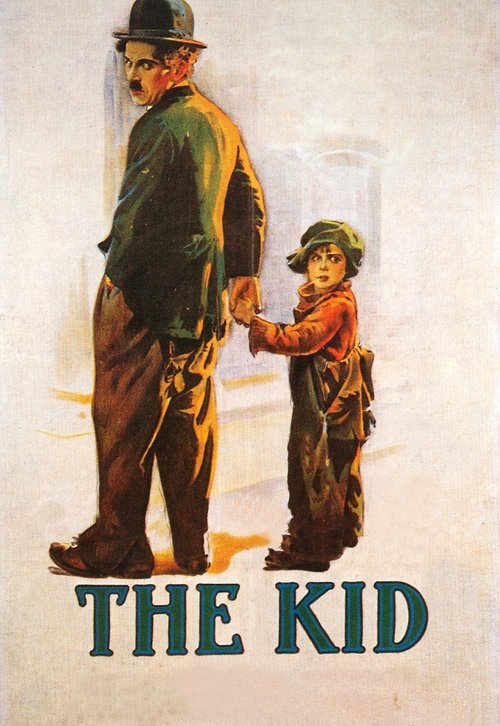
The Kid1921
Both films argue that fatherhood is an act of choice, not biology. But where Kore-eda makes that tragic and irresolvable, Chaplin lets love win—offering the counter-argument to Like Father, Like Son's central crisis.
Chaplin's film about a drifter who becomes a father to an abandoned child—a comedy about fatherhood that asks the same question as Like Father, Like Son: does love require blood? Joyful and devastating in equal measure.
But It's a silent film from 1921. Some find Chaplin's physical comedy unbearable now. The sentimentality is unashamed in a way modern audiences sometimes resist.
People
Cast
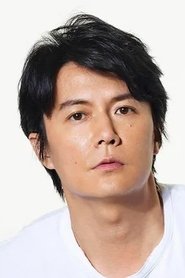 Masaharu FukuyamaRyota Nonomiya
 Machiko OnoMidori Nonomiya
 Yoko MakiYukari Saiki
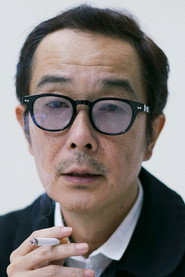 Lily FrankyYudai Saiki
 Jun FubukiNobuko Nonomiya
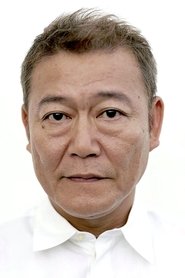 Jun KunimuraKazushi Kamiyama
 Kirin KikiRiko Ishizeki
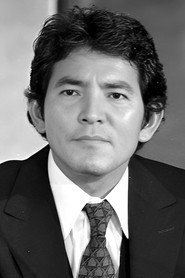 Isao NatsuyagiRyosuke Nonomiya
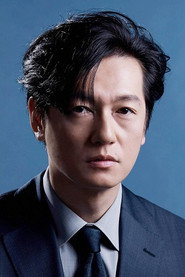 Arata IuraShinichi Yamabe
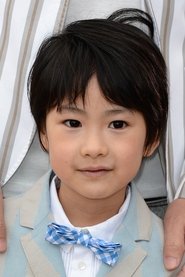 Keita NinomiyaKeita Nonomiya
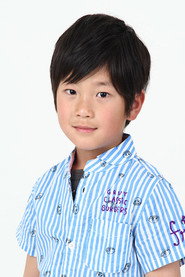 Shôgen HwangRyusei Saiki
 Yuri NakamuraShoko Miyazaki
Directing
- Atsushi KaneshigeAssistant Director
- Hirokazu Kore-edaDirector
- Miho TomitaScript Supervisor
- Kae TakeyariSecond Assistant Director
- Kaoru EndôSecond Assistant Director
Writing
- Hirokazu Kore-edaScreenplay
Production
- Kazushi AoyamaAssistant Location Manager
- Naoyuki SakamotoAssistant Location Manager
- Noriaki TagaAssistant Location Manager
- Megumi OsawaAssociate Producer
- Toshie TabataCasting
- Yoko YamashitaCasting Assistant
- Yoko SugiyamaCasting Coordinator
- Chiaki HaradaExecutive Producer
- Chihiro KameyamaExecutive Producer
- Satomi OdakeExecutive Producer
- Tatsumi YodaExecutive Producer
- Tatsuro HatanakaExecutive Producer
- Yasushi OgawaExecutive Producer
- Yasuyuki NiinoLine Producer
- Fumitsugu AbeLocation Manager
- Hijiri TaguchiProducer
- Kaoru MatsuzakiProducer
- Keiko OyamaProduction Accountant
- Yoshiko ArakiProduction Accountant
- Yasuharu SuidoProduction Manager
- Yu KumagaiProduction Manager
Recommended by
Our Little Sister, Sweet Bean, The Land of Hope, Reunion, The Mourning Forest, Midnight Diner