
Film
Reunion
- Drama
- Very dark
- Slow-burning
Reunion observes ten days after the 2011 Tohoku earthquake and tsunami through the eyes of workers at a morgue in Kamaishi. A retired funeral director volunteers among colleagues tasked with identifying and returning the deceased to grieving families. It's a film about ritual, dignity, and the quiet work of witnessing collective loss. Gentle but unflinching.
If you liked this
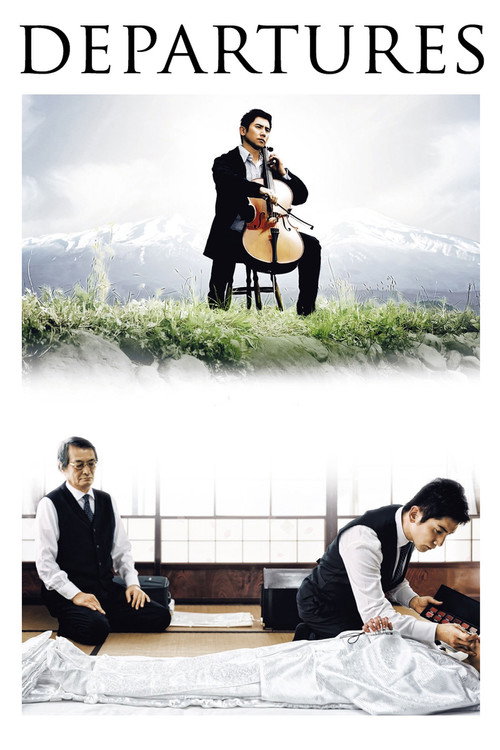
Departures2008
Another Japanese film about funeral work that finds profound humanity in death rituals. Explores how we honor the dead and what that labour means. Deeply moving without sentimentality.
But The subject matter is heavy and the pacing is deliberate. If you need momentum or lightness, this won't provide it.
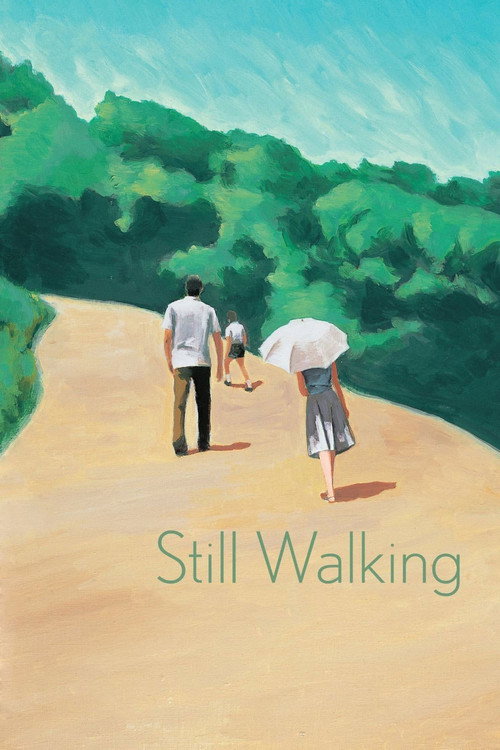
Still Walking2008
Hirokazu Koreeda's masterpiece about a family gathering haunted by an old tragedy. Captures how grief lives alongside ordinary moments—meals, small talk, old resentments. Quietly devastating.
But Very slow. Almost nothing happens. Requires patience and willingness to read subtext in silences and glances.
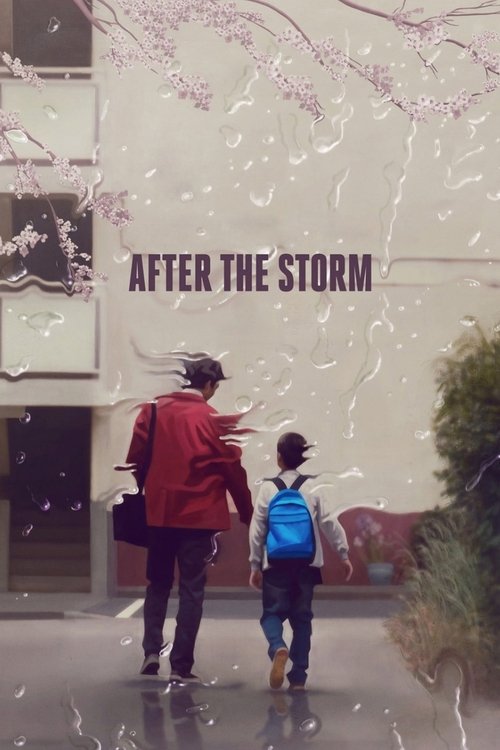
After the Storm2016
Koreeda again, this time following a washed-up detective after his mother's death. Examines how people hold on to each other through loss and disappointment. Tender and real.
But Melancholic throughout. The main character is adrift and struggling, which some find frustrating rather than moving.
Not sure tonight? Get a pick in a minute, starting from Reunion
The wildcard
Something you would not have found on your own.
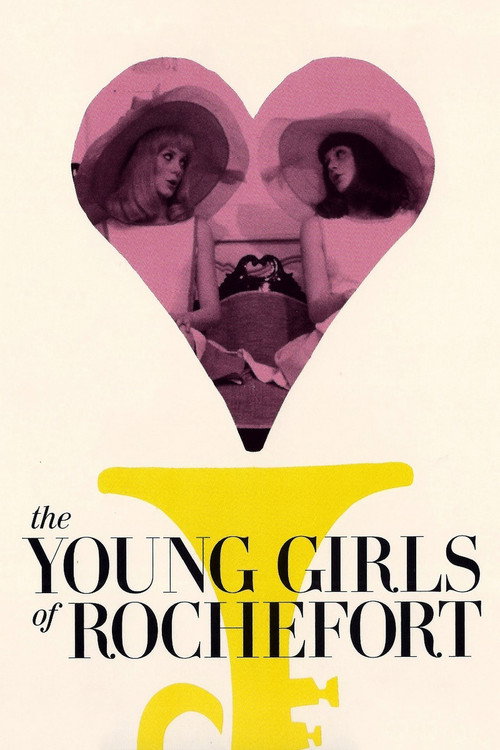
The Young Girls of Rochefort1967
Both are ensemble films about how communities care for and recognize each other through structured, almost ritualistic moments. One is grave and one is euphoric, but both trust ritual.
A French New Wave musical about community and connection. Tonally opposite to Reunion—joyful, colourful, full of singing and chance encounters—but animated by the same belief in ritual and human proximity as a answer to loneliness.
But A 105-minute 1960s French musical. The tonal shift from Reunion is extreme. Some find the genre itself dated or cloying.
More like this (6)
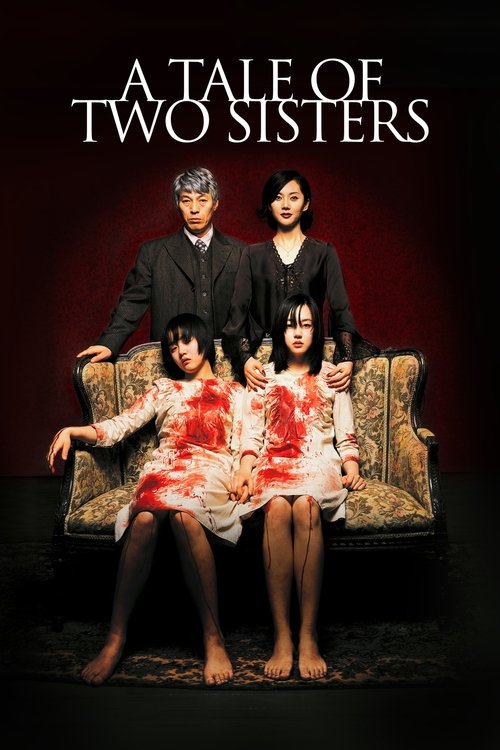
A Tale of Two Sisters2003
A South Korean film about two sisters returning home after hospitalization. Uses visual poetry and restraint to explore trauma and family bonds. Haunting and original.
But Oblique and ambiguous. The narrative doesn't explain itself, and some viewers find that frustrating rather than provocative.
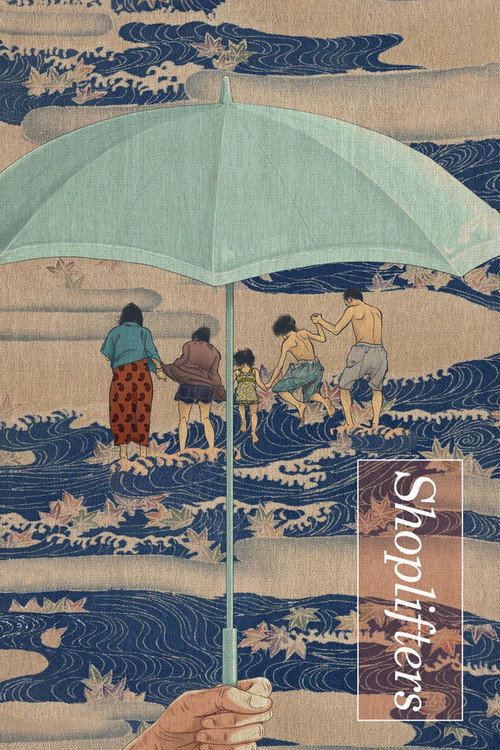
Shoplifters2018
Koreeda's Palme d'Or winner about a makeshift family living on the margins. Shows how people create belonging and care outside official structures. Funny, sad, and deeply human.
But The family's ethics are complicated and sympathetic but not always defensible. Some viewers struggle with rooting for characters who do wrong.
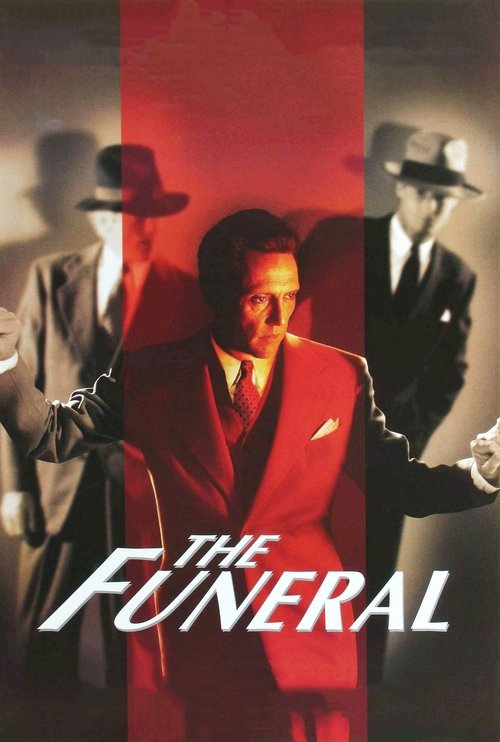
The Funeral1996
Juzo Itami's dark comedy-drama about a family gathering for a funeral and the performances and secrets that emerge. Absurd and tender at once. Shows grief as social chaos.
But Tonal whiplash. It swings between tragedy and comedy in ways that don't always land, and some scenes feel dated.
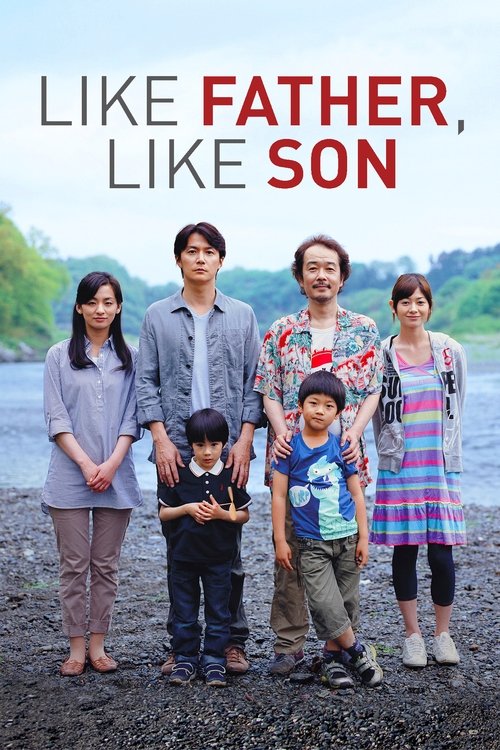
Like Father, Like Son2013
Koreeda explores fatherhood, identity, and what makes a family when two newborns are switched at birth. Philosophical but grounded in real family moments. Excellent cast.
But The premise is high-concept and the film moves into melodrama at times. Some find the moral questions it raises feel a bit neat.
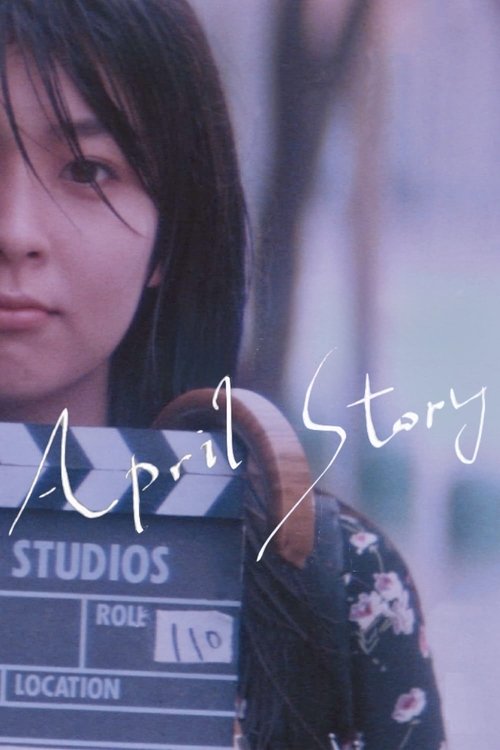
April Story1998
Shunji Iwai's delicate film about a young woman arriving at university on the day of an earthquake. Contemplative and visually beautiful. About small moments and how they shape us.
But Minimal plot. Feels more like a mood or a sketch than a story. Some viewers find it precious rather than moving.
Ikiru1952
Both films center on funeral or death rituals (though Ikiru approaches it obliquely) and ask what it means to do necessary, unglamorous work with dignity. Both are Japanese meditations on mortality and purpose.
Kurosawa's masterpiece about a dying bureaucrat finding meaning in small acts of care and legacy. Made decades before Reunion but about the same question: how do we matter? What does good work look like? Essential.
But Nearly three hours and in black-and-white. The main character spends much of it depressed. Requires emotional investment in a man who has wasted his life.

People
Cast
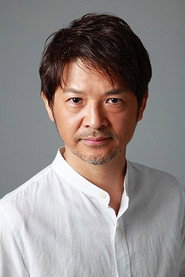
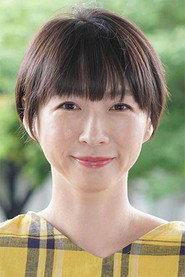
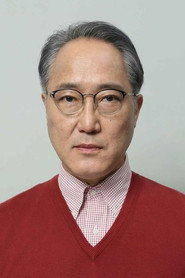
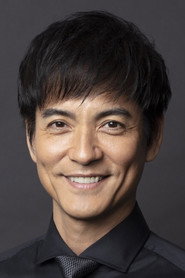

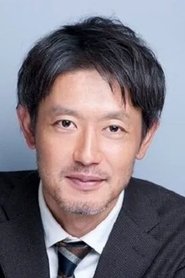
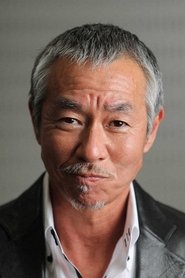
Directing
- Ryôichi KimizukaDirector
Writing
- Kôta IshiiNovel
- Ryôichi KimizukaScreenplay
Production
- Ichiro TakaiCo-Producer
- Yoshihiko TanedaExecutive Producer
- Kuga MaedaProducer
- Shinya FurugoriProducer
- Yasushi HashimotoProduction Manager