
Film
The Funeral
Other titles called The Funeral: the 1984 film.
- Gangster
- Very dark
Abel Ferrara's 1996 crime drama traces a Brooklyn family's spiral into violence after a funeral. Shot in expressionist black-and-white, it's claustrophobic and grave, less interested in action than in how grief and loyalty corrode men from within. For viewers who want crime stories that feel like descent into hell.
Should you watch it?
Watch it if you are drawn to crime stories where grief matters more than the gunfire, and where a stacked cast turns long, uneasy silences into the main event.
Skip it if you want the revenge plot to move briskly; this is a mournful, unhurried study of a family's wounds, and its quiet stretches can feel like waiting rather than building.
What it asks of you: Settle in for a slow, fairly dark ninety-nine minutes that rewards patience over momentum, with long scenes that let talk and silence carry the weight.
Not sure? Find tonight's pick in a minute.
If you liked this
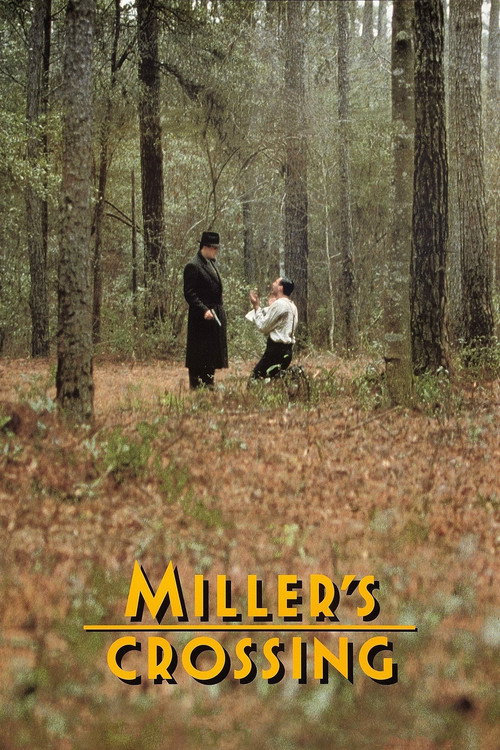
Miller's Crossing1990
Coen Brothers gangster film that prizes style, dialogue, and moral ambiguity over plot. Like Ferrara, it uses genre conventions to explore loyalty, betrayal, and the cost of violence on men bound by code.
But Deliberately mannered and talky; the plot takes a back seat to atmosphere and character. Some find it cold.
A Prophet2009
French prison drama following a young man's ruthless rise. Shares Ferrara's interest in how violence reshapes the soul, with the same grim inevitability and refusal to look away.
But Subtitled; also bleak and slow-moving. Not cathartic—it examines damage rather than resolving it.

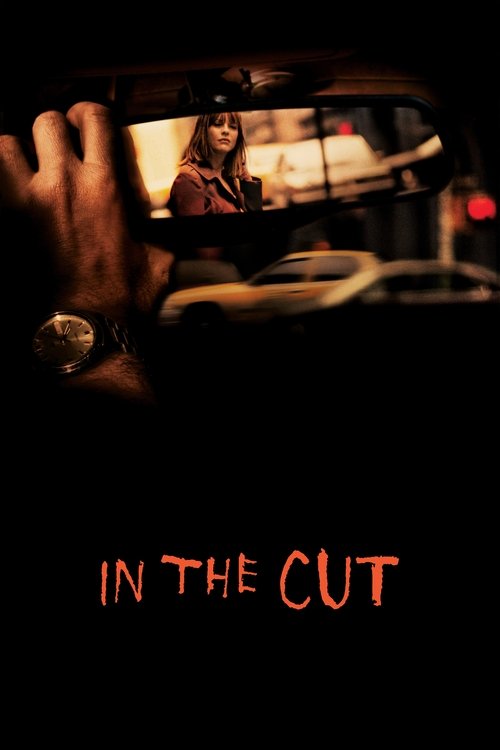
In the Cut2003
Another Ferrara film, equally obsessive about desire, violence, and moral decay. Same visual intensity and willingness to make the audience deeply uncomfortable for thematic reasons.
But More explicitly sexual and transgressive than most crime films. Some scenes feel gratuitous even if they're not.
Not sure tonight? Get a pick in a minute, starting from The Funeral
The wildcard
Something you would not have found on your own.
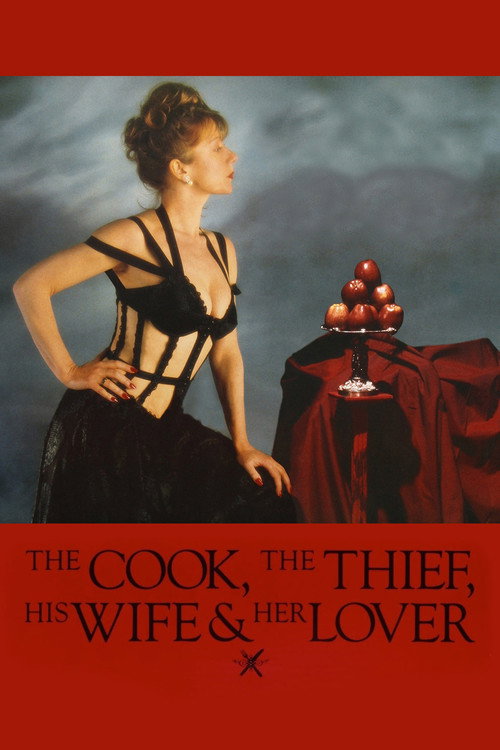
The Cook, the Thief, His Wife & Her Lover1989
Both use visual and spatial language to convey moral decay within criminal families; both are formally audacious rather than naturalistic; both refuse to make their subjects sympathetic.
Peter Greenaway's baroque nightmare about a gangster family. Uses excessive color, baroque production design, and theatrical grotesquerie to explore the same themes—power, loyalty, violence, corruption—from the opposite aesthetic direction. Both are about the interior lives of dangerous men.
But Willfully difficult and visually aggressive. Contains graphic violence and sexual content. Some see it as style without substance; easy to dismiss if you're not in sync with Greenaway's voice.
More like this (8)
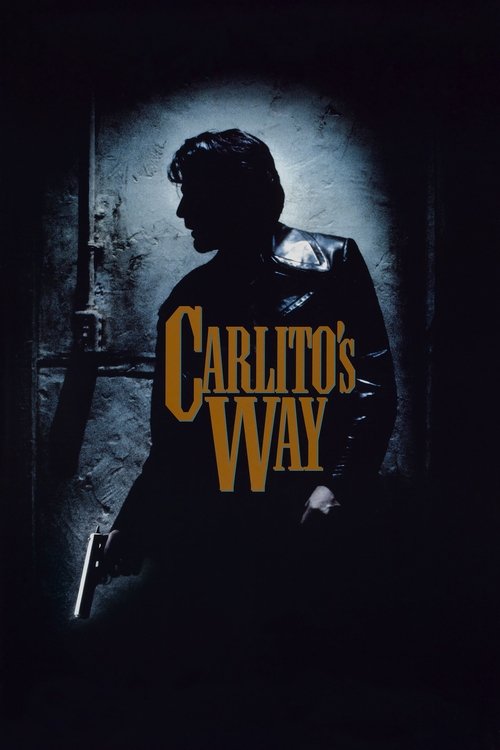
Carlito's Way1993
De Palma's kinetic take on a criminal trying to leave the life. Features Benicio del Toro (who's in *The Funeral*) and shares the film's interest in how the past won't release its grip.
But More operatic and less psychologically probing than Ferrara's approach. De Palma's style sometimes overwhelms substance.
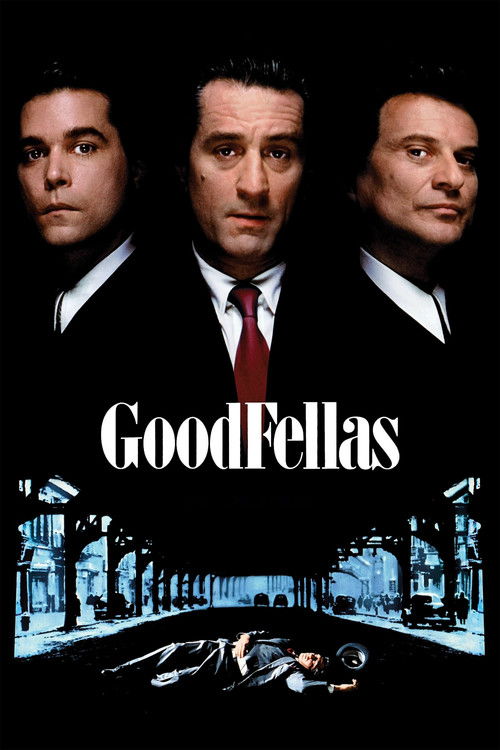
GoodFellas1990
Scorsese's definitive mob film, endlessly rewatchable. Where *The Funeral* is introspective and suffocating, this is exhilarating—but both trace the same moral trajectory.
But Impossibly famous; you may feel you've already seen it. Also much glossier and more seductive about criminality.
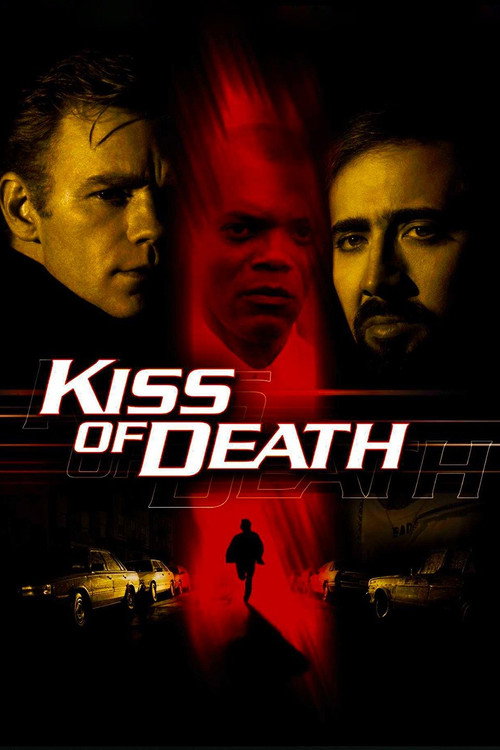
Kiss of Death1995
Barbet Schroeder crime noir with David Caruso and Nicolas Cage. Dark, tense, interested in how the criminal underworld corrupts everyone it touches, including those trying to escape.
But Grim without much relief. Cage is intentionally uncharismatic. The ending is punishing rather than satisfying.
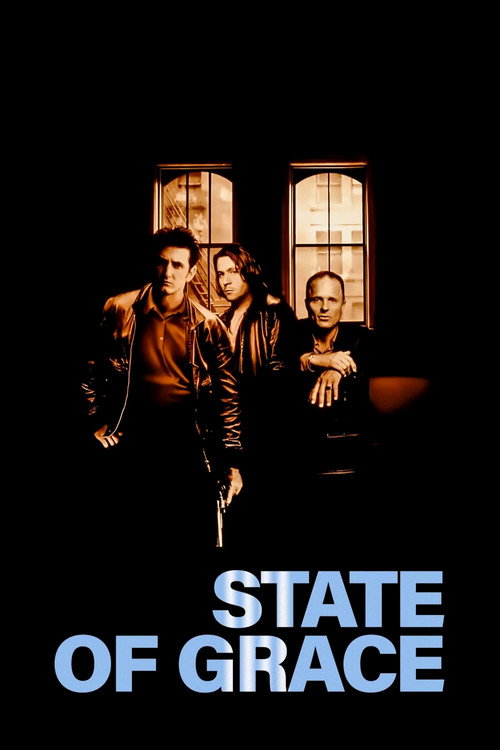
State of Grace1990
Phil Joanou's Irish-American mob story with Ed Harris and Gary Oldman. Like *The Funeral*, it's about loyalty between men and the violence that erupts when that loyalty fractures.
But Less accomplished than the best on this list. Uneven pacing and occasional melodrama undercut the darker moments.
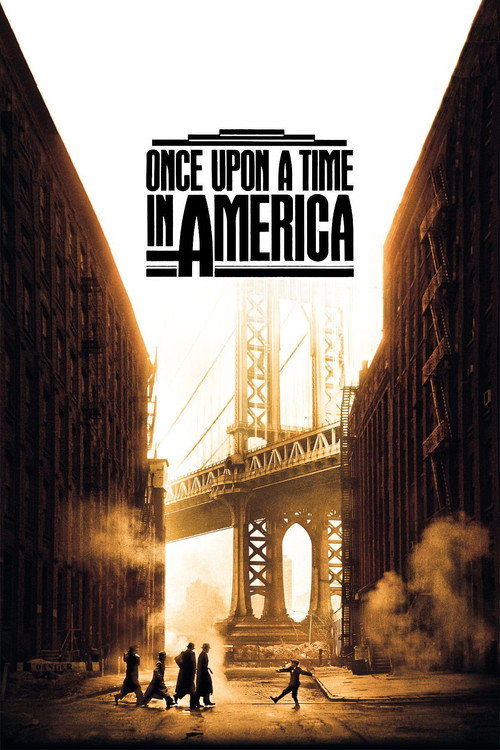
Once Upon a Time in America1984
Sergio Leone's three-and-a-half-hour meditation on crime, friendship, and the passage of time. Shares *The Funeral*'s sense that violence is a permanent stain on the soul.
But Extremely long and demands patience. The nonlinear structure can feel deliberately obscure rather than illuminating.
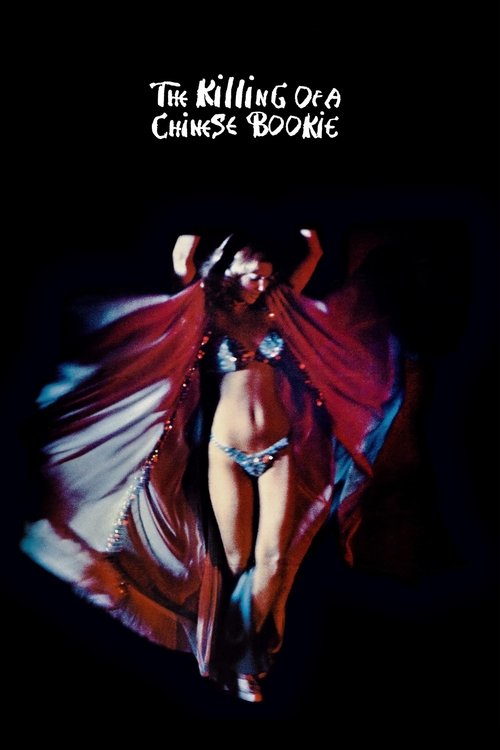
The Killing of a Chinese Bookie1976
Cassavetes' underseen masterpiece about a nightclub owner caught in a debt spiral. Like Ferrara, Cassavetes films the moral and psychological unraveling with unflinching empathy.
But Shot in murky 16mm; deliberately unglamorous and hard to follow. Cassavetes' dialogue can feel improvised to the point of frustration.
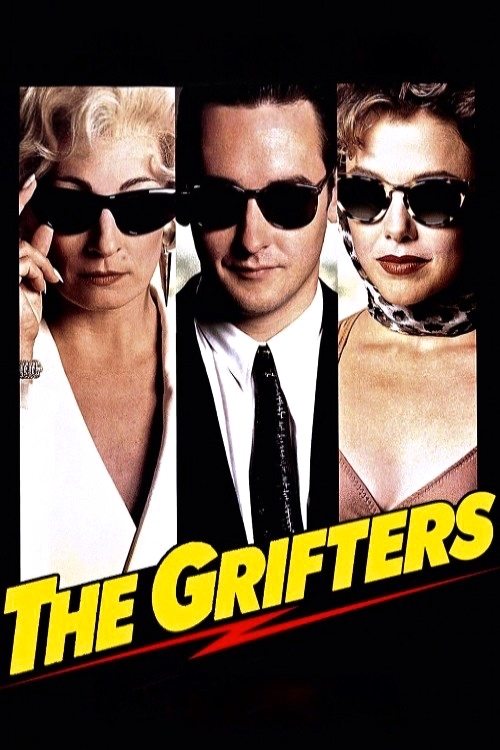
The Grifters1990
Both are Jim Thompson adaptations exploring how crime poisons family bonds; both feature an older figure trying to maintain control; both have a noir fatalism about the impossibility of escape.
Stephen Frears' con-artist film, based on Jim Thompson. Like *The Funeral*, it's about a family bound by crime and manipulation, and it has the same feverish, claustrophobic intensity. But it's faster, darker comedy—the moral weight expressed through speed and darkly funny cruelty.
But Faster and breezier than *The Funeral* might prepare you for. Some plot twists feel mechanical. Less psychologically deep, more plot-driven.
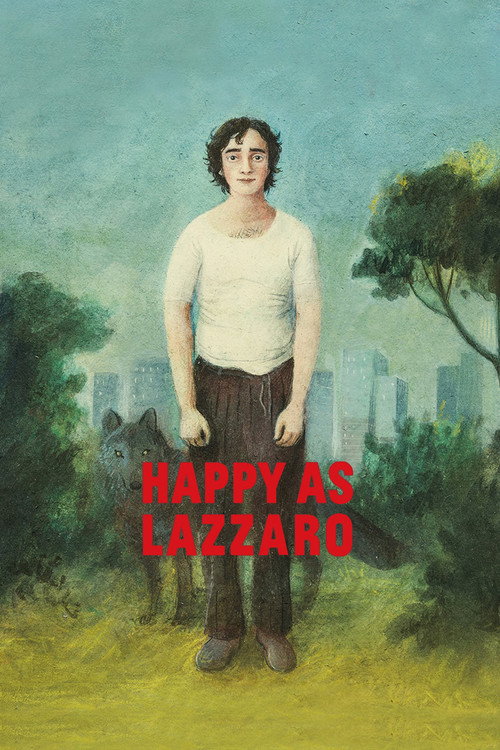
Happy as Lazzaro2018
Both examine moral corruption within closed systems (a family, an estate); both feature a gentle or innocent figure surrounded by harder people; both suggest that escape from the system is nearly impossible.
Italian magical-realist fable about exploitation and moral corruption on a feudal estate. Completely different register from *The Funeral*—dreamlike, strange, almost whimsical—but shares its fascination with how power and violence deform human relationships, and how goodness is nearly impossible in corrupted systems.
But Quietly surreal; some find it too slow and oblique. Not a conventional narrative. Requires patience and willingness to sit with ambiguity.
People
Cast
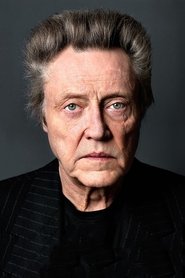 Christopher WalkenRay Tempio
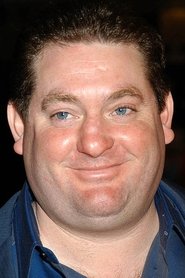 Chris PennChez Tempio

 Isabella RosselliniClara Tempio
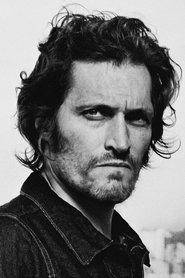 Vincent GalloJohnny
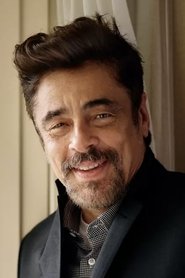 Benicio del ToroGaspare
 Gretchen MolHelen
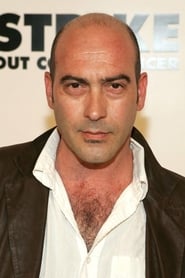 John VentimigliaSali
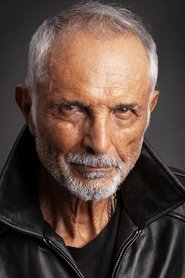 Robert MianoEnrico
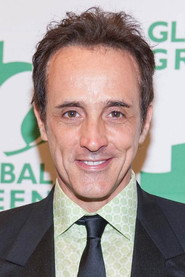 Paul HippGhouly
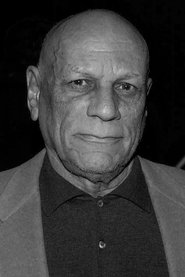 Victor ArgoJulius
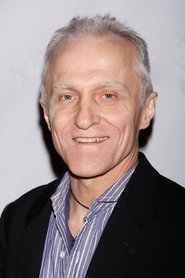 David Patrick KellyMichael Stein