
Film
Our Little Sister
A Japanese family drama about three adult sisters welcoming their estranged teenage half-sister into their home after their father's death. Unhurried and deeply observant, it finds profound emotion in ordinary moments—cooking, conversation, the small rituals that bind people together. Visually luminous, tonally generous. For anyone who cherishes character over plot.
Should you watch it?
Watch it if you love quiet, observant family dramas where the pleasure lies in small kitchen-table moments, seasonal rhythms and the slow thaw of people who have kept each other at arm's length.
Skip it if you want a story that drives forward on plot or conflict; this one is unhurried, lives in its daily details, and may feel like very little is happening for long stretches.
What it asks of you: Settle in for a little over two hours at a gentle, deliberate pace, giving it patience and attention to the quiet textures of ordinary days.
Not sure? Find tonight's pick in a minute.
If you liked this
Tokyo Story1953
The foundational text for this kind of cinema: multigenerational family dynamics, the patient accumulation of small moments, grief that lives quietly alongside daily life. Essential viewing.
But Shot in black-and-white in 1953, it moves at its own meditative pace. If you need plot momentum, this will feel glacial.

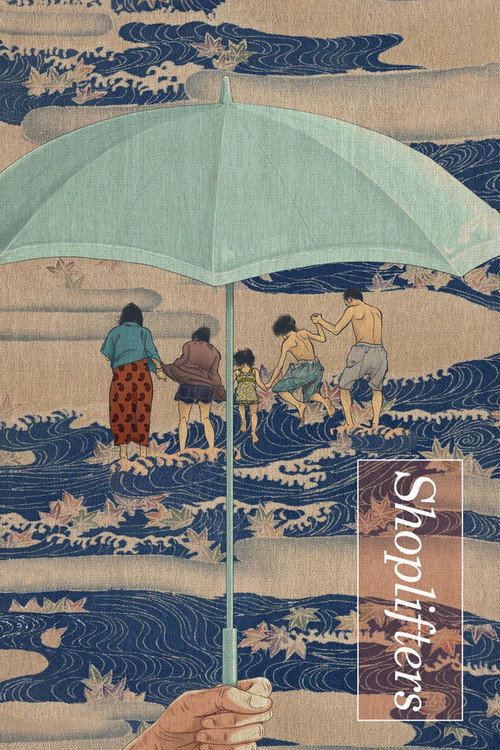
Shoplifters2018
Another Hirokazu Kore-eda film (the director of Our Little Sister) about family bonds that transcend blood. Warmer and messier than his usual work, with real bite beneath the tenderness.
But It's deliberately, almost provocatively unsentimental about morality. Some viewers find the non-judgmental framing difficult to sit with.
Moonlight2016
Three chapters of a life, the accumulation of small gestures and unspoken feelings. Achingly tender about connection and identity. A film that trusts you completely.
But Dialogue is sparse and ambient. Entirely dependent on mood, performance, and your willingness to fill silences with understanding.

Not sure tonight? Get a pick in a minute, starting from Our Little Sister
The wildcard
Something you would not have found on your own.
Harakiri1962
Both examine how family obligation and social expectation can quietly destroy us. Both trust the audience's intelligence absolutely. Both use restraint as a form of power.
A 1962 samurai film that operates entirely on restraint and implication. Visually stunning, morally rigorous, about the gap between duty and humanity. The ancestor to every quiet drama about codes and their cost.
But It is relentlessly bleak and formal. The payoff is philosophical rather than cathartic, and the final act is deliberately unbearable to watch.

More like this (7)
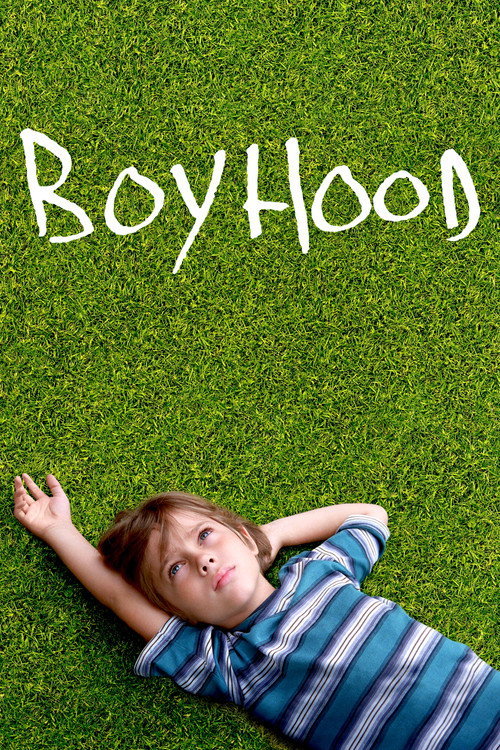
Boyhood2014
Twelve years of ordinary life, filmed in fragments. The idea that growth happens in small, unremarkable moments. It's about presence more than plot—exactly what Our Little Sister does in two hours.
But Nearly three and a half hours long, and the 'gimmick' of filming over time can feel self-congratulatory rather than emotionally necessary.
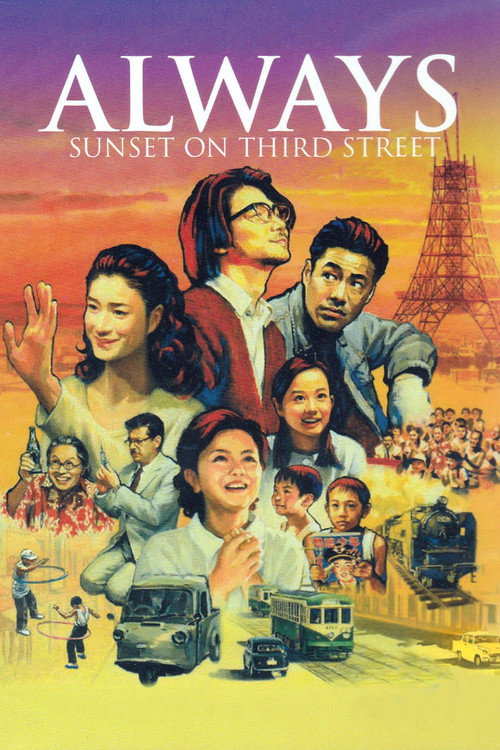
Always - Sunset on Third Street2005
Japanese cinema at its most generous and nostalgic. Post-WWII Tokyo rendered with warmth and visual beauty. Family, community, and the world changing around you.
But Sentimentality is the point here, and it swings for the emotional fences. If you prefer restraint, it will feel manipulative.
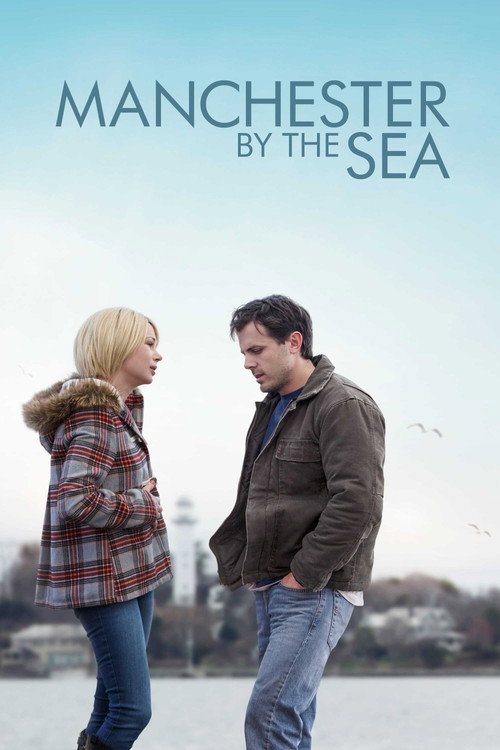
Manchester by the Sea2016
Grief and obligation. A man reluctantly becomes guardian to his teenage nephew. Quietly devastating, anchored by performance rather than plot mechanics.
But The emotional weight can feel punishing. There is no catharsis here, only the difficult work of showing up for someone.
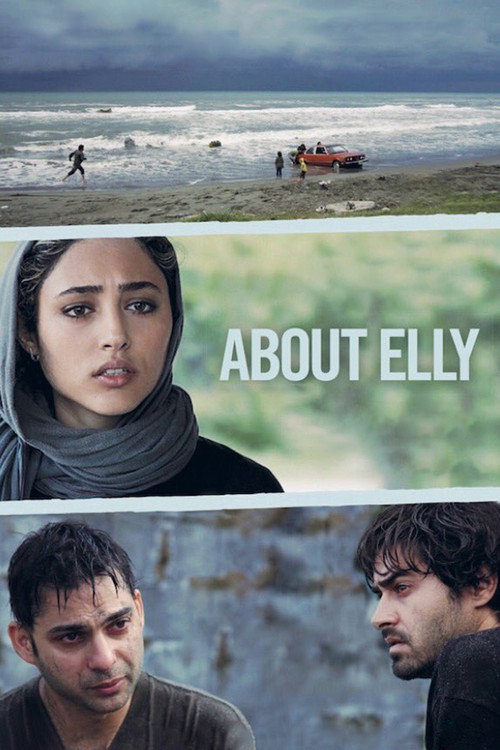
About Elly2009
An Iranian film about a group of friends and the mystery that upends their lives. Character-driven, morally complex, visually assured. Gorgeous and unsettling.
But The narrative structure is deliberately withholding. You'll feel unmoored for much of it, and some find that frustrating rather than intriguing.
Tiny Times2013
Four female friends navigate adulthood in contemporary China. Stylish, funny, and genuinely moving about female friendship and the cost of growing up.
But Visually maximalist in a way that can feel dated. The tone shifts between comedy and melodrama might not land if you're in a contemplative mood.

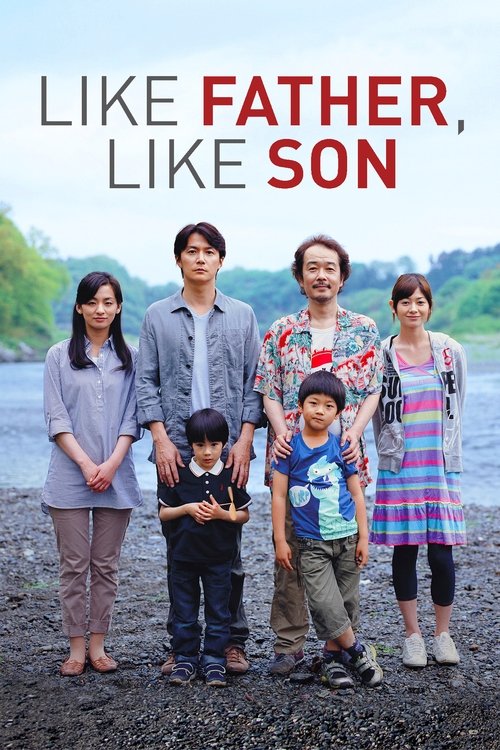
Like Father, Like Son2013
Another Kore-eda gem: what makes someone family? Two fathers, two sons, and the question of identity and connection. Tender without being soft.
But The premise—a hospital mix-up—could feel contrived. The execution is subtle enough that some will find it not subtle enough.
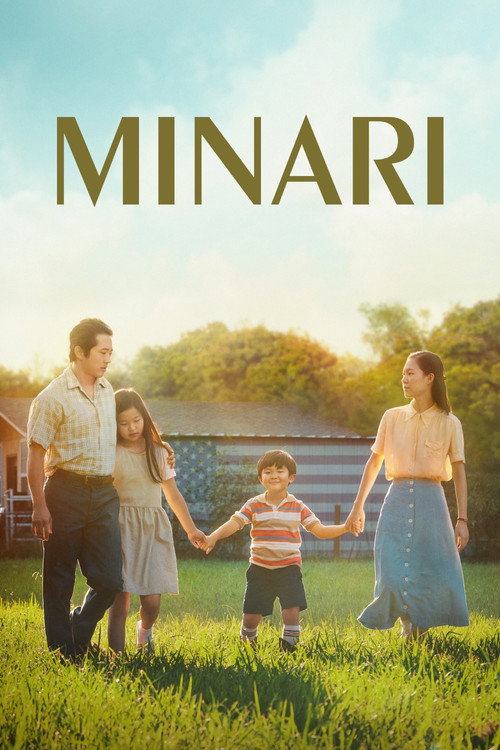
Minari2021
Both hinge on how families hold together despite fracture. Both center women's labor and patience. Both find grace in persistence rather than triumph.
A Korean-American family tries to make it in rural Arkansas. Multi-generational, achingly specific, about belonging and displacement. The grandmother steals every scene she's in.
But It's a quiet film about economic struggle dressed in intimate family moments. No plot fireworks. The emotional stakes are internal, not external.
People
Cast
 Haruka AyaseSachi Kôda
 Masami NagasawaYoshino Kôda
 KahoChika Kôda
 Suzu HiroseSuzu Asano
 Ryo KaseMinami Sakashita
 Ryohei SuzukiDr. Yasuyuki Inoue
 Ikeda TakafumiSanzo Hamada
 Kentaro SakaguchiTomoaki Fujii
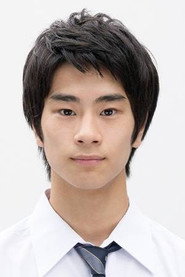 Oshirō MaedaFuta Ozaki
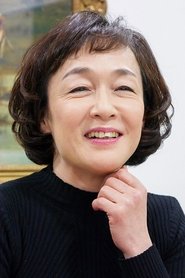 Midoriko KimuraHideko Takano
 Yuko NakamuraYoko Asano
 Kazuaki ShimizuToshio Iida
Directing
- Atsushi KaneshigeAssistant Director
- Kaoru EndôAssistant Director
- Shôichi MorimotoAssistant Director
- Hirokazu Kore-edaDirector
Writing
- Akimi YoshidaComic Book
- Hirokazu Kore-edaScreenplay
Production
- Toshie TabataCasting
- Satomi OdakeExecutive Producer
- Taichi UedaExecutive Producer
- Yasushi OgawaExecutive Producer
- Kumagai KiichiLine Producer
- Hijiri TaguchiProducer
- Kaoru MatsuzakiProducer
- Yu KumagaiProduction Manager