
Film
After Life
After Life imagines the afterlife not as clouds and harps but as a shabby, fluorescent-lit government office, where the newly dead spend a week choosing a single memory to keep forever — the rest gently let go. Shot like a documentary, blending real testimonies with fiction, it's slow, funny and quietly devastating. Less about the next world than about which parts of this one actually mattered.
If you liked this
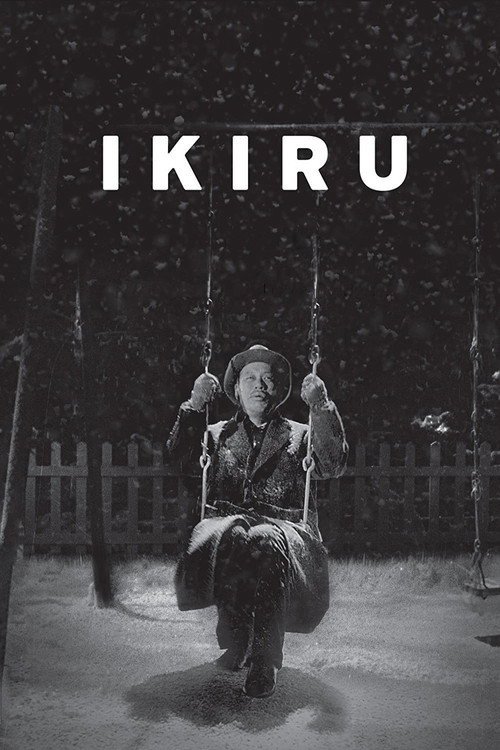
Ikiru1952
A dying bureaucrat tries to find one act worth being remembered for — the same question After Life poses from the other side of death, told with Kurosawa's full emotional force.
But It's two and a half hours of black-and-white melancholy with a structural swerve partway through that some viewers find jarring.
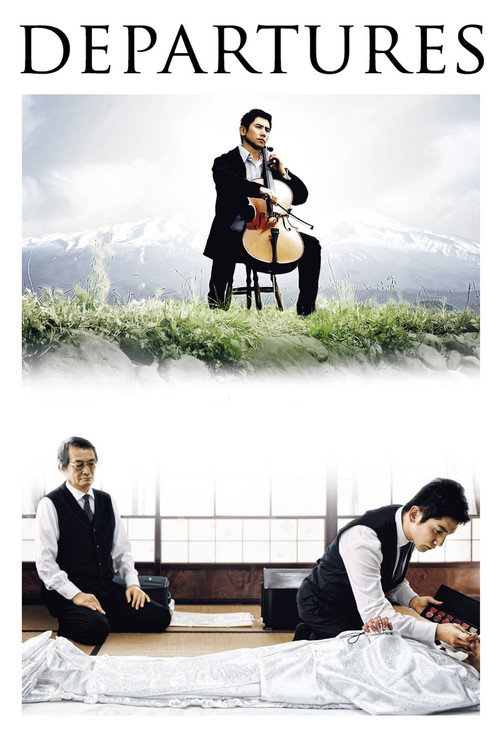
Departures2008
A failed cellist becomes an undertaker in rural Japan, and the film treats the ritual preparation of bodies with the same patient, unsentimental tenderness Kore-eda brings to memory.
But The subject matter — corpses, grief, family shame around the job — is handled gently, but it's still squarely about death.
Shoplifters2018
Kore-eda's Palme d'Or winner, about a family held together by theft and secrets rather than blood, shows the same eye for small domestic gestures that made After Life so quietly devastating.
But It has a late reveal that recontextualizes everything, and some find its slow burn frustrating before that point lands.

The wildcard
Something you would not have found on your own.
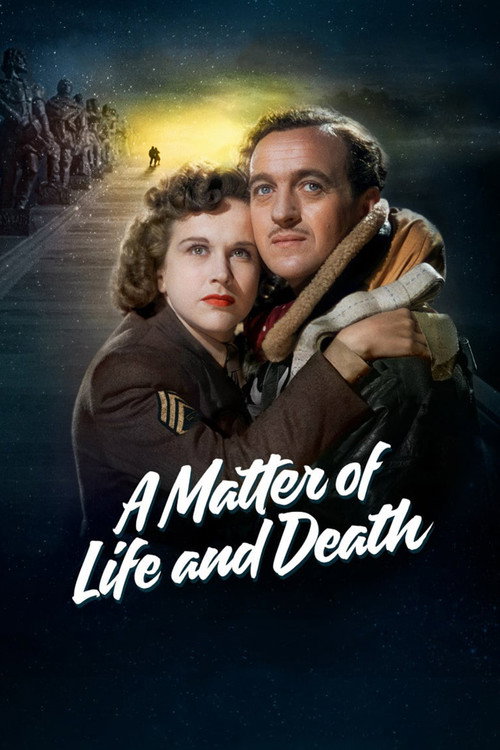
A Matter of Life and Death1946
Both imagine the afterlife as a paperwork problem rather than a miracle — a waiting room, a case file, a decision to be made — but Powell and Pressburger play it as heart-on-sleeve romance where Kore-eda plays it as hushed realism.
A wartime pilot who should have died finds himself on trial in a bureaucratic heaven that decides who lives and who moves on — the same afterlife-as-office idea, done as swooning Technicolor romance five decades early.
But It's a much more theatrical, effects-driven fantasy than After Life's stillness, with courtroom melodrama where Kore-eda gives you silence.
More like this (8)
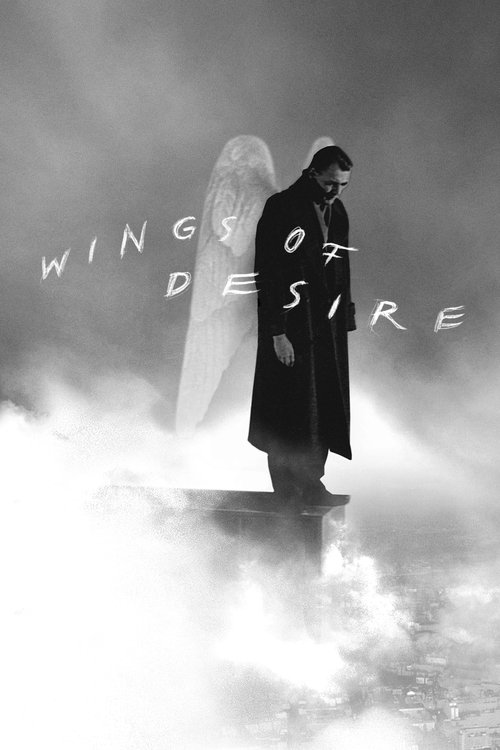
Wings of Desire1987
Angels drift invisibly through Berlin, listening to human thoughts and longing to feel a single ordinary moment — a mirror image of After Life's dead choosing which moment to keep.
But Wenders' pacing is dreamy and digressive, and its black-and-white philosophizing can feel more like poetry than plot.
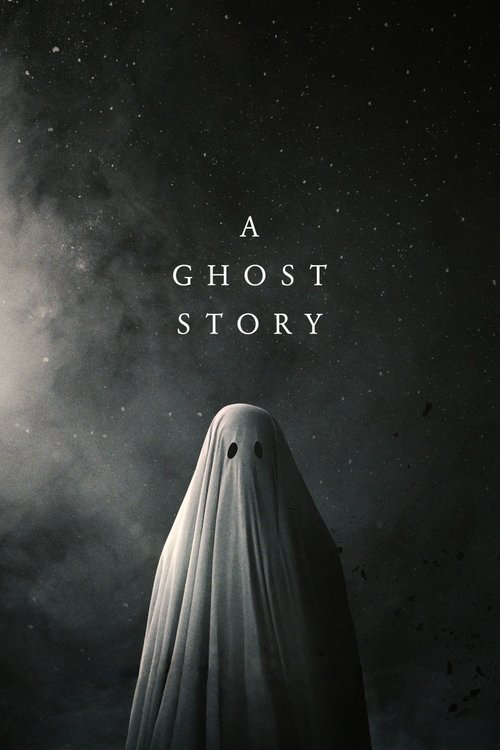
A Ghost Story2017
A man in a sheet haunts his old house across centuries, watching time erode the memories he can't let go of — a stranger, sadder cousin to After Life's meditation on what lingers.
But There's a single unbroken shot of someone eating pie for several minutes; if that sounds unbearable, the rest won't convert you.
Coco2017
Pixar's take on the Land of the Dead argues that we survive only as long as someone remembers us — the same stakes as After Life, made dazzlingly colourful and fit for the whole family.
But It's a kids' film with songs and a villain twist, a much brighter and more conventional package than After Life's quiet realism.

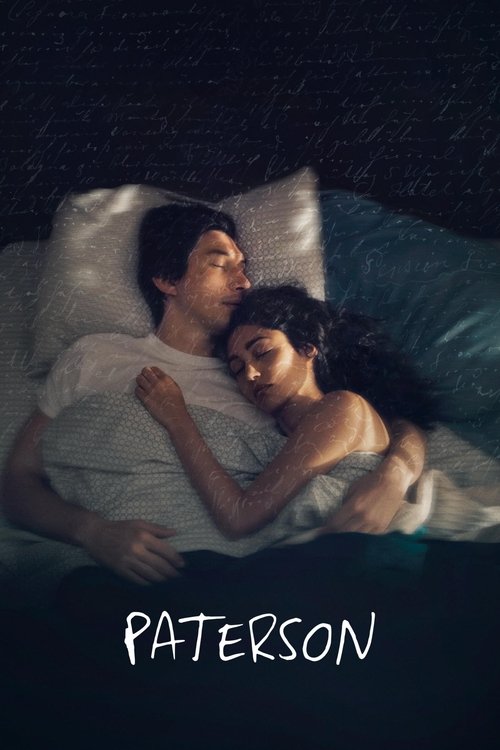
Paterson2016
A bus driver in New Jersey lives a week of small, unremarkable moments that the film insists are worth noticing — the same patient attention After Life pays to ordinary memories.
But Almost nothing happens by design; if you need incident or conflict to stay engaged, this will test you.
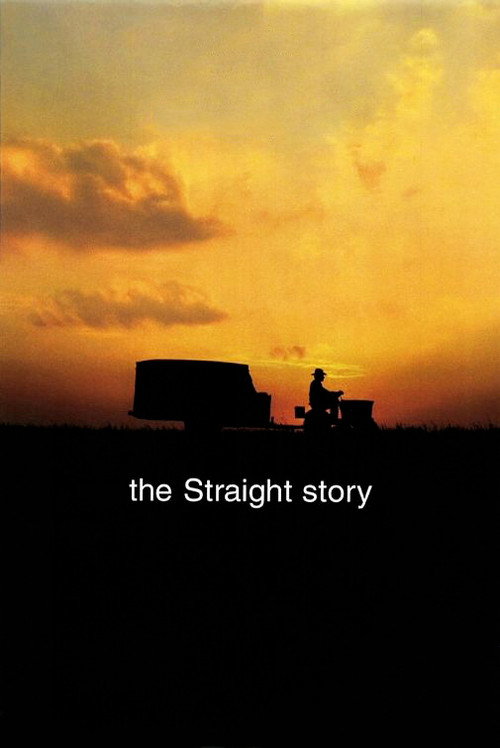
The Straight Story1999
David Lynch's gentlest film follows an old man riding a lawnmower across states to reconcile with his dying brother, taking stock of a life the way After Life's dead are asked to.
But It moves at the speed of the mower — a deliberate, unhurried film that some will find simply too slow.
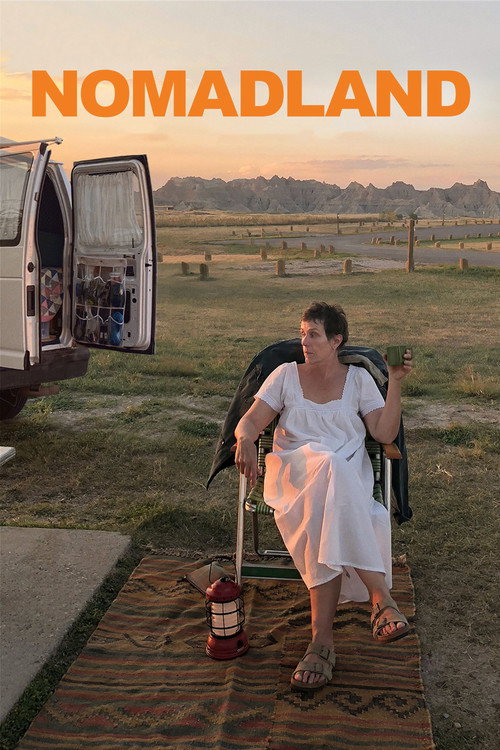
Nomadland2021
Frances McDormand plays a widow living out of a van, drifting through memory and loss among real nomads — a documentary-fiction hybrid with the same tender attentiveness to ordinary lives as After Life.
But It's plotless by design, more mood and observation than story, and its ending offers little resolution.
Sans Soleil1983
Both treat memory as physical material — something to be selected, filmed, preserved — and both use a documentary register to ask what a single image or recollection can hold onto before it's gone.
Chris Marker's essay-film drifts between Japan, Africa and memory itself, narrated as letters from a traveller obsessed with what images retain and what they lose — a meditation on memory as strange and formally daring as anything in After Life.
But There's no plot, no characters, just voiceover and footage; it demands patience closer to reading an essay than watching a film.

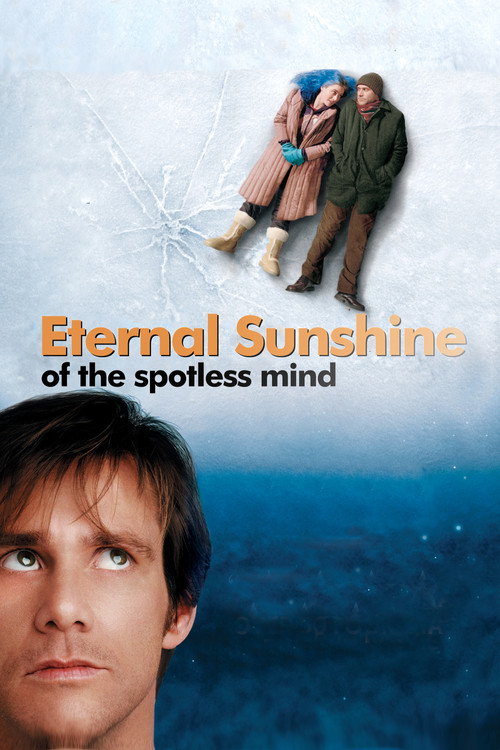
Eternal Sunshine of the Spotless Mind2004
Same machine, run backwards: where After Life's dead select a single memory to survive into eternity, Eternal Sunshine's living characters try to erase the memories that hurt too much — both asking what a self is once memory gets edited.
A couple has each other erased from memory after a breakup, in a film that runs After Life's premise in reverse — instead of choosing one memory to keep forever, it asks what's lost by deleting the painful ones.
But It's frantic, funny, romantic and visually inventive in ways that are the opposite of After Life's stillness — a much louder, faster film.
People
Cast
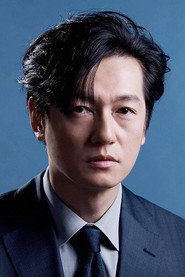 Arata IuraTakashi Mochizuki
 Erika OdaShiori Satonaka
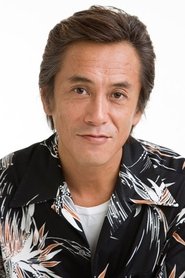 Susumu TerajimaSatoru Kawashima
 Takashi NaitoTakuro Sugie
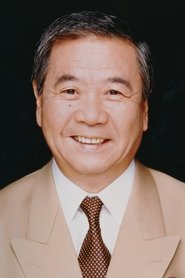 Kei TaniKennosuke Nakamura
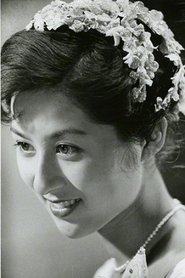 Kyōko KagawaKyoko Watanabe
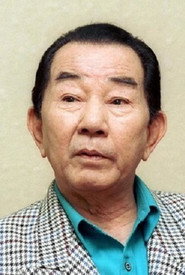 Tōru YuriGisuke Shoda
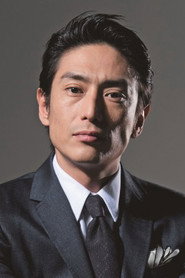 Yusuke IseyaYusuke Iseya
 Sayaka YoshinoKana Yoshino
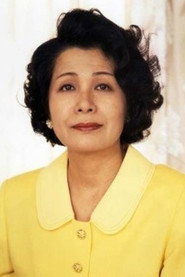 Kazuko ShirakawaNobuko Amano
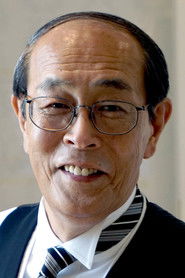 Kotaro ShigaKenji Yamamoto
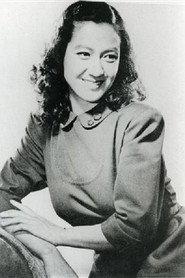 Hisako HaraKiyo Nishimura
Directing
- Iwao TakahashiAssistant Director
- Hirokazu Kore-edaDirector
Writing
- Hirokazu Kore-edaScreenplay
Production
- Yutaka ShigenobuExecutive Producer
- Masayuki AkiedaProducer
- Shiho SatoProducer
- Osamu ShiraishiProduction Manager