
Film
After.Life
Other titles called After.Life: the 1999 film, the 2019 series (Netflix).
- Supernatural mystery
- Horror
- Very dark
A woman wakes in a funeral home after a car crash, unsure if she's alive or dead. The mortician claims she's deceased and must accept her fate. It's a slow-burn psychological mystery that toys with reality and sanity, built on Ricci's haunted performance and an idea that gets under your skin—perfect for viewers who prefer dread to jump scares.
Should you watch it?
Watch it if you like slow, unsettling films where dread builds through quiet rooms and unanswered questions, and you don't mind a chill that lingers more than a jolt.
Skip it if you want brisk plotting or a clear genre payoff, since this moves at a funereal crawl and keeps its explanations to itself for much of its runtime.
What it asks of you: Settle in for a patient, mostly hushed hour and forty-three minutes, where the mood does the heavy lifting and the frights arrive sparingly.
Not sure? Find tonight's pick in a minute.
If you liked this
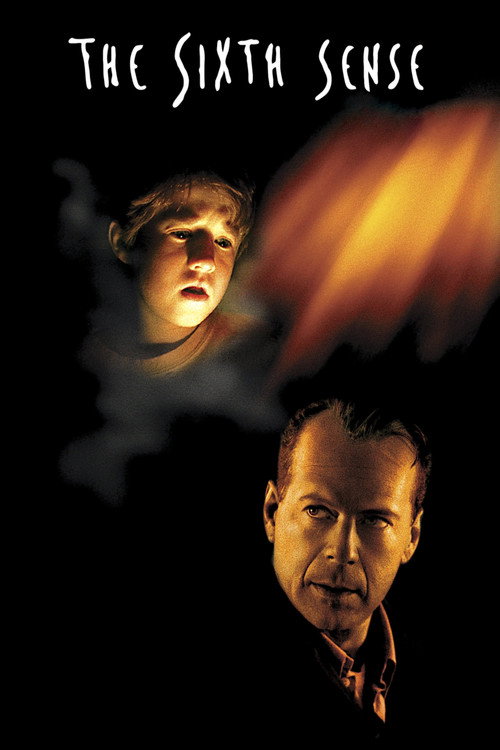
The Sixth Sense1999
A masterclass in building atmospheric uncertainty about what's real. Bruce Willis investigates a boy who sees dead people, and like After.Life, it hinges on a final reveal that recontextualizes everything you've watched.
But The twist ending has been imitated to exhaustion; it doesn't land quite as hard on a second viewing.
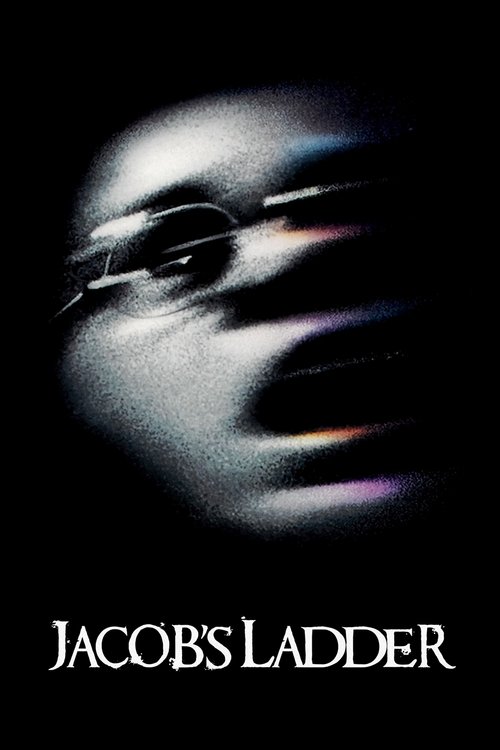
Jacob's Ladder1990
A Vietnam vet spirals through increasingly surreal and horrifying visions after an accident. It shares After.Life's obsession with the blurred border between death, trauma, and madness—haunting rather than horrifying.
But The pacing is glacial and deliberately disorienting, which feels intentional but can frustrate viewers wanting clarity.
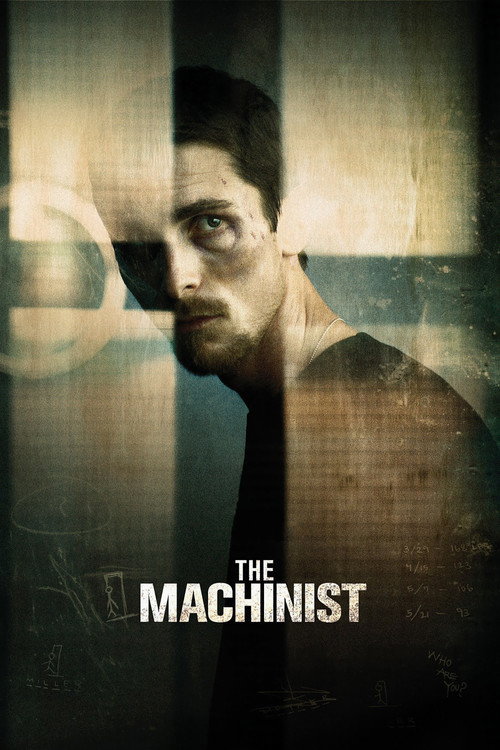
The Machinist2004
Christian Bale's skeletal insomniac unravels in a world that feels increasingly dreamlike and hostile. Like After.Life, it's an intimate psychological descent that questions your protagonist's grip on reality.
But It's relentlessly bleak and grim; there's no warmth or levity, only creeping dread and self-destruction.
Not sure tonight? Get a pick in a minute, starting from After.Life
The wildcard
Something you would not have found on your own.
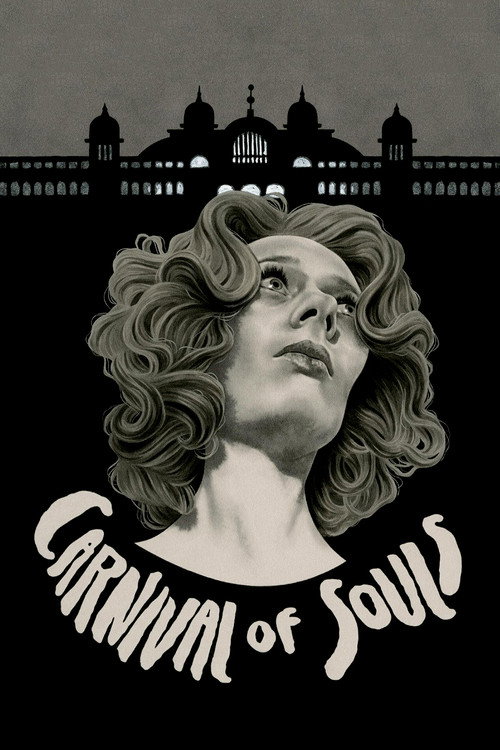
Carnival of Souls1962
Both begin with a car crash that might be fatal and spend their runtime questioning whether the protagonist survived. After.Life updates the concept to psychological realism; Carnival of Souls lets it stay genuinely supernatural and dreamlike.
A woman survives a car crash and slowly realizes she may not have. A genuinely eerie low-budget masterpiece that predates modern horror and shares After.Life's core premise—but where After.Life is intimate and interior, this is phantasmagoric and hypnotic.
But The acting is stiff by modern standards, and the organ score is aggressively weird; it requires patience and faith.
More like this (8)
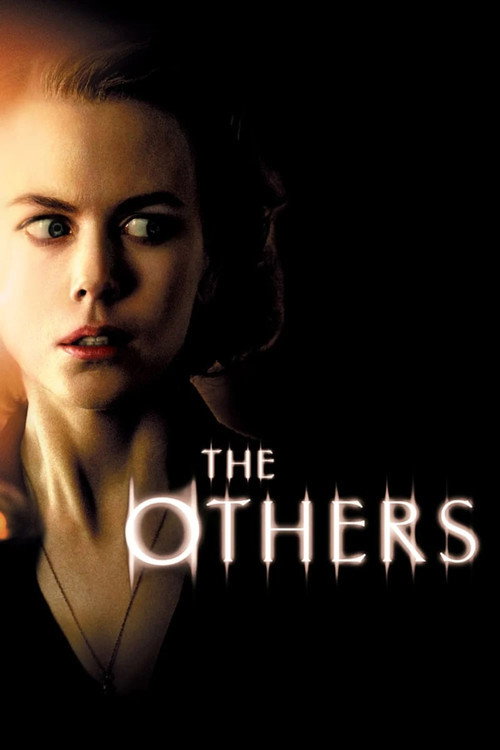
The Others2001
Nicole Kidman tends a house with mysterious inhabitants after a car crash. It has the same slow-burn supernatural ambiguity and the same willingness to make you doubt what you're watching.
But Once the twist arrives, the film loses momentum; it's a mechanism that clicks but doesn't linger.
Mulholland Drive2001
A woman's life fragments into competing realities across Los Angeles. Like After.Life, it revels in subjective experience and asks whether what we're seeing is real or constructed from trauma and delusion.
But It's deliberately fragmented and refuses to resolve cleanly; Lynchian ambiguity exhausts some viewers.

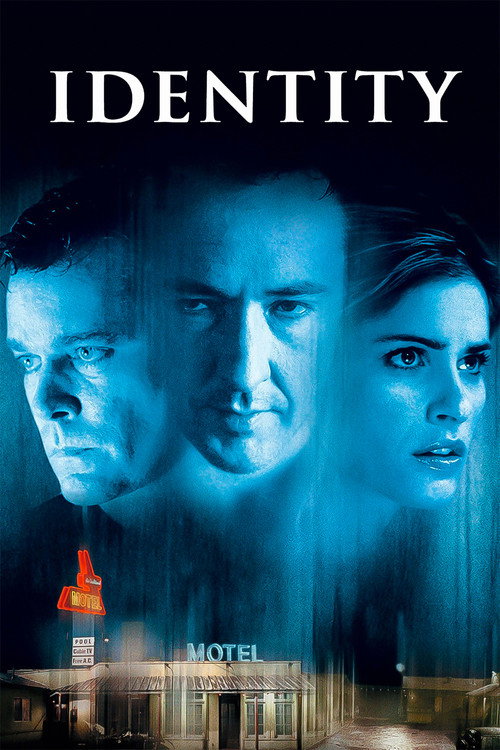
Identity2003
Strangers trapped at a motel during a storm begin dying one by one. Like After.Life, it leverages paranoia and reality-bending for psychological unease, not action.
But The twist ending, while clever, can feel more like a parlour trick than earned storytelling.
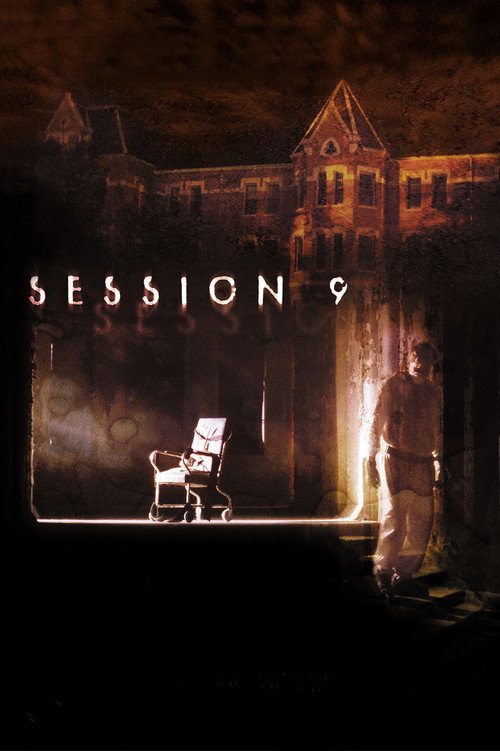
Session 92001
A crew cleans an abandoned mental hospital and finds something profoundly wrong. It shares After.Life's commitment to dread over gore, using location and atmosphere to create creeping existential horror.
But Very little happens plot-wise; it's purely mood-building, which either transfixes or bores you.
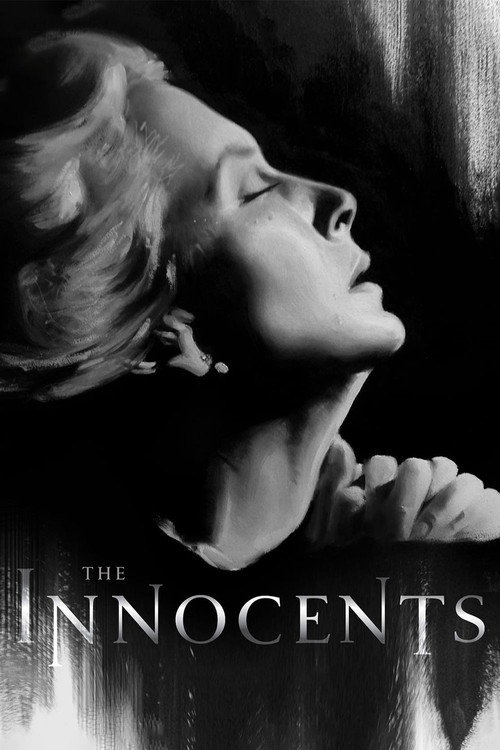
The Innocents1961
A governess arrives at a mansion and becomes convinced the children are being haunted. Ambiguous, psychologically unsettling, and built entirely on the unreliability of the narrator—like After.Life but in Gothic rather than contemporary dress.
But It's glacially paced and deliberately inconclusive; audiences wanting answers will feel denied.
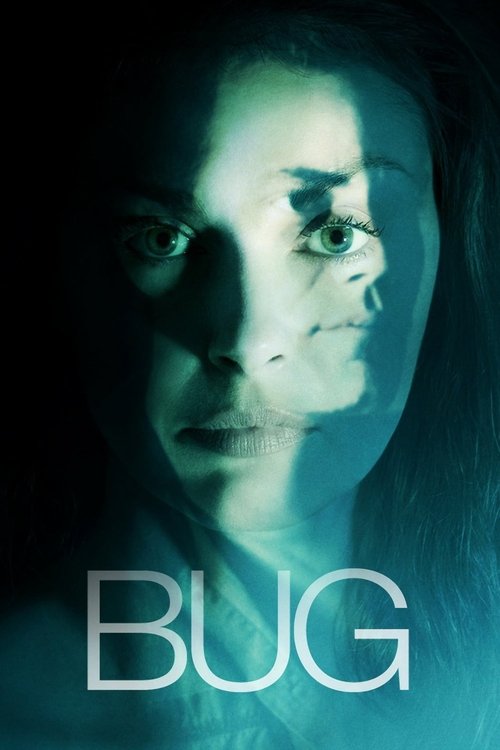
Bug2007
Two isolated people in a motel room descend together into shared paranoia and madness. It captures After.Life's interest in subjective reality warping under psychological pressure, in intimate, claustrophobic space.
But It's deeply unpleasant and nihilistic; there are no heroes and the spiral only goes down.
Synecdoche, New York2008
Both films use the unreliability of perception to explore death and the self. After.Life asks 'Am I dead?' from the inside. Synecdoche asks 'Is any of this real?' from the perspective of someone building his own afterlife while still living.
Philip Seymour Hoffman's theater director constructs an increasingly elaborate play-within-reality that becomes indistinguishable from his life. A singular, devastating meditation on mortality, creation, and the impossibility of separating art from existence.
But It's a three-hour experimental narrative that collapses into surrealism; most people will find it exhausting or impenetrable.

Come and See1985
Both films use a central character's subjective experience to show how horror—whether existential or real-world—fundamentally breaks the human mind. After.Life is ambiguous; Come and See makes clear that the protagonist has been destroyed from inside.
A Soviet film about a boy's journey through a WWII bloodbath. Not a war film—a descent into moral annihilation. Devastating, visionary, and structured like a journey through levels of hell; it shares After.Life's fascination with how trauma warps perception.
But It is extraordinarily violent and nihilistic; it's a psychological endurance test designed to wound.

People
Cast
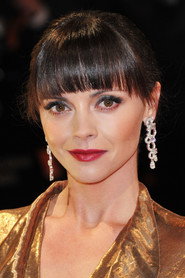 Christina RicciAnna Taylor
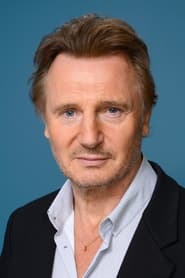 Liam NeesonEliot Deacon
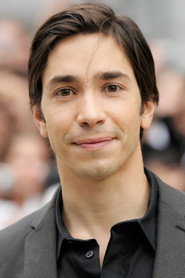 Justin LongPaul
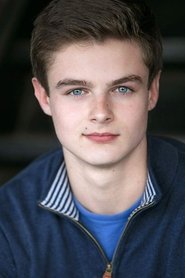
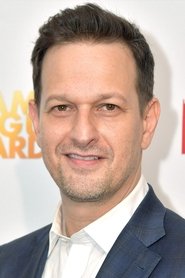 Josh CharlesTom Peterson
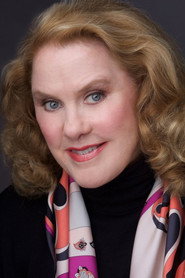 Celia WestonBeatrice Taylor
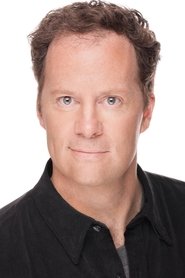 Shuler HensleyVincent Miller
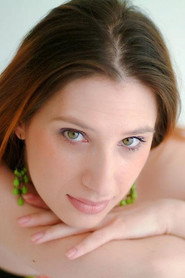 Anna KuchmaRestaurant Patron
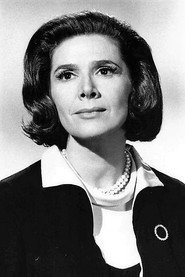 Rosemary MurphySusan Whitehall
- Laurel BryceYoung Anna Taylor
- Luz Alexandra RamosDiane
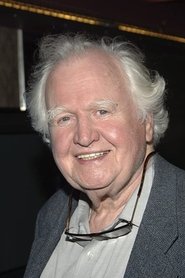 Malachy McCourtFather Graham
Directing
- Agnieszka Wojtowicz-VoslooDirector
- Yann SobezynskiFirst Assistant Director
- Veronica LupuScript Supervisor
Writing
- Agnieszka Wojtowicz-VoslooWriter
- Jakub KorolczukWriter
- Paul VoslooWriter
Production
- Matthew LessallCasting
- Catherine KellnerExecutive Producer
- Edwin L. MarshallExecutive Producer
- Galt NiederhofferExecutive Producer
- Pamela HirschExecutive Producer
- Meredith Jacobson MarcianoExtras Casting
- Mark GerrardExtras Casting Coordinator
- Bill PerkinsProducer
- Brad M. GilbertProducer
- Celine RattrayProducer
- Colin CumberbatchProduction Coordinator
- Stephanie BlackwoodProduction Secretary
- Peter PastorelliUnit Production Manager